Best Nicotine Replacement Therapy Options Compared 2026
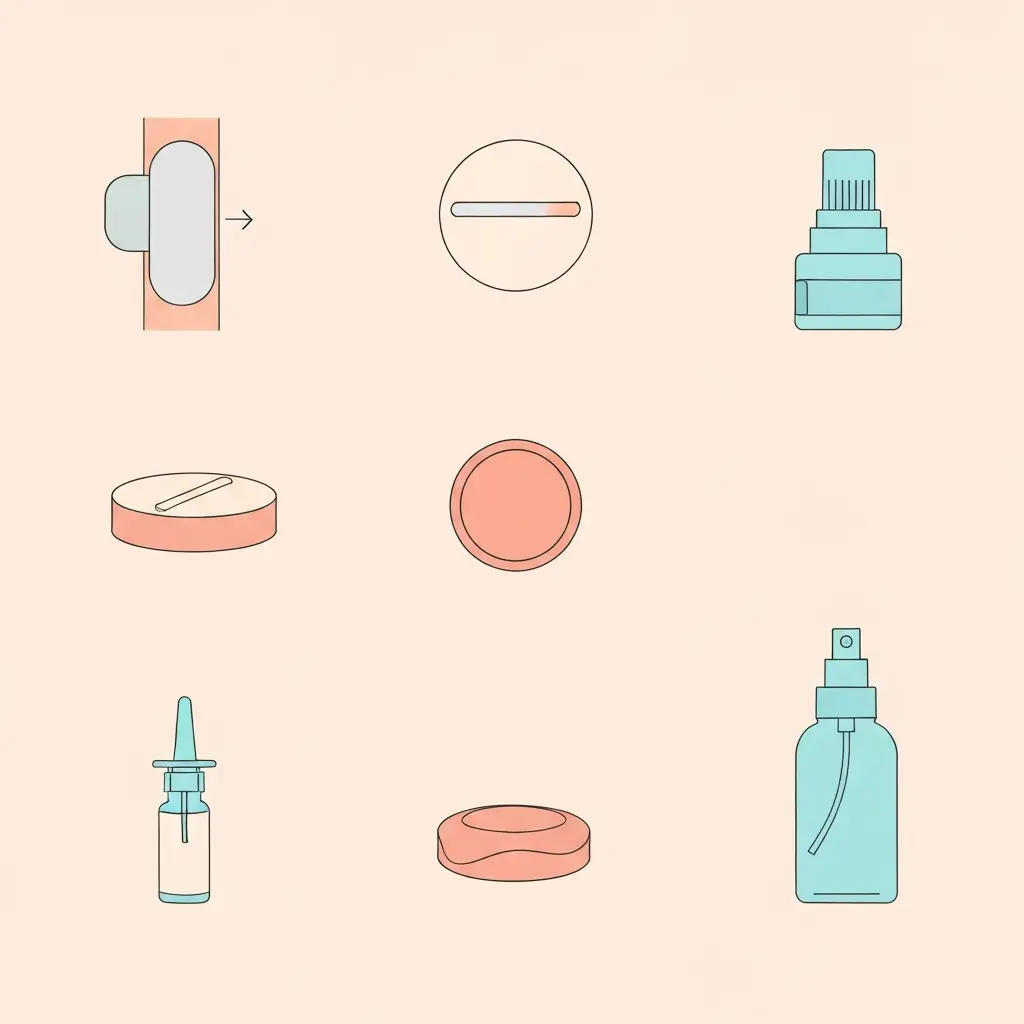
Nicotine replacement therapy (NRT) is the most widely used pharmacological aid for smoking cessation, and the range of nicotine replacement therapy options has expanded significantly over the past decade. Choosing the right form — or the right combination — can make a meaningful difference to your quit success. With five distinct NRT formats available, each with different onset speeds, delivery mechanisms, and use cases, this comparison breaks down exactly what the evidence shows about each.
According to a Cochrane review of 136 clinical trials with over 64,000 participants, NRT reliably increases quit rates by 50-70% compared to placebo. But not all forms of NRT are equally suited to all situations. Understanding the differences helps you build the most effective personal strategy — whether you’re a pack-a-day smoker, an occasional smoker, or someone trying to quit after years of heavy use.
How NRT Works
All NRT products work on the same principle: deliver controlled doses of nicotine to the bloodstream, bypassing the lungs and without the 4,000+ toxic chemicals in cigarette smoke. By maintaining some nicotine in the blood, NRT reduces the severity of withdrawal symptoms and cravings, making the behavioral adjustment of quitting more manageable.
NRT does not eliminate withdrawal — but it significantly reduces its intensity. The goal is to step down NRT doses over 8–12 weeks as the brain recalibrates to lower nicotine levels, eventually reaching zero. No NRT product is physically addictive in the way cigarettes are (delivery is too slow to produce the rapid reinforcement cycle that drives tobacco addiction).
NRT Options Comparison Table
| NRT Type | Onset | Available Doses | Duration | Prescription? | Best For |
|---|---|---|---|---|---|
| Patch | 1–2 hours | 7mg, 14mg, 21mg | 16–24 hours | OTC | Baseline coverage; heavy smokers |
| Gum | 5–10 min | 2mg, 4mg | 30 min | OTC | Acute cravings; oral habit |
| Lozenge | 5–10 min | 1.5mg, 2mg, 4mg | 20–30 min | OTC | Discreet; no gum preference |
| Inhaler | 5 min | 10mg cartridge | 20 min | OTC/Rx varies | Hand-to-mouth habit |
| Nasal Spray | 1–2 min | 0.5mg/dose | 15 min | Rx (most countries) | Rapid breakthrough cravings |
Nicotine Patches: The Foundation
The nicotine patch is the most widely used NRT format and is the cornerstone of most NRT-based quit plans. Applied to clean, dry skin each morning, it delivers a steady background level of nicotine throughout the day — reducing baseline withdrawal without requiring active use.
How to use patches effectively:
- Apply to a clean, hairless area (upper arm, chest, or back)
- Rotate application sites daily to reduce skin irritation
- Start with 21mg if you smoke more than 10 cigarettes/day, 14mg if fewer
- Step down to 14mg after 6 weeks, then 7mg for the final 2 weeks (12-week course)
- 16-hour patches (removed at bedtime) cause less insomnia than 24-hour patches; 24-hour patches may better manage morning cravings
The patch alone has an efficacy rate approximately 1.5–2x better than placebo. Its main limitation is that it cannot respond to acute, intense cravings — for that you need a fast-acting form.
Nicotine Gum: The Classic Fast-Acting Option
Nicotine gum is the most widely available fast-acting NRT and the most familiar for most quitters. It works through buccal absorption (through the mouth lining) rather than swallowing, which is why the “chew and park” technique matters: chew a few times, park the gum between your cheek and gum, then chew again. Swallowing nicotine-rich saliva reduces efficacy and causes stomach upset.
Correct technique for maximum effectiveness:
- Chew slowly until you notice a tingling sensation or peppery taste
- Park the gum between cheek and gum for 1–2 minutes
- Chew again when tingling fades
- Repeat for approximately 30 minutes
- Do not eat or drink 15 minutes before or during use (acidic drinks reduce absorption)
Use the 4mg gum if you smoke within 30 minutes of waking (indicating higher dependence) and 2mg otherwise. Most guidelines recommend 9–15 pieces per day in the first weeks, reducing gradually.
Nicotine Lozenges: Discreet and Effective
Nicotine lozenges work through the same buccal absorption mechanism as gum, delivering nicotine through the mouth lining as the lozenge dissolves. They’re a preferred option for people who find gum inconvenient, who have dental work that makes gum impractical, or who simply prefer not to chew.
Lozenges are also slightly more effective than gum in clinical comparisons, possibly because there’s less technique dependency (no chew-and-park method required — just dissolve slowly). Mini-lozenges (1.5mg) are particularly convenient and discreet.
Key guidance: Dissolve slowly over 20–30 minutes. Don’t chew or swallow. Move it around occasionally. No food or drink 15 minutes before or during. Maximum 15 lozenges per day.
Nicotine Inhaler: For Hand-to-Mouth Habits
The nicotine inhaler (sometimes called a nicotine inhalator in UK terminology) is a cigarette-shaped device that delivers nicotine vapor through puffing. Unlike vaping devices, the nicotine is absorbed through the mouth and throat mucosa rather than the lungs — so the delivery is slower (similar to gum) rather than rapid like a cigarette.
The inhaler’s main advantage is addressing the hand-to-mouth behavioral aspect of smoking — a dimension that patches and oral NRT don’t target. For people with strong physical-ritual attachment to smoking (holding something, the act of drawing on a cigarette), the inhaler may provide additional behavioral comfort during the adjustment period.
Nicotine Nasal Spray: Fastest Onset
The nicotine nasal spray is the fastest-acting NRT available, delivering nicotine to the bloodstream within 1–2 minutes — faster than gum (5–10 min), lozenges (5–10 min), or patches (1–2 hours). This makes it the most effective option for managing sudden, intense breakthrough cravings.
The spray requires a prescription in most countries. It has a higher addiction potential than other NRT forms (due to faster delivery) and is more strongly associated with dependence on the NRT itself. It is therefore typically recommended for highly dependent smokers who have not succeeded with other NRT forms.
Combination NRT: The Evidence Is Strong
Multiple Cochrane reviews and individual RCTs have found that combining long-acting NRT (patch) with a fast-acting form (gum, lozenge, or inhaler) is significantly more effective than either alone:
- Patch alone: ~1.5x placebo quit rate
- Fast-acting NRT alone: ~1.5x placebo quit rate
- Combination (patch + fast-acting): ~2.7x placebo quit rate
The NHS Stop Smoking Services now recommends combination NRT as first-line treatment. The logic is intuitive: the patch handles background withdrawal while the fast-acting form handles acute craving spikes. For most quitters, this combination is the most effective NRT approach available over the counter.
Using NRT alongside a behavioral tool like the iQuit app creates the comprehensive support structure — pharmacological and behavioral — that delivers the highest real-world success rates. This multi-modal approach is consistent with how support tools work across domains: the most effective solutions, whether in marketing automation or health behavior change, combine automated support with behavioral coaching.
Choosing the Right NRT for Your Situation
| Your Situation | Recommended NRT Approach |
|---|---|
| Moderate smoker (10–20/day) | 14mg patch + 2mg gum or lozenge |
| Heavy smoker (20+/day) | 21mg patch + 4mg gum or lozenge |
| Strong morning cravings | 24-hour patch + 4mg gum as needed |
| Dental issues or gum concerns | Patch + lozenges or inhaler |
| Strong hand-to-mouth habit | Patch + inhaler |
| Severe dependence, multiple failed attempts | Consider prescription medications (varenicline, bupropion) + NRT + support |
Frequently Asked Questions
Which NRT is most effective?
Combination NRT (patch plus a fast-acting form like gum or lozenge) is consistently the most effective NRT approach, with quit rates approximately 2.7x higher than placebo. No single NRT form is clearly superior to others; the best choice depends on your smoking patterns and preference. Among single forms, all show similar efficacy in direct comparisons.
How long should I use NRT?
Standard NRT courses are 8–12 weeks with a step-down dose schedule. However, there’s no safety concern with longer use — research shows extended NRT use (beyond labeled duration) is safe and some people benefit from using it longer to prevent relapse. It is always safer to continue NRT than to return to smoking.
Can I use NRT while still smoking?
Yes, in the context of a structured “reduce to quit” program. NRT can be used to replace cigarettes progressively as part of a planned reduction approach. However, combining NRT with unreduced smoking is not recommended. If you smoke a cigarette while using NRT, don’t panic — the risk of nicotine overdose from accidentally smoking with a patch is very low, though you may feel nauseous or dizzy.
Is NRT better than vaping for quitting smoking?
The evidence is mixed and evolving. A 2024 Oxford study found e-cigarettes with behavioral support were as effective as varenicline and more effective than traditional NRT in some measures. However, e-cigarettes introduce long-term respiratory unknowns that licensed NRT products do not. Current NHS guidance acknowledges e-cigarettes as a cessation tool but recommends licensed NRT as the primary pharmacological approach.
Are nicotine patches safe for the heart?
Yes. Multiple studies, including one specifically in people who had recently had heart attacks, have found NRT patches safe for cardiovascular patients. The nicotine in patches is delivered slowly (unlike cigarettes) and at lower levels, and doesn’t carry the carbon monoxide, tar, and particulates that drive smoking-related cardiovascular damage. People with recent cardiac events should consult their cardiologist, but NRT is generally considered safe and beneficial versus continuing to smoke.
What is the correct dose of NRT to start with?
For patches: start with 21mg/day if you smoke 10+ cigarettes/day; 14mg/day if you smoke fewer. For gum and lozenges: use 4mg if you smoke your first cigarette within 30 minutes of waking; 2mg otherwise. One of the most common NRT mistakes is underdosing — using too little nicotine, which leaves cravings and withdrawal poorly managed and leads to early abandonment of the NRT.
Can I use NRT during pregnancy?
NRT during pregnancy is considered preferable to continued smoking, which causes significantly more harm to the fetus. Intermittent forms (gum, lozenge, inhaler) are generally preferred over patches during pregnancy because they deliver lower total daily nicotine exposure. All NRT use during pregnancy should be discussed with a healthcare provider.
How is NRT different from varenicline?
NRT replaces nicotine with a controlled, safer delivery system. Varenicline (Chantix/Champix) works differently — it partially activates nicotinic receptors to reduce withdrawal while blocking the reward signal of smoking. Clinical trials consistently show varenicline is more effective than NRT alone, though it requires a prescription and has contraindications. Combining varenicline with NRT may provide additional benefit and is being studied.
Track Your NRT Progress With iQuit
The iQuit app integrates with your NRT plan — helping you schedule doses, log cravings, and understand which NRT form is working best for your patterns. Pair it with your patch and gum for a combined approach that doubles your quit success odds. Download free today.