Can Your Lungs Heal After Years of Smoking? What the Science Shows in 2026
One of the most important questions any smoker asks when considering quitting is: can your lungs heal after years of smoking? The fear that permanent damage has already been done — that it is “too late” — holds many people back from making one of the best decisions of their lives. The answer, backed by 2026 research, is far more optimistic than most expect. Lung recovery after quitting is real, significant, and begins within hours of your last cigarette.
This is not about false hope. Some damage from long-term smoking is indeed permanent. But the body’s capacity for repair is extraordinary, and the science of lung recovery has advanced dramatically. Whether you smoked for five years or forty, quitting now will meaningfully improve your lung health.
What Decades of Smoking Do to Your Lungs
To understand healing, it helps to understand the specific damage smoking causes. Each cigarette deposits thousands of chemical compounds in the airways and lung tissue:
- Tar: Coats the airways, trapping bacteria and irritants, and damages cilia — the tiny hair-like structures that clear mucus and debris.
- Carbon monoxide: Reduces oxygen-carrying capacity of blood, effectively suffocating lung tissue over time.
- Acrolein and formaldehyde: Inflame and scar the delicate alveolar walls where oxygen exchange occurs.
- Carcinogens (benzopyrene, nitrosamines): Directly damage DNA in lung cells, driving malignant mutations over years and decades.
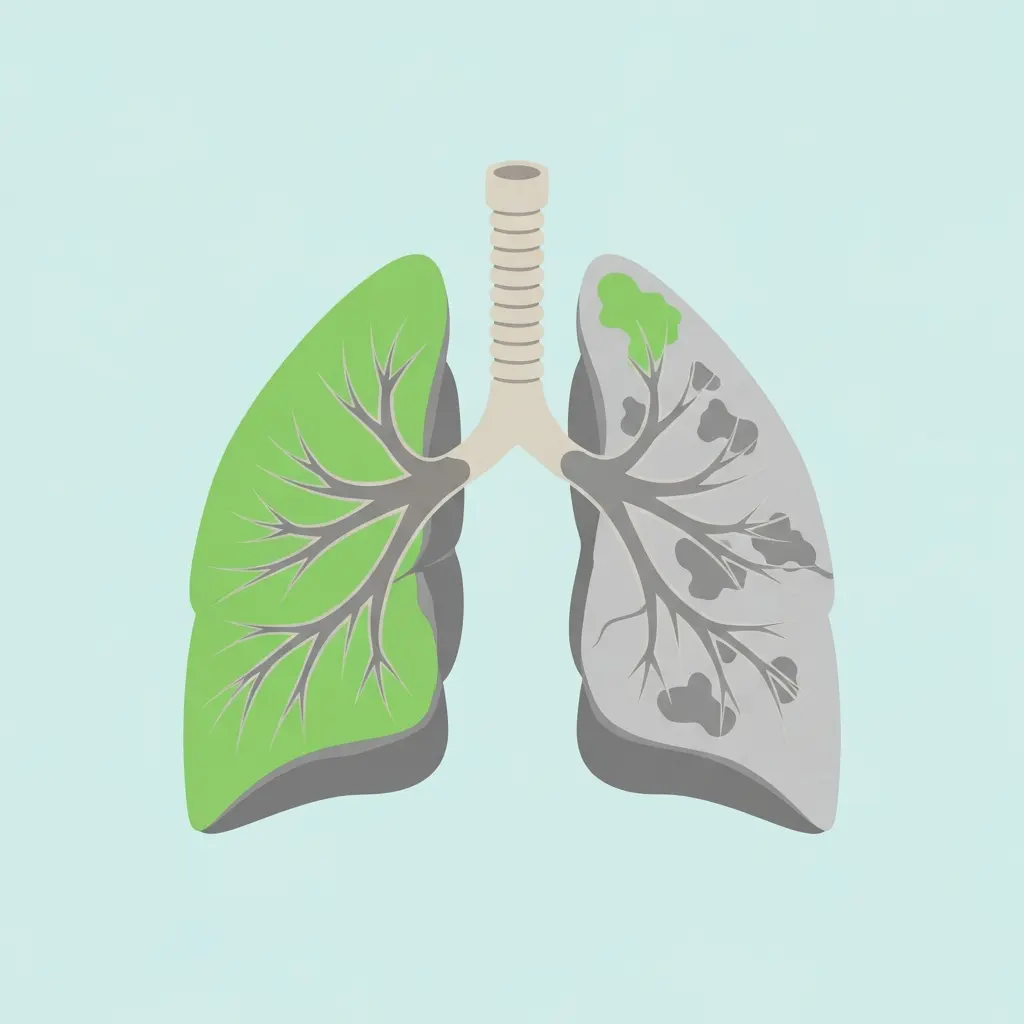
The cumulative result of long-term exposure: thickened airway walls, destroyed alveoli, reduced lung capacity, impaired immune response, and substantially elevated cancer risk. A 40-year, pack-a-day smoker will have measurably smaller lungs — in terms of functional volume — than a comparable non-smoker.
The Lung Healing Timeline After Quitting
The body begins repairing lung damage almost immediately after cessation. Here is what the evidence shows across a 15-year timeline:
| Time After Quitting | Lung Changes |
|---|---|
| 72 hours | Bronchial tubes begin to relax; breathing becomes slightly easier |
| 1–9 months | Cilia regrow in airways; coughing and shortness of breath decrease; mucus clearance improves |
| 1 year | Lung function increases by up to 10%; coughing and wheezing significantly reduced |
| 5 years | Stroke risk normalises; lung cancer risk halved compared to continuing smoker |
| 10 years | Lung cancer risk reduced to approximately half that of a continuing smoker |
| 15 years | Lung cancer risk approaches (but does not fully equal) that of a lifetime non-smoker |
A landmark 2020 study published in Nature by researchers at the Wellcome Sanger Institute found that some cells in the airways of former smokers were genetically “normal” — carrying no more mutations than lung cells from non-smokers. These cells, which had somehow escaped carcinogenic damage, proliferated after quitting to gradually replace damaged cells. This discovery confirmed that even after decades of smoking, lungs retain regenerative capacity.
What Is Reversible vs Permanent
Understanding what can and cannot recover sets realistic expectations:
Reversible (improves significantly after quitting):
- Chronic bronchitis symptoms (cough, excess mucus)
- Airway inflammation and narrowing
- Impaired cilia function
- Lung cancer risk (reduces progressively)
- Lung immune cell function
- Lung function (FEV1 — forced expiratory volume)
Largely permanent (may not fully reverse):
- Emphysema — destroyed alveolar walls do not regenerate
- Severe COPD-related structural changes
- Established scar tissue (fibrosis)
- Some loss of lung capacity in long-term heavy smokers
The key insight is that even where damage is permanent, quitting prevents further deterioration and allows the healthy remaining lung tissue to function more effectively. COPD does not get better after quitting, but it gets dramatically worse more slowly — a distinction that is clinically meaningful for quality and length of life.
COPD and Emphysema: Can They Improve?
Chronic Obstructive Pulmonary Disease affects approximately 300 million people globally, according to WHO 2026 estimates. The most honest answer is: COPD does not reverse, but it can stabilise. Studies show that smokers who quit experience a slower decline in lung function (measured by FEV1) than those who continue, and in some cases, lung function improves modestly in the first year after cessation.
For emphysema specifically — the destruction of alveolar walls that creates the characteristic “barrel chest” and severe breathlessness — current medicine cannot restore lost tissue. However, research into lung stem cell therapy is advancing rapidly. Trials in 2024–2025 using mesenchymal stem cells showed limited but promising early results in restoring small areas of alveolar tissue in severe emphysema patients.
For anyone with COPD, quitting smoking is the single most effective intervention. No inhaler, no drug, and no surgical procedure offers the same magnitude of benefit as cessation. Pulmonologists consistently rank quitting above all other treatments in their COPD management guidelines.
Lung Cancer Risk Reduction After Quitting
Lung cancer is the most feared smoking complication, and for good reason — it accounts for approximately 1.8 million deaths per year globally (WHO, 2024). The good news is that cessation produces measurable risk reduction within years, not decades:
- 5 years after quitting: Lung cancer risk drops by roughly 40% compared to a continuing smoker.
- 10 years after quitting: Risk reduced by approximately 50%.
- 15–20 years after quitting: Risk approaches that of a lifetime non-smoker, though never fully equals it for long-term former smokers.
These reductions hold regardless of age at cessation or length of smoking history, though quitting earlier produces greater lifetime benefit. A 65-year-old who smoked for 40 years still reduces their cancer risk by quitting — the Nature study’s finding about surviving normal cells proliferating post-cessation offers a cellular explanation for why this works.
Monitoring your health improvements over time — including respiratory metrics — can be enormously motivating. Tracking systems that show daily and weekly progress, similar to how content teams track SEO performance milestones, help former smokers see concrete evidence that their body is recovering, reinforcing the decision to stay quit.
How to Support Lung Recovery After Quitting
You can actively accelerate and support lung healing after quitting:
- Aerobic exercise: Walking, cycling, or swimming stimulates deeper breathing and strengthens respiratory muscles. Start gently — even 20 minutes of walking 3 times per week improves lung function measurably within weeks.
- Deep breathing exercises: Diaphragmatic breathing and pursed-lip breathing help re-expand collapsed small airways and improve oxygen exchange. Pulmonary rehabilitation programmes teach these formally.
- Stay hydrated: Adequate water intake helps thin mucus, making it easier for recovering cilia to clear airways. Aim for 6–8 glasses of water daily.
- Avoid secondhand smoke and air pollution: Your newly healing lungs are more sensitive than ever to chemical irritants. Minimise exposure to polluted environments, especially in the first year.
- Eat antioxidant-rich foods: Vitamins C and E, beta-carotene, and flavonoids (found in fruits, vegetables, and green tea) help neutralise free radicals and support cellular repair in lung tissue.
- Get vaccinated: Former smokers have elevated infection risk. Annual influenza vaccine and pneumococcal vaccine are strongly recommended by the CDC and NHS for ex-smokers.
- Consider pulmonary rehabilitation: For those with COPD or significantly reduced lung function, a supervised rehabilitation programme combining exercise, education, and support produces the best recovery outcomes.
Staying smoke-free is the single most important thing you can do. Every cigarette you don’t smoke is a gift to your healing lungs. The iQuit Smoking app tracks your daily progress, shows real-time health milestone improvements including lung recovery estimates, and provides an AI coach to help you through cravings that might otherwise pull you back. Start your recovery journey today.
Frequently Asked Questions
Can your lungs fully recover after smoking for 20 years?
Partially. Lung function improves significantly and lung cancer risk reduces substantially, but some structural damage (especially if COPD or emphysema has developed) is permanent. However, “full recovery” in terms of cancer risk reduction and functional lung capacity improvement is achievable to a significant degree even after 20 years of smoking, particularly if you quit before age 50.
How long after quitting smoking does your breathing improve?
Most people notice improved breathing within 1–9 months. Cilia in the airways begin regenerating within weeks, improving mucus clearance and reducing cough. Lung function (FEV1) increases measurably within 1 year. Exercise tolerance typically improves within 2–3 months as circulation and oxygen delivery improve.
Is it too late to quit smoking at 60 or 70?
It is never too late. Research published in the BMJ shows that people who quit between 55 and 65 gain an average of 4 years of life compared to those who continue. Those who quit at 65 still see significant reductions in heart disease risk, lung cancer risk, and respiratory symptoms. The body retains remarkable regenerative capacity at any age.
Does quitting smoking clean your lungs?
Yes, in a functional sense. Cilia — tiny hair-like structures that sweep debris and mucus from airways — begin regrowing within weeks of quitting. Over months, they clear accumulated tar and residue, improving mucus clearance. Lung immune cells (alveolar macrophages) also recover, becoming more effective at removing particles and fighting infection.
What is the first sign that your lungs are healing after quitting smoking?
The first noticeable sign is usually easier breathing — less effort required on exertion. Many ex-smokers also notice a productive cough in the first 1–3 months, which is actually a positive sign: recovering cilia are actively clearing accumulated mucus and debris. Reduced morning cough and improved sense of smell and taste also appear within days to weeks.
Can exercise speed up lung recovery after quitting smoking?
Yes. Regular aerobic exercise stimulates deeper breathing, strengthens respiratory muscles, and promotes circulation to healing lung tissue. A 2023 study in the European Respiratory Journal found that former smokers who engaged in moderate aerobic exercise showed significantly faster recovery of FEV1 (forced expiratory volume) compared to sedentary former smokers over a 6-month period.
Will my chest X-ray look normal after quitting smoking?
Chest X-rays can appear closer to normal over time after quitting, but this depends on how much damage was done. Chronic inflammation and mucus congestion visible on imaging can improve substantially. However, emphysematous changes, fibrosis, or any established structural changes will likely remain visible. CT lung cancer screening is recommended for long-term former heavy smokers — discuss timing with your doctor.
Sources: Nature — Evidence for DNA damage repair in airways of ex-smokers (Wellcome Sanger Institute, 2020); WHO COPD and smoking statistics 2024; NHS Quit Smoking guidance; CDC — Health Benefits of Quitting; European Respiratory Journal — Exercise and lung function in former smokers (2023).