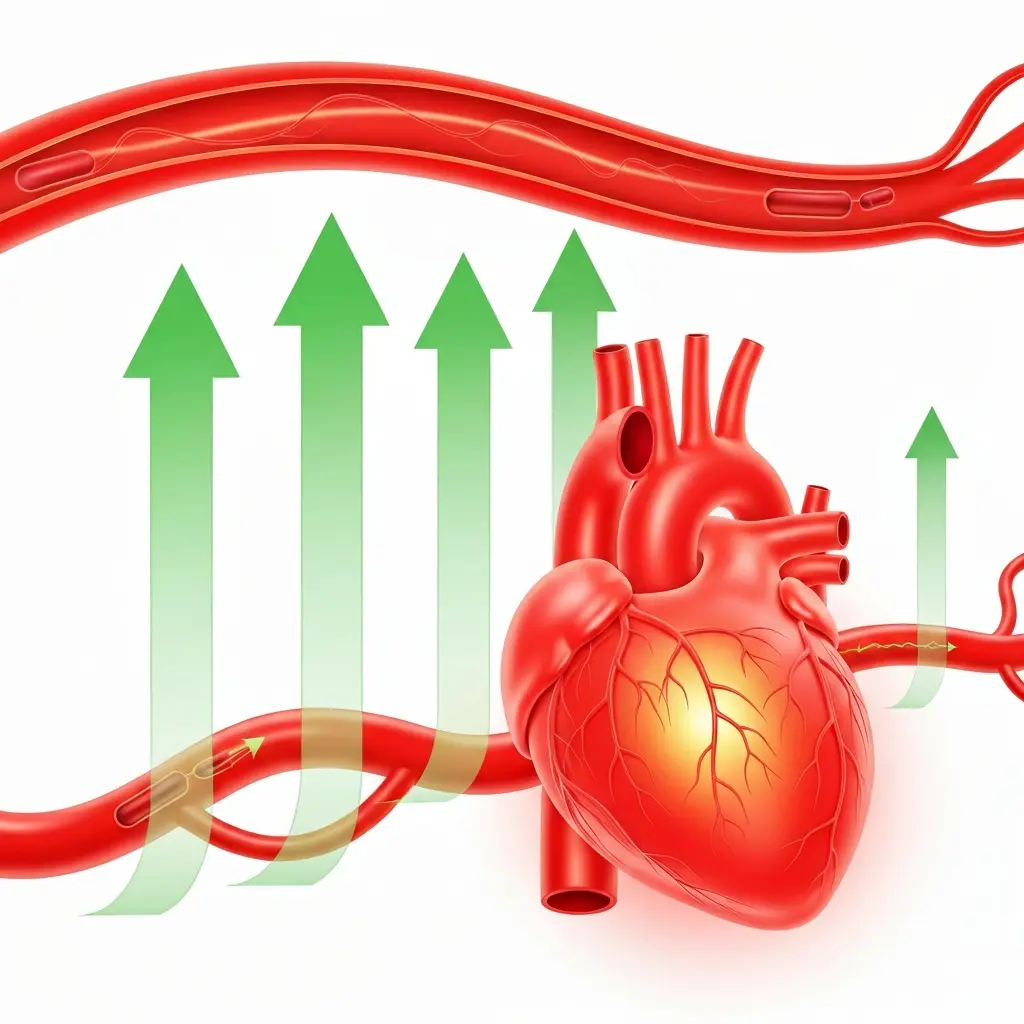
Heart Disease Risk After Quitting Smoking: How Fast Does Your Heart Heal?
Cardiovascular disease is the leading cause of death among smokers — and it is also the domain where quitting smoking delivers some of its most dramatic and rapid health benefits. Understanding how heart disease risk after quitting smoking decreases over time — from the first 20 minutes to fifteen years later — provides some of the most compelling evidence that quitting at any age is worth doing.
According to the American Heart Association, smoking is responsible for approximately 20% of all deaths from cardiovascular disease in the United States. But the good news is that much of this elevated risk is reversible. The heart and cardiovascular system are remarkably adaptable, and the trajectory of risk reduction after quitting is steep, measurable, and begins within minutes.
How Smoking Damages the Heart
To understand how dramatically quitting helps, it helps to understand exactly what smoking does to the cardiovascular system:
- Nicotine raises heart rate and blood pressure, forcing the heart to work harder at rest. Over years, this contributes to left ventricular hypertrophy and increased cardiac workload.
- Carbon monoxide binds to haemoglobin more readily than oxygen, reducing the blood’s oxygen-carrying capacity by up to 15% in heavy smokers — meaning the heart must pump harder to deliver the same oxygen to tissues.
- Tobacco chemicals damage the endothelial cells lining blood vessels, promoting atherosclerosis (plaque buildup) and increasing the risk of blood clots.
- Inflammation from smoking byproducts elevates systemic inflammatory markers (CRP, fibrinogen), which are independent risk factors for cardiovascular events.
- HDL cholesterol (the “good” cholesterol) is suppressed by smoking, while LDL oxidation — a key driver of plaque formation — is accelerated.
Heart Recovery Timeline: Minute by Minute to Year 15
| Time Since Quitting | Cardiovascular Change | Source |
|---|---|---|
| 20 minutes | Heart rate drops toward normal. Blood pressure begins falling. Peripheral circulation improves. | CDC |
| 12 hours | Carbon monoxide clears from blood. Blood oxygen normalizes. Heart pumping efficiency improves. | ACS |
| 24 hours | Risk of heart attack begins dropping. Adrenaline stimulation from nicotine ceases. | NHS |
| 2 weeks – 3 months | Circulation significantly improved. Blood viscosity decreasing. Exercise capacity increasing. | CDC |
| 1 year | Coronary heart disease risk is half that of a current smoker. HDL cholesterol has improved. | WHO, AHA |
| 5 years | Stroke risk reduced to that of a non-smoker. Arterial stiffness significantly improved. | ACS |
| 10 years | Coronary heart disease risk continues falling. Atherosclerotic plaque progression halted. | CDC |
| 15 years | Cardiovascular risk equivalent to that of a person who has never smoked. | WHO |
Heart Attack Risk: The Numbers
The risk of heart attack (myocardial infarction) is one of the most sensitive cardiovascular metrics to quitting. Smokers have 2–4 times the risk of heart attack compared to non-smokers. The risk begins falling within 24 hours of quitting and declines at a rate that research from multiple longitudinal cohort studies has mapped in detail.
A key study published in the British Medical Journal followed over 10,000 former smokers and found that within one year of quitting, heart attack risk dropped by approximately 50%. Within five years, it was approaching the level of never-smokers. This is one of the fastest risk reductions of any preventive health intervention ever documented.
For smokers who have already experienced a heart attack, quitting smoking reduces the risk of a second heart attack by approximately 50%. The European Heart Journal recommends smoking cessation as the single most effective cardiac rehabilitation intervention available — more powerful than any drug therapy for secondary prevention.
Stroke Risk After Quitting
Smoking doubles the risk of ischemic stroke (blockage-type stroke) and significantly increases the risk of hemorrhagic stroke (bleeding stroke). After quitting:
- Within 5 years: Stroke risk drops to the same level as a non-smoker, according to multiple large cohort studies including the Framingham Heart Study
- Within 2–4 years: Even lighter ex-smokers see stroke risk approaching non-smoker levels
The rapid normalization of stroke risk after quitting reflects the acute mechanisms of smoking’s effect on clotting and blood vessel function — factors that normalize relatively quickly once the chemical insult from tobacco smoke ceases.
The Biological Mechanisms of Cardiovascular Recovery
The speed of cardiovascular recovery after quitting relates directly to which mechanisms of damage are involved:
Rapid Recovery (Hours to Weeks)
Carbon monoxide clearance, heart rate normalization, blood pressure reduction, and improved oxygen delivery — these begin within minutes to hours and largely complete within days to weeks. They reflect the removal of the acute chemical insult of nicotine and CO rather than the reversal of structural damage.
Medium-Term Recovery (Months to 1–2 Years)
Endothelial function (the health of blood vessel linings) begins recovering. HDL cholesterol rises. Systemic inflammation markers (CRP, fibrinogen) normalize. Platelet function (clot-forming tendency) decreases to non-smoker levels. These mechanisms explain the rapid heart disease risk reduction in the first year.
Long-Term Recovery (5–15 Years)
Atherosclerotic plaque does not reverse rapidly, but plaque progression halts when smoking ceases. Over years, plaques may stabilize and reduce in volume with healthy lifestyle maintenance. Arterial stiffness (a predictor of cardiovascular events independent of plaque) gradually normalizes.
Factors That Affect Recovery Speed
The rate of cardiovascular risk reduction after quitting varies based on:
- Years smoked: Longer smoking history means more structural damage; recovery is still substantial but baseline risk is higher
- Cigarettes per day: Heavy smokers have more severe endothelial damage and atherosclerotic burden
- Age at quitting: Younger quitters have more time to benefit from recovery; quitting before 40 reduces lifetime cardiovascular risk by approximately 90%
- Comorbidities: Existing hypertension, diabetes, or elevated cholesterol affect cardiovascular baseline and recovery trajectory
- Exercise: Regular aerobic exercise after quitting accelerates cardiovascular recovery by improving endothelial function, HDL levels, and cardiac efficiency
The iQuit app tracks your cardiovascular milestones — including the 24-hour heart attack risk drop, the one-year 50% risk reduction, and the five-year stroke normalization — in real time, giving you a precise picture of your heart’s recovery. For more detail on the complete health recovery picture, see our guide to what happens when you quit smoking. Academic research databases like Tesify provide access to the cardiovascular studies underlying these recovery timelines for health professionals and researchers.
Frequently Asked Questions
How much does quitting smoking reduce heart disease risk?
Within one year of quitting, coronary heart disease risk is halved compared to a current smoker. Within five years, stroke risk equals that of a non-smoker. Within fifteen years, overall cardiovascular risk is equivalent to someone who has never smoked. The rate of recovery is one of the steepest cardiovascular risk reductions documented for any modifiable risk factor.
How quickly does blood pressure improve after quitting smoking?
Blood pressure begins normalizing within 20 minutes of the last cigarette, as heart rate drops and nicotine-driven vasoconstrictive effects begin reversing. Sustained blood pressure improvement continues over the following days to weeks as nicotine and carbon monoxide are fully cleared and vascular tone normalizes.
Can quitting smoking reverse heart disease?
Quitting smoking does not reverse established atherosclerotic plaque, but it halts progression and allows partial stabilization over time. More importantly, it dramatically reduces the risk of the acute events (heart attack, stroke) that plaque creates — through normalization of clotting, inflammation, blood pressure, and endothelial function. The net cardiovascular benefit of quitting is substantial at any stage of disease.
Is it too late to reduce heart disease risk after smoking for 30 years?
No. Even after 30 or more years of smoking, quitting produces measurable cardiovascular benefits. Heart attack risk begins dropping within 24 hours. The absolute risk reduction may be smaller than for someone who quits young (because baseline risk is higher), but the relative improvement is proportionally similar. The WHO and American Heart Association both state clearly that it is never too late to quit and benefit.
Watch Your Heart Health Recover in Real Time
iQuit tracks your cardiovascular recovery milestones automatically — from your 20-minute heart rate improvement to your one-year heart disease risk halving.