How to Quit Smoking Without Gaining Weight: Evidence-Based Strategies for 2026
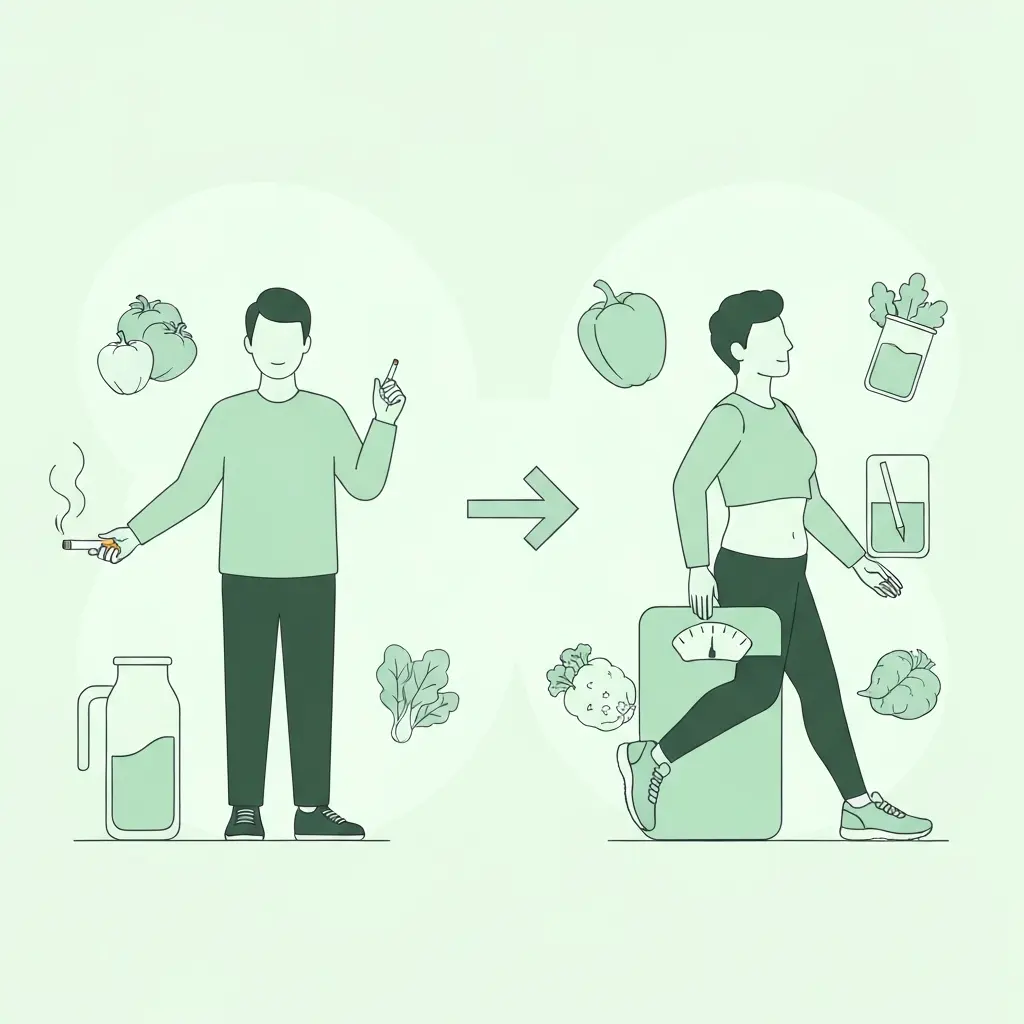
Weight gain after quitting smoking is one of the most commonly cited reasons people either don’t quit or relapse after quitting. Knowing how to quit smoking without gaining weight requires understanding what actually causes the gain — and there are several distinct mechanisms, each with specific management strategies. The good news: with the right approach, you can substantially minimize weight gain without making your quit attempt harder.
The bad news upfront: some weight gain is common and expected. The average post-cessation weight gain is 4–5 kg over the first year. However, this is not inevitable, it is largely reversible, and — critically — it is far outweighed by the cardiovascular and metabolic benefits of not smoking. A 4 kg weight gain is a health non-event compared to eliminating a major cause of heart disease, stroke, and cancer from your life.
Why Quitting Smoking Causes Weight Gain
Post-cessation weight gain has multiple distinct mechanisms, and understanding them shows why different strategies target different aspects:
1. Metabolic rate decrease
Nicotine is a stimulant that increases metabolic rate by approximately 200 calories per day in regular smokers. When nicotine is removed, metabolism returns to its natural (lower) baseline. You burn fewer calories without nicotine, meaning the same dietary intake produces a small caloric surplus.
2. Appetite suppression removal
Nicotine suppresses appetite through hypothalamic mechanisms. Without it, appetite increases — particularly for sweet and high-calorie foods. This is both physiological (the brain is seeking compensatory dopamine rewards through food) and behavioral (food is used as a substitute reward).
3. Oral substitution
Many people replace the behavioral habit of smoking — the hand-to-mouth ritual, the oral stimulation — with snacking. This is entirely behavioral, not pharmacological, and is addressed through behavioral substitution strategies.
4. Improved taste and smell
Within days to weeks of quitting, taste and smell improve dramatically. Food tastes better, which can increase food intake and enjoyment. This is a positive effect of quitting that incidentally contributes to eating more.
5. Reward substitution
Nicotine activates dopamine reward pathways. Removing this reward creates a deficit that the brain seeks to fill — often through food, which is the most accessible alternative dopamine source. Sugar and carbohydrates are particularly craved because they produce rapid dopamine responses.
How Much Weight Do People Typically Gain?
| Timeframe | Average Weight Gain | Notes |
|---|---|---|
| First month | 1–2 kg | Rapid initial gain; appetite increase and oral substitution dominant |
| 3 months | 3–4 kg | Metabolic adjustment settling |
| 6 months | 4–5 kg | Peak weight gain for most people |
| 12 months | 4–5 kg | Stabilizes; manageable with moderate dietary and exercise adjustments |
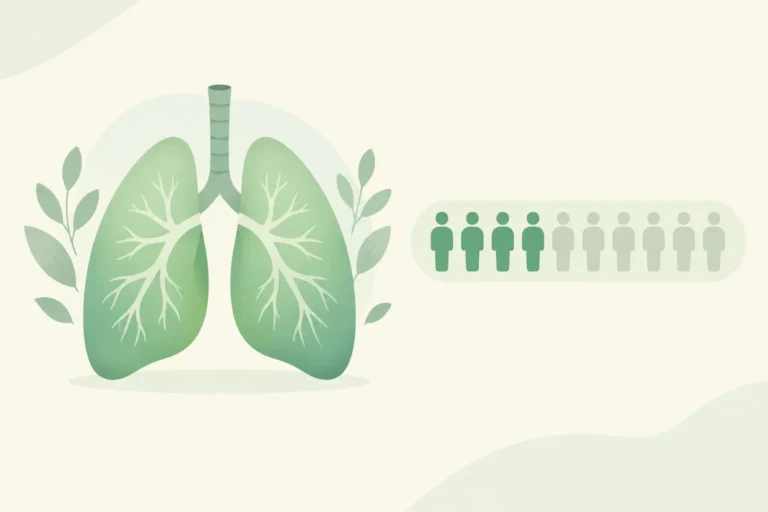
About 16–21% of quitters gain 10+ kg. About 16% of quitters lose weight. Many people gradually return to or near pre-quit weight within 1–3 years, particularly those who become more physically active.
10 Evidence-Based Strategies to Minimize Weight Gain
1. Use Nicotine Gum as Your Primary Fast-Acting NRT
Nicotine gum is a uniquely advantageous NRT choice for weight management: it simultaneously provides nicotine (reducing metabolic slowdown and appetite increase) AND provides oral substitution (addressing the hand-to-mouth habit with a non-caloric option). Multiple studies have found nicotine gum associated with lower post-cessation weight gain than other NRT forms.
2. Increase Physical Activity — But Start Before Your Quit Date
Exercise addresses post-cessation weight gain in two ways: it compensates for the metabolic rate decrease from nicotine removal, and it provides a non-food dopamine source that reduces reward substitution through eating. Start increasing activity 2 weeks before your quit date to establish the habit before withdrawal begins.
3. Prepare High-Volume, Low-Calorie Oral Substitutes
Stock your home and workplace with: raw vegetables (carrots, celery, cucumber), air-popped popcorn, sugar-free gum, ice chips, herbal teas, and fruit. These satisfy the oral substitution drive with minimal caloric impact.
4. Eat Structured Meals — Don’t Skip
Skipping meals amplifies the appetite increase already present from nicotine removal. Regular meal timing (breakfast, lunch, dinner with planned snacks) prevents the hunger-driven impulse eating that drives weight gain. Protein-rich meals are particularly effective — protein increases satiety and has a higher thermic effect (burns more calories during digestion) than carbohydrates or fat.
5. Use Varenicline if Prescription-Appropriate
Varenicline has been shown in clinical trials to delay post-cessation weight gain compared to placebo and NRT during the active medication period. It partially satisfies nicotinic receptor activity, which may moderate the appetite and metabolic changes of cessation. Discuss with your doctor if weight management is a significant concern alongside quitting.
6. Address Emotional Eating
Many quitters use food to manage the stress and anxiety of withdrawal — the same emotion-regulation function that smoking was serving. Developing non-food emotional coping strategies (exercise, social connection, creative activities) reduces emotional eating specifically. Journaling, walking, or calling a friend when stressed are more effective long-term than reaching for food.
7. Reduce Alcohol
Alcohol both reduces inhibition around eating decisions and is associated with smoking triggers. Reducing alcohol intake in the first 3 months serves double duty: it reduces post-cessation weight gain and removes a major relapse trigger.
8. Increase Protein and Fiber Intake
Protein and dietary fiber are the two macronutrient categories with the strongest satiety effects — they keep you fuller longer on fewer calories. Practical adjustments: add a protein source to every meal, increase vegetables and legumes, and reduce refined carbohydrates (which produce rapid blood sugar spikes and crashes that increase hunger).
9. Track Food Intake (App-Based)
A food tracking app provides the same awareness benefit as tracking cigarette consumption: it makes unconscious eating conscious and reveals patterns. Many quitters are surprised by how much unconscious snacking is happening during withdrawal. Visibility enables better choices.
10. Separate Weight and Quit Goals
Don’t try to lose weight while quitting — this is a critical recommendation from cessation researchers. Simultaneously managing two difficult behavioral challenges increases stress, failure risk at both, and creates a conflict where diet failures undermine quit motivation and vice versa. Set an explicit priority: quitting is the primary goal. Weight management begins after 3–6 months of stable abstinence.
NRT and Weight: What the Research Shows
Research on NRT and post-cessation weight gain shows:
- All NRT forms attenuate post-cessation weight gain during the active NRT period
- Nicotine gum shows the strongest weight-control effect among NRT forms, likely due to combined pharmacological and oral substitution mechanisms
- After NRT is discontinued, some additional weight gain may occur as nicotine’s metabolic effects are fully removed
- Long-term NRT use (beyond labeled duration) for weight management is an active area of research
The iQuit app helps track progress across both dimensions — your smoke-free time and your craving patterns. Combined with other tracking tools, it provides the data-driven awareness that makes both quitting and weight management more effective. The same principle that makes data analytics platforms valuable for business decisions applies here: visibility and pattern recognition are the foundation of better choices.
Exercise: The Most Effective Dual-Action Strategy
Exercise is uniquely effective for post-cessation weight management because it addresses both the metabolic and behavioral dimensions simultaneously:
- Metabolic compensation: Regular exercise replaces some of the calories-burned reduction from nicotine removal
- Dopamine replacement: Exercise activates the same dopamine reward pathways that nicotine and food activate, reducing the reward-substitution drive through eating
- Craving reduction: Exercise reduces craving intensity — so it helps you quit better AND helps with weight
- Stress management: Exercise reduces cortisol, which reduces stress-driven eating
- Behavioral habit: A walking habit installed as a quit-smoking tool becomes the foundation of sustained physical activity
The most sustainable approach: walking as your primary exercise habit. A daily 30-minute walk burns approximately 150–200 calories, addresses all five mechanisms above, requires no equipment or gym membership, and can be built into existing routines (walking to work, lunchtime walk, evening walk after dinner).
Why You Should NOT Diet While Quitting
This bears emphasis because it contradicts the intuition of many quitters. The evidence on simultaneous dieting and quitting is clear:
- Caloric restriction increases cortisol (stress hormone), which amplifies withdrawal irritability and craving intensity
- Hunger is a powerful smoking trigger for many people (the “H” in HALT — Hungry, Angry, Lonely, Tired)
- Managing two simultaneous behavioral restrictions (smoking and eating) depletes willpower and cognitive resources needed for both
- Weight-related frustration when diet adherence slips can trigger smoking relapse (“I’ve already failed at this…”)
The correct sequence: quit first, stabilize abstinence (3–6 months), then address weight. The 4–5 kg gained during quitting is nearly always reversible with moderate lifestyle changes after you’ve established a stable quit.
Long-Term Weight Management After Quitting
After 6 months of stable abstinence, addressing weight becomes much more straightforward — you’ve conquered the harder behavioral challenge. Strategies for this phase:
- Gradually build on existing exercise habits (30-minute walks → 40 minutes; add resistance training)
- Begin modest dietary adjustments (reduce refined carbohydrates, increase protein)
- Use the money saved from not buying cigarettes for a gym membership or healthier food budget
- Consider working with a registered dietitian for a personalized plan
The metabolic and cardiovascular improvements from quitting make exercise more effective and less effortful — lung function improvement, better circulation, and lower resting heart rate all support more productive physical activity. Most long-term ex-smokers eventually reach or surpass their pre-quit fitness levels.
Frequently Asked Questions
Is weight gain after quitting smoking inevitable?
No — about 16% of quitters actually lose weight. But average weight gain of 4–5 kg is common. With proactive strategies (nicotine gum, exercise, oral substitutes, structured meals), you can significantly reduce how much you gain. The critical perspective: even without any mitigation, the cardiovascular and cancer risk reduction from quitting dramatically outweighs the health impact of 4–5 kg of weight gain.
Why do you gain weight when you quit smoking?
Multiple mechanisms: nicotine increases metabolic rate by ~200 calories/day and suppresses appetite; when removed, both effects normalize. Food becomes a reward substitute for the dopamine previously provided by nicotine. The oral habit of smoking gets behaviorally substituted with snacking. Improved taste and smell make food more appealing. All of these are manageable with the right strategies.
Does nicotine gum help prevent weight gain after quitting?
Yes. Among NRT options, nicotine gum shows the strongest effect on minimizing post-cessation weight gain. It works through two mechanisms: it delivers nicotine (preserving some of the metabolic rate and appetite suppression effects) and it provides oral substitution (a non-caloric response to the hand-to-mouth habit). Many cessation clinicians specifically recommend gum for patients with weight concerns.
What foods help when quitting smoking?
Best foods to stock: raw vegetables (carrots, celery, cucumber), fresh fruit, high-protein snacks (Greek yogurt, nuts, hard-boiled eggs), air-popped popcorn, herbal tea, and sugar-free gum. These satisfy oral and hunger-related cravings with minimal caloric impact. Avoid keeping high-sugar, high-fat snack foods easily accessible — the brain will gravitate toward these for dopamine substitution during withdrawal.
Should I start a diet when I quit smoking?
No — cessation researchers consistently advise against simultaneous dieting and quitting. Caloric restriction increases stress and irritability, which amplifies withdrawal and relapse risk. It also depletes the cognitive and willpower resources needed for quitting. Focus entirely on quitting for the first 3–6 months. Once abstinence is stable, address weight with lifestyle adjustments — by which point you have additional motivation, better physical capacity, and the habit foundations already in place.
Will the weight gained after quitting come off eventually?
Yes, for most people. Research on long-term ex-smokers shows gradual weight normalization over 3–5 years, particularly in those who become more physically active. The metabolic improvements from quitting (better cardiovascular function, improved lung capacity, lower resting heart rate) make exercise progressively easier and more productive, supporting sustainable weight management.
How does exercise help with quitting and weight at the same time?
Exercise is the most effective dual-action tool for quitting and weight management simultaneously. It reduces craving intensity (10 min walk = 50 min of craving relief), provides a dopamine source that reduces reward substitution through food, compensates for the metabolic slowdown from nicotine removal, manages withdrawal stress and anxiety, and builds a physical activity habit that supports long-term weight management. Start walking daily from your quit day.
Is it healthier to smoke and stay thin or quit and gain weight?
Quitting and gaining weight is dramatically healthier. Smoking is associated with approximately 8 million deaths per year globally and causes heart disease, multiple cancers, COPD, and stroke. The health risk of a 4–5 kg weight gain is orders of magnitude smaller. Research on this specific question confirms that the cardiovascular benefits of quitting completely outweigh the modest risk from typical post-cessation weight gain, even in people with pre-existing cardiovascular disease.
Quit Smoking and Track Your Health — Not Just Your Weight
The iQuit app tracks your health recovery in real time — blood oxygen improvement, heart rate normalization, cardiovascular risk reduction — showing you the genuine health gains of quitting that far outweigh any concern about modest weight changes. Download free and see your health improving from day one.