
How Long Does Nicotine Withdrawal Last? 5 Quick Mood Fixes
Nicotine withdrawal hits hard — and it hits fast. Within hours of your last cigarette, your brain starts demanding what it’s used to getting. The irritability, the brain fog, the restless nights — if you’re in the middle of it, you know exactly what this feels like. And the burning question most quitters have isn’t why it’s happening. It’s when it stops.
The short answer is that the worst of nicotine withdrawal symptoms typically peak in the first 72 hours and ease substantially within 2–4 weeks. But the full picture — what happens to your mood, your heart, your lungs, and your mental health — is more nuanced, and knowing it can genuinely change how you approach quitting.
Nicotine Withdrawal Timeline: Hour by Hour, Week by Week
Most people expect withdrawal to be a week of discomfort and then smooth sailing. The reality is a bit more layered — but also far more manageable once you know what to expect.
Nicotine is a fast-acting substance. It reaches your brain in about 10 seconds after inhaling, triggering dopamine release. When you stop, your brain’s dopamine system doesn’t immediately self-correct. That gap is what withdrawal is — your nervous system recalibrating.
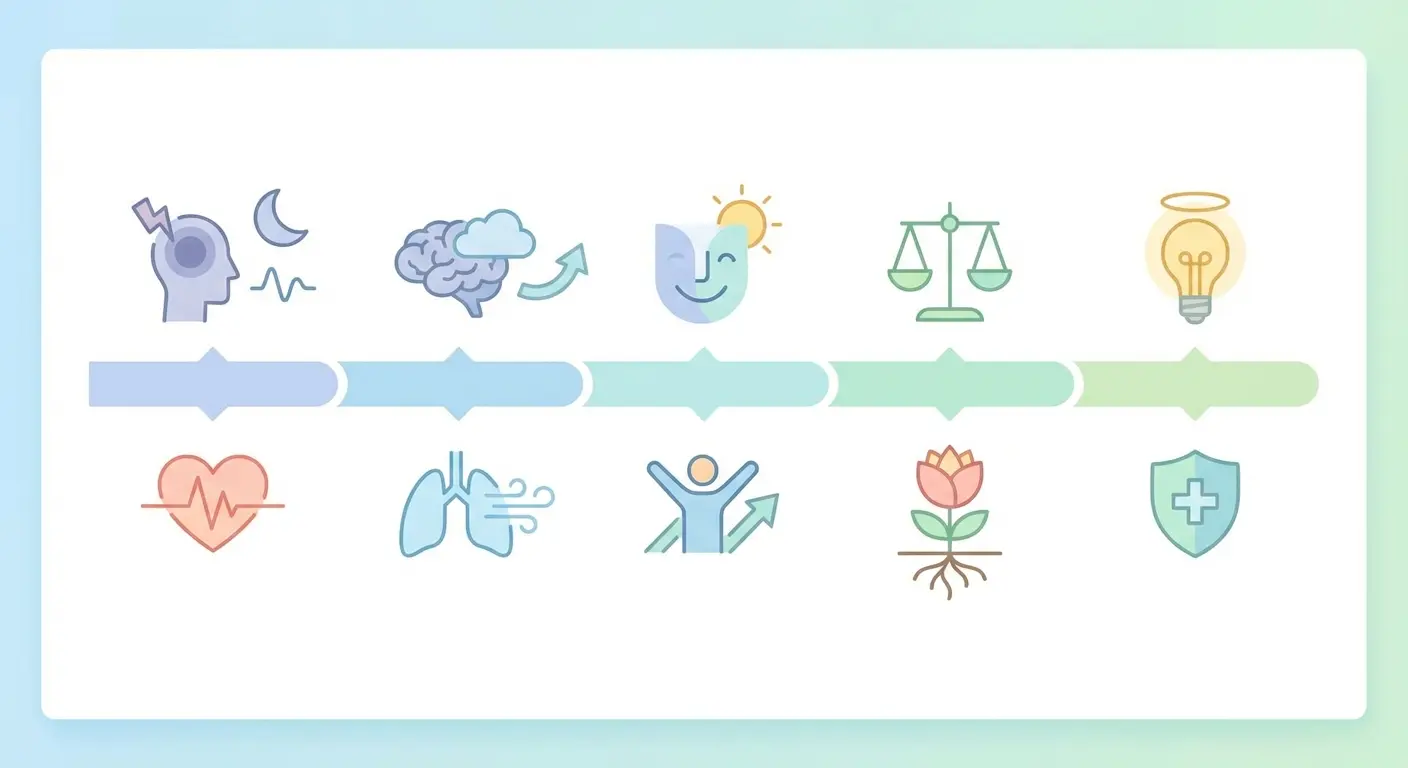
What happens when you quit smoking — broken down by time
| Time After Quitting | Physical Changes | Mental/Mood Changes |
|---|---|---|
| 20 minutes | Heart rate and blood pressure begin to drop | Mild restlessness may begin |
| 12 hours | Carbon monoxide levels normalize | Irritability, strong cravings start |
| 24–72 hours | Nicotine fully cleared from bloodstream; headaches common | Peak withdrawal — anxiety, anger, difficulty concentrating |
| 1–2 weeks | Circulation improving; coughing may increase briefly | Sleep disturbances, mood swings begin to stabilize |
| 2–4 weeks | Lung function measurably improving | Most acute symptoms resolve; cravings reduce in frequency |
| 3+ months | Cilia in lungs regenerating; energy levels up | Psychological cravings fade; mood baseline improves |
The 72-hour mark is the hardest window for most people. Knowing that ahead of time — and having a plan for those 72 hours — is one of the most underrated quit strategies there is. The top strategies for quitting smoking successfully all account for this critical early window.
Nicotine Withdrawal Symptoms You Should Expect
Here’s where it gets interesting — not all withdrawal symptoms are purely physical. The Mayo Clinic identifies nicotine dependence as involving both physical and behavioral components, which is why “just white-knuckling it” rarely works.
Common physical symptoms
- Headaches and dizziness — especially in the first 48 hours
- Increased appetite and weight gain — nicotine suppresses appetite; removing it does the opposite
- Fatigue — your body is doing real work recalibrating
- Coughing and throat irritation — counterintuitively, this often gets worse briefly as cilia start recovering
- Constipation or stomach upset — nicotine affects gut motility
Common psychological symptoms
- Intense cravings lasting 3–5 minutes each (but feeling eternal)
- Irritability and anger — often the symptom that damages relationships most
- Anxiety and restlessness
- Difficulty concentrating — sometimes called “quit brain”
- Depressed mood or low motivation
- Insomnia and vivid dreams
What most people miss is that cravings, despite feeling overwhelming, are time-limited. A single craving episode rarely lasts more than 5 minutes. That’s actually a very manageable window — if you have something to do during those 5 minutes.
Quit Smoking Benefits Timeline: What Happens to Your Body
Recovery isn’t linear, but it is measurable — and the numbers are worth knowing. Both the CDC’s benefits of quitting smoking resource and the NHS quitting smoking guide document specific physiological milestones that begin almost immediately after your last cigarette.
Here’s what the evidence consistently shows:
- 20 minutes after quitting: Heart rate drops toward normal range.
- 12 hours after quitting: Blood carbon monoxide levels normalize, meaning your blood can carry oxygen more efficiently.
- 2 weeks to 3 months: Circulation improves; lung function increases by up to 30%.
- 1 to 9 months: Coughing and shortness of breath decrease. Cilia in the lungs regrow and become functional again.
- 1 year after quitting: Risk of coronary heart disease drops to half that of a current smoker.
- 5 years after quitting: Stroke risk equals that of a non-smoker for many people.
- 10 years after quitting: Lung cancer death rate roughly half that of someone who continued smoking.
- 15 years after quitting: Coronary heart disease risk comparable to someone who never smoked.
A 2024 review published in PMC on cardiovascular effects of smoking and smoking cessation confirmed that cardiovascular risk reduction begins within days of quitting — not years. That’s not a motivational talking point; that’s biology.
If you want to watch these milestones in real time, apps like iQuit include a built-in health recovery timeline that shows exactly where you are on this journey, hour by hour. Seeing your progress tracked visually makes the abstract benefits feel concrete and immediate.
5 Quick Mood Fixes During Nicotine Withdrawal
Managing your mood during withdrawal isn’t just about comfort — it’s about preventing relapse. The majority of quit attempts that fail in the first two weeks are driven by emotional triggers, not just physical cravings. These five approaches are grounded in behavioral science, not wishful thinking.
1. Short Bursts of Exercise (Even a 10-Minute Walk)
Exercise triggers dopamine and endorphin release — essentially the same pathways nicotine was hijacking. A 10-minute brisk walk has been shown to reduce craving intensity for up to 50 minutes afterward. You don’t need a gym. You need to move your body when a craving hits.
2. Box Breathing for Acute Anxiety
Nicotine was functioning as an anxiolytic — it was suppressing anxiety. When it’s gone, anxiety spikes. Box breathing (4 seconds inhale, 4 hold, 4 exhale, 4 hold) activates your parasympathetic nervous system within 60–90 seconds. This isn’t a long-term fix, but it’s an excellent 5-minute emergency tool.
3. The “Delay-by-Ten” Distraction Rule
Tell yourself: if I still want to smoke in 10 minutes, I can think about it then. In almost every case, the craving peaks and subsides within that window. Pair this with a specific distraction task — text a friend, wash the dishes, do a crossword — and the success rate goes up significantly.
4. Social Accountability (and Who You Tell Matters)
People who told at least three people they were quitting — and who received active support from those people — had meaningfully higher quit rates than those who went it alone. This isn’t about cheerleading. It’s about having someone who checks in and doesn’t offer you cigarettes. Community-based support, including accountability circles available through apps like iQuit, can replicate this effect even if your immediate social network isn’t supportive.
5. Track the Wins, Not Just the Days
Most people track “days since last cigarette.” That’s useful, but tracking health milestones and money saved creates a richer feedback loop. Seeing that you’ve saved $147 in three weeks, or that your cardiovascular risk has measurably dropped, engages motivation differently than a day counter. It shifts the framing from “surviving without cigarettes” to “actively becoming healthier.”
For a broader framework of behavioral techniques during withdrawal, the effective strategies for quitting smoking resource covers how to structure your environment, manage triggers, and build momentum across the first critical weeks.
Mental Health After Quitting Smoking: The Honest Truth
There’s a persistent myth that quitting smoking will make your mental health worse — that smokers smoke to cope with stress and anxiety, and removing cigarettes removes the coping tool. The evidence tells a different story.
Multiple longitudinal studies have found that smokers who successfully quit report lower levels of anxiety, depression, and stress after quitting than they reported while smoking. The key phrase there is “successfully quit.” The process of quitting — especially the first 2–4 weeks — does involve genuine psychological discomfort. But the destination, not the journey, is what we’re comparing to.
Nicotine was never actually relieving stress. It was relieving nicotine withdrawal — which nicotine itself created. What feels like “stress relief” when you light up is your brain returning to baseline after going into withdrawal between cigarettes. Non-smokers don’t experience that relief because they don’t have the withdrawal in the first place.
This is one of those counterintuitive insights worth sitting with: the cigarette wasn’t treating your anxiety. It was causing a cycle of artificial anxiety and temporary relief that you mistook for stress management.
If you have a pre-existing mental health condition — particularly depression or anxiety — it’s worth speaking with your healthcare provider before quitting. Nicotine replacement therapy or medications like varenicline (Champix/Chantix) may help manage the transition without the mood destabilization. This won’t work for everyone the same way, but options exist and they’re worth exploring.
Your First 72-Hour Withdrawal Action Plan
The first 72 hours are your hardest window. Here’s a practical framework to get through them — and set yourself up for the weeks that follow.
- Before Day 1: Remove all cigarettes, lighters, and ashtrays from your environment. Tell three people you’re quitting. Download a tracking app or pick up a journal.
- Hour 1–12: Expect restlessness. Don’t fight it — channel it. Go for a walk. Drink water. Eat regular meals (hunger amplifies cravings).
- Hour 12–48: This is peak difficulty. Have your distraction tasks pre-planned. Box breathing is your friend. Keep your hands occupied.
- Hour 48–72: The physical nicotine is gone from your body. What you feel is psychological. Name it — “this is my brain adjusting, not a true emergency.”
- Days 4–7: Sleep disturbances may peak here. Limit caffeine after 2pm. Physical symptoms begin declining.
- Week 2–4: Cravings become less frequent though triggers can still catch you off guard. Identify your specific triggers (driving, coffee, stress at work) and plan for them specifically.
Apps like iQuit include daily missions and an SOS craving button specifically designed for moments when you need an immediate intervention — not just a motivational quote, but an active tool to redirect your attention. If you’re looking for structured daily support during the health effects and recovery timeline after quitting smoking, it’s worth exploring.
Frequently Asked Questions
How long do nicotine withdrawal symptoms last?
Nicotine withdrawal symptoms typically peak within the first 24–72 hours after quitting and most physical symptoms resolve within 2–4 weeks. Psychological symptoms like cravings and mood changes can persist for several weeks to months, though they diminish in intensity and frequency over time.
What happens when you quit smoking in terms of mood changes?
When you quit smoking, it’s common to experience irritability, anxiety, difficulty concentrating, and low mood in the first 1–4 weeks as your brain’s dopamine system recalibrates. Counterintuitively, research shows that most people report better long-term mood and lower anxiety after successfully quitting compared to when they were smoking.
What are the quit smoking benefits by timeline?
Benefits begin within 20 minutes of quitting (heart rate drops) and build over time: carbon monoxide normalizes at 12 hours, lung function improves 10–30% within 2–12 weeks, heart disease risk halves at 1 year, and stroke risk matches a non-smoker’s at 5 years. The CDC and NHS document these milestones in detail.
Why does quitting smoking make you feel worse before it gets better?
Nicotine rewires the brain’s reward and dopamine systems over time. When you remove it, your brain has fewer natural dopamine triggers until it re-adapts, which creates the depression, anxiety, and irritability of withdrawal. This adjustment period is temporary — most people feel measurably better by weeks 3–4.
Can nicotine withdrawal cause sleep problems?
Yes, insomnia and vivid dreams are recognized nicotine withdrawal symptoms, typically peaking in days 3–7. Nicotine affects brain wave activity and sleep architecture, so its removal causes a temporary disruption. Most people see sleep normalize within 2–4 weeks; limiting caffeine and maintaining a consistent sleep schedule helps significantly.
Is nicotine replacement therapy (NRT) helpful for withdrawal symptoms?
Yes — nicotine replacement therapy (patches, gum, lozenges) is clinically proven to reduce withdrawal symptom severity and increase quit success rates. NRT works by providing controlled, lower doses of nicotine without the harmful chemicals in cigarette smoke, allowing the brain to gradually recalibrate rather than going cold turkey.
Keep Going — The Hard Part Doesn’t Last Forever
If you’ve made it through the first few days, you’ve already done the hardest part. The next step is building the knowledge and support structure to stay quit — not just survive the withdrawal, but actually move through it with confidence.
Two resources worth bookmarking:
- Read the top strategies to quit smoking successfully to build your full quitting toolkit.
- Explore effective strategies for managing withdrawal and cravings for day-to-day behavioral techniques.
And if you want structured daily support, milestone tracking, and an SOS tool for craving moments, the iQuit app on Google Play is built around exactly the challenges this article describes — not just counting days, but actively guiding you through them.