
Nicotine Withdrawal Insomnia: Why It Happens and How to Sleep Better When Quitting (2026)
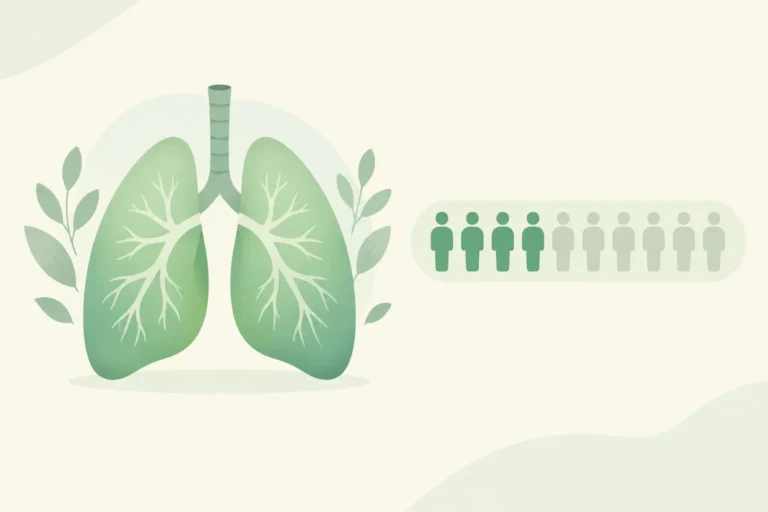
You have made the decision to quit smoking — one of the bravest things you can do. And then night two arrives: you lie awake at 2am, thoughts racing, unable to settle, wondering if you will ever sleep properly again. Nicotine withdrawal insomnia is one of the most common and disruptive symptoms of quitting, affecting an estimated 25–35% of people in the first one to two weeks. But here is the reassurance you need: it is temporary, it is predictable, and there are evidence-based strategies that genuinely help.
This guide explains exactly why your sleep is disturbed when you quit smoking, how long the disruption typically lasts, and the specific techniques — from sleep hygiene adjustments to targeted interventions — that help quitters get through the hardest nights and emerge well-rested on the other side.
Why Nicotine Withdrawal Causes Insomnia
Understanding why withdrawal disrupts sleep makes it less frightening and more manageable. Three mechanisms are at work:
1. Nicotine’s Role in Sleep Architecture
Nicotine is a stimulant that affects the sleep-wake cycle through multiple pathways. Nicotinic acetylcholine receptors are found throughout the brain, including in areas that regulate sleep. Regular nicotine use alters the normal functioning of these receptors, and when nicotine is withdrawn, it takes time for the system to rebalance. During this rebalancing, sleep architecture is disrupted — meaning the normal cycling between light sleep, deep sleep, and REM sleep does not proceed smoothly.
2. The Arousal Effect
Research from PMC’s analysis of nicotine withdrawal and cognitive function shows that nicotine withdrawal increases physiological arousal — the baseline level of nervous system activation. This elevated arousal competes directly with sleep onset, making it harder to fall asleep and easier to wake at night. The effect is most pronounced in the first 3–5 days.
3. Anxiety and Racing Thoughts
Nicotine withdrawal triggers anxiety in many people, and anxiety is one of the primary causes of insomnia. The nicotine addiction creates a baseline anxiety that cigarettes temporarily relieve; without that relief, the anxiety can feel amplified, particularly at night when there are fewer distractions. This connects to the broader relationship explored in our guide to nicotine addiction and anxiety.
How Long Does Withdrawal Insomnia Last?
Based on clinical research and the typical nicotine withdrawal timeline:
- Days 1–2: Sleep disruption typically begins as nicotine levels drop
- Days 3–5: Peak insomnia — most people report their worst sleep during this window as nicotine fully clears the system
- Days 6–14: Gradual improvement as acetylcholine receptors begin re-regulating; most people see measurable improvement by the end of the second week
- Weeks 3–4: Sleep largely normalises for most people; some may still experience occasional disrupted nights
- Month 2+: Sleep quality typically exceeds pre-quit levels, as cigarettes actually fragment sleep through overnight nicotine withdrawal even when smokers do not notice it
It is worth knowing that smokers’ sleep is worse than they realise, even before quitting. Research consistently shows that smokers have lower slow-wave (deep) sleep percentages and more frequent overnight arousals than non-smokers — even though they do not perceive this as poor sleep because it has always been their baseline.
NRT and Sleep: What You Need to Know
If you are using nicotine replacement therapy (NRT) patches to manage withdrawal, it is important to know that wearing a patch overnight can cause insomnia and vivid dreams. Nicotine patches deliver a continuous low dose throughout the night — which interferes with the natural nicotine clearance that happens during sleep and can produce vivid or disturbing dreams.
The practical solution: remove your patch before bed and replace it first thing in the morning. Most clinical guidelines (including NHS guidance) recommend this for people experiencing sleep disruption with 24-hour patches. Alternatively, switch to a 16-hour patch (designed to be worn only during waking hours) rather than a 24-hour patch.
Other NRT forms — gum, lozenges, inhalers — do not have the overnight delivery issue, as they are only active when you use them.
Evidence-Based Strategies for Better Sleep During Withdrawal
1. Caffeine Cut-Off: Earlier Than You Think
Nicotine increases the rate at which your body metabolises caffeine. When you quit smoking, caffeine stays in your system longer — some research suggests caffeine half-life effectively doubles after quitting. Your usual 3pm coffee may now be affecting your sleep as though you drank it at 6pm. Move your caffeine cut-off to 12–1pm during the first two weeks after quitting.
2. Progressive Muscle Relaxation
Progressive muscle relaxation (PMR) directly addresses the elevated physiological arousal that causes withdrawal insomnia. The technique involves systematically tensing and releasing muscle groups from feet to face, triggering the parasympathetic relaxation response. Numerous RCTs support PMR for sleep onset insomnia. Practice for 15–20 minutes in bed when sleep is elusive.
3. Sleep Restriction Therapy
Counterintuitively, one of the most effective evidence-based insomnia treatments involves briefly restricting your time in bed. If you are spending 8 hours in bed but only sleeping 5, compress your sleep window to 6 hours — get up at the same time each day regardless of how you slept, and do not go to bed until a specific time. This builds sleep pressure and re-synchronises your sleep drive. After a week, gradually extend the window as sleep efficiency improves.
4. Temperature Management
Core body temperature naturally drops when you fall asleep. A warm bath or shower 1–2 hours before bed accelerates this cooling process by temporarily raising surface temperature and then allowing it to drop. Research shows this reduces sleep onset latency by an average of 10 minutes — meaningful when you are struggling to fall asleep.
5. Exercise Timing
Moderate aerobic exercise (30 minutes, 3+ times/week) significantly improves sleep quality and is particularly effective during nicotine withdrawal. However, vigorous exercise within 3 hours of bedtime can worsen sleep onset for some people. Morning or early afternoon exercise produces the best sleep outcomes for quitters.
When to Consider Medication for Withdrawal Insomnia
For most people, the strategies above plus the reassurance that withdrawal insomnia is temporary are sufficient. However, if sleep disruption is severe enough to threaten your quit attempt — if exhaustion is making you more likely to relapse — medication options exist:
- Short-term sleep aids: Diphenhydramine or doxylamine (over-the-counter antihistamines with sedative effects) can be used for a few nights during the peak disruption period. They are not recommended for regular use but are appropriate for crisis management during days 3–5.
- Melatonin: Supports circadian rhythm re-regulation. Most effective for sleep onset problems (trouble falling asleep) rather than sleep maintenance problems (waking during the night). Doses of 0.5–3mg 30–60 minutes before bed.
- Prescription options: If insomnia persists beyond 4 weeks, speak to your GP. Short-term prescription sleep medication or low-dose antidepressants with sedative properties may be appropriate. Varenicline (Champix), which some people use for smoking cessation, also reduces some withdrawal symptoms that contribute to insomnia.
What Happens to Sleep Long-Term After Quitting
The long-term picture on sleep after quitting smoking is uniformly positive. Research consistently shows that ex-smokers experience:
- Increased slow-wave (deep) sleep percentage within 3–4 months
- Fewer overnight arousals and improved sleep continuity
- Reduced risk of sleep apnoea (smoking damages airway tissues and increases apnoea risk)
- Better perceived sleep quality
The disruption of weeks 1–2 is the price for meaningfully better sleep for the rest of your life. The health benefits of quitting smoking include sleep improvements that accumulate over months and years — alongside the lung recovery, cardiovascular improvements, and cancer risk reduction that are the better-known long-term benefits.
Using the iQuit app during this period means you can track your progress through the withdrawal window and see exactly how many days of hard nights remain. The visual progress tracker and health milestone notifications provide meaningful motivation when withdrawal symptoms are at their worst — reminding you that every sleepless night is one closer to the end of withdrawal and the beginning of genuinely better health.
Frequently Asked Questions
Is it normal to have nightmares when quitting smoking?
Yes, vivid dreams and nightmares are common during nicotine withdrawal, particularly in the first two weeks. They occur because of changes in REM sleep — nicotine withdrawal initially suppresses REM sleep, and as REM rebounds it can be more intense than usual. NRT patches worn overnight can worsen this effect; removing your patch before bed often reduces vivid dreams significantly.
How many hours of sleep can I expect when quitting smoking?
Sleep duration varies significantly during nicotine withdrawal. Most people report reduced total sleep time in the first week (perhaps 4–6 hours instead of their usual 7–8), with gradual improvement through week 2. By week 3–4, most people return to or exceed their pre-quit sleep duration. If you are sleeping fewer than 4 hours per night beyond the first week, discuss with a healthcare professional.
Does quitting smoking cold turkey cause worse insomnia than gradual reduction?
Cold turkey quitting does tend to produce more acute withdrawal symptoms in the first few days, including more severe insomnia, compared to gradual reduction. However, the total duration of significant withdrawal symptoms is similar between methods. Cold turkey produces a sharper, shorter peak; gradual reduction spreads the discomfort over a longer period. The difference in sleep disruption is real but modest — the strategies in this guide apply to both approaches.
Can sleep deprivation from withdrawal cause a relapse?
Yes — severe sleep deprivation impairs impulse control and decision-making, making cravings harder to resist. This is why managing withdrawal insomnia is not just a comfort issue; it is a direct quit-success strategy. If insomnia is severe enough to threaten your quit, short-term sleep support (OTC sleep aids for a few nights, or speaking to your GP) is entirely justified as a protective measure.
Why do I feel more tired during the day when quitting even if I slept?
Daytime fatigue after quitting is caused by two factors: disrupted sleep quality (even if total sleep time seems normal, the sleep architecture is fragmented, meaning less restorative deep sleep) and the removal of nicotine’s stimulant effect. Nicotine provides a sustained low-level stimulant effect throughout the day; without it, you are experiencing your natural baseline alertness, which feels subdued in comparison. This typically normalises within 2–3 weeks as your brain recalibrates.
Track Every Day of Your Quit Journey
The hardest nights of withdrawal are finite — but when you are in the middle of them, that can be hard to believe. The iQuit app shows you exactly where you are in the withdrawal process and how close the end of the hardest symptoms is. Every smoke-free day adds up: money saved, health recovered, sleep improving. Download iQuit free on Android and make your progress visible.