
Nicotine Withdrawal Symptoms: Reduce Cravings in 7 Days
Nicotine withdrawal symptoms hit harder than most people expect — and that surprise is often what sends quitters back to cigarettes within the first week. The irritability, the relentless cravings, the brain fog that makes a simple email feel impossible. If you’ve been through it, you know exactly what this feels like.
Here’s what the research actually shows: the worst of it is temporary. Peak withdrawal intensity for most people occurs between 24 and 72 hours after the last cigarette. By day 7, craving frequency drops measurably, and the physical symptoms begin to resolve. That first week is genuinely hard — but it’s also the finish line for the most intense phase.
This guide walks you through the complete nicotine withdrawal timeline, explains what’s happening in your body at each stage, and gives you a concrete day-by-day strategy to get through that critical first week.
What Is Nicotine Withdrawal?
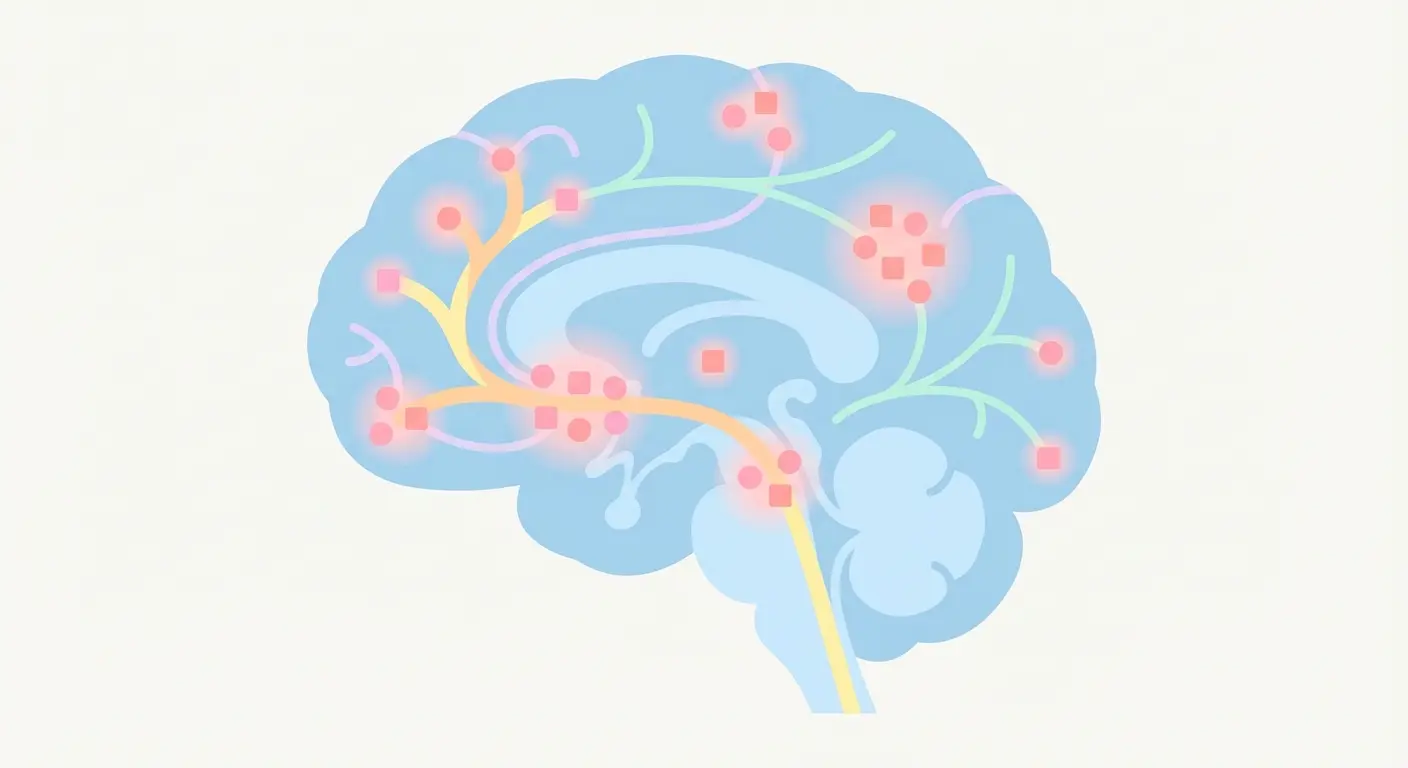
Nicotine is one of the most addictive substances known to pharmacology — not because it’s unusual, but because of how efficiently it works. Within 10 seconds of inhaling cigarette smoke, nicotine crosses the blood-brain barrier and binds to nicotinic acetylcholine receptors, triggering a dopamine release that the brain quickly learns to expect.
Over time, the brain compensates by increasing the number of these receptors. When nicotine is removed, those receptors are suddenly unoccupied — and the resulting neurochemical imbalance is what you experience as withdrawal. The Huberman Lab’s detailed breakdown of nicotine’s effects explains this receptor upregulation clearly, noting that it’s one reason quitting cold turkey produces such acute symptoms.
What most people miss is that withdrawal isn’t a sign something is going wrong — it’s evidence the body is recalibrating. The discomfort is temporary. The receptor count begins normalizing within days, which is precisely why that 7-day window matters so much.
Understanding the underlying biology of smoking addiction and why cravings occur can help you approach withdrawal with context rather than fear.
Nicotine Withdrawal Timeline: Hour by Hour
The nicotine withdrawal timeline follows a fairly predictable arc — though the intensity varies based on how long and how heavily you smoked, your genetics, and whether you’re using any cessation aids.
| Time Since Last Cigarette | What’s Happening | Symptoms Likely Felt | Intensity (1–10) |
|---|---|---|---|
| 2–4 Hours | Blood nicotine levels begin dropping | First cravings, mild restlessness | 3–4 |
| 8–12 Hours | Carbon monoxide levels normalizing | Headaches, anxiety, hunger | 4–5 |
| 24 Hours | Nicotine nearly cleared from bloodstream | Strong cravings, irritability, difficulty focusing | 6–7 |
| 48–72 Hours | Peak withdrawal — dopamine system recalibrating | Intense cravings, mood swings, insomnia, constipation | 7–9 |
| Days 4–7 | Brain receptors beginning to normalize | Craving frequency drops, energy improving | 4–6 |
| Weeks 2–4 | Physical recovery, appetite stabilizing | Occasional cravings, improved sleep, better breathing | 2–4 |
| 1–3 Months | Lung function recovering, taste/smell sharpening | Rare situational cravings, generally manageable | 1–3 |
One counterintuitive insight worth knowing: research published via the Cochrane evidence summary on smoking cessation treatments shows that combining behavioral support with pharmacotherapy roughly doubles long-term quit rates compared to willpower alone. The timeline above assumes no cessation aids; NRT can meaningfully blunt peak intensity.
The 48–72 hour window is when most people relapse. Knowing it’s coming — and having a specific plan for those 72 hours — changes the odds considerably.
Common Nicotine Withdrawal Symptoms Explained
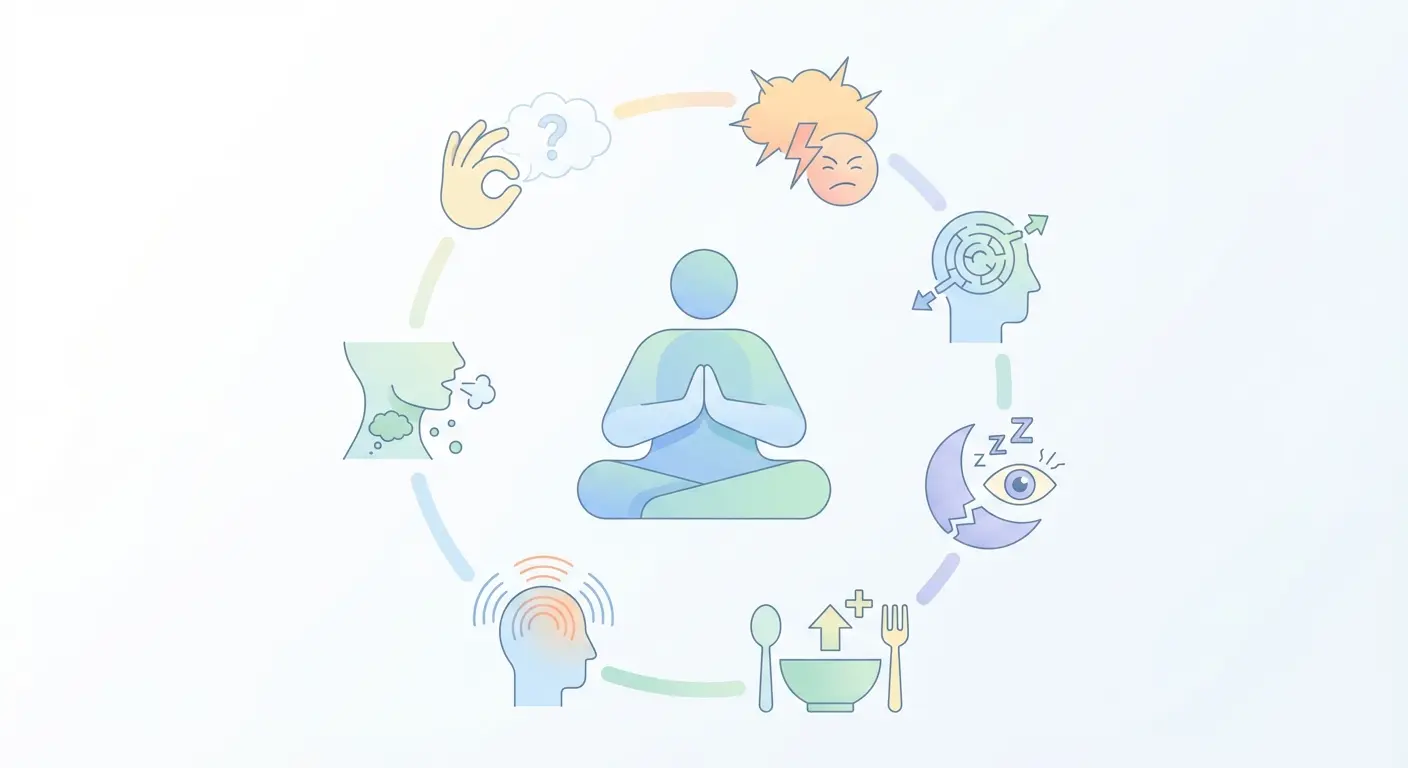
Not every quitter experiences every symptom, but the CDC identifies seven core withdrawal symptoms that appear most consistently. Understanding why each one happens removes some of the helplessness from the experience.
Cravings
Each craving wave typically lasts 3–5 minutes, though it feels much longer. The brain’s reward circuits fire in anticipation of nicotine that isn’t coming. Cravings are strongest when triggered by habitual cues — morning coffee, driving, after meals. Recognizing the cue-craving connection is the first step to breaking it.
Irritability and Anxiety
Nicotine suppresses the stress response by modulating cortisol. Without it, the nervous system temporarily overreacts. Many people describe this as “being on edge for no reason.” This symptom typically peaks around day 2–3 and resolves within 2–4 weeks for most people.
Difficulty Concentrating
Nicotine enhances cognitive performance in the short term by stimulating acetylcholine receptors. When those receptors are no longer being stimulated, focus and working memory temporarily suffer. This is especially acute in the first week. If your job demands precision during this window, it’s worth flagging to a manager if possible.
Sleep Disruption
Nicotine affects REM sleep architecture. Quitting disrupts those patterns temporarily, causing vivid dreams, difficulty falling asleep, or early waking. This is genuinely uncomfortable but usually normalizes within 1–2 weeks. Avoiding caffeine after noon helps significantly during this period.
Increased Appetite and Weight Gain
Nicotine suppresses appetite and raises metabolic rate slightly. Quitting removes both effects at once. The average short-term weight gain is around 5–10 pounds for many quitters, though this stabilizes. Channeling the increased appetite toward protein-heavy snacks — nuts, Greek yogurt, hard-boiled eggs — blunts the weight effect meaningfully.
Headaches and Physical Discomfort
Improved blood flow and oxygen delivery to the brain (a good thing) can paradoxically cause headaches in the first 24–48 hours. These resolve quickly. Staying well-hydrated reduces their frequency and intensity.
Coughing and Throat Irritation
Here’s one that surprises people: coughing often increases temporarily after quitting. Smoking paralyzes the cilia in your airways; when they start working again, they clear accumulated mucus. It’s uncomfortable but a genuine sign of recovery.
Quit Smoking Benefits Timeline: What Improves When
The quit smoking benefits timeline starts faster than most people realize — and that matters psychologically. Focusing on what’s improving, rather than only what’s uncomfortable, gives the brain a competing reward signal.
| Time Smoke-Free | Health Benefit | Body System |
|---|---|---|
| 20 Minutes | Heart rate and blood pressure drop | Cardiovascular |
| 8–12 Hours | Carbon monoxide levels normalize; blood oxygen rises | Respiratory / Blood |
| 24 Hours | Heart attack risk begins to decrease | Cardiovascular |
| 48 Hours | Nerve endings regenerating; taste and smell improving | Neurological / Sensory |
| 72 Hours | Bronchial tubes relax; breathing easier | Respiratory |
| 2 Weeks – 3 Months | Lung function improves up to 30%; circulation improves | Respiratory / Cardiovascular |
| 1–9 Months | Cilia regrow; reduced coughing and infections | Respiratory / Immune |
| 1 Year | Heart disease risk cut in half | Cardiovascular |
| 5 Years | Stroke risk equals that of a non-smoker | Neurological / Cardiovascular |
| 10 Years | Lung cancer death risk drops to half of a smoker’s | Oncological |
The 20-minute benefit is real and measurable. You don’t have to wait years to feel the difference — and framing the first week as a period where your body is actively healing (not just suffering) shifts the psychological experience significantly.
7-Day Plan to Reduce Nicotine Withdrawal Cravings
Surviving the first 7 days isn’t about willpower — it’s about structure. Here’s a day-by-day framework built around what actually works, drawing on NCI’s guidance on handling withdrawal and triggers.
Day 1: Set the Environment
- Remove all smoking paraphernalia from your home, car, and workspace before your quit day begins. Visual cues trigger cravings before you’re even consciously aware of them.
- Tell 2–3 people your quit date. Social accountability measurably improves follow-through.
- Identify your top 3 triggers (coffee, stress, social situations) and pre-decide an alternative action for each. “When I reach for a cigarette after coffee, I’ll do 10 slow breaths instead.”
- Stock craving tools: sugar-free gum, carrot sticks, a stress ball, and a water bottle. These sound simple — they work.
Day 2: Manage Peak Anxiety
- Expect the discomfort. You’re not failing; you’re at peak acute withdrawal. Naming it reduces its power.
- Use the 4-7-8 breathing technique during cravings: inhale 4 seconds, hold 7, exhale 8. Activates the parasympathetic nervous system and breaks the craving loop.
- Avoid alcohol entirely. Alcohol is one of the strongest relapse triggers and impairs decision-making exactly when you need it most.
- Schedule your day in 2-hour blocks to minimize idle time. Boredom amplifies cravings disproportionately.
Day 3: Survive the Peak
- This is statistically the hardest day for most people — knowing that helps. You’re not weak; you’re at the physiological peak.
- Exercise for at least 20 minutes today. Even a brisk walk raises dopamine and reduces craving intensity for up to 30 minutes afterward — evidence from multiple clinical studies confirms this.
- Drink 8+ glasses of water. Dehydration worsens headaches and irritability, which compound nicotine withdrawal symptoms directly.
- Reach out to your support person proactively. Don’t wait until a craving is overwhelming to make the call.
Day 4–5: Build Momentum
- Track your progress visibly. A simple tally on paper, or a quit-tracking app, creates a streak the brain doesn’t want to break. The iQuit app includes a health recovery timeline and real-time craving SOS support — useful exactly at moments when cravings spike unexpectedly.
- Identify which triggers have already faded. Most post-meal cravings, for example, noticeably reduce by day 4–5. Recognizing wins maintains motivation.
- Address sleep issues directly. Keep a consistent sleep/wake schedule, limit screen time 1 hour before bed, and consider a magnesium supplement (magnesium glycinate is gentle and supports sleep quality without dependency).
Day 6–7: Consolidate the Win
- Celebrate concretely. Calculate how much money you’ve saved in 6 days and spend some of it on something non-food related. This creates a positive feedback loop.
- Review your trigger list and note which ones are still active. These become your Week 2 focus areas.
- Read about what your body has already repaired. At day 7, your oxygen levels have normalized, your heart rate is steadier, and your ciliary function has begun restoring. That’s real, measurable progress.
- Plan for the longer game. Explore proven behavioral techniques and coping strategies for managing cravings beyond the first week. The first 7 days are over. The next phase needs its own strategy.
NRT and Medications: What the Evidence Says
Willpower alone has about a 3–5% long-term quit success rate. That’s not a moral judgment — it’s pharmacology. The good news is that evidence-based aids substantially improve those odds.
Nicotine Replacement Therapy (NRT)
NRT — patches, gum, lozenges, inhalers, and nasal spray — works by supplying low, steady doses of nicotine without the 4,000+ chemicals in cigarette smoke. This reduces withdrawal severity without sustaining the addiction cycle. Combining two forms (e.g., a patch for baseline and gum for acute cravings) outperforms single-form NRT, per Cochrane’s analysis.
Prescription Medications
Varenicline (Chantix/Champix) and bupropion are the two most studied pharmacological options. Varenicline works by partially activating nicotine receptors, reducing both cravings and the reward of smoking if a relapse occurs. It roughly triples cessation rates at 12 months compared to placebo. Bupropion works via dopamine pathways and is also used for depression, which makes it relevant for smokers where mood disruption is a major barrier.
These medications require a prescription and aren’t appropriate for everyone. Talk with your healthcare provider about which option fits your health profile. The Smokefree.gov quit plan builder helps you structure a personalized approach that can include medication recommendations.
Digital Support Tools
Behavioral science tells us that accountability and real-time intervention are the two biggest drivers of sustained quit success. That’s why structured apps can make a genuine difference — particularly during the first week when cravings strike at unpredictable hours. The iQuit app specifically includes an emergency SOS craving support feature, daily missions calibrated to your quit stage, and a mood and journal tracker. For people who prefer not to call someone at 2 a.m. during a craving, having an AI coach and structured in-app tools available around the clock fills a real gap.
What Happens When You Quit Smoking: The Physical Reality
Most quit-smoking guides focus on the symptoms. Fewer explain what’s actually happening inside the body — and that mechanistic understanding is genuinely useful when you’re in the middle of a rough day.
When you quit smoking, your body immediately begins clearing toxins. Carbon monoxide, which binds to hemoglobin and reduces oxygen delivery to tissues, has a half-life of about 4–5 hours. Within 12 hours, your blood oxygen saturation is measurably better. This is why some people report feeling surprisingly clearer-headed by day 2, even through the fog of withdrawal.
The cardiovascular system responds quickly. Smoking causes vasoconstriction — your blood vessels narrow with every cigarette. Within 20 minutes of your last cigarette, vessel tone begins improving. Over weeks, blood pressure and resting heart rate trend downward for most former smokers.
The respiratory system takes longer, but the trajectory is clear. Cilia — the tiny hair-like structures lining your airways that sweep out debris — begin regrowing within weeks. The cough that worsens initially is those cilia doing their job again. Lung capacity typically improves 20–30% within 3 months of quitting.
What most people don’t realize: the brain’s reward system also heals. Nicotinic receptor density, which was upregulated during smoking, begins normalizing within 6–12 weeks. This is why the intense, constant nicotine withdrawal symptoms of week 1 gradually become occasional and manageable by month 2.
For a deeper look at the mechanics of nicotine addiction — including what drives the compulsion beyond just habit — the Mayo Clinic’s anatomy of nicotine addiction is worth reviewing.
If you’re building a longer-term quit strategy — not just surviving the first week but genuinely committing to being smoke-free — it helps to pair this physiological understanding with a solid quit plan. Explore evidence-backed quit smoking strategies that address both the physical and psychological sides of cessation.
Frequently Asked Questions About Nicotine Withdrawal Symptoms
How long do nicotine withdrawal symptoms last?
Most physical nicotine withdrawal symptoms resolve within 2–4 weeks of quitting. The peak typically occurs at 48–72 hours, and symptoms measurably reduce by day 7. Psychological cravings, particularly those tied to habitual triggers (like smoking with coffee), can appear occasionally for months but generally decrease in both frequency and intensity over time.
What are the worst nicotine withdrawal symptoms?
The most intense nicotine withdrawal symptoms are typically strong cravings, irritability, and difficulty concentrating. These peak around 48–72 hours after the last cigarette. Anxiety, sleep disruption, and increased appetite are also commonly reported as highly disruptive. The severity varies based on smoking duration, daily cigarette count, and whether any cessation aids are used.
Is it normal to feel worse when you first quit smoking?
Yes, and it’s expected. Feeling worse initially — more anxious, irritable, or physically uncomfortable — is a normal part of nicotine withdrawal. It reflects the brain’s adjustment to functioning without nicotine’s stimulation. This intensification typically peaks within the first 3 days and is not a sign of failure or a health emergency in otherwise healthy individuals.
Can you speed up the nicotine withdrawal process?
You can’t dramatically shorten the timeline, but you can reduce the intensity. Nicotine replacement therapy (NRT) lowers acute withdrawal severity. Regular aerobic exercise raises dopamine naturally and reduces craving duration. Staying hydrated, maintaining sleep routines, and avoiding alcohol all reduce symptom severity. Behavioral strategies — particularly distraction, breathing exercises, and social support — help manage individual craving episodes effectively.
What happens to your body exactly one week after quitting smoking?
At one week smoke-free, blood oxygen levels are normalized, carbon monoxide has fully cleared, bronchial tubes have relaxed, and nicotinic receptor activity is beginning to reduce. Craving frequency typically drops noticeably compared to days 2–3. Taste and smell sensitivity continue improving, and many people report clearer breathing. One week is a meaningful physiological milestone, not just a psychological one.
Does quitting smoking cold turkey make withdrawal worse than tapering?
Research is mixed, but cold turkey actually shows higher success rates in several large studies. Tapering (gradually reducing cigarettes) prolongs the period of exposure to smoking cues and can make it harder to break habitual associations. Cold turkey withdrawal is more intense short-term but is briefer. Using NRT while quitting cold turkey gives many people the most effective balance: a sharp break from the behavior, with managed withdrawal symptoms.
Keep Going Beyond Day 7
The first week is behind you — or about to be. But staying smoke-free long-term requires more than surviving nicotine withdrawal. The cravings change shape: they become tied to stress, social situations, and emotional patterns that need their own strategies.
These resources will help you build on the momentum you’ve started:
- Top Strategies to Quit Smoking Successfully — covers the psychology of addiction and longer-term relapse prevention
- Effective Strategies to Help You Quit Smoking — practical behavioral techniques for managing cravings week by week
- quitSTART App from Smokefree/NCI — free government-backed tool with mood tracking and craving management
- Build Your Personal Quit Plan at Smokefree.gov — personalized planning tool
If you want structured daily support through the most vulnerable weeks, the iQuit app offers an AI-powered coaching experience, emergency SOS craving tools, health recovery timelines, and community accountability. It’s designed specifically for the weeks when withdrawal has eased but habits haven’t yet broken — the period most quit plans underserve.
Sources: CDC, Cleveland Clinic, National Cancer Institute, Cochrane Reviews, Huberman Lab, Mayo Clinic, Smokefree.gov. This article is for informational purposes and does not constitute medical advice. Always consult a qualified healthcare provider before starting any smoking