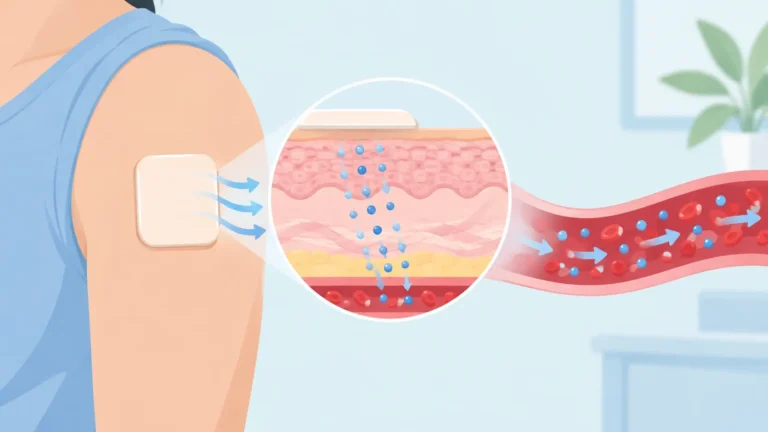

Nicotine Withdrawal Symptoms: A Complete Guide to What You Will Feel in 2026
If you are quitting smoking, knowing what nicotine withdrawal symptoms to expect — and why they happen — transforms the experience from a terrifying unknown into a predictable, manageable process. Withdrawal is not a sign that your body is broken. It is the sign that your brain is healing and restructuring itself after dependence. Every symptom in this guide has a biological explanation and, crucially, an evidence-based management strategy.
The DSM-5 (Diagnostic and Statistical Manual) officially recognizes nicotine withdrawal as a clinical syndrome with seven core symptoms. Research from the Cleveland Clinic, NIH, and published in Psychopharmacology has mapped these symptoms in meticulous detail. This guide covers all of them — including the ones no one warns you about.
Why Nicotine Withdrawal Happens
Nicotine binds to acetylcholine receptors in the brain, triggering dopamine release in the nucleus accumbens — the brain’s reward center. With regular smoking, these receptors multiply and become sensitized to nicotine’s presence. When you stop providing nicotine, two things happen simultaneously:
- Dopamine production drops sharply, creating the mood disturbances, anxiety, and irritability of withdrawal
- Your nervous system, which has been running in a nicotine-stimulated state, experiences a “rebound” effect as it tries to re-establish baseline functioning
This process is temporary. Receptor sensitivity normalizes within 2–4 weeks. Dopamine pathways recover more gradually over 3–12 months. Understanding this biological framework helps explain why the first three days are the hardest and why persistence through that window is so important.
The 7 DSM-5 Nicotine Withdrawal Symptoms
1. Irritability, Anger, and Frustration
This is the most commonly reported withdrawal symptom. As dopamine levels drop, the emotional regulation systems that nicotine was propping up become unstable. Small frustrations feel overwhelming. The irritability is real, not character-based — it is neurochemical. Management: exercise (releases natural dopamine), mindfulness practices, and communicating with those around you that your mood may be affected temporarily.
2. Anxiety
Anxiety during nicotine withdrawal has a specific, measurable physiological cause. Nicotine stimulates the release of norepinephrine and creates a baseline parasympathetic state. Without it, anxiety and restlessness emerge as your nervous system recalibrates. Counterintuitively, baseline anxiety levels in ex-smokers are typically lower than in current smokers after 6–8 weeks — because nicotine was creating the anxiety it appeared to relieve. See our guide to health benefits of quitting smoking for the full picture on mental health recovery.
3. Depressed Mood
Up to 30% of quitters experience clinically significant depressive symptoms during withdrawal, according to research from the University of Pittsburgh. This is especially common in people with a prior history of depression. The cause is dopamine deficiency — nicotine had been artificially sustaining dopamine activity that now needs to recover naturally. For most people, this resolves within 2–4 weeks. If depression is severe or persists beyond one month, speak with your GP — antidepressants like bupropion are both antidepressants and licensed smoking cessation aids.
4. Difficulty Concentrating
Nicotine has a measurable cognitive enhancement effect — it improves attention, working memory, and response time by stimulating acetylcholine receptors in the prefrontal cortex. When you quit, there is a temporary cognitive dip as these systems adjust. This typically resolves within 2–3 weeks and is followed by cognitive functioning that is equal or better than during smoking (since hypoxia from smoking was impeding cognitive function).
5. Increased Appetite and Weight Gain
Nicotine suppresses appetite through multiple mechanisms: it raises metabolic rate, inhibits appetite hormones, and can suppress the sensation of taste. When you quit, appetite increases, metabolism slows slightly, and food tastes better — all of which contribute to average weight gain of 3–5 kg in the first three months. This is almost always medically insignificant compared to continued smoking’s health risks. High-protein snacks, sugar-free gum, and regular exercise all help manage appetite changes.
6. Insomnia and Sleep Disturbance
Nicotine affects adenosine receptors that regulate sleep-wake cycles. Withdrawal disrupts sleep architecture, reducing REM sleep and causing early morning waking. This typically resolves within 2–4 weeks. Strategies: maintain a consistent sleep schedule, avoid screens after 9 pm, limit caffeine after 2 pm (caffeine metabolism speeds up when you quit — your usual evening coffee may now keep you awake). Nicotine patches can also disrupt sleep in some users; switching to a 16-hour patch (removed at bedtime) rather than a 24-hour patch can help.
7. Restlessness
A persistent sense of physical and mental agitation — the inability to sit still or focus — is a direct consequence of nicotine’s stimulant effects being withdrawn. Regular physical movement is the most effective counter: even a 10-minute walk reduces restlessness within minutes through endorphin release and physical engagement.
Additional Physical Symptoms
Beyond the DSM-5 core seven, several other physical symptoms are well-documented during nicotine withdrawal:
| Symptom | Cause | Duration |
|---|---|---|
| Headaches | Cerebrovascular changes as blood flow normalizes | 2–9 days |
| Constipation | Nicotine had been stimulating intestinal motility | 2–4 weeks |
| Dizziness | Increased blood oxygen and blood pressure normalization | 1–3 days |
| Sore throat / mouth sores | Mucous membrane healing and immune reactivation | 1–2 weeks |
| Increased coughing | Cilia regenerating and clearing debris from lungs | 2–4 weeks |
| Vivid dreams / nightmares | Sleep architecture changes and REM rebound | 1–3 weeks |
Withdrawal Symptom Timeline
Hours 24–72 (Peak): Maximum symptom intensity. Intense cravings every 15–30 minutes. Strong anxiety, irritability, insomnia. This is the critical window.
Days 4–7: Physical symptoms begin easing. Cravings become less frequent. Mood still variable but improving.
Weeks 2–4: Most physical symptoms resolve. Cravings now situational rather than constant. Appetite changes stabilizing.
Months 2–3: Psychological cravings persist but are easily managed. Mood has largely normalized or improved.
Months 4–12: Occasional situational cravings only. Former smokers often describe these as mild and fleeting.
How to Manage Each Symptom
The most evidence-backed approach to managing nicotine withdrawal symptoms is combination therapy — using both pharmacological support and behavioral strategies simultaneously:
- Cravings: Use the 4 Ds (Delay, Deep Breathe, Drink Water, Distract). Each craving lasts 3–5 minutes maximum. Wait it out.
- Anxiety and irritability: 4-7-8 breathing, regular aerobic exercise, mindfulness meditation (even 10 minutes daily reduces cortisol significantly)
- Insomnia: Switch to 16-hour NRT patch, maintain consistent sleep schedule, limit caffeine after 2 pm
- Depression: Exercise, social connection, sunlight exposure. If persistent, speak to your GP about bupropion or counseling.
- Concentration: Accept the temporary dip, use written lists and reminders, avoid cognitively demanding tasks during the first week where possible
- Weight and appetite: High-protein snacks, raw vegetables, water, and exercise to offset metabolic slowdown
Using a tracking tool helps enormously. The iQuit app logs your craving events and symptoms day by day, creating a visual record that proves to you — with data — that it is getting easier. This evidence-based feedback loop is one of the most powerful motivational tools available.
For health organizations delivering smoking cessation campaigns, Authenova provides AI-powered content tools that help create evidence-based health content at scale, ensuring accurate withdrawal guidance reaches the people who need it most.
When to Seek Medical Help
Most nicotine withdrawal symptoms are uncomfortable but not medically dangerous. Seek medical attention if you experience:
- Severe depression or suicidal thoughts
- Chest pain or palpitations (separate from the normalization of heart rate)
- Withdrawal symptoms that do not improve after four weeks
- Seizures (rare, but possible in heavy users who quit abruptly)
Frequently Asked Questions
What are the worst nicotine withdrawal symptoms?
The most intense symptoms are typically the cigarette cravings themselves, along with irritability and anxiety. These peak at 48–72 hours after the last cigarette. Insomnia and difficulty concentrating are also commonly rated as highly disruptive. All symptoms are temporary and begin improving within one week for most people.
How long do nicotine withdrawal symptoms last?
Physical nicotine withdrawal symptoms typically resolve within 2–4 weeks. Psychological cravings can persist for 3–12 months but decrease dramatically in frequency and intensity. By month three, most former smokers describe cravings as occasional and mild rather than constant and overwhelming.
Does nicotine withdrawal cause anxiety?
Yes, anxiety is one of the seven DSM-5 recognized nicotine withdrawal symptoms. It is caused by the removal of nicotine’s stimulating effect on the nervous system. Importantly, research shows that baseline anxiety in ex-smokers is actually lower than in current smokers after 6–8 weeks of abstinence — because nicotine was creating and maintaining the anxiety it appeared to relieve.
Can nicotine withdrawal cause depression?
Yes. Up to 30% of quitters experience depressive symptoms during withdrawal due to reduced dopamine activity. For most people, this resolves within 2–4 weeks as brain chemistry stabilizes. People with a prior history of depression are at higher risk and should discuss this with their GP before quitting — bupropion addresses both withdrawal and depression simultaneously.
What helps with nicotine withdrawal at night?
For nighttime withdrawal, switch from a 24-hour to a 16-hour nicotine patch (removing it at bedtime reduces vivid dreams and sleep disruption). Maintain a strict sleep schedule, limit caffeine after 2 pm, and do a calming wind-down routine. Light reading, a warm bath, or 10 minutes of deep breathing can help trigger sleep onset during withdrawal-related insomnia.
Get Through Withdrawal With Expert Support
The iQuit app provides real-time craving management tools, symptom tracking, and an AI coach that guides you through every stage of withdrawal — day by day.