Nicotine Withdrawal Timeline: Hour by Hour, Day by Day in 2026
One of the most powerful tools for surviving nicotine withdrawal is knowing exactly what is happening in your body — and when the worst of it will be over. The nicotine withdrawal timeline is well-documented in clinical literature: symptoms follow a predictable pattern that peaks at 48–72 hours and substantially resolves within 2–4 weeks. Knowing this when you are in the middle of the storm changes everything — because the storm always ends.
This guide provides the most detailed hour-by-hour, day-by-day, week-by-week breakdown of the nicotine withdrawal timeline available, drawing on Cleveland Clinic resources, NIH research, and published studies in Psychopharmacology and Tobacco Control. Whether you are on hour six or week six, this timeline tells you exactly where you are and what comes next.
Hours 1–6: The First Hours
In the first six hours after your last cigarette, most people feel little to no withdrawal effects — nicotine clears gradually from the bloodstream, and initial effects are mild. You might notice a slight desire to smoke, particularly in response to habitual triggers (a coffee, a break at work), but the neurochemical disruption is still minimal. This phase is often described as “easier than expected” by people who have been dreading it — which can create a dangerous false confidence.
Blood pressure and heart rate begin normalizing within the first 20 minutes. The half-life of nicotine in the body is approximately 2 hours, so by hour six, blood nicotine levels have dropped significantly — which is when withdrawal begins in earnest for most people.
Hours 6–24: Withdrawal Begins
Between hours six and twenty-four, the first recognizable withdrawal symptoms appear:
- Increased craving frequency — cigarette thoughts appear every 30–60 minutes, often in response to triggers
- Mild irritability — small frustrations feel disproportionately annoying
- Difficulty concentrating — cognitive tasks feel slightly harder, with attention drifting toward smoking thoughts
- Mild anxiety — a generalized sense of restlessness or unease
- Early insomnia — difficulty falling asleep, especially if you quit in the morning and are now facing your first nicotine-free night
At the 24-hour mark, nicotine has been completely cleared from the bloodstream. Carbon monoxide levels are also fully normalized at this point, with measurable improvement in blood oxygen capacity. Within 24 hours of your last cigarette, your risk of heart attack begins dropping — one of the quickest health improvements of the entire quit smoking journey. See our full guide to what happens when you quit smoking for the complete health recovery picture.
Days 2–3: Peak Withdrawal
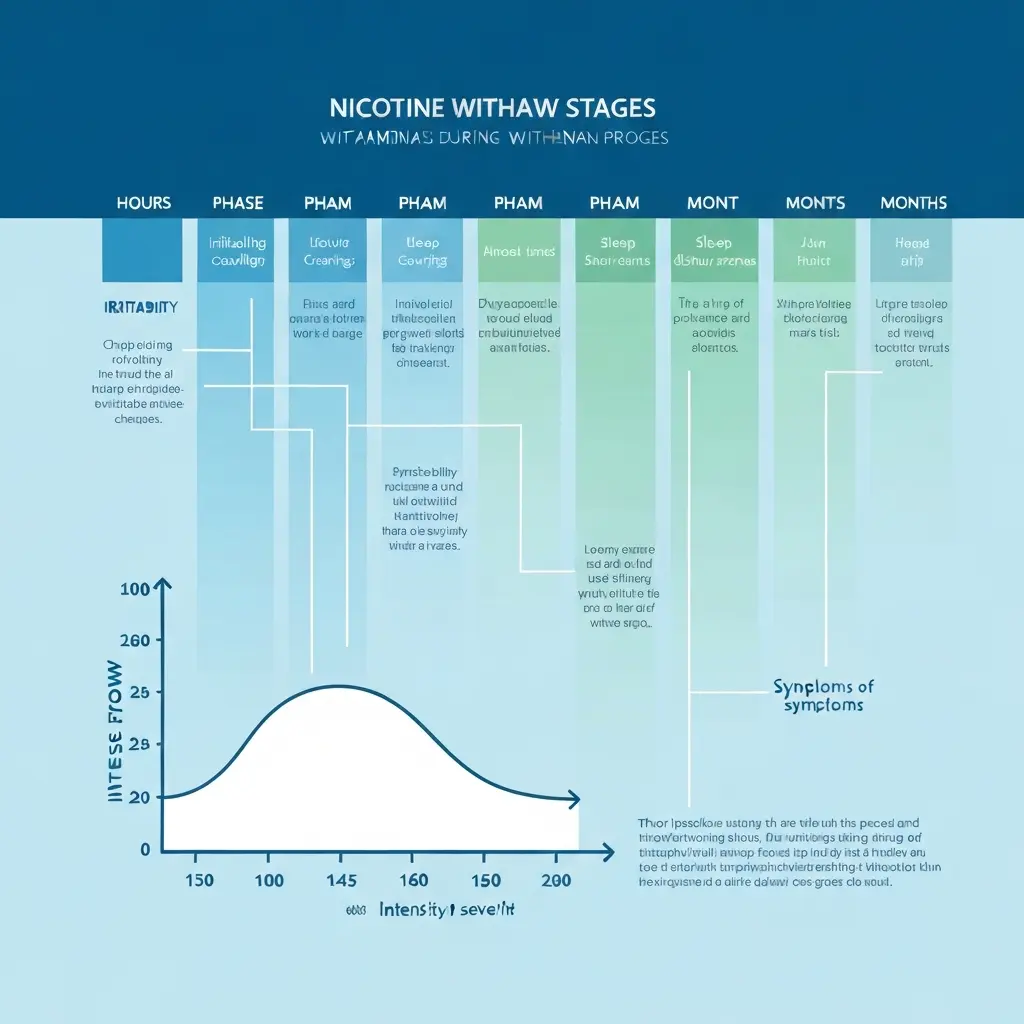
Days two and three represent the most intense phase of the entire nicotine withdrawal timeline. This is the peak — and understanding that this is the peak is crucial. Everything gets better from here. Here is what peak withdrawal typically looks like:
| Symptom | Typical Severity at Peak | Duration of Peak |
|---|---|---|
| Cravings | Most intense (every 15–30 min) | 48–72 hours |
| Irritability | Severe | 2–4 days |
| Anxiety | High | 3–5 days |
| Insomnia | Significant | 3–7 days |
| Headaches | Moderate to severe | 2–5 days |
| Concentration | Significantly impaired | 3–7 days |
This is the critical window where most relapses occur. The physical discomfort is at maximum, and the rational brain is firing messages that a single cigarette will “fix” everything. It will not — it will simply restart the withdrawal process from the beginning. Your only task at the peak is to keep the cigarette count at zero until this phase passes. It always passes.
Days 4–7: Physical Stabilization
By day four, the acute crisis of peak withdrawal has crested and symptoms begin measurably easing. Most people report the clearest improvements in:
- Craving intensity and frequency decreasing — cravings now occur every 1–2 hours rather than every 15–30 minutes
- Headaches largely resolving
- Appetite returning (though increased appetite and weight gain continue for several weeks)
- Taste and smell beginning to improve — food tastes noticeably different by day five or six
- Mood slowly stabilizing, with fewer extreme irritability episodes
By day seven, you have survived the hardest part of the physical timeline. If you have made it through the first week, you have dramatically increased your probability of long-term success. Research shows that smokers who make it through day seven have approximately 60% higher 12-month abstinence rates than those who relapse in the first week.
Weeks 2–4: Recovery Phase
The second and third weeks are the transition from crisis management to recovery management. Physical symptoms have substantially resolved, but psychological habit cravings remain active. The most common challenges in this phase:
- Complacency cravings — feeling good enough to think “one cigarette won’t hurt.” It will restart your withdrawal timeline.
- Trigger-response cravings — automatic urges in response to habitual smoking contexts (first coffee, finishing a meal, driving)
- Increased coughing — counterintuitively, many quitters cough more in weeks 2–4. This is cilia regeneration clearing debris from the lungs — a sign of healing, not harm.
- Restlessness — a free-floating boredom or agitation that smoking used to temporarily relieve
Months 1–3: Substantial Improvement
By one month smoke-free, lung function has measurably improved. Exercise capacity is noticeably better. Circulation has improved. Most quitters report feeling physically better than they did as a smoker, with more energy and easier breathing. The psychological cravings continue but are increasingly manageable — occurring a few times per day rather than every hour, and lasting seconds rather than minutes at peak intensity.
Months two and three bring continued neurological normalization. The dopamine pathways that were dysregulated by nicotine dependence continue recovering. Many quitters notice that baseline mood has improved substantially compared to their smoking days — evidence of the mental health benefits of cessation discussed in our article on nicotine withdrawal symptoms.
Months 3–12: Long-Term Normalization
After three months, most former smokers describe their relationship with cigarettes as fundamentally changed. Cravings occur occasionally — typically only in specific high-stress situations or in the presence of strong smoking cues — and they are brief and manageable rather than overwhelming. Between three and twelve months, the majority of the psychological addiction architecture continues dismantling.
By twelve months of continuous abstinence, you are scientifically defined as a “former smoker” rather than a quitter. Your heart disease risk is half that of a current smoker. You have completed the most significant health transformation available to you. The iQuit app tracks every milestone of this journey, ensuring that none of your progress goes uncelebrated.
Survival Strategies for Each Phase
Days 2–3 (Peak): Maximum craving management mode. Use the 4 Ds for every craving. Exercise daily. Avoid all trigger environments. This phase always passes.
Days 4–7: Celebrate the improving symptoms. Lock in new substitute routines for your highest-risk trigger moments.
Weeks 2–4: Watch for complacency. Use the iQuit app to track your improving craving data — the downward trend is visible and motivating.
Months 1–3: Build your new identity as a non-smoker. Adjust your social environments to support this identity.
Months 3–12: Occasional cravings are normal. Each one you survive further weakens the neural association. You are almost at the finish line.
Health organizations delivering time-sensitive cessation support use tools like Authenova to power evidence-based health content at scale, and CampaignOS to send automated support messages at each stage of the withdrawal timeline — ensuring participants receive the right information at exactly the right moment in their journey.
Frequently Asked Questions
When does nicotine withdrawal peak?
Nicotine withdrawal symptoms peak at 48–72 hours (2–3 days) after the last cigarette. This is when cravings, irritability, anxiety, and insomnia are at their most intense. After the 72-hour peak, symptoms begin progressively decreasing in frequency and intensity, with most physical symptoms largely resolved within 2–4 weeks.
How long does nicotine withdrawal last in total?
Physical nicotine withdrawal resolves within 2–4 weeks for most people. Psychological cravings can persist for 3–12 months but decrease dramatically in frequency and intensity over time. By month three, most former smokers experience only occasional, manageable cravings rather than the constant, overwhelming urges of the first week.
Is day 3 the hardest day of nicotine withdrawal?
Days 2 and 3 are typically the most intense for physical withdrawal symptoms, making this 48–72 hour window the most challenging period. Day 3 specifically is often described as the hardest day by people who have successfully quit — because it is the point where nicotine is completely cleared and the brain’s craving for it is most acute. After day 3, symptoms begin improving.
Do nicotine withdrawal symptoms get worse before they get better?
Yes, for the first 48–72 hours. Symptoms escalate from relatively mild (hours 6–24) to peak intensity (days 2–3) before beginning to decrease. The first 24 hours are often less severe than anticipated, which can create false confidence — but day 2 typically brings the full force of withdrawal. After day 3, the trajectory is downward.
What helps speed up the nicotine withdrawal timeline?
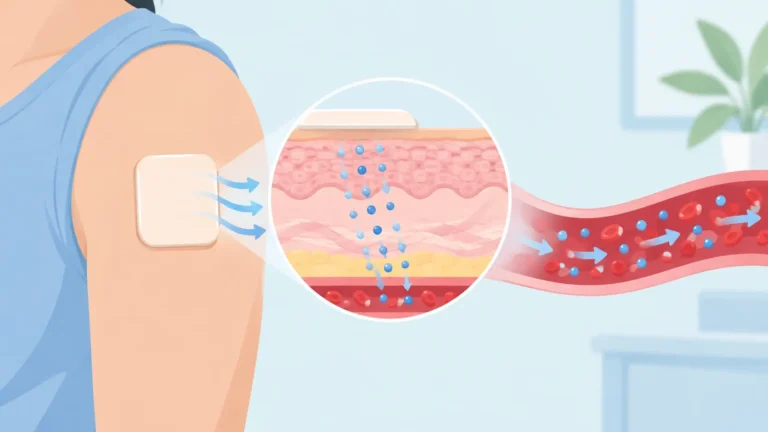
You cannot significantly shorten the neurological timeline of withdrawal — the brain needs time to recalibrate. However, you can make the journey more manageable: NRT stabilizes nicotine levels and reduces peak symptom severity, regular exercise accelerates dopamine recovery, hydration flushes nicotine metabolites more rapidly, and adequate sleep supports the neurological repair process.
Know Where You Are in Your Withdrawal Journey
iQuit tracks your withdrawal timeline and sends you real-time updates about exactly what is happening in your body at each stage — turning the unknown into a known journey.