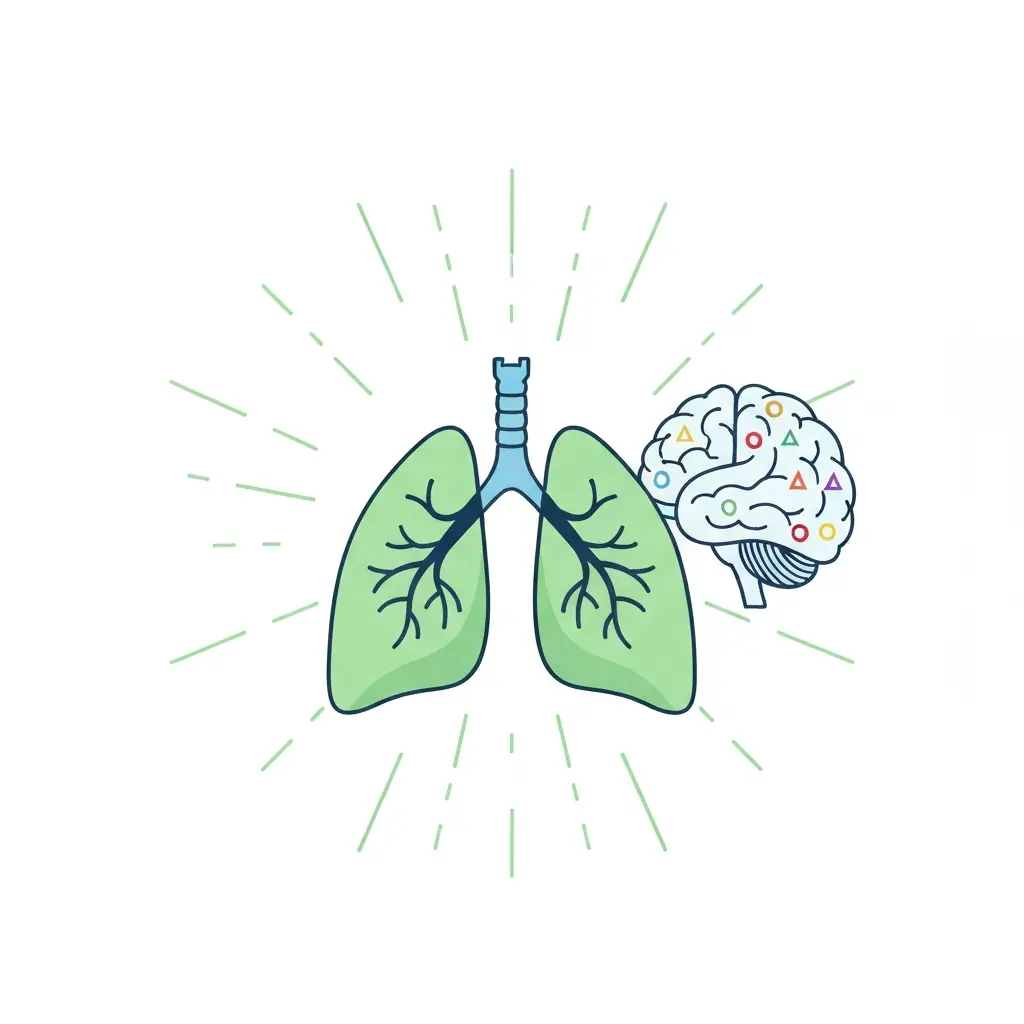
Quit Smoking 3 Months Benefits: The Turning Point for Your Health
Three months without a cigarette is one of the most meaningful milestones in the quitting journey. At 90 days, the quit smoking 3 months benefits go beyond the early physical improvements of the first weeks — they represent the point where biology and psychology converge to make staying quit measurably easier. Brain chemistry has largely normalized. Lungs have improved substantially. And the habit circuits that drove your addiction for years have begun to genuinely weaken.
Whether you are approaching three months or planning what to aim for, understanding what your body is doing at this milestone gives you powerful motivation to get there — and to stay.
Brain Recovery at Three Months
Of all the quit smoking 3 months benefits, the brain changes may be the most significant for daily quality of life. Nicotine addiction is fundamentally a brain disease, and three months marks the point where the brain’s reward system has substantially healed.
Research published in ScienceDaily confirms that dopamine function — suppressed and disrupted by chronic nicotine use — returns to near-normal levels within three months of smoking cessation. This means:
- Mood is more stable and positive without being chemically dependent on nicotine
- Everyday pleasures — food, music, social connection — feel rewarding again without nicotine amplification
- The flat, gray emotional experience of early withdrawal (anhedonia) has resolved
- Concentration and focus are restored; nicotine is no longer needed to think clearly
- Impulse control has improved as the prefrontal cortex operates without nicotine interference
The practical implication: life simply feels better. Not because of a chemical high, but because your brain’s own reward system is functioning naturally again. Many people at three months describe this as the point they stopped missing cigarettes and started genuinely enjoying being smoke-free.
Lung Function at Three Months
The American Lung Association reports that between one and three months after quitting, lung function can increase by as much as 30%. By the three-month mark, this improvement is solidified and continuing to advance.
The mechanisms driving this improvement:
| Lung Change | Timeline | Practical Effect |
|---|---|---|
| Cilia regeneration | Nearly complete by 3 months | Effective mucus clearance; fewer infections |
| Airway inflammation reduction | Substantially resolved | Less chest tightness; improved airflow |
| Mucus normalization | Largely normalized | Cough substantially reduced for most |
| Bronchial relaxation | Ongoing improvement | Better exercise tolerance |
| Infection resistance | Significantly improved | Lower frequency of respiratory illness |
For many former smokers, three months is when physical activity transforms from a laborious chore to something enjoyable again. Running, cycling, swimming — exercises that smoking made exhausting — become genuinely accessible. This physical capability improvement is itself a powerful motivator to maintain cessation.
Circulation and Heart Health
Between two and twelve weeks after quitting, the CDC documents that circulation improves and blood vessels begin reversing the narrowing that smoking caused. By three months:
- Blood pressure has normalized toward healthy levels
- Peripheral circulation — to the extremities — is noticeably improved; cold hands and feet resolve for many
- Blood viscosity (thickness) has reduced, lowering the risk of blood clots
- The heart is working more efficiently with less strain
- Resting heart rate has dropped toward non-smoker norms
These cardiovascular gains compound over time — by one year, heart disease risk is already cut in half compared to a current smoker. Three months is when the foundation of that milestone is solidly established.
Cravings at Three Months
One of the most practically significant quit smoking 3 months benefits is the transformation of cravings. In the first week, cravings are frequent, intense, and relentless. At three months, the experience is qualitatively different:
- Frequency: Significantly reduced — occasional rather than hourly
- Intensity: Considerably lower — a passing thought rather than an overwhelming urge
- Duration: Brief — cravings that previously lasted 10 minutes now pass in seconds
- Triggers: More manageable — familiar triggers still exist but no longer command the same power
The neurological reason for this improvement: dopamine normalization means your brain is no longer in a state of constant deficit that demands nicotine replenishment. Additionally, the habit circuits linking situational cues to smoking have been weakening for three months without reinforcement.
For strategies to manage any remaining triggers, see our guide on How to Deal With Cigarette Cravings: The Complete 2026 Guide.
Energy, Sleep, and Wellbeing
At three months, the quality-of-life improvements from quitting become impossible to miss:
Energy
With 30% improved lung function delivering more oxygen per breath, and improved circulation delivering it to every cell in your body, energy levels at three months are substantially higher than when smoking. Activities that used to leave you winded are now manageable. The fatigue that many smokers normalize as “just how they feel” has lifted.
Sleep
Nicotine is a stimulant that disrupted sleep architecture — particularly the restorative deep sleep stages. At three months, sleep quality has normalized. Most ex-smokers report deeper, more restorative sleep and easier mornings. Improved sleep itself compounds the energy, mood, and cognitive benefits.
Mental Health
Research published in JAMA Network Open found that anxiety and depression scores improve significantly in the first three months after cessation. The misattribution effect — where smokers believed cigarettes managed their stress — has been fully exposed: you have spent three months managing stress, anxiety, and difficult emotions without smoking, and you have evidence of your own capability.
Skin and Appearance
Three months of improved oxygenated blood reaching skin cells produces visible improvement in complexion, hydration, and tone. Many ex-smokers at three months are told they look younger or healthier by people who see them regularly.
What Comes After Three Months
Three months is not the end of the journey — it is the point where staying quit becomes genuinely easier. The arc continues:
- 6 months: Lung function improvement extends to 10% above smoking baseline; respiratory symptoms largely resolved
- 1 year: Heart disease risk halved; major cardiovascular milestone
- 5 years: Stroke risk equals that of a never-smoker
- 10 years: Lung cancer risk approximately half of a current smoker’s
For the complete picture, our guides on Quit Smoking One Month Benefits and Quit Smoking One Year Benefits show the full recovery arc.
Track Every Milestone on Your Way to Three Months
The iQuit app shows your real-time health recovery milestones, money saved, and smoke-free time — making every step toward the three-month turning point visible and motivating.
Frequently Asked Questions
Why is three months considered a turning point for quitting smoking?
Three months is considered a turning point because several key biological processes reach important milestones simultaneously: brain dopamine function normalizes, lung function improvement reaches approximately 30%, cilia are nearly fully regenerated, and withdrawal symptoms have largely resolved. Combined, these changes mean that the physical compulsion to smoke has diminished significantly, and the behavioral habit — while still present to some degree — is substantially weakened.
How much does lung function improve after 3 months without smoking?
Between one and three months after quitting, lung function can improve by as much as 30%, according to the American Lung Association. This improvement comes from reduced airway inflammation, cilia regeneration enabling effective mucus clearance, and bronchial relaxation allowing more air to flow with each breath. The improvement is measurable in breathing tests and most ex-smokers feel it directly as improved exercise tolerance and reduced breathlessness.
Will I still get cravings at 3 months after quitting?
Yes, some cravings can occur at three months, but they are typically infrequent, brief, and much less intense than in the early weeks. They are most likely to be triggered by specific situations — high stress, social settings where others smoke, or locations strongly associated with past smoking. Most people at three months describe cravings as passing thoughts rather than powerful urges. Each one resisted continues to weaken the habit circuit driving it.
Do dopamine levels return to normal after 3 months of quitting?
Yes. Research published in ScienceDaily confirms that smoking-related deficits in brain dopamine function return to near-normal levels approximately three months after quitting. This is one of the most significant neurological milestones of cessation and explains why many ex-smokers report that life begins to feel genuinely enjoyable again at this stage — natural pleasures are rewarding because the brain’s own reward system is functioning properly once more.
What is the biggest risk of relapse at 3 months?
At three months, the most common relapse trigger is complacency — the feeling that you are “past it” and can handle a single cigarette. Research consistently shows that a single cigarette after extended abstinence has a very high probability of triggering full relapse, because the neural pathways driving addiction are still present even if weakened. The second most common trigger is a high-stress life event that overwhelms alternative coping strategies. Continuing to use behavioral support tools and maintaining your identity as a non-smoker protects against both risks.