Quit Smoking After a Diagnosis: When Health Scares Become the Turning Point (2026)
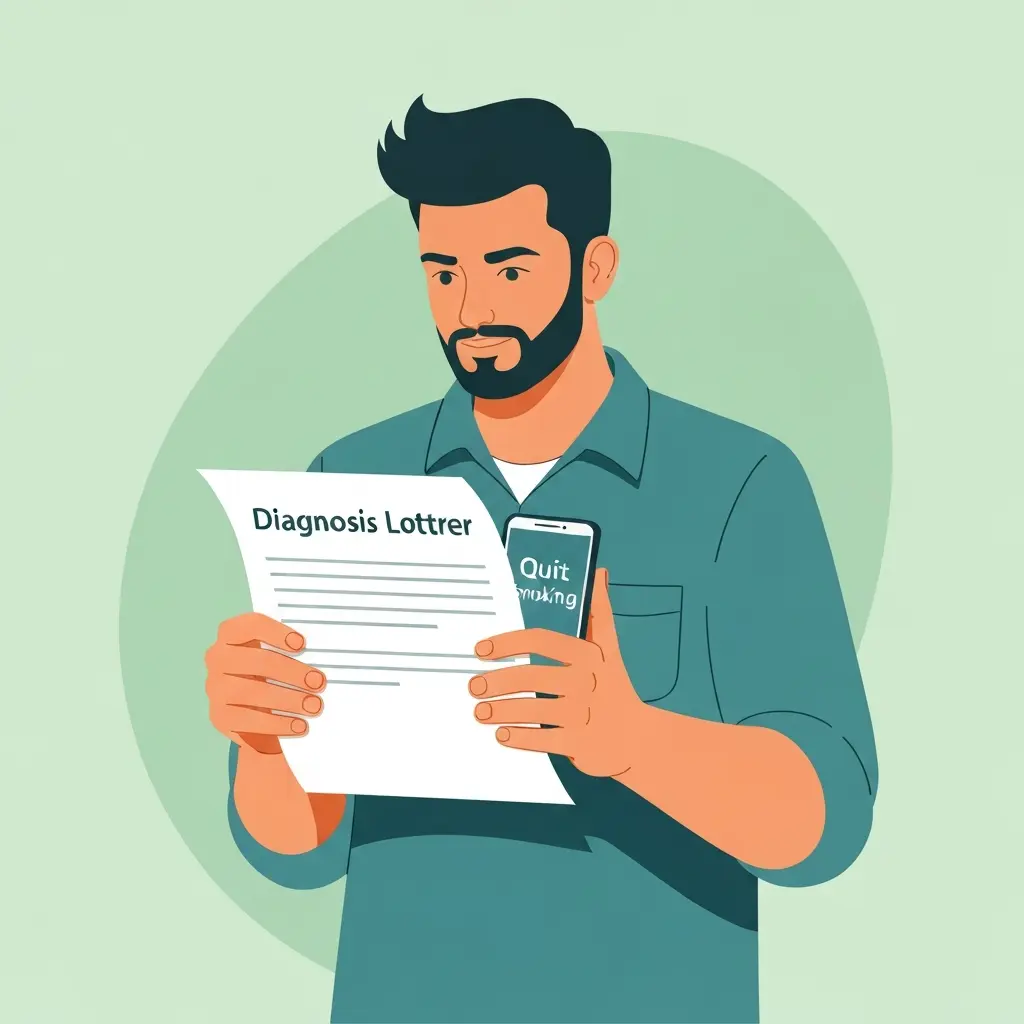
For many smokers, it takes a health diagnosis to make quitting feel truly urgent. A heart attack, a COPD diagnosis, a suspicious chest scan, elevated blood pressure that the doctor says is “a warning shot” — these events can create a level of motivation to quit that no willpower-based attempt ever generated. And yet, research shows that fear-based motivation — the kind that spikes in the weeks after a diagnosis — tends to fade. Without the right strategy, many people who quit after a health scare find themselves smoking again six months later, when the immediate fear has subsided. This guide explains how to quit smoking after a health diagnosis — how to convert the acute motivation of a scare into a lasting, structural change.
The Science of Fear-Based Motivation
Health psychology research distinguishes between fear-based motivation (avoiding a negative outcome) and approach-based motivation (moving toward a positive identity or goal). Both can initiate behaviour change, but they have different durability profiles:
- Fear-based motivation peaks immediately after a health event and declines as the fear fades, often within 3-6 weeks
- Approach-based motivation (I am building a healthier life; I am a non-smoker) is more stable and sustains behaviour change over months and years
This explains the common pattern: someone quits for two months after a heart attack, feels better, and then — as the fear fades and the immediate crisis passes — the familiar smoking habits reassert themselves. The health scare provided the spark, but without structural support and identity transition, it doesn’t sustain the flame.
The research recommendation: use the window of high fear-based motivation to put structural supports in place that will maintain the quit when the fear subsides.
Specific Diagnoses and Cessation
Heart Attack or Cardiovascular Event
Quitting smoking after a heart attack is the single most effective intervention for preventing a second event. Research shows that people who quit after a first heart attack reduce their risk of a second by approximately 50% compared to those who continue smoking. Most hospitals provide cessation support as part of cardiac rehabilitation — take it. The motivation window after a cardiac event is a precious resource.
COPD Diagnosis
Quitting smoking after a COPD diagnosis is the only intervention proven to slow the decline in lung function — no medication matches its effect. Research from the Lung Health Study found that quitting after COPD diagnosis halved the rate of lung function decline over 5 years. For the evidence in full, the COPD and smoking cessation guide covers this specifically.
Lung Cancer Diagnosis or Scare
Even after a lung cancer diagnosis, quitting smoking improves treatment outcomes and survival. A 2014 study found that smokers who quit after a lung cancer diagnosis had significantly better treatment response rates and survival outcomes than those who continued. Many oncology units now integrate cessation support into cancer treatment pathways.
Type 2 Diabetes or Metabolic Warning
Smoking is a significant risk factor for type 2 diabetes and dramatically worsens outcomes for those who have it (increasing cardiovascular complications, kidney disease risk, and nerve damage). A new T2D diagnosis or pre-diabetes warning is a powerful motivation to quit and also the point at which quitting has the highest metabolic benefit.
Act on the Motivation Immediately
Fear-based motivation is most intense in the first 2-4 weeks after a diagnosis. Research on motivation timing in cessation consistently shows that quit attempts initiated within the motivation window have higher initial adherence. The practical implication: set your quit date within one week of the diagnosis, not at some undefined future point when you “feel ready.”
Immediate actions to take within 48 hours of a health diagnosis that motivates you to quit:
- Set a specific quit date no more than 7-14 days out
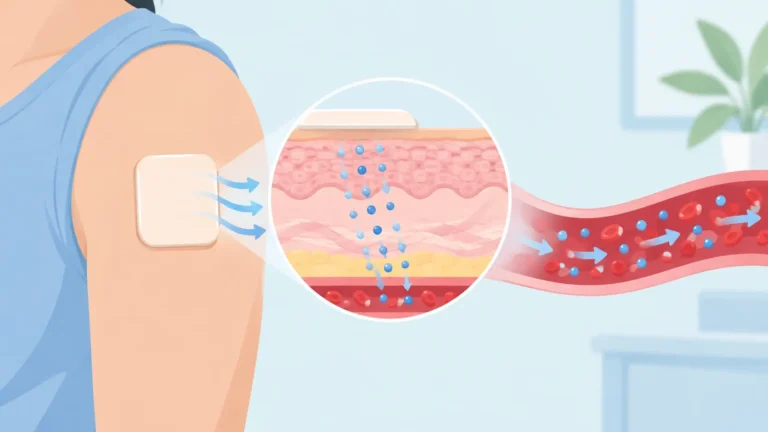
- Tell your GP or hospital team that you are quitting — they can prescribe NRT or varenicline immediately
- Tell your household and close support network
- Download a quit app and begin pre-tracking your smoking to establish a baseline
- Remove cigarettes from your home
Accessing Enhanced Medical Cessation Support
A significant and underutilised benefit of quitting after a health diagnosis is access to enhanced cessation support. In the UK, hospital inpatient cessation teams, cardiac rehabilitation programs, pulmonary rehabilitation programs, and cancer care pathways all include or can refer to specialist cessation support. In the US, most major medical centres have tobacco treatment specialists accessible through referral.
This enhanced support typically includes:
- Free NRT or subsidised prescription medication
- More intensive behavioural counselling than standard community-level support
- Medical monitoring of the conditions being treated alongside cessation
Ask your doctor explicitly: “What cessation support can you connect me with?” Many patients don’t access this because they don’t know to ask.
Converting Fear to Identity
As the acute fear of a health diagnosis subsides, the work of long-term cessation depends on converting it into something more durable: identity. The language of this transition:
- From: “I’m not smoking because I’m scared of another heart attack” (avoidance)
- To: “I’m a non-smoker. That’s who I am now.” (identity)
Practical identity conversion steps:
- Use the health milestone tracking on your quit app to actively see your cardiovascular and lung cancer risk reducing — this converts the diagnosis from a threat to a trackable, improving number
- Find new physical activities that reinforce the healthy identity (walks, cycling, swimming) that were not possible or enjoyable while smoking
- Actively tell your health story — telling a GP, a friend, or an online community “I had a COPD diagnosis and quit six months ago” is an identity-reinforcing act
Talking to Your Family After a Diagnosis
A health diagnosis changes the family conversation about smoking in ways that can either help or harm cessation. Most family members will be highly supportive when they understand the stakes. The guide on telling your family you’re quitting covers this in full, but specific to post-diagnosis situations:
- Share the diagnosis honestly — the family’s support is most effective when they understand the medical context
- Ask for specific help: no cigarettes at home, patience with withdrawal symptoms, help with high-risk moments
- Involve family in medical appointments where cessation support is discussed — shared awareness creates shared accountability
The motivational impact of quitting for family members’ sake, rather than just your own, is documented in the research on quitting smoking for family.
Frequently Asked Questions
Is it still worth quitting smoking after a lung cancer diagnosis?
Yes, unequivocally. Multiple studies show that quitting after a lung cancer diagnosis improves treatment efficacy, reduces complication rates from surgery and chemotherapy, and improves survival outcomes. Even at late stages, quitting reduces the burden of the cancer on the body and improves quality of life. Oncologists and oncology nurses almost universally recommend cessation as part of the treatment plan.
Will NRT be safe to use after a heart attack?
Yes — multiple cardiac societies including the European Society of Cardiology and the American Heart Association confirm that NRT is safe and recommended after a heart attack. While nicotine does have mild cardiovascular effects, NRT delivers nicotine without the carbon monoxide, free radicals, and other cardiovascular toxins in cigarette smoke. The benefit of cessation strongly outweighs any theoretical risk from NRT nicotine in post-cardiac patients. Discuss with your cardiologist for personalised guidance.
How do I stop smoking when I’m also dealing with a serious illness?
Quitting during a serious illness is genuinely hard — you may be stressed, medically compromised, and dealing with multiple life disruptions simultaneously. The key is to access the medical cessation support your condition entitles you to, use NRT or medication to reduce the physical withdrawal burden, and recognise that even a temporary quit during treatment is valuable. Many hospitals provide inpatient bedside cessation support for smokers who are admitted for smoking-related conditions.
Turn Your Diagnosis Into a Starting Line with iQuit
If a health event is what’s brought you here, the iQuit app can be your daily evidence that quitting is working. Real-time cardiovascular milestones, health improvements tracked from day one, and AI coaching available whenever fear or motivation needs reinforcement. Start today.