
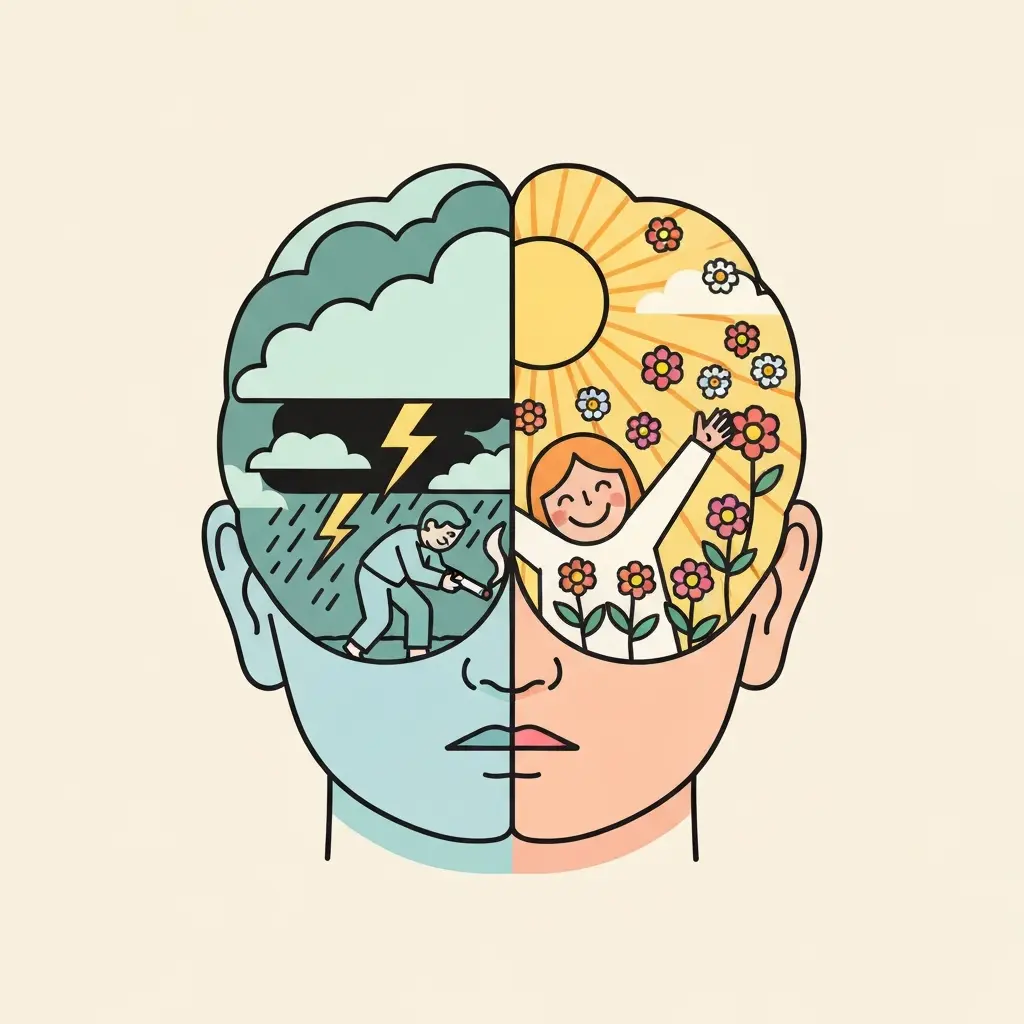
Quit Smoking and Depression: What Really Happens to Your Mental Health in 2026
One of the most common reasons people relapse after quitting smoking is the sudden onset of low mood, irritability, or outright depression. If you’ve tried to quit before and found yourself feeling worse in the first few weeks, you’re not imagining it — your brain is genuinely struggling. But here’s what most people don’t know: the depression you feel after quitting is largely caused by the same addiction cycle you’re trying to escape. And the long-term mental health picture after quitting is dramatically brighter.
A landmark meta-analysis of 26 studies found that quitting smoking was associated with reduced levels of depression, anxiety, and stress — with improvements roughly comparable to taking antidepressant medication. That finding has been replicated multiple times and remains one of the most powerful, underutilised arguments for cessation. This guide explains the science, the timeline, and the strategies that help you manage mood during the hardest weeks.
Why Quitting Smoking Causes Depression
Nicotine is one of the most neurologically active substances in common use. When you inhale, nicotine reaches your brain in under 10 seconds and triggers the release of dopamine, serotonin, norepinephrine, and beta-endorphins. This cascade creates a brief but genuine sense of reward, calm, and mood elevation.
The problem is that your brain adapts to this artificial stimulation. It downregulates its own natural production of these neurotransmitters and increases the density of nicotinic acetylcholine receptors — in effect, rewiring itself to expect the drug. When you stop smoking, you remove the nicotine input but the downregulation remains. The result is a temporary neurochemical deficit that manifests as low mood, irritability, difficulty concentrating, and in some people, clinical depression.
This is the same mechanism behind withdrawal from alcohol, opioids, and stimulants — and it is temporary. The brain’s neuroplasticity means it can and does recalibrate, but the process takes weeks, not days.
The Nicotine-Depression Cycle Explained
The insidious irony of smoking and mental health is this: many smokers believe cigarettes help their depression or anxiety. They’re partially right, but only because of a cycle they’ve created. Here’s how it works:
- You smoke. Nicotine triggers dopamine and mood lifts briefly.
- Nicotine levels drop 20–30 minutes after smoking. Mood dips below baseline (withdrawal).
- You interpret the dip as stress, anxiety, or depression requiring relief.
- You smoke again to return to baseline — not to feel good, but just to feel normal.
- The cycle repeats roughly every 30 minutes throughout the waking day.
This means a smoker’s emotional state fluctuates all day through micro-withdrawal cycles. Non-smokers don’t experience these fluctuations. The average smoker’s baseline mood between cigarettes is actually lower than a non-smoker’s natural baseline — a fact that becomes visible only after several weeks of abstinence.
Research published in JAMA Network Open on smoking cessation and mental health changes confirmed this pattern: when smokers quit, initial mood deterioration is followed by sustained improvement that often surpasses pre-quit levels, because the artificial floor created by addiction is removed.
Understanding nicotine withdrawal symptoms in full helps you distinguish between normal withdrawal-related mood changes and genuine clinical depression requiring treatment.
Depression Timeline: What to Expect Week by Week
Knowing what’s coming makes it far easier to tolerate. Here is the evidence-based emotional timeline most ex-smokers experience.
Days 1–3: The Acute Phase
Nicotine leaves your bloodstream within 72 hours. This is when nicotinic receptor upregulation is at its most extreme and withdrawal is most intense. Irritability, anxiety, and low mood peak. Many people describe feeling “on edge” or inexplicably sad. Sleep disruption is common. This phase is the most challenging but also the most biologically predictable — it passes.
Days 4–14: The Psychological Challenge
Physical nicotine dependence is largely resolved, but psychological habituation remains. Behavioral triggers — morning coffee, stress at work, social situations — still fire the craving circuit. Mood may still be unstable as the brain continues rebalancing neurotransmitter levels. Depressive symptoms peak for many people around day 7–10.
Weeks 3–4: The Danger Window
Many people relapse in weeks 3–4, not because of physical craving but because the mood improvement hasn’t fully arrived yet and the vigilance of early quitting has relaxed. This is when the mental health connection is most important to understand: you are not relapsing because smoking helped your mood — you’re relapsing because your brain hasn’t yet recalibrated to its new, higher baseline.
Months 2–6: The Rebound
By the second month, most ex-smokers report mood levels that are equal to or better than their pre-quit baseline. The artificial floor of the addiction cycle has been removed. People describe feeling calmer, more emotionally stable, and less reactive to stress — often for the first time in years.
The relationship between smoking and mental health is explored in depth in our comprehensive guide, which covers anxiety, depression, and PTSD in the cessation context.
Long-Term Mental Health Benefits of Quitting
The scientific case for quitting’s mental health benefits is robust. The University of Oxford, reviewing data from 26 studies including over 31,000 participants, found that quitting smoking was associated with:
- Significantly lower depression scores compared to continued smokers
- Reduced anxiety levels
- Lower perceived stress
- Improved quality of life and positive affect
- Effect sizes comparable to antidepressant medication in clinical trials
Crucially, these benefits appeared in people with and without pre-existing psychiatric diagnoses. People with depression and anxiety disorders improved just as much as those without — disproving the common assumption that people with mental health conditions are unable to benefit from quitting.
Truth Initiative’s 2026 research adds a contemporary data point: 90% of young adults who quit nicotine reported feeling less stressed, anxious, or depressed after quitting. That figure from a real-world population is consistent with the clinical trial literature.
Quitting When You Already Have Depression
People with a history of depression are more likely to smoke — smoking rates among people with depression are roughly double the general population — and they face additional challenges when quitting. However, the evidence does not support the idea that depression makes quitting impossible or inadvisable.
Key considerations if you have pre-existing depression:
- Tell your doctor before quitting. They can adjust antidepressant dosing if needed and monitor for worsening symptoms during withdrawal.
- Bupropion (Wellbutrin/Zyban) serves dual duty as both an antidepressant and a cessation aid — it’s FDA-approved for quitting smoking and may be particularly appropriate for people with depression.
- Combination therapy works better. Medication plus behavioral support (CBT, group therapy) outperforms either alone for people with co-occurring depression and nicotine dependence.
- Monitor symptoms carefully. Keep a simple mood journal during the first 4–6 weeks. A pattern of worsening (not just fluctuating) depressive symptoms warrants clinical attention.
The PMC review “Depression and smoking cessation: Does the evidence support psychiatric practice?” concludes that with appropriate support, people with depression can and do achieve quit rates comparable to the general population.
10 Evidence-Based Strategies to Manage Mood When Quitting
1. Exercise Daily
Aerobic exercise increases dopamine, serotonin, and endorphin levels — the same neurotransmitters depleted by nicotine withdrawal. Even a 20–30-minute brisk walk has measurable mood-lifting effects. Studies show that exercise during cessation reduces craving intensity and negative affect.
2. Use Nicotine Replacement Therapy (NRT)
NRT (patches, gum, lozenges, inhalers) blunts the neurochemical crash of abrupt cessation by delivering controlled nicotine doses without tobacco toxins. This reduces withdrawal-related depression significantly. Combining NRT with behavioral support increases quit rates by 50–70% compared to willpower alone.
3. Practice Mindfulness
Mindfulness-based relapse prevention was originally developed for addiction and has strong evidence for smoking cessation. Regular practice reduces emotional reactivity, improves distress tolerance, and buffers the mood-dipping effects of craving episodes. Even 10 minutes daily makes a measurable difference.
4. Maintain Social Connection
Social isolation amplifies depressive symptoms during withdrawal. Staying connected — telling friends and family you’ve quit, leaning on a support network, or joining a quit smoking motivation program — reduces the emotional burden significantly.
5. Establish a Sleep Routine
Nicotine disrupts sleep architecture, but initial withdrawal can also disrupt sleep temporarily. Prioritizing sleep hygiene (consistent bedtime, dark room, no screens) supports emotional regulation and reduces the susceptibility to depressive thinking.
6. Eat Regular, Balanced Meals
Blood sugar fluctuations worsen mood instability. Nicotine suppresses appetite, so many quitters find they’re eating less predictably during early cessation. Regular meals with protein, complex carbohydrates, and omega-3 fatty acids support neurotransmitter production and mood stability.
7. Use Cognitive Behavioral Techniques
CBT for smoking cessation teaches you to identify and challenge the automatic thought “I need a cigarette to feel better.” Reframing withdrawal symptoms as temporary and as evidence of healing — rather than as signals to smoke — is one of the most effective cognitive tools available.
8. Track Progress with an App
Visible progress counters create positive feedback loops. Seeing “27 days smoke-free” or “£180 saved” on your phone activates reward circuits independently of nicotine. The iQuit progress tracker is designed specifically to reinforce motivation during the vulnerable first months.
9. Reduce Caffeine
Nicotine speeds caffeine metabolism significantly. When you quit smoking, caffeine stays in your system much longer — often doubling in effective concentration at the same intake. This can cause anxiety and exacerbate mood instability. Reducing coffee or tea intake by about half for the first month is often advisable.
10. Consider Counseling
For people with moderate to severe mood symptoms during quitting, brief counseling or telephone quit lines provide meaningful support. The NHS Stop Smoking Services in the UK and the U.S. Quitline (1-800-QUIT-NOW) both offer free behavioral support that significantly improves outcomes.
For a structured approach to managing cravings alongside mood, see our guide to science-backed cigarette craving techniques — many of which directly target the emotional component of cravings.
Understanding Nicotine’s Brain Effects
Andrew Huberman’s detailed breakdown of how nicotine affects the brain and body is one of the most scientifically rigorous and accessible explanations available. Understanding the mechanism makes the mood changes during quitting far easier to contextualize and tolerate.
When to Seek Professional Help
Most mood changes during cessation are normal and self-limiting. However, some situations warrant professional support:
- Depressive symptoms that worsen significantly after the first two weeks rather than improving
- Thoughts of self-harm or suicidal ideation (seek help immediately)
- Inability to function at work or in daily life for more than two consecutive weeks
- Pre-existing diagnosed depression or bipolar disorder without medical supervision
- Heavy alcohol use concurrent with quitting (increases depression risk substantially)
If you’re concerned, contact your GP, call a mental health helpline, or use the U.S. Quitline at 1-800-QUIT-NOW, where counselors are trained to handle both cessation and co-occurring mental health concerns. The quit smoking timeline also shows exactly when different symptoms typically resolve — giving you a realistic expectation against which to measure your own progress.
Frequently Asked Questions
Does quitting smoking cause depression?
Yes, quitting smoking can cause temporary depression in many people, typically peaking around days 7–14. This occurs because nicotine withdrawal disrupts dopamine, serotonin, and norepinephrine systems that smoking had artificially elevated. However, research consistently shows that people who successfully quit experience better long-term mental health than those who continue smoking — often with improvements comparable to antidepressant medication.
How long does depression last after quitting smoking?
Withdrawal-related depression typically peaks around days 7–10 and resolves significantly by weeks 3–4 for most people. Full mood stabilization, often at a level above pre-quit baseline, usually occurs by 2–3 months. If depressive symptoms worsen beyond week 2 or prevent normal functioning, seek medical advice as clinical depression may require treatment independent of cessation.
Can people with depression successfully quit smoking?
Yes. People with depression can and do quit smoking successfully. Evidence shows they achieve comparable quit rates to the general population when they receive appropriate support, including possibly bupropion (an antidepressant also approved for smoking cessation), behavioral counseling, and close monitoring. Quitting smoking has been shown to improve depression outcomes in the long term.
Why do smokers say cigarettes help their depression?
Smokers experience a withdrawal-depression cycle: nicotine briefly elevates mood, but levels drop within 30 minutes, pushing mood below baseline (micro-withdrawal). The next cigarette returns mood to normal, making it feel like it “cured” depression. In reality, smoking is merely relieving its own withdrawal symptoms. Non-smokers don’t experience these mood valleys, which is why ex-smokers’ long-term mood tends to be more stable than when they smoked.
What is the best quit smoking aid for someone with depression?
Bupropion (brand name Wellbutrin or Zyban) is often the first choice for people with co-occurring depression and nicotine dependence, as it addresses both conditions simultaneously. Varenicline (Champix/Chantix) is also highly effective and does not worsen depression in clinical trials, despite earlier concerns. Nicotine replacement therapy combined with CBT-based behavioral support is a strong non-medication option.
Does quitting smoking improve anxiety long-term?
Yes. The same meta-analysis that found depression improvements after quitting smoking also found significant reductions in anxiety. The elimination of the withdrawal-anxiety cycle means ex-smokers experience more stable, lower baseline anxiety than when they smoked. Initial anxiety during withdrawal typically resolves within 4–6 weeks.
Your Mental Health Is Worth Protecting
The iQuit app provides daily check-ins, craving management tools, and mood tracking to help you navigate the emotional side of quitting. Join thousands of people who have quit and found their mental health improved dramatically within weeks.