Quit Smoking Cravings: Breathing Exercises That Calm You in 3 Minutes
A craving hits. Your hands get restless. Your mind locks onto one thought: a cigarette. Most people white-knuckle through it — or give in. But there’s a third option that takes less than 3 minutes and actually works, backed by clinical research: controlled breathing.
This isn’t about “just relaxing.” The connection between breath, the nervous system, and nicotine cravings is surprisingly direct. A 2020 study published in PMC found that mindfulness-based yogic breathing measurably reduced craving intensity, negative affect, and cigarette consumption in smokers attempting to quit. That’s not a wellness trend — that’s physiology.
If you’re in the middle of a craving right now, or you’re building your toolkit before the next one hits, this guide gives you the exact breathing techniques that help with quit smoking cravings, how they work, and how to use them when it matters most.
Why Breathing Works on Cigarette Cravings
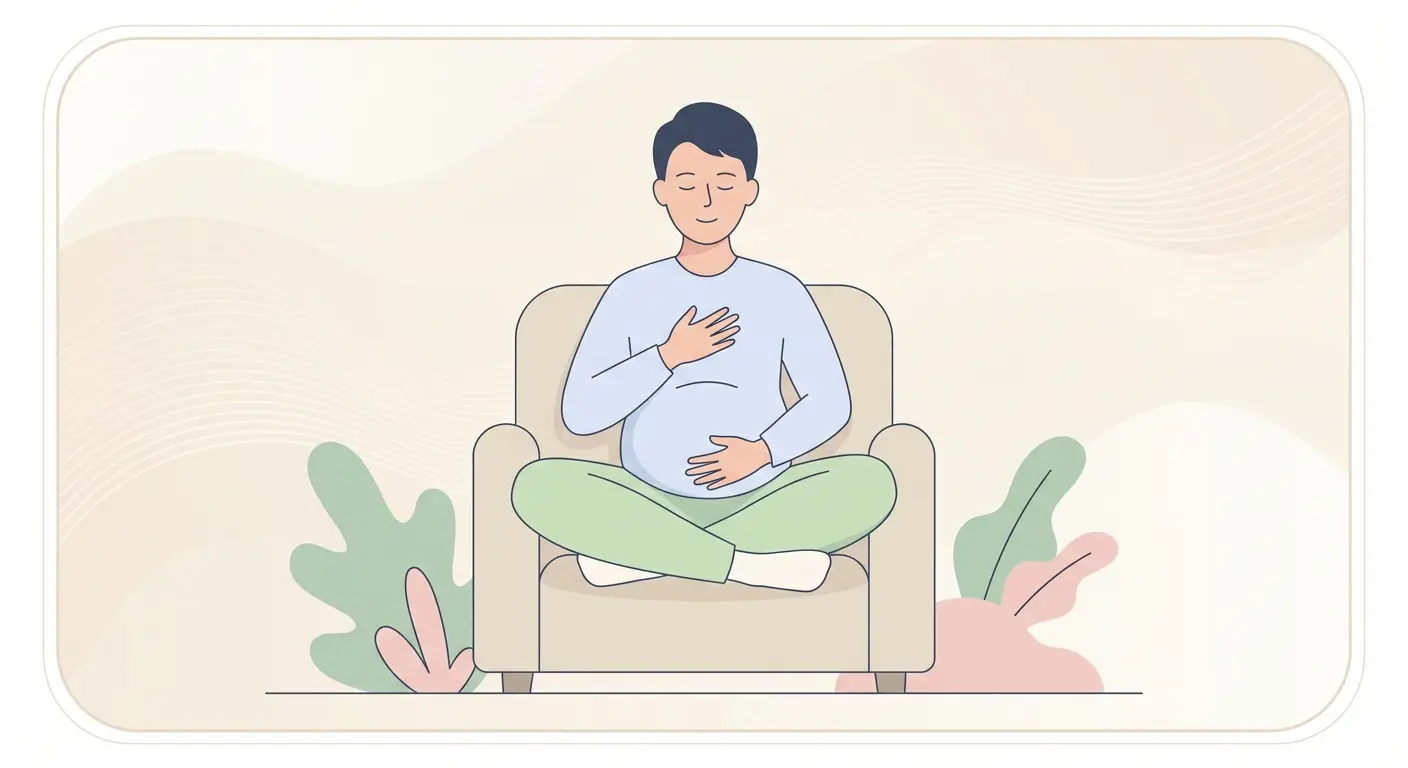
Here’s where it gets interesting: the act of smoking is partly a breathing ritual. You inhale, you pause, you exhale slowly. Smokers unknowingly trigger their own relaxation response through the mechanics of smoking — the deep breath is doing much of the work, not just the nicotine.
When you quit, you lose that built-in breathing cue. That’s one reason cravings feel so physically urgent. Your body is signaling for both the nicotine and the breath pattern that came with it.
Nicotine itself creates a feedback loop. It stimulates dopamine release, which feels rewarding, and it also reduces cortisol temporarily — but withdrawal spikes anxiety again. The result? Every craving arrives dressed in stress. This is well-documented by research on nicotine’s effects on the brain and body.
The parasympathetic nervous system is the “rest and digest” branch of your autonomic nervous system. It slows heart rate, lowers blood pressure, and reduces anxiety. Slow, controlled breathing directly activates this system — making it one of the fastest non-pharmacological tools available to calm craving-related stress.
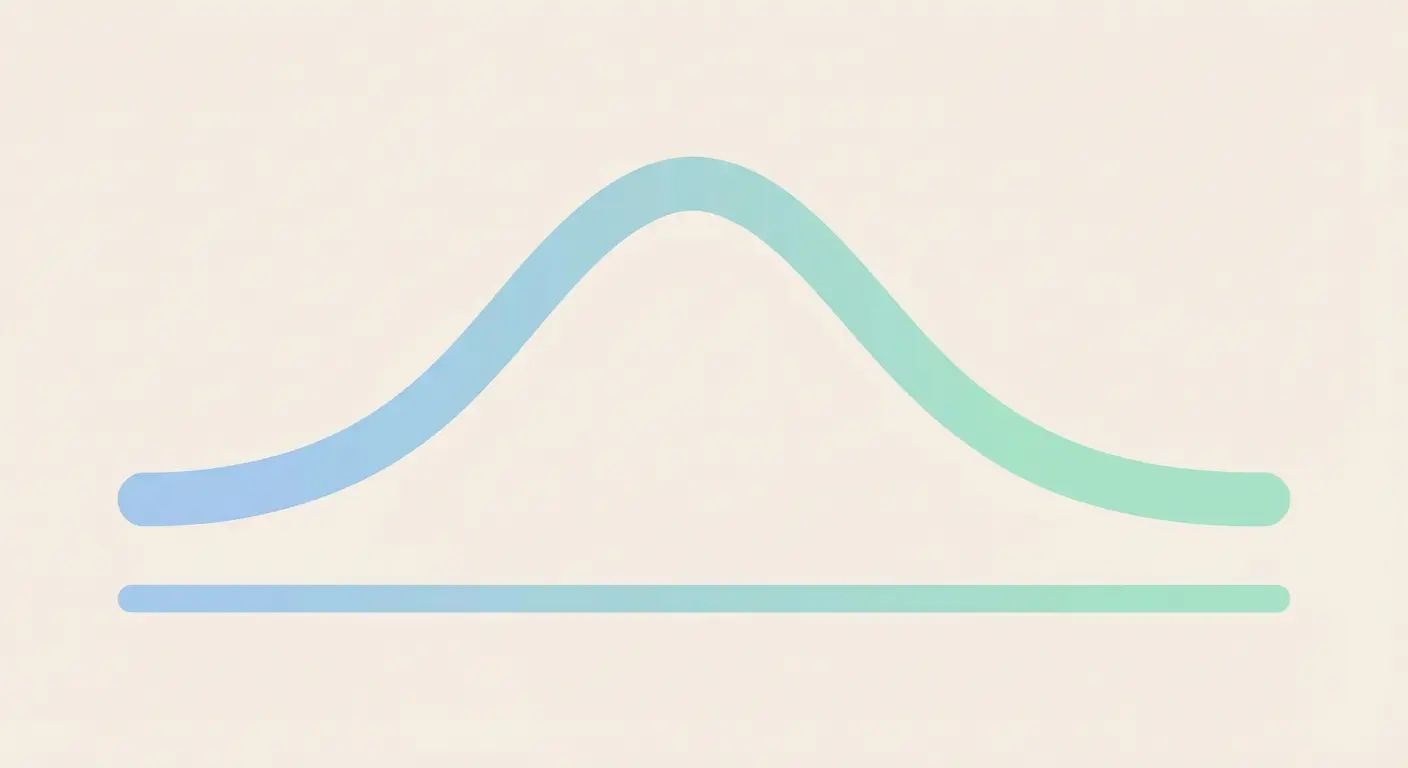
When you take a slow, deep breath — especially with an extended exhale — you manually trigger the parasympathetic response. Heart rate drops. The prefrontal cortex regains control. The craving, which peaks at around 3–5 minutes and then fades, becomes manageable.
What most people miss is that cravings don’t last forever. They’re waves. Controlled breathing is essentially a way to surf that wave instead of being knocked over by it.
The 3-Minute Breathing Routine for Quit Smoking Cravings
This routine was specifically designed for the craving window — that 3-to-5-minute peak period when the urge feels overwhelming. You can do this anywhere: a bathroom stall, your car, a park bench.
Fair warning: the first time you do this, it may feel awkward. Stick with it. Most people notice a shift by the second or third breath cycle.
Step-by-Step: The 3-Minute Craving Response Routine
- Acknowledge the craving (15 seconds): Don’t fight it. Say internally: “I’m having a craving. It will pass.” This reduces the panic response and prevents catastrophizing.
- Sit or stand upright (5 seconds): Posture matters. Slumping compresses the diaphragm and limits breath volume. Open your chest.
- Box Breathing — Round 1 (60 seconds):
- Inhale through your nose for 4 counts
- Hold for 4 counts
- Exhale through your mouth for 4 counts
- Hold for 4 counts
- Repeat 3–4 times
- Diaphragmatic Breathing — Round 2 (60 seconds): Place one hand on your chest, one on your belly. Breathe in so that only the belly hand rises. Exhale slowly for 6 counts. Repeat 4–5 times.
- 4-7-8 Breath — Final Round (45 seconds): Inhale for 4 counts, hold for 7 counts, exhale for 8 counts. This extended exhale maximally activates vagal tone (your body’s calming signal). Do 2 cycles.
- Ground yourself (15 seconds): Name 3 things you can see. This bridges the breathing exercise back to present-moment awareness and signals to your brain that the “emergency” has passed.
Total time: approximately 3 minutes. For quick craving relief when you need more context on why certain moments trigger the urge so intensely, see the section on trigger recognition and quit smoking strategies.
Breathing Techniques Compared: Which One Fits Your Situation
Not every craving hits the same way. A stress-triggered craving at work is different from a habit-triggered one after dinner. Choosing the right technique for the moment makes a real difference.
| Technique | Best For | Time Required | Difficulty Level |
|---|---|---|---|
| Box Breathing (4-4-4-4) | Acute stress-triggered cravings, high-anxiety moments | 1–2 min | Beginner |
| 4-7-8 Breathing | Evening cravings, sleep-related urges, emotional triggers | 2–3 min | Beginner–Intermediate |
| Diaphragmatic Breathing | Habit-triggered cravings (after meals, with coffee), general anxiety | 3–5 min | Beginner |
| Alternate Nostril Breathing (Nadi Shodhana) | Morning cravings, balancing mood swings, post-meal urges | 3–5 min | Intermediate |
| Pursed Lip Breathing | Physical withdrawal discomfort, chest tightness during quit | 1–3 min | Beginner |
The NHS recommends identifying your smoking triggers before selecting coping strategies — this applies directly to choosing a breathing technique. If you know your craving typically hits during stressful calls at work, box breathing is your go-to. If it’s the post-dinner ritual, diaphragmatic breathing suits the slower pace better.
When to Use Breathing Exercises During Quit Smoking
Timing is everything. A lot of people try breathing exercises for the first time when they’re already mid-craving — and then conclude it “didn’t work” because they couldn’t focus. The truth is that the technique works better when you’ve practiced it at least a few times outside of crisis mode.
Three Key Moments to Practice Breathing Techniques
1. Preventively (morning routine): Spend 3 minutes doing box breathing before you face your first trigger of the day. This isn’t about cravings yet — it’s about calibrating your nervous system before stress enters the picture. People who practice this consistently report fewer craving spikes overall.
2. At your trigger point: If coffee always preceded a cigarette, start your breathing routine the moment you pick up your cup. You’re interrupting the conditioned response before it peaks.
3. During an active craving: Use the 3-minute routine above. The goal isn’t to eliminate the feeling — it’s to ride it out. Cravings typically peak at 3 minutes and then subside. You’re buying time, and time is what wins.
The Mayo Clinic’s guide on resisting tobacco cravings specifically lists controlled breathing and mindfulness practices as front-line coping techniques — right alongside NRT and behavioral therapy.
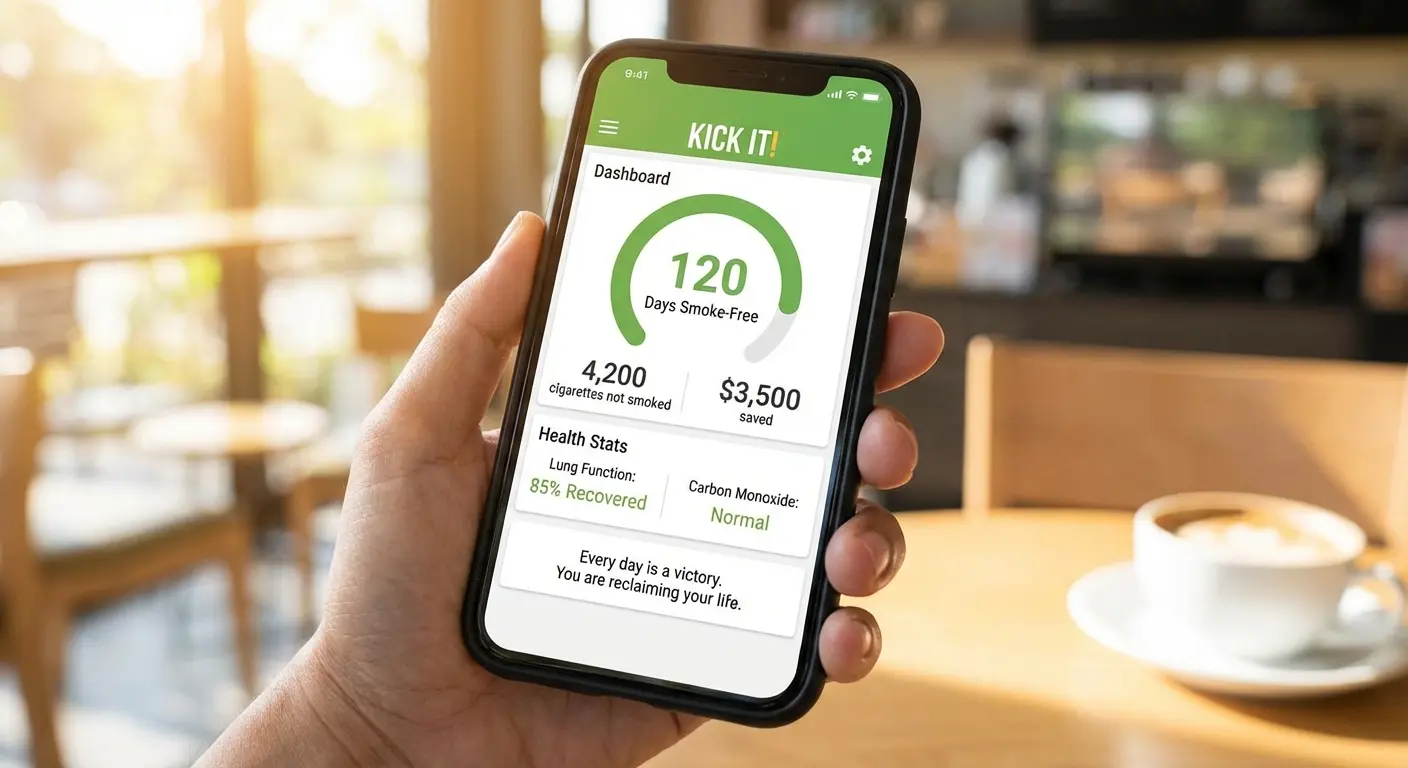
One thing worth mentioning: if you’re using an app to track your quit journey, some tools offer real-time craving alerts and guided exercises. The iQuit app includes an SOS craving support feature that walks you through exactly these kinds of in-the-moment interventions — useful when your brain is too foggy from withdrawal to remember which technique to use.
Combining Breathing With Other Coping Strategies for Cravings
Breathing exercises are powerful, but they work best as part of a layered approach. Think of them as your first response — the thing you do in the first 3 minutes — while other strategies build around them.
What most quit smoking guides won’t tell you is that the people who succeed long-term rarely rely on a single tool. They build a personal toolkit, testing what works for their body and their triggers, and they combine approaches strategically.
How to Layer Breathing With Other Quit Smoking Techniques
- Breathing + physical movement: A short 5-minute walk while practicing diaphragmatic breathing is remarkably effective. Movement raises endorphins while breathing lowers cortisol — a dual attack on craving chemistry.
- Breathing + cold water: Drinking a full glass of cold water slowly after a breathing exercise prolongs the calm state and gives your hands something to do — addressing the oral and tactile fixation simultaneously.
- Breathing + distraction: After your 3 minutes of breathing, immediately shift to a 2-minute task: text a friend, do 10 push-ups, solve a quick puzzle. The breathing buys the time; the distraction closes the window.
- Breathing + journaling: Record what triggered the craving, what you felt before and after breathing, and whether it passed. Over time this builds genuine insight into your craving patterns.
For a wider set of tools — including NRT options, behavioral tactics, and how to handle withdrawal symptoms beyond the first week — explore these other coping strategies for quitting smoking that go deeper into the long-term management side.
The CDC’s Tips From Former Smokers program also emphasizes that no single method works alone — their research consistently shows that combining behavioral strategies with professional support or cessation tools significantly increases quit rates.
Quit Smoking Success Stories: Breathing as the Turning Point
Numbers and techniques only go so far. Sometimes what you need is to know that someone else was exactly where you are — and got through it.
Sharon A., featured in the CDC’s Tips From Former Smokers campaign, used simple physical redirection (a treadmill) to break the craving cycle. Her approach mirrors what breathing does neurologically: it puts your body in a different state, buying the minutes your craving needs to peak and pass. She smoked for years. She quit. The method was unglamorous and accessible.
Across online quit-smoking communities, a recurring theme in quit smoking success stories is the same: the people who made it past the 30-day mark usually describe finding a physical anchor — something they could do with their body to interrupt the craving signal. Breathing exercises appear again and again in those accounts, often described with phrases like “I didn’t think it would work, but it did” or “I felt stupid doing it the first time, and then it actually helped.”
Here’s what’s counterintuitive: most people in these stories say the breathing didn’t make the craving disappear. It made it survivable. That’s the real goal. You’re not trying to un-want a cigarette. You’re trying to outlast the craving.
Quit smoking motivation doesn’t come from hating cigarettes more. It comes from accumulating small wins — moments where you expected to fail and didn’t. Every craving you breathe through is a data point that says: I can do this.
If you want a broader framework for building quit smoking motivation alongside these coping tools, this guide on top strategies to quit smoking successfully covers the mindset and behavioral science behind long-term success.
Your Craving Response Checklist: Ready to Use
Print this, save it to your phone’s notes, or tape it somewhere visible. The goal is that when a craving hits, you don’t have to think — you just follow the list.
3-Minute Craving Response Checklist
- ☐ Pause. Say to yourself: “This is a craving. It lasts 3–5 minutes.”
- ☐ Sit or stand upright. Open your chest. Relax your shoulders.
- ☐ Box breathing. 4 counts in, 4 hold, 4 out, 4 hold. Repeat 3×.
- ☐ Belly breathing. Hand on stomach. Breathe into it for 4 counts, out for 6. Repeat 4×.
- ☐ 4-7-8 breath. In for 4, hold for 7, out for 8. Do 2 cycles.
- ☐ Ground yourself. Name 3 things you can see right now.
- ☐ Drink cold water. Slowly.
- ☐ Log it. Mark the craving as survived in your journal or app.
Tools like the quitSTART app from Smokefree.gov offer built-in craving logs and distraction exercises — worth keeping alongside your breathing practice. And when quit smoking motivation needs a financial nudge, the Quit Smoking Savings Calculator can show you exactly how much you’re saving per day, week, and year — a surprisingly effective motivator.
Frequently Asked Questions About Breathing Exercises and Quit Smoking Cravings
Can breathing exercises really stop a cigarette craving?
Breathing exercises don’t eliminate cravings, but they can significantly reduce their intensity and help you outlast them. Research published in PMC found that mindfulness-based yogic breathing reduced craving scores and negative affect in smokers. Since most cravings peak within 3–5 minutes, controlled breathing gives you the physiological tools to get through that window without smoking.
How do I deal with cigarette cravings at work when I can’t step away?
Box breathing is your best option in a public or work setting — it requires no movement, no props, and is invisible to those around you. Breathe in for 4 counts, hold for 4, out for 4, hold for 4, and repeat quietly at your desk. Most people can complete 3–4 cycles within 90 seconds without drawing any attention.
How long does it take for cigarette cravings to stop after quitting?
Physical nicotine cravings typically peak in the first 2–3 days after quitting and begin to ease significantly within 2–4 weeks. Psychological cravings tied to habits and triggers can last months longer but generally decrease in frequency and intensity over time. Building a consistent coping routine — including breathing exercises — accelerates that adaptation.
What is the best breathing technique for quit smoking anxiety?
The 4-7-8 breathing technique (inhale 4 counts, hold 7, exhale 8) is particularly effective for quit smoking anxiety because the extended exhale maximally activates the vagal nerve — the main pathway of your body’s calming response. It’s especially useful during the evening, when nicotine withdrawal anxiety tends to spike and sleep becomes disrupted.
How do I stay motivated to quit smoking after a relapse?
A relapse is data, not failure. Most successful long-term quitters relapsed at least once before achieving lasting quit smoking success. The key is identifying what triggered the relapse — stress, a social situation, a specific time of day — and adding a new coping tool for that trigger. Quit smoking motivation rebuilds faster when the focus shifts from “I failed” to “Now I know what to prepare for.”
Are there apps that guide breathing exercises for cigarette cravings?
Yes. Several cessation-focused apps include in-the-moment breathing and craving support tools. The iQuit app, for example, includes an SOS craving feature that provides guided interventions during active cravings, alongside progress tracking and an AI coaching component. The Smokefree quitSTART app also offers distraction exercises and craving logs for free.
Keep Building Your Quit Smoking Toolkit
Breathing exercises are a strong starting point, but sustaining a quit takes more than one technique. Here’s where to go next:
- Understand what drives your specific cravings: top strategies to quit smoking successfully
- Explore what works beyond breathing when cravings get harder: other coping strategies for quitting smoking
- Track your progress and get SOS craving support on the go: iQuit app on Google Play
Every craving you breathe through is a small victory. They add up faster than you think.