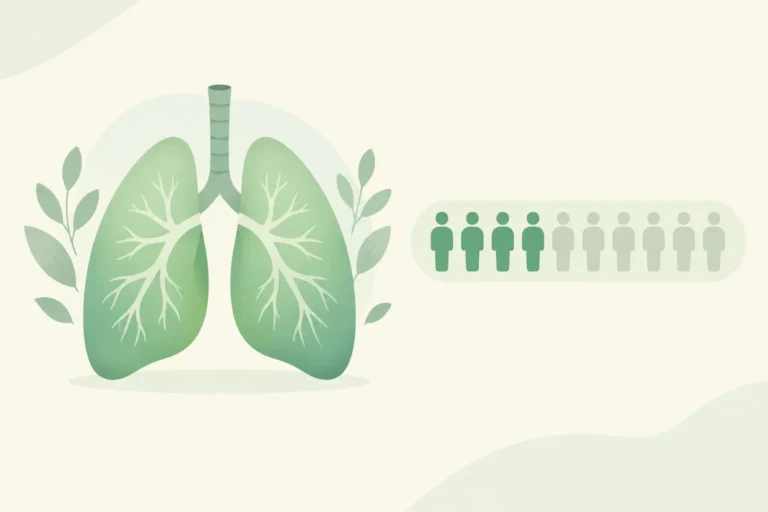

Craving Surfing Technique: 5 Proven Tips for Instant Relief
A cigarette craving peaks in under 5 minutes. That’s a fact most smokers never hear — and it changes everything. When you’re white-knuckling through a craving, it feels permanent, like it’ll only get worse until you give in. But that craving is a wave. It rises, crests, and falls. The question isn’t whether it will pass — it will — it’s whether you have a technique to ride it out.
That technique has a name: craving surfing. And once you understand how it works, dealing with cigarette cravings becomes a completely different experience. This guide breaks down exactly how to do it, with five practical steps you can use right now.
What Is Craving Surfing? (Definition)
The concept came out of relapse prevention research. Dr. Marlatt noticed that people trying to quit — whether from alcohol, cigarettes, or other substances — made their cravings worse by fighting them. Resistance created tension. Tension created obsession. And obsession usually ended in giving in.
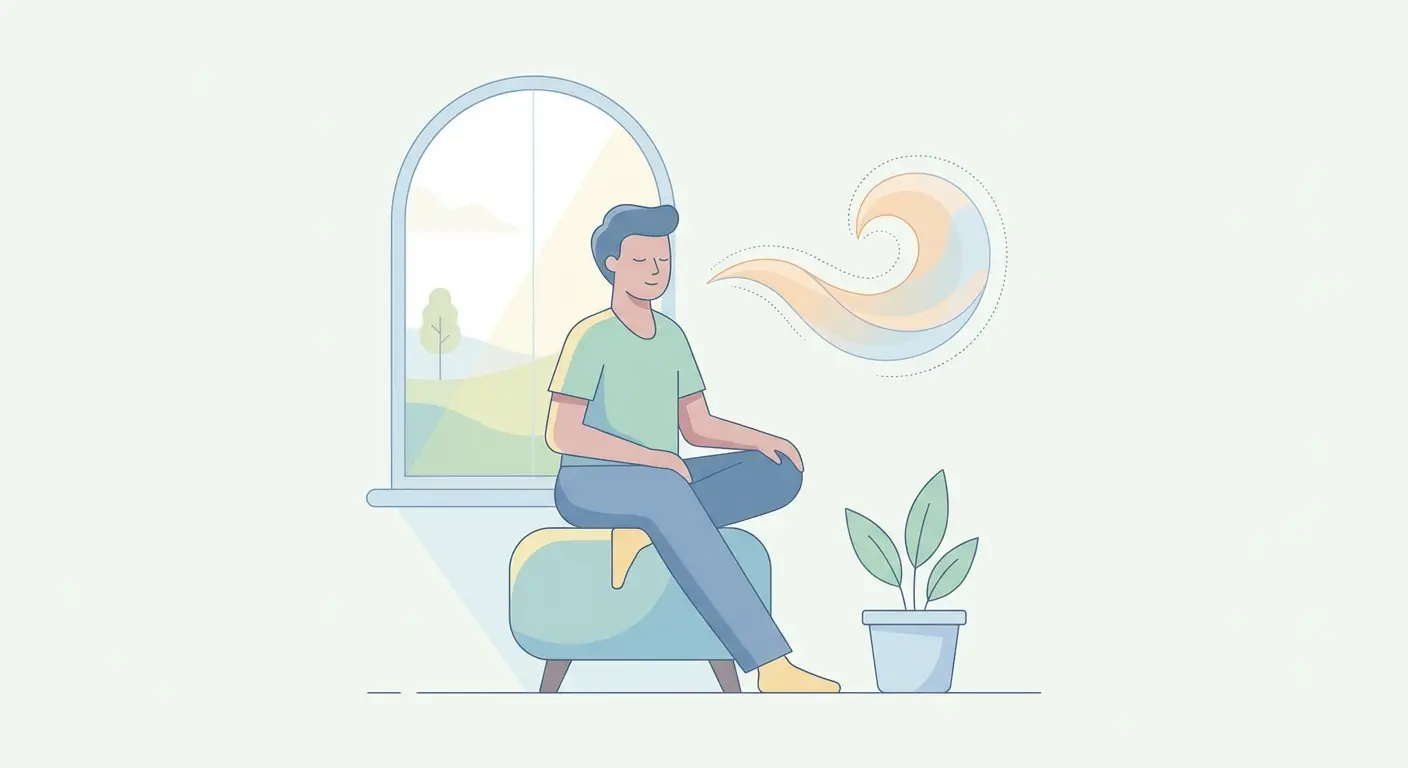
Craving surfing flips that script entirely. You’re not suppressing the urge. You’re not distracting yourself from it. You’re watching it, the way you’d watch a wave from the shore — present, calm, and not getting dragged under.
What most people miss is that this technique isn’t passive. It requires active, deliberate attention. You’re training your brain to break the automatic link between “craving” and “cigarette.” Over time, that rewiring is what makes quitting stick.
Why Cigarette Cravings Feel Impossible to Resist
Here’s where it gets interesting: the craving itself isn’t the problem. It’s what your brain tells you about the craving.
Nicotine addiction works by hijacking your brain’s dopamine reward system. When you smoke, your brain releases dopamine — the “feel good” chemical. Over time, your brain stops producing dopamine naturally and waits for the cigarette to do it. A craving is basically your brain sounding an alarm: “Supply is low. Do something.”
That alarm feels urgent. It feels physical. For many long-term smokers, cravings show up as chest tightness, irritability, difficulty concentrating, or even mild anxiety. These are real physiological signals — not weakness, not lack of willpower. According to the CDC’s guide on how to quit smoking, nicotine cravings are one of the most common challenges people face when stopping, and they’re a normal part of the withdrawal process.
The problem with fighting cravings is that suppression paradoxically increases their intensity (researchers call this the “rebound effect”). The more you say “don’t think about smoking,” the more you think about smoking. Craving surfing bypasses this trap entirely.
Understanding your personal triggers — stress, meals, social situations, certain locations — is the foundation of managing cravings long-term. Our guide on top strategies to quit smoking successfully goes deep on trigger identification, which pairs well with craving surfing as an in-the-moment tool.
5 Proven Craving Surfing Tips for Instant Relief
These aren’t abstract mindfulness platitudes. Each tip is a specific action you can take the next time a craving hits — in your car, at your desk, or standing outside a building where you used to smoke.
Tip 1: Name the Craving Out Loud (or In Your Head)
The moment a craving starts, say — even silently — “This is a craving. It will peak and pass.” This simple labeling activates the prefrontal cortex, the rational part of your brain, and reduces the emotional intensity of the urge. A 2011 study published in Psychological Science found that affect labeling (naming emotions) reduces the brain’s threat response. You’re not fighting the craving. You’re just observing it from one step back.
Tip 2: Locate It in Your Body
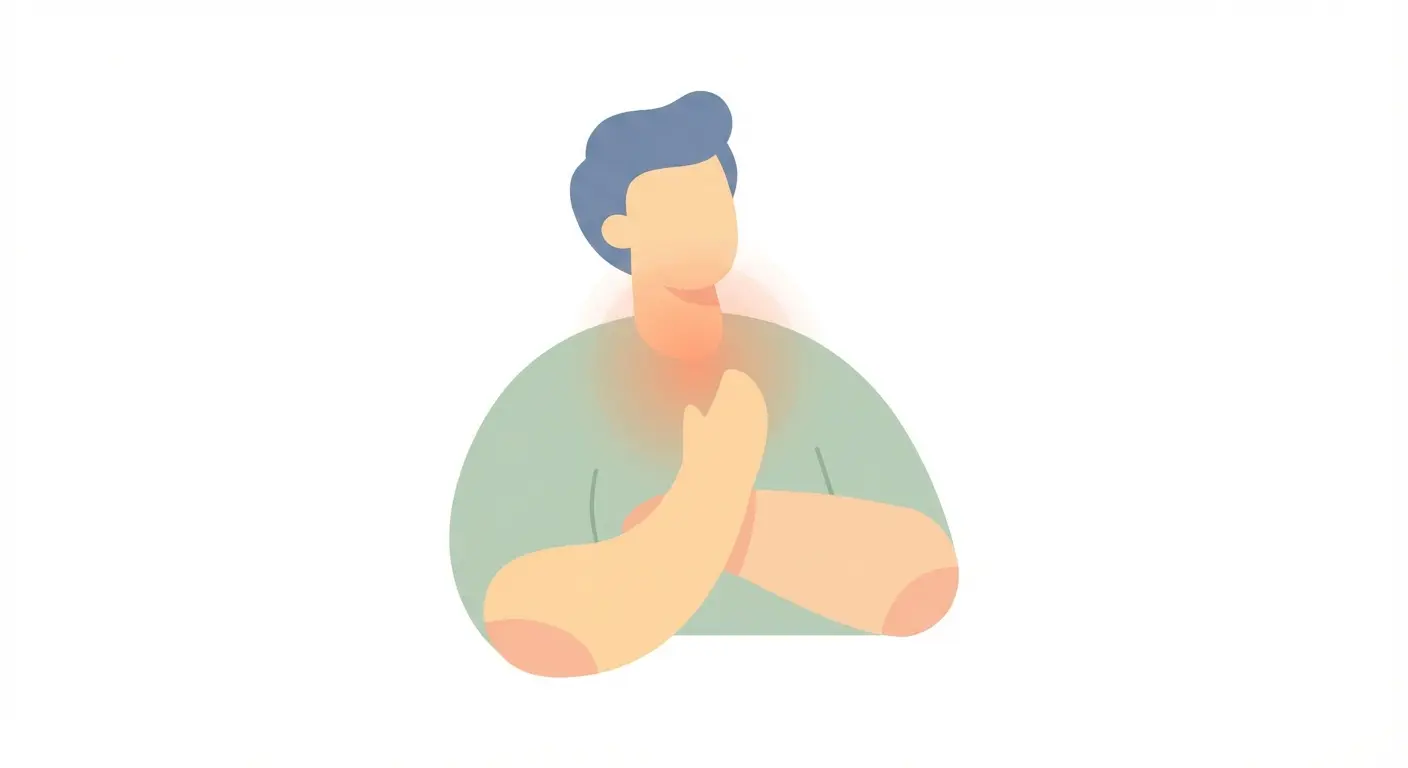
Close your eyes (if safe to do so) and scan your body. Where exactly is the craving? Is it a tightness in your throat? An itch in your hands? A hollow feeling in your chest? Most people are surprised to discover cravings have a specific physical location — and that location shifts as you pay attention to it.
This body-scan step is crucial because it converts an abstract, overwhelming urge into something concrete and observable. What’s observable is manageable.
Tip 3: Ride the Wave with Box Breathing
While you’re observing the craving, use box breathing to anchor yourself:
- Inhale for 4 counts
- Hold for 4 counts
- Exhale for 4 counts
- Hold for 4 counts
Repeat 3–4 times. Box breathing activates your parasympathetic nervous system, which directly counteracts the stress response driving the craving. The Mayo Clinic includes controlled breathing among its evidence-backed coping strategies for nicotine withdrawal — and it’s a technique you can use anywhere, anytime, with zero equipment.
Tip 4: Track the Wave’s Rise and Fall
Set a 5-minute timer and — this is the key move — rate your craving intensity every 30 seconds on a scale from 1 to 10. You might start at an 8. Then it goes to 9. Then it drops to 7. Then 5. Then 3. This isn’t just a coping trick; it’s real-time evidence that the craving is temporary. After doing this 3–4 times, your brain starts to believe it. The panic fades. The certainty that you must smoke dissolves.
If you want a structured way to track this, the iQuit app includes an emergency SOS craving support feature that walks you through exactly this process — with a real-time timer and intensity tracker built in.
Tip 5: Move Your Body for 3–5 Minutes
Physical movement is one of the most underrated craving-busting tools. Research from the National Cancer Institute’s Smokefree program confirms that even short bursts of exercise — a brisk 5-minute walk, jumping jacks, or climbing stairs — can significantly reduce the intensity of cigarette cravings. Exercise releases endorphins that partially replace the dopamine hit you’d normally get from nicotine. Pair movement with the breathing technique above, and you’ve got a powerful one-two approach for riding out the craving wave.
Craving Surfing vs. Other Quit Smoking Coping Techniques
Not every craving-management strategy works the same way. Here’s an honest comparison — because the best approach depends on your situation, your personality, and where you are in your quit journey.
| Technique | How It Works | Best For | Limitations |
|---|---|---|---|
| Craving Surfing | Mindful observation — ride the urge without acting on it | All stages of quitting; anywhere, anytime | Requires practice; harder under high stress initially |
| Nicotine Replacement Therapy (NRT) | Patches, gum, lozenges reduce withdrawal symptoms chemically | Heavy smokers (20+ cigarettes/day); severe withdrawal | Doesn’t address behavioral habits; ongoing cost |
| Distraction Technique | Shift attention away from the craving with another activity | Early quitters; mild-to-moderate cravings | Avoidance doesn’t retrain the brain long-term |
| Cold Turkey | Abrupt cessation with no aids or techniques | Strong-willed individuals; those with social support | Higher short-term relapse risk without coping skills |
| Delay + Decide | Wait 10 minutes before acting on the craving, then reassess | Any stage; pairs well with craving surfing | Simple but less effective alone for intense cravings |
A Cochrane Review on nicotine replacement therapy found that NRT can increase quit rates by 50–70% compared to no support — which tells you that combining behavioral techniques like craving surfing with appropriate medical support often outperforms either approach alone.
For a broader look at which combination strategies work best, our article on effective strategies to help you quit smoking covers NRT, support systems, and behavioral tools in detail.
Real Quit Smoking Success Stories That Used This Technique
Data is convincing. But real stories hit differently when you’re 20 minutes into a craving and questioning everything.
Tiffany, a former smoker whose story is featured in the CDC’s Tips From Former Smokers campaign, describes the moment she stopped viewing cravings as emergencies as the turning point in her quit journey. “It was like the craving lost its power once I stopped feeding it panic,” she explained. That’s craving surfing in plain language — not from a textbook, but from lived experience.
What’s consistent across quit smoking success stories isn’t the absence of cravings. Nobody who quits successfully just stops having them. What’s different is the relationship to those cravings. Successful quitters learn to expect cravings, observe them without judgment, and let them pass. That’s the core skill craving surfing builds.
One thing that accelerates this skill-building: tracking your progress daily. When you can see that yesterday’s craving lasted 4 minutes before peaking and that today’s craving only lasted 3, the evidence stacks up in your favor. Apps like iQuit offer mood tracking and journal features that let you document exactly this — turning your quit journey into a record of growing resilience rather than a series of battles.
Step-by-Step Practice: Your First Craving Surf
Fair warning: the first time you try this, it might feel awkward. You’re essentially doing the opposite of every instinct you have around cravings. That’s normal. Trust the process.
Your Craving Surfing Checklist
- Recognize the craving — the moment you notice the urge, say: “A craving is starting. This is normal. It will pass.”
- Stop and sit (if possible) — find a comfortable position; standing works too. Don’t pick up your phone.
- Scan your body — where do you feel the craving? Throat, chest, hands, stomach? Put one hand on that spot.
- Name what you notice — “I feel tension in my chest. It’s about a 7 out of 10. My hands feel restless.”
- Breathe through it — use box breathing (4 counts in, hold, out, hold). Repeat 3–5 times.
- Track the wave — every 30 seconds, check in: is the intensity rising, holding, or falling? Most cravings peak at minutes 2–3.
- Let it fall — when intensity drops below 4/10, take a slow breath and acknowledge: “I rode that one out.”
- Record it — write down the time, intensity, trigger, and outcome. This data becomes your proof that you can handle cravings.
The first surf is the hardest. By the fifth, you’ll have proof — in your own experience — that cravings pass without smoking. That proof is irreplaceable.
If you’re building your overall quit strategy alongside this technique, the Smokefree.gov quit plan builder is a solid, free resource for mapping out your quit date, support system, and coping plan. Craving surfing fits naturally into step 3 — identifying how you’ll handle urges.
Frequently Asked Questions
How long does a cigarette craving actually last?
Most cigarette cravings peak within 3–5 minutes and fully subside within 10 minutes, even without smoking. This timeline shortens as your quit journey progresses. Craving surfing is effective precisely because it gives you a structured way to get through that brief window without giving in.
Is craving surfing effective for heavy, long-term smokers?
Yes — in fact, long-term smokers often benefit most from craving surfing because their cravings are deeply habit-driven, not just physiological. The technique directly targets the behavioral and psychological loop that cigarettes create. That said, heavy smokers (a pack or more a day) may benefit from combining craving surfing with nicotine replacement therapy during the first 2–4 weeks.
What’s the difference between craving surfing and distraction techniques?
Distraction avoids the craving by shifting your focus elsewhere — scrolling your phone, calling a friend, chewing gum. Craving surfing moves toward the craving deliberately and observes it without acting on it. Distraction can work short-term, but craving surfing builds a lasting skill by retraining your brain’s automatic response to urges.
How do I stay motivated to quit smoking when cravings feel overwhelming?
Quit smoking motivation tends to be highest at the decision moment and lowest mid-craving — which is exactly the wrong time to try to think your way through it. Building craving coping skills before the cravings hit (like practicing craving surfing daily) means you’re not relying on motivation alone. Tracking your progress — days smoke-free, money saved, health improvements — also keeps motivation grounded in real evidence rather than willpower alone.
Can craving surfing prevent relapse after months of not smoking?
Absolutely — in fact, craving surfing is one of the best tools for long-term relapse prevention because cravings can resurface months or even years after quitting, triggered by stress, grief, or social situations. Having a practiced response already in place means those late-stage cravings don’t catch you off guard. Many long-term quit smoking success stories mention that revisiting coping techniques during high-stress periods was what kept them smoke-free.
How to deal with cigarette cravings at work or in social situations?
The body scan and box breathing steps of craving surfing are completely discreet — you can do them at your desk, in a meeting, or at a social event without anyone noticing. The key is practicing these steps when you’re calm so they’re automatic when you need them. Having a short script ready — “I’m going to step out for two minutes” — also buys you the space to ride the wave without social pressure complicating things.
Ready to Put This Into Practice?
Craving surfing works best when it’s part of a bigger quit plan — one that tracks your progress, supports you during hard moments, and keeps your motivation visible. Here are three ways to keep building on what you’ve learned here:
- Read next: Top Strategies to Quit Smoking Successfully — understand your triggers and build a complete quitting framework around craving surfing.
- Go deeper: Effective Strategies to Help You Quit Smoking — NRT options, support systems, and relapse prevention tools that complement this technique.
- Track every craving: The iQuit app includes an emergency SOS craving support feature, mood and journal tracking, and a health recovery timeline — so every craving you ride out becomes part of a visible record of progress. It’s the difference between guessing how you’re doing and knowing.
Cravings aren’t your enemy. They’re temporary signals from a brain that’s relearning how to function without nicotine. Every craving you surf — rather than surrender to — is proof that quit smoking coping techniques work, and that you’re capable of quitting for good. That evidence accumulates. One day, you’ll look back at the wave that once felt insurmountable and realize you don’t even notice the swell anymore.
Article reviewed for accuracy against current CDC guidance, National Cancer Institute resources, and peer-reviewed research on mindfulness-based relapse prevention. Last updated 2025.