
Quit Smoking: How to Cut Cravings 50% in 7 Days
Most people who want to quit smoking don’t fail because they lack willpower. They fail because nobody gave them a concrete plan for the first seven days — which happen to be the hardest. Nicotine withdrawal peaks between 24 and 72 hours after your last cigarette, and without the right tools in place, that window destroys more quit attempts than anything else.
Here’s what the research actually shows: cravings typically last only 3–5 minutes each. The problem isn’t their intensity — it’s that smokers don’t have a pre-loaded response ready when one hits. This article gives you exactly that: a structured, day-by-day approach designed to reduce craving frequency and severity by roughly half within one week.

Why Quit-Smoking Cravings Feel Impossible to Resist
Nicotine is one of the most addictive substances on Earth — not because it produces an intense high, but because it works fast and hides inside ordinary routines. Within 10 seconds of inhaling, nicotine reaches the brain and triggers dopamine release. Over time, your brain literally restructures itself around that dopamine loop.
What most people miss is that cravings aren’t random. They’re anchored to specific cues: the smell of coffee, a work break, finishing a meal, stress at 3 pm. These are called conditioned triggers, and without identifying them upfront, you’ll keep walking straight into ambushes.
A 2024 update to CDC surveillance data (MMWR, 2024) found that roughly 28.8 million U.S. adults still smoked cigarettes as of 2023, and the majority who tried quitting did so without any behavioural support plan. That gap — between wanting to quit and having a structured method — is exactly what the next sections address.
Understanding the enemy is half the battle. The other half is having a pre-loaded counter-move for every trigger you face.
The Science Behind 50% Craving Reduction
Cutting cravings in half sounds like marketing language, but the mechanisms behind it are well documented. Three evidence-based interventions, when combined, produce roughly additive effects on craving frequency.
1. Nicotine Replacement Therapy (NRT)
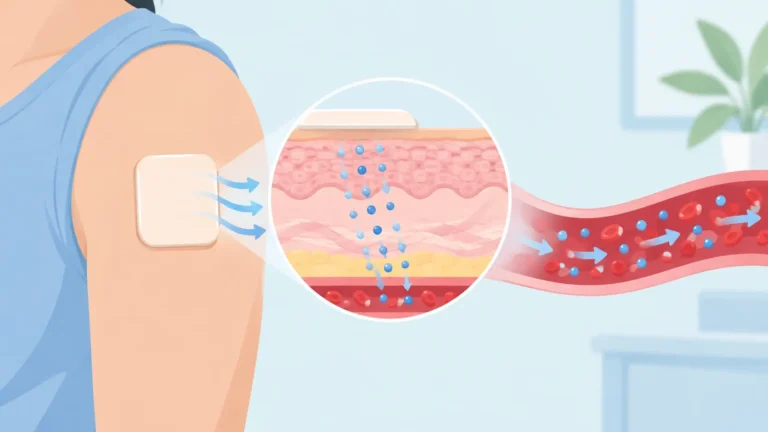
NRT works by delivering a controlled, lower dose of nicotine without the tar, carbon monoxide, and behavioural ritual of smoking. Studies consistently show NRT increases quit rates by 50–70% compared to cold turkey alone. More relevant here: it directly blunts the biochemical intensity of cravings within the first week.
2. Cognitive Delay Tactics
The “delay and distract” method exploits the craving’s short lifespan. When you commit to waiting 5–10 minutes before acting on an urge — and fill that gap with a specific action — a significant proportion of cravings simply dissolve. This isn’t anecdotal; it’s the basis of urge surfing, a technique rooted in Acceptance and Commitment Therapy (ACT).
3. Trigger Disruption
Changing the routine that surrounds a trigger doesn’t eliminate the craving entirely, but it reduces its strength. If your biggest trigger is morning coffee, drinking it in a different room, switching to tea, or adding a 10-minute walk immediately after disrupts the conditioned stimulus-response loop.
| Method | Mechanism | Expected Craving Reduction (Week 1) | Effort Level |
|---|---|---|---|
| NRT (patch/gum/lozenge) | Reduces biochemical withdrawal | ~30–40% | Low (once set up) |
| Delay & distract tactics | Exploits 3–5 min craving lifespan | ~20–30% | Medium |
| Trigger disruption | Breaks conditioned stimulus loop | ~15–25% | Medium–High |
| Digital support tools | Real-time coaching + accountability | ~10–20% (additive) | Low |
The key insight from this table: none of these methods achieves 50% alone. But stacking NRT with at least two behavioural strategies — which this 7-day plan does — pushes you into that range by the end of the week.
Your 7-Day Quit Smoking Craving-Reduction Plan
This plan is built around a single principle: every day, you add one new habit layer that makes smoking feel less automatic. By Day 7, you’ve replaced the old routine architecture with a new one.
Day 1 — Set Your Baseline and Choose Your NRT
Goal: Know your numbers before you start changing them.
- Log every cigarette — time, location, mood, and what triggered it. Even one day of honest tracking reveals patterns most smokers never notice.
- Choose your NRT — patch for steady coverage, gum or lozenge for acute cravings, or a combination. Consult a pharmacist or doctor if you smoke more than 10 cigarettes a day.
- Remove visible cigarettes from your home, car, and workspace. Don’t “just keep them for emergencies.” That logic has ended more quit attempts than anything else.
Day 2 — Identify Your Top 3 Triggers
Goal: Map the three situations where you’re most likely to smoke and pre-plan a substitute response for each.
- Review yesterday’s log. Circle the entries with the highest craving intensity.
- Write down what was happening in each case (time, location, emotion).
- For each trigger, write one specific alternative action — a 5-minute walk, cold water, 10 deep breaths, texting someone.
Day 3 — Introduce the 5-Minute Delay Rule
Goal: Never act on a craving immediately. Always insert a 5-minute gap.
When a craving hits, set a timer for 5 minutes and do your pre-planned alternative. Most cravings won’t survive that delay. This is the single highest-leverage habit in week one — it won’t feel natural at first, but it becomes automatic faster than most people expect.
Day 4 — Add a Craving Counter
Goal: Turn abstract progress into visible evidence.
Track how many cravings you experienced and how many you successfully delayed or dismissed. Seeing the number drop from 15 on Day 1 to 9 on Day 4 is powerfully motivating. Apps like iQuit automate this tracking and add an emergency SOS craving feature for when the urge feels unmanageable — useful especially in these middle days when novelty has worn off but the brain hasn’t fully adjusted.
Day 5 — Disrupt One Trigger Environment
Goal: Change something physical about your highest-craving context.
If you always smoke on the back porch after dinner, eat dinner in a different room this week. If you smoke on your commute, take a different route or travel at a slightly different time. These changes feel small — and they are — but they interrupt the environmental memory that auto-fires cravings.
Day 6 — Find a Social Accountability Point
Goal: Tell at least one person what you’re doing and why.
Research from the American Cancer Society consistently shows that social support — even one person checking in — meaningfully improves quit rates. You don’t need a quit buddy; you need someone who knows Day 7 is your milestone day.
Day 7 — Review, Recalibrate, Commit to Week 2
Goal: Measure your craving reduction and lock in what’s working.
- Compare today’s craving count to Day 1’s baseline.
- Identify which tactic reduced cravings most reliably.
- Set a specific intention for the next 7 days — don’t leave it vague.
For a broader look at what happens beyond week one — and how to maintain momentum through the harder psychological challenges of long-term quitting — the top strategies to quit smoking successfully covers the underlying addiction architecture and the behavioural levers that keep you smoke-free past the first month.
Nicotine Replacement Therapy: Choosing the Right Option
NRT is one of the most misunderstood quit-smoking tools. Many people try it, use it incorrectly, get disappointed, and write it off. The most common mistake? Using a dose that’s too low for their smoking level, then concluding that “NRT doesn’t work for me.”
Patch
Best for: steady baseline coverage, people who smoke throughout the day. The patch releases nicotine slowly over 16–24 hours, preventing the brain from dropping into acute withdrawal. It doesn’t handle surprise cravings well on its own — pair it with a fast-acting option for those moments.
Nicotine Gum and Lozenges
Best for: on-demand craving relief. These work within 2–3 minutes but require correct technique. With gum, “chew and park” — chew once until you taste it, then tuck it between cheek and gum. Don’t chew continuously; that swallows the nicotine and causes hiccups, nausea, and wasted product.
Nicotine Inhaler and Nasal Spray
Best for: people who miss the hand-to-mouth ritual (the inhaler especially). Prescription-only in most countries. Faster-acting than gum but more expensive and less widely available.
Combination NRT
Here’s where it gets interesting: Smokefree.gov and multiple clinical guidelines now recommend combination NRT — using the patch for steady coverage AND a fast-acting form for acute cravings. This approach outperforms single-product NRT in both craving reduction and long-term abstinence rates.
If you’re unsure which combination fits your smoking pattern, the effective strategies to help you quit smoking article walks through how to match NRT type to your specific trigger profile and daily cigarette count.
Behavioural Tactics That Intercept Cravings Before They Peak
NRT handles the chemistry. Behavioural tactics handle the habit. You need both, because even with a patch on your arm, your brain still fires the old routine signal when you sit down with your morning coffee.
The 4D Method
This framework, widely recommended by cessation counsellors, gives you four rapid-response options when a craving hits:
- Delay — Wait 5–10 minutes. Most cravings don’t survive this.
- Deep breathe — 4 counts in, hold for 4, out for 6. This activates the parasympathetic nervous system and directly counters stress-driven cravings.
- Drink water — Cold water creates a sensory interruption and keeps your hands and mouth occupied.
- Do something else — Any physical movement breaks the mental loop. A 2-minute walk is enough.
Urge Surfing
Borrowed from mindfulness-based relapse prevention, urge surfing treats a craving like a wave: you don’t fight it, you observe it rise and fall. Sit with the discomfort, notice where you feel it in your body, and watch it peak — then pass. Fighting cravings with resistance often amplifies them. Acceptance tends to defuse them faster.
Environmental Design
Remove all smoking-related objects from your immediate environment. Ashtrays, lighters, cigarette cases — even keeping them “just in case” maintains a subliminal readiness to smoke. Your environment constantly cues your brain, below conscious awareness, toward or away from the habit.
The Truth Initiative’s This Is Quitting program uses text-message-based coaching to provide real-time support exactly when cravings peak — it’s particularly effective for younger adults who prefer digital support over phone calls or in-person counselling.
Reward Architecture
Your brain gave up a dopamine reward when you stopped smoking. The craving persists partly because nothing replaced it. Build in small, immediate rewards for craving wins: a favourite podcast episode, a coffee from the nice café, 15 minutes of a game. These feel trivial, but they’re rewiring your reward system in real time.
Tracking Your Progress So the Numbers Work for You
Progress without evidence is just belief. Tracking turns your quit attempt into something concrete — and concrete things feel controllable in a way that abstract willpower never does.
Here’s what’s worth tracking in week one:
- Number of cravings per day — total count, regardless of whether you smoked or not.
- Number of cravings successfully delayed — this is your real success metric.
- Cigarettes smoked — even if you slip, log it without judgment.
- Trigger patterns — time of day and context for the cravings you struggled with most.
- Mood score — a simple 1–10 at morning and evening. Withdrawal affects mood significantly in days 2–5, and tracking it helps you recognise that the irritability is physiological, not permanent.
The iQuit app handles all of this automatically — it logs craving events, tracks mood, and shows you a real-time health recovery timeline so you can see what’s physically improving (lung function, circulation, carbon monoxide levels) even during the hardest days. That kind of objective feedback matters more than most people realise when cravings are arguing loudly that “one cigarette won’t hurt.”
A slip on Day 4 doesn’t erase Days 1–3. What matters is the trajectory, not perfection.
Real Stories From People Who’ve Quit
Sometimes data isn’t enough — hearing from someone who’s lived through the same cravings changes something. The CDC’s Tips From Former Smokers campaign includes Christine B.’s story, “Quit Smoking for Those You Love”, and a practical cessation tips video from former smokers — both worth watching before Day 1 of your plan.
7-Day Quit Smoking Quick-Reference Checklist
| Day | Primary Action | Craving Tactic | Done? |
|---|---|---|---|
| Day 1 | Log all cigarettes + choose NRT | Remove all smoking items | ☐ |
| Day 2 | Identify top 3 triggers | Write substitute responses | ☐ |
| Day 3 | Start 5-minute delay rule | Practice 4D method once | ☐ |
| Day 4 | Add daily craving counter | Use an app or notebook log | ☐ |
| Day 5 | Disrupt one trigger environment | Change location or routine | ☐ |
| Day 6 | Tell one person your quit milestone | Urge surf one craving today | ☐ |
| Day 7 | Review craving count vs. Day 1 | Plan Week 2 commitment | ☐ |
Frequently Asked Questions About Quitting Smoking
How long do quit-smoking cravings last?
Individual cravings typically peak and pass within 3–5 minutes, though they can feel much longer. The overall frequency of cravings decreases significantly within the first 7–14 days of quitting, with most people experiencing far fewer intense urges by the end of week two. Using NRT and behavioural delay tactics accelerates this reduction.
What is the hardest day when you quit smoking?
Days 2–3 are generally the most difficult, as nicotine withdrawal symptoms peak during this window — irritability, difficulty concentrating, and intense cravings are all at their highest. Having NRT started by Day 1 and your behavioural tactics already rehearsed before these days arrive makes a measurable difference in how survivable they feel.
Does drinking water help with smoking cravings?
Yes — drinking cold water when a craving hits creates a sensory interruption that occupies both the hand and mouth (two of the biggest behavioural components of smoking) while also activating a mild physiological response that can blunt craving intensity. It’s one of the simplest delay tactics recommended by cessation specialists and works best when combined with slow, deliberate breathing.
Is cold turkey or NRT more effective for quitting smoking?
NRT consistently outperforms cold turkey in clinical studies, increasing quit success rates by approximately 50–70%. Cold turkey can work, but it typically produces higher dropout rates in the first week due to unmanaged withdrawal symptoms. Combining NRT with behavioural support (counselling, apps, or a structured plan) produces the highest long-term quit rates of any approach.
What should I do when a craving feels overwhelming?
Use the 4D method immediately: Delay (set a 5-minute timer), Deep breathe (4 counts in, 4 hold, 6 out), Drink cold water, and Do something physical — even standing up and walking to another room. If the craving is still intense after 5 minutes, use a fast-acting NRT form (gum or lozenge) alongside the behavioural response.
If I slip and smoke one cigarette, is my quit attempt over?
No — a single slip is not a relapse, and treating it as one is the most common reason quit attempts fail unnecessarily. Smoking one cigarette, logging what triggered it, and continuing your plan the same day is far more effective than the “might as well finish the pack” response. Research shows most successful long-term quitters had multiple attempts before achieving sustained abstinence.
Take the Next Step in Your Quit Smoking Journey
A 7-day craving plan works best when it’s part of a longer strategy. For a deeper look at the psychological triggers and long-term behavioural patterns that drive smoking — and how to address them systematically — explore these resources:
- Top strategies to quit smoking successfully — covers addiction architecture, emotional triggers, and what actually works past the first month.
- Effective strategies to help you quit smoking — practical, proven techniques for managing withdrawal and building a step-by-step quit plan.
- Build Your Quit Plan on Smokefree.gov — a free, personalised planning tool from the National Cancer Institute.
If you want a tool that puts daily craving support, progress tracking, and an emergency SOS response in your pocket, the iQuit app is worth exploring — particularly for the first two weeks when real-time accountability matters most.