Quit Smoking and Fertility: How Stopping Smoking Improves Reproductive Health in 2026
If you’re planning to start a family — or already trying — your smoking status may be one of the most significant modifiable factors affecting your chances of conceiving and having a healthy pregnancy. Smoking damages reproductive health in both men and women through mechanisms that are well understood, and the damage accumulates with every pack smoked. The good news: when you quit, quit smoking fertility improvements begin quickly, and within months your reproductive health can improve meaningfully in 2026.
This isn’t just about pregnancy outcomes, though those are important. It’s about egg quality, sperm health, hormonal balance, and the full arc of reproductive function — all of which are impacted by smoking and all of which can recover after cessation.
How Smoking Affects Female Fertility
Female fertility is profoundly affected by smoking through several pathways:
Accelerated Ovarian Aging
Women are born with a finite supply of eggs, and this supply naturally decreases with age. Smoking accelerates this process. Research shows that smoking women reach menopause 1–4 years earlier than non-smoking women and have measurably lower ovarian reserve (fewer eggs remaining) at any given age. Polycyclic aromatic hydrocarbons in cigarette smoke directly trigger egg cell death (apoptosis) in the ovaries.
Egg Quality Damage
Beyond quantity, smoking damages the quality of remaining eggs. Oxidative stress from cigarette smoke damages egg DNA and mitochondrial function — the cellular energy supply that eggs need for successful fertilization and early embryo development. This damage increases the likelihood of chromosomally abnormal eggs and embryos.
Fallopian Tube and Implantation Effects
Smoking impairs the cilia (hair-like structures) in the fallopian tubes that move eggs toward the uterus, increasing the risk of ectopic pregnancy. It also alters the uterine lining (endometrium) in ways that impair embryo implantation, reducing the success rate even when fertilization occurs.
Hormonal Disruption
Smoking affects estrogen metabolism and can disrupt the hormonal cascade governing ovulation. Smokers show altered FSH, LH, and estradiol profiles in some studies, potentially disrupting cycle regularity and ovulation predictability.
How Smoking Affects Male Fertility
Male fertility is equally impacted by smoking. Research consistently shows:
- Sperm count: Smokers have 13–17% lower sperm concentration than non-smokers on average
- Sperm motility: The ability of sperm to swim effectively is reduced, lowering the likelihood of reaching and fertilizing an egg
- Sperm morphology: Smoking increases the percentage of abnormally shaped sperm, which are less likely to fertilize eggs successfully
- DNA fragmentation: Cigarette smoke causes oxidative DNA damage in sperm, increasing sperm DNA fragmentation rates. High DNA fragmentation is associated with lower fertilization rates, higher miscarriage rates, and poorer embryo development
- Testosterone levels: Some studies show modest reductions in testosterone in heavy smokers
A meta-analysis of 57 studies found that male smoking is associated with a 16% reduction in the probability of achieving pregnancy within 12 months, even when the female partner is a non-smoker.
Smoking and Pregnancy Outcomes
If pregnancy is achieved despite smoking, the risks extend throughout the pregnancy:
- Miscarriage: Smoking doubles the risk of miscarriage in the first trimester
- Placental complications: Placenta previa and placental abruption are significantly more common in smokers
- Preterm birth: Smoking is one of the strongest risk factors for preterm delivery (before 37 weeks)
- Low birth weight: Nicotine causes vasoconstriction in placental blood vessels, reducing nutrient and oxygen delivery to the fetus, resulting in lower birth weight
- Sudden Infant Death Syndrome (SIDS): Parental smoking — including second-hand smoke — is a major risk factor for SIDS
Fertility Recovery After Quitting Smoking
Male Recovery Timeline
The good news for men is that sperm production cycles are approximately 74 days (about 3 months). This means that improvements in sperm quality — count, motility, morphology, and DNA fragmentation — become measurable within 3 months of quitting smoking. Studies show meaningful improvements in all sperm parameters within this timeframe.
Female Recovery Timeline
For women, the picture is more nuanced because egg development takes approximately 90 days before ovulation. Improvements in egg quality from reduced oxidative stress become biologically meaningful within 3–6 months of quitting. However, previously accelerated ovarian aging cannot be fully reversed — which is why earlier cessation provides more benefit.
Research on women undergoing fertility treatment shows improved outcomes when they quit smoking at least 3 months before their treatment cycle. Women who quit smoking before 35 see the greatest recovery in fertility potential.
Smoking and IVF Success Rates
The data on smoking and IVF outcomes is particularly striking:
- Female smokers undergoing IVF need approximately twice as many embryo transfers to achieve a live birth compared to non-smokers
- IVF live birth rates are reduced by 20–50% in smoking women
- Male smoking reduces IVF success rates independently of female smoking status
- Most fertility clinics require or strongly recommend smoking cessation as part of IVF preparation
Quitting at least 3 months before starting an IVF cycle is the minimum recommended by most reproductive medicine specialists, with longer cessation periods (6–12 months) associated with better outcomes.
Planning Your Quit Before Conception
For couples planning to conceive, the ideal timeline is to quit smoking at least 3–6 months before trying to conceive, giving both partners time for full recovery of reproductive parameters. Key steps:
- Both partners quit together where possible — mutual support dramatically improves quit success rates, and second-hand smoke affects the non-smoking partner and future pregnancy
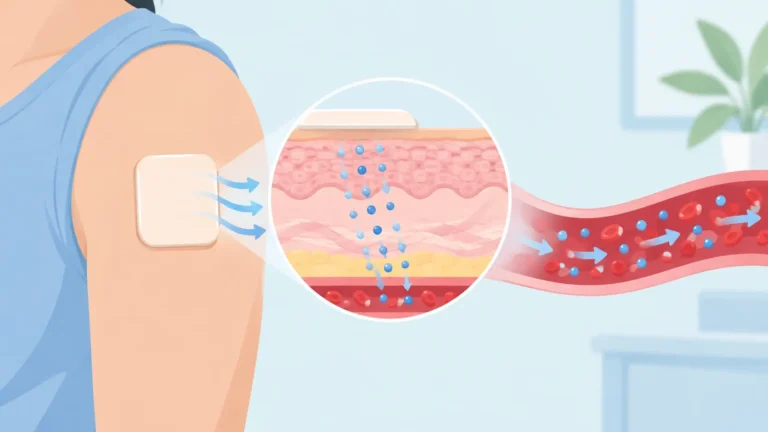
- Use evidence-based cessation methods — NRT is generally considered safe for use before conception, though checking with a GP is advisable; varenicline should be stopped before attempting pregnancy
- Optimize nutrition — antioxidant-rich diets (vitamins C and E, folic acid) support recovery from smoking-related oxidative damage in both sperm and eggs
- Avoid alcohol alongside quitting — alcohol compounds reproductive toxicity
- Track your smoke-free days using the iQuitNow app to maintain motivation through the 3–6 month pre-conception period
For structured habit change support across multiple health goals, Tesify provides AI-powered tools for building and sustaining new behaviors. If you’re a healthcare provider or wellness program manager supporting patients through pre-conception cessation, CampaignOS offers scalable program delivery infrastructure.
Frequently Asked Questions
How soon after quitting smoking does fertility improve?
Male fertility (sperm parameters) begins improving within weeks and shows measurable improvements within 3 months — the length of one full sperm production cycle. Female fertility improvements take slightly longer as egg quality recovery reflects the 90-day egg maturation cycle. Most reproductive specialists recommend quitting at least 3–6 months before trying to conceive to allow meaningful recovery.
Does smoking affect the chances of getting pregnant naturally?
Yes significantly. Female smokers have roughly 30–40% reduced fertility compared to non-smokers. Male smoking reduces the probability of conception by approximately 16% even when the female partner is a non-smoker. Combined, a couple where both partners smoke has substantially reduced chances of natural conception each cycle.
Is it safe to use nicotine replacement therapy while trying to conceive?
NRT is generally considered preferable to continued smoking during pre-conception and early pregnancy. It delivers pure nicotine without the thousands of other harmful chemicals in cigarette smoke. However, nicotine itself is not completely without effect on reproductive function. Discuss NRT use with your GP or reproductive specialist for guidance specific to your situation.
Can smoking cause permanent infertility?
Smoking accelerates ovarian aging permanently — egg count cannot be restored. However, within the eggs that remain, quality improvements are achievable after quitting. For women who have significantly diminished ovarian reserve due to heavy smoking, fertility treatment may be needed. Male fertility damage from smoking is largely reversible within 3–6 months of cessation.
Should I quit smoking before or during pregnancy?
Before is strongly preferred. Quitting at least 3 months before trying to conceive allows egg and sperm quality to recover before fertilization. However, quitting at any point during pregnancy also significantly improves outcomes — women who quit in the first trimester have much better outcomes than those who continue smoking. It is never too late to quit during pregnancy.
Does passive smoking affect fertility?
Yes. Second-hand smoke exposure is associated with reduced fertility in non-smoking women, including lower IVF success rates. It also increases pregnancy complication risks. Eliminating second-hand smoke exposure is an important part of optimizing reproductive health, even for non-smokers.
Quit Smoking for a Healthier Future
Whether you’re planning a family or simply investing in your long-term health, the iQuitNow app gives you the tools to quit successfully — with craving support, progress tracking, and milestones to celebrate every step of the way.