Quit Smoking: How to Cut Heart Disease Risk in 1 Year
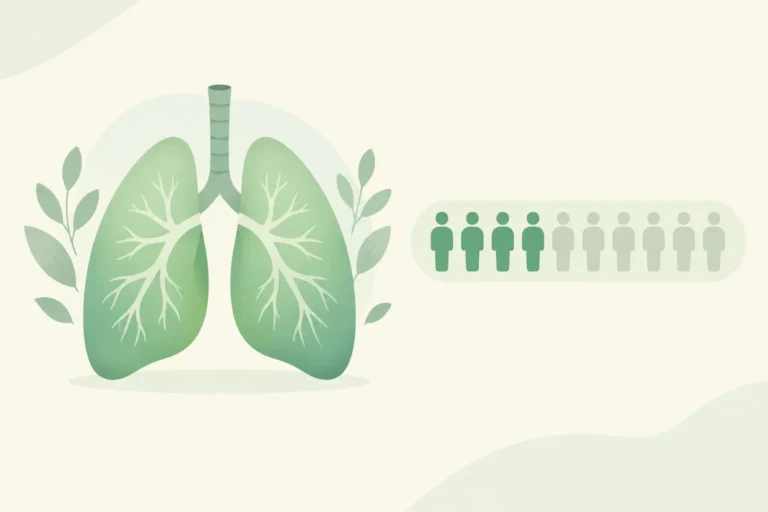
What happens when you quit smoking isn’t just a matter of breathing a little easier. Within 24 hours of your last cigarette, your heart attack risk begins to drop. That’s not motivational language — that’s measurable physiology. Carbon monoxide leaves your blood. Blood pressure starts to normalize. Your cardiovascular system begins a repair process that, over 12 months, can cut your heart disease risk nearly in half.
The challenge, of course, is that the first few weeks feel like everything is getting worse. Nicotine withdrawal symptoms — irritability, insomnia, intense cravings — make it hard to believe the body is healing at all. That gap between “feeling terrible” and “actually recovering” is where most people relapse.
This article maps the full quit smoking benefits timeline, explains what’s happening inside your body at every stage, and gives you the tools to push through nicotine withdrawal toward real, lasting cardiovascular recovery.
What Happens to Your Body When You Quit Smoking
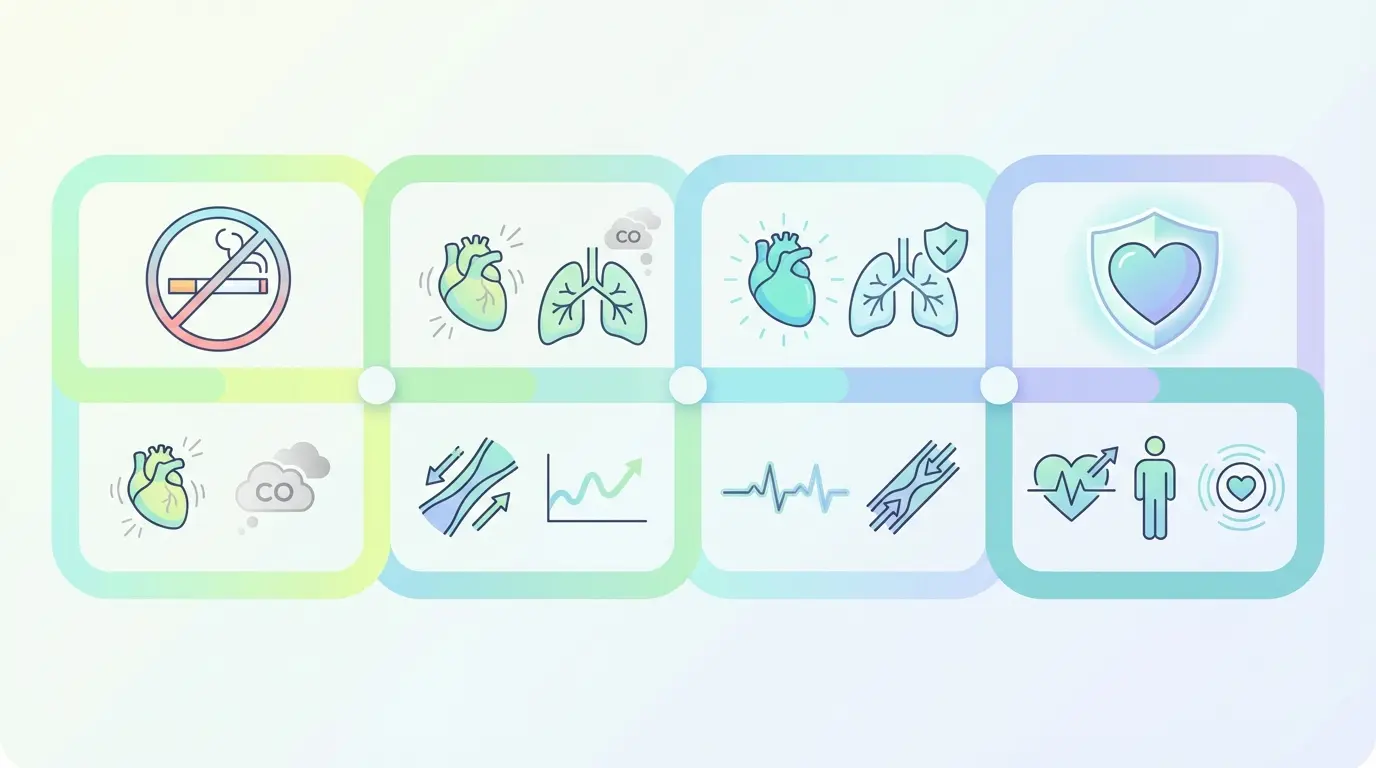
The body’s response to quitting is faster than most smokers expect — and the speed is both reassuring and, initially, overwhelming. Nicotine is a stimulant that has been regulating your heart rate, blood pressure, and brain chemistry. Remove it, and your entire system recalibrates.
Here’s what most people miss: the unpleasant symptoms of early withdrawal aren’t signs that quitting is wrong for you. They’re signs that your body is working correctly — normalizing after a state of chemical dependence. Understanding that distinction changes how you interpret those first brutal days.
Nicotine dependence is a physical and psychological condition in which the brain requires nicotine to maintain normal dopamine and norepinephrine function. When nicotine is removed, withdrawal symptoms emerge as the brain works to re-establish its natural chemical balance — a process that takes roughly 2–4 weeks for acute symptoms.
According to the NCBI Bookshelf chapter on health benefits of smoking cessation, the benefits begin within minutes of the last cigarette. Carbon monoxide — a gas that reduces your blood’s ability to carry oxygen — starts clearing from your bloodstream within hours. Your heart no longer has to work as hard to compensate.
Nicotine also causes blood vessels to constrict. As it leaves your system, vessels begin to dilate. That means more oxygen reaches your muscles, organs, and brain. It’s one reason some ex-smokers report surprising bursts of energy in the second and third week of quitting, even amid the fog of withdrawal.
The physical changes are systemic. Nerve endings in the mouth and nose — blunted by years of smoke — start regenerating around day 2. Some people are startled by how different food tastes. That’s not a side effect. That’s recovery.
Nicotine Withdrawal Timeline: Hour by Hour, Day by Day
The nicotine withdrawal timeline follows a fairly predictable arc, though the intensity varies based on how long and how heavily someone smoked. Knowing what’s coming — and when it typically ends — makes it dramatically easier to get through.
20 Minutes After Your Last Cigarette
Heart rate and blood pressure begin to drop toward normal. This isn’t dramatic, but it’s measurable. Your cardiovascular system is already responding.
8–12 Hours After Quitting
Carbon monoxide levels in the blood drop significantly. Oxygen levels normalize. You may notice a slight headache — that’s often the increased oxygen flow, not a problem.
24–48 Hours: The First Hard Window
Nicotine is fully cleared from the bloodstream. This is when withdrawal hits in earnest. Cravings intensify. Irritability, anxiety, and difficulty concentrating are common. This is the window where most relapses happen — not because quitting is impossible, but because people aren’t prepared for this specific moment.
Days 2–3: Peak Withdrawal
Most people find days 2 and 3 the hardest. Nicotine withdrawal symptoms are at their most intense: insomnia, strong cravings, mood swings, and in some cases, a mild depressive feeling. Fair warning — this stage demands a real support system.
Days 4–7: Beginning of the Turn
Symptoms begin to ease. Cravings, while still present, become shorter in duration (a typical craving lasts 3–5 minutes). Sleep may still be disrupted, but the acute anxiety starts to lift.
Weeks 2–4: Functional Recovery
Physical withdrawal symptoms largely resolve. Coughing may temporarily increase as cilia (tiny airway hairs) regenerate and begin clearing mucus — this is lung recovery in action, not a reason to panic. Psychological cravings remain but are more manageable.
Nicotine Withdrawal Symptoms by Stage
| Timeframe | Physical Symptoms | Psychological Symptoms | What’s Happening |
|---|---|---|---|
| 0–24 hours | Mild headache, some fatigue | Restlessness, mild craving | CO clears; BP normalizing |
| Days 1–3 | Insomnia, increased appetite, sweating | Intense cravings, irritability, anxiety | Nicotine fully cleared; dopamine deficit |
| Days 4–14 | Coughing, sore throat, weight gain possible | Mood swings, difficulty focusing | Cilia regenerating; brain recalibrating |
| Weeks 2–4 | Symptoms fading; energy returning | Situational cravings (stress, meals) | Lung function improving; brain normalizing |
| Month 2+ | Largely resolved | Mild psychological triggers remain | Cardiovascular repair ongoing |
Quit Smoking Benefits Timeline: 1 Year and Beyond
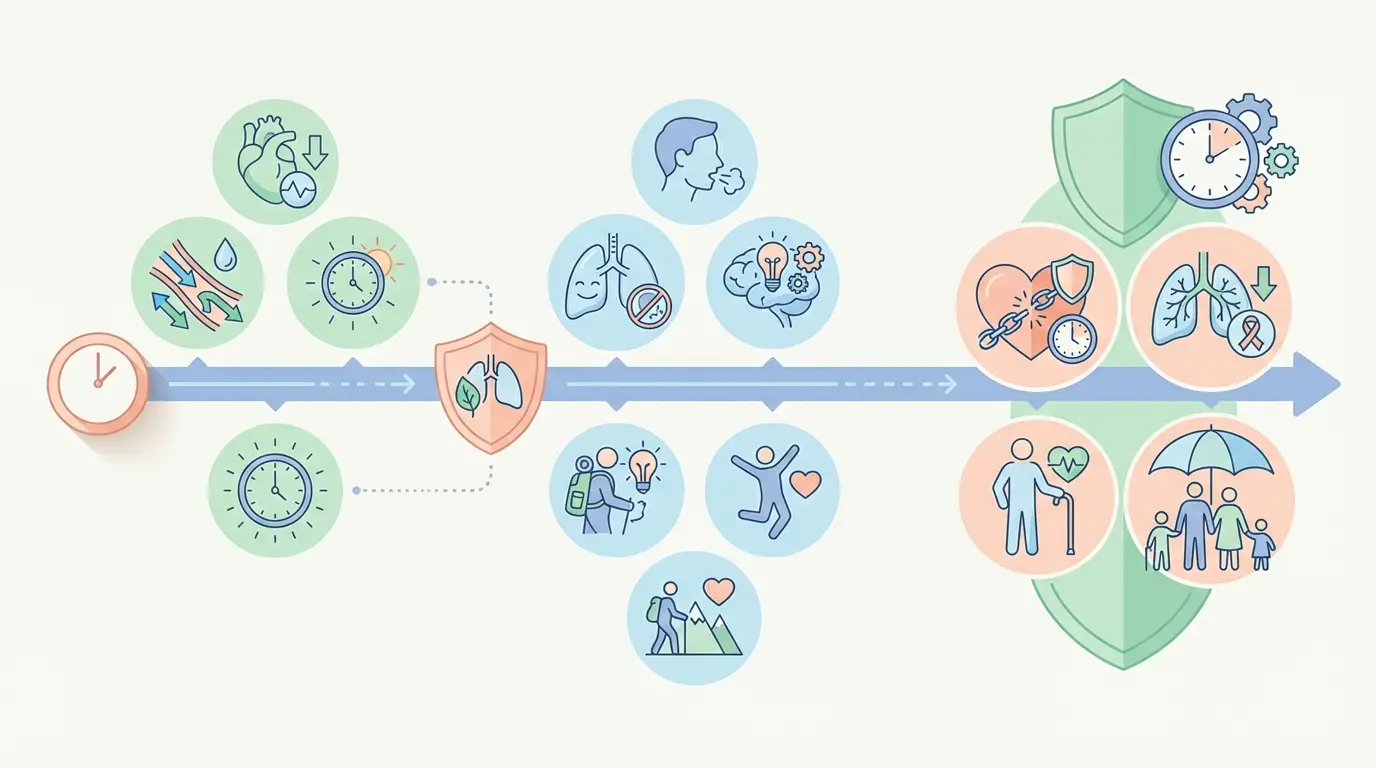
The quit smoking benefits timeline extends far beyond the first month — and the milestones are genuinely worth tracking. Here’s where it gets interesting: the body’s recovery from smoking is nonlinear. Some benefits are nearly immediate. Others unfold over 10–15 years.
According to the American Cancer Society’s guide on quitting smoking benefits over time, the following milestones are well-established:
- 20 minutes: Heart rate drops to a healthier level.
- 12 hours: Carbon monoxide in the blood drops to normal.
- 2 weeks–3 months: Circulation improves; lung function increases by up to 30%.
- 1–9 months: Coughing and shortness of breath decrease; cilia function is restored.
- 1 year: Risk of coronary heart disease is cut by 50% compared to a smoker.
- 5 years: Stroke risk equals that of a non-smoker.
- 10 years: Lung cancer death rate drops to roughly half that of a continuing smoker.
- 15 years: Risk of coronary heart disease equals that of someone who never smoked.
That 1-year mark — the 50% reduction in heart disease risk — is the headline benefit, and it’s real. But reaching it requires surviving the first 90 days, which is statistically the highest-risk period for relapse.
How Quitting Smoking Cuts Heart Disease Risk
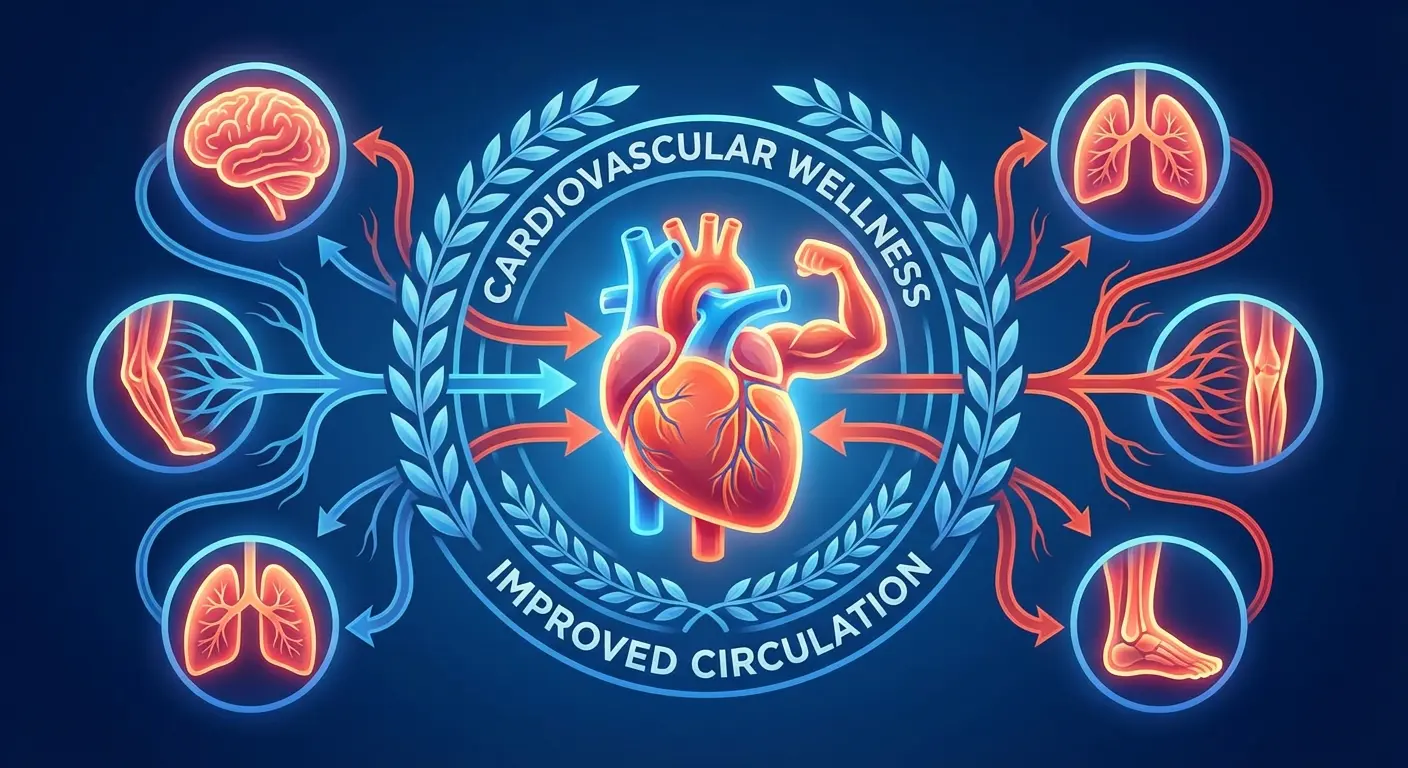
Smoking is the single most preventable cause of cardiovascular disease in the United States. It’s not just the lungs — tobacco smoke attacks the heart and vascular system through at least three distinct mechanisms.
1. Arterial damage and atherosclerosis. Cigarette chemicals damage the endothelium — the inner lining of blood vessels — triggering inflammation and plaque buildup. This is the structural basis of atherosclerosis, which narrows arteries and raises heart attack risk.
2. Blood clotting. Nicotine increases platelet stickiness, making blood more prone to clotting. Clots in narrowed arteries cause heart attacks and strokes.
3. Reduced HDL cholesterol. Smoking lowers “good” cholesterol (HDL), which normally helps remove arterial plaque. Quitting allows HDL levels to recover over time.
When you stop smoking, all three mechanisms begin to reverse. The CDC’s overview of quitting smoking benefits notes that platelet function begins normalizing within weeks. Arterial inflammation — a key driver of cardiovascular events — measurably decreases within months.
What most people don’t realize is that even long-term heavy smokers see substantial cardiovascular benefit from quitting. A 60-year-old who quits after 40 years of smoking still cuts their heart disease risk significantly within 1–2 years. The damage is real, but the body’s capacity for repair is remarkable.
If you’re working on top strategies to quit smoking successfully, focusing on the cardiovascular stakes can be a powerful motivator — especially when cravings hit and the short-term discomfort feels overwhelming.
Lung Recovery After Quitting: What to Expect
Lung recovery after quitting is slower than cardiovascular recovery, but it’s equally real. The misconception that “the damage is already done” keeps some long-term smokers from even trying to quit. The data doesn’t support that view.
Here’s what actually happens in the lungs after you stop smoking:
Cilia regeneration (weeks 1–9): Cilia are tiny hair-like structures that sweep debris and mucus out of the airways. Smoking paralyzes them. Once nicotine and smoke are gone, cilia begin regenerating and functioning within weeks. The temporary increase in coughing that many quitters experience around weeks 2–3 is cilia doing their job — clearing out accumulated mucus.
Reduced inflammation (months 1–6): Chronic smoke exposure inflames airway tissue. As that exposure stops, inflammation decreases and airways widen. Many people notice they can breathe more deeply within 2–3 months.
COPD progression slows: For smokers who already have chronic obstructive pulmonary disease (COPD), quitting doesn’t reverse established damage, but it dramatically slows the decline in lung function. According to the American Lung Association’s benefits of quitting page, quitting is the single most effective intervention for slowing COPD progression.
Reduced infection risk (months 3–12): Smokers have higher rates of respiratory infections because damaged cilia and inflamed airways are easier for pathogens to colonize. As the airways heal, this risk decreases.
Mental Health During Nicotine Withdrawal
There’s a persistent myth that smoking relieves stress and anxiety — and in the short term, it does appear to. That’s the trap. What’s actually happening is that nicotine temporarily relieves the anxiety caused by nicotine withdrawal itself. It’s a loop that creates the illusion of emotional benefit.
During nicotine withdrawal, the mental health challenges are real and deserve honest acknowledgment:
- Irritability and anger: Peak in days 1–3; resolve significantly by day 10.
- Anxiety: Heightened in the first week as the nervous system adjusts to the absence of nicotine stimulation.
- Depression: Mild depressive symptoms affect some quitters, particularly those with a history of depression. This typically resolves within 4 weeks.
- Difficulty concentrating: The prefrontal cortex was accustomed to nicotine’s cognitive effects. Focus returns — often better than before — after 2–4 weeks.
- Insomnia: Nicotine affects sleep architecture. Expect disrupted sleep for 1–3 weeks.
The counterintuitive part? Baseline anxiety and depression scores in ex-smokers are measurably lower after the withdrawal period than they were while smoking. Multiple studies have found that quitting smoking is associated with long-term improvements in mental health — not just physical health.
Tracking mood day by day during withdrawal can be genuinely useful here. Apps like iQuit include journal and mood tracking features specifically designed for this — so you can see the upward trend even when any single day feels hard.
For evidence-based approaches to managing withdrawal symptoms while protecting mental health, the effective strategies to help you quit smoking resource covers nicotine replacement therapy, counseling options, and behavioral techniques that directly address the psychological side of cessation.
Practical Guide: Surviving the First 30 Days After Quitting
The first 30 days are where the quit smoking benefits timeline is built — or broken. What follows is a practical, stage-by-stage framework based on what the evidence says actually works.
Days 1–3: Manage the Peak
- Remove all tobacco products from your home, car, and workspace before day 1. Friction matters.
- Tell people you trust. Social accountability is one of the strongest predictors of cessation success.
- Have a craving plan. A craving lasts 3–5 minutes. Know what you’ll do during those minutes: walk outside, drink cold water, call someone.
- Consider nicotine replacement therapy (NRT). Patches, gum, and lozenges double the success rate compared to quitting cold turkey, according to multiple clinical reviews.
- Expect discomfort — and decide in advance that it won’t derail you. This sounds simple. It isn’t. But making that decision before the craving hits changes how you respond to it.
Days 4–14: Build Momentum
- Identify your triggers. Stress, alcohol, after meals, social situations — know yours specifically.
- Change your environment. If you smoked at the kitchen table with morning coffee, change where you have coffee for the first two weeks.
- Track your progress visibly. Counting days matters psychologically. So does tracking money saved — a pack-a-day smoker saves roughly $300–$400 per month.
- Increase physical activity. Even a 10-minute walk during a craving window reduces craving intensity. Exercise also supports dopamine recovery during withdrawal.
Days 15–30: Consolidate the Habit
- Address situational cravings. By week 3, physical cravings are mostly psychological — tied to situations, not chemistry. Prepare for them specifically.
- Watch for relapse complacency. Feeling good is actually a risk point — some people think “I’ve got this” and test themselves. The research is clear: one cigarette significantly increases relapse risk.
- Celebrate the milestones. One week, two weeks, one month — these matter. Mark them.
- Connect with a community. Peer support groups and cessation programs like the American Lung Association’s Freedom From Smoking® program provide structured support through this window.
Tools from Smokefree.gov — including the quitSTART app and SmokefreeTXT — are free, evidence-based resources that provide real-time support during exactly these critical early days. The iQuit app also offers an emergency SOS craving support feature and daily missions built around behavioral science — the kind of in-the-moment intervention that the first 30 days demand.
Frequently Asked Questions About Quitting Smoking
How quickly does heart disease risk drop after quitting smoking?
Heart disease risk begins dropping within 24 hours as blood pressure and heart rate normalize. Within one year of quitting, the risk of coronary heart disease is cut by approximately 50% compared to someone who continues smoking. After 15 years, cardiovascular risk returns to levels comparable to someone who never smoked.
What are the worst nicotine withdrawal symptoms and when do they peak?
The most intense nicotine withdrawal symptoms — including strong cravings, irritability, anxiety, insomnia, and difficulty concentrating — typically peak between days 2 and 3 after quitting, when nicotine has fully cleared from the bloodstream. Most acute physical symptoms resolve within 2–4 weeks, though psychological triggers can persist for months.
Does quitting smoking help with COPD?
Yes. While quitting smoking doesn’t reverse existing COPD damage, it dramatically slows the decline in lung function — making it the single most effective intervention for COPD management. Patients who quit experience fewer exacerbations, better exercise tolerance, and slower disease progression than those who continue smoking.
Why do some people feel more anxious after quitting smoking?
Increased anxiety in the first 1–2 weeks after quitting is a direct nicotine withdrawal symptom. The brain’s reward and stress systems were calibrated around regular nicotine doses, and recalibration takes time. This anxiety is temporary — studies consistently show that baseline anxiety levels in ex-smokers are lower than when they were actively smoking, once the withdrawal period passes.
What happens to the lungs in the first year after quitting smoking?
In the first year after quitting, lung function improves by up to 30% within the first few weeks as cilia regenerate and airways reduce inflammation. Coughing and mucus production typically increase briefly in weeks 2–3 as cilia clear debris, then decrease significantly. By months 9–12, most former smokers notice a substantial reduction in coughing, shortness of breath, and respiratory infections.
Is it too late to quit smoking if you’ve smoked for decades?
No. The cardiovascular and respiratory benefits of quitting apply regardless of how long someone has smoked. A 60-year-old who quits after 40 years of smoking will still see measurable reductions in heart disease risk within 1–2 years. The sooner you quit, the greater the benefit — but quitting at any age produces real, clinically significant health improvements.
Your Next Step: From Information to Action
Understanding the quit smoking benefits timeline is the starting point — but the gap between knowing what happens when you quit smoking and actually getting through day 3 is where the work happens. That gap is bridgeable. It just requires the right tools at the right moments.
If you’re ready to put this into practice, two resources are worth your time right now:
- The top strategies to quit smoking successfully article covers the behavioral and pharmacological approaches that give you the best statistical chance of reaching that one-year cardiovascular milestone.
- For a structured look at managing withdrawal symptoms and preventing relapse, the evidence-based strategies to help you quit smoking resource addresses the specific challenges covered in this article — from NRT to relapse prevention to mental health support.
The one-year mark — where heart disease risk drops by 50% — is a real, achievable, physiologically grounded goal. Understanding the full health benefits and withdrawal timeline after quitting smoking gives you the roadmap. The first 30 days are hard. The rest is momentum.