
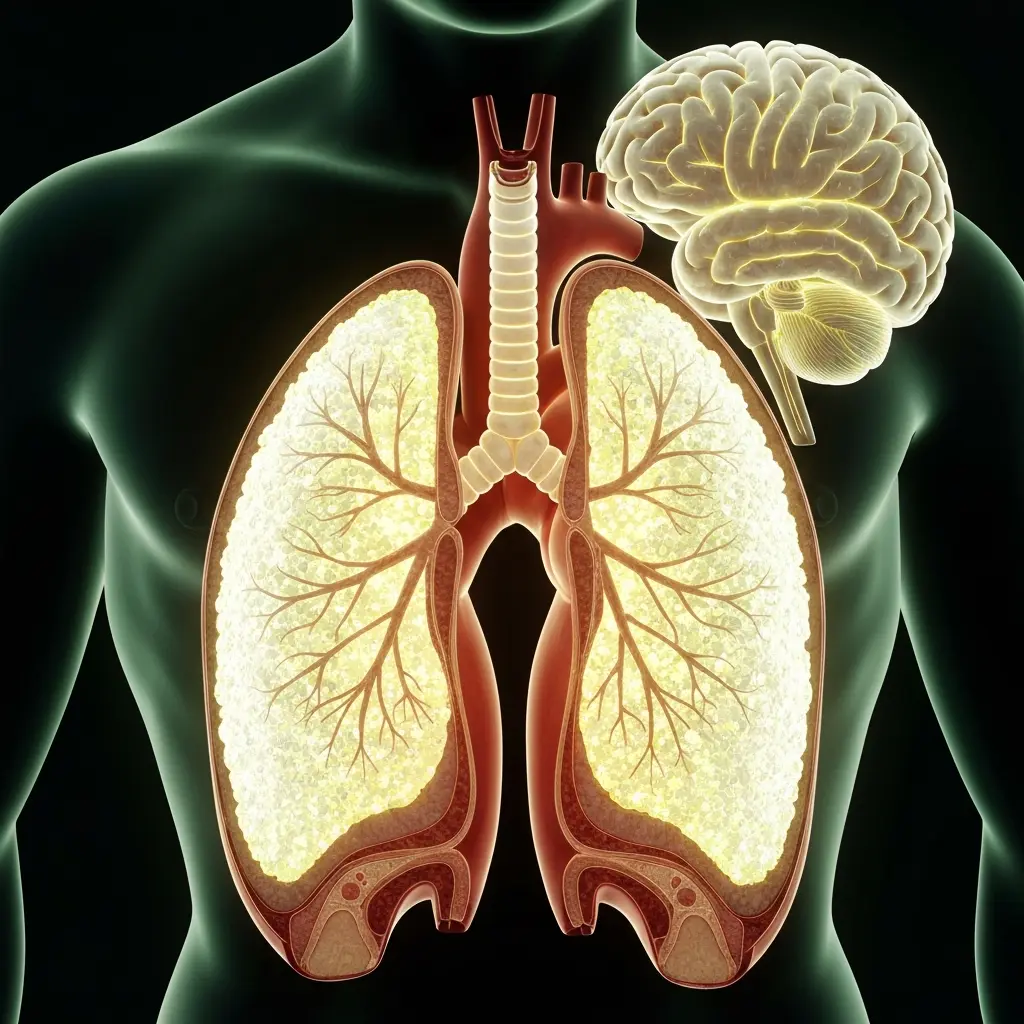
What Happens When You Quit Smoking: The Biology of Recovery Organ by Organ
When you quit smoking, something remarkable happens — not metaphorically, not eventually, but immediately. Within 20 minutes of your last cigarette, measurable biological changes have already begun. Within 48 hours, nicotine has been cleared from your bloodstream. Within one year, your risk of heart disease is half that of a smoker. Within ten years, your lung cancer risk has fallen by half. These are not estimates or aspirational targets — they are clinically documented outcomes observed in studies involving hundreds of thousands of ex-smokers.
But what is actually happening inside your body that produces these results? This guide takes an organ-by-organ approach to the biology of smoking cessation — explaining the specific mechanisms by which each major body system recovers when you stop introducing cigarette smoke’s 7,000+ chemicals. Understanding the biology doesn’t just give you useful facts; it transforms the quit experience from an act of deprivation into one of active healing.
The Heart and Cardiovascular System
Smoking damages the cardiovascular system through multiple simultaneous mechanisms: it raises heart rate and blood pressure (immediate effects), damages the inner lining of blood vessels (endothelial damage), increases the stickiness of blood platelets, promotes the build-up of arterial plaques, and raises levels of inflammatory markers. The cumulative effect is a significantly elevated risk of heart attack, stroke, and peripheral arterial disease.
What happens when you quit:
Within 20 minutes: Heart rate drops from the elevated level maintained by nicotine toward its natural baseline. Blood pressure begins normalising.
Within 24 hours: The risk of an acute cardiac event begins to fall. Blood pressure has normalised. Carbon monoxide (which displaces oxygen in haemoglobin) has been eliminated — your blood can now carry oxygen more efficiently than it could hours ago.
Within 2 weeks to 3 months: Circulation measurably improves. Platelet aggregation normalises, reducing the “stickiness” that contributes to blood clots. The endothelium (blood vessel lining) begins to repair. Exercise tolerance visibly improves.
Within 1 year: According to the CDC, the risk of coronary heart disease drops to about half that of a continuing smoker. This is one of the most dramatic and rapid health recoveries in medicine.
Within 15 years: Heart disease risk is equivalent to that of a lifelong non-smoker.
The Lungs and Respiratory System
The lungs are the most directly affected organ during smoking — and also one of the most resilient. The respiratory recovery process involves multiple distinct phases:
Phase 1: Cilia Reactivation (Days 1–14)
The bronchial lining contains cilia — microscopic hair-like projections that beat rhythmically to propel mucus, bacteria, and debris upward and out of the airways. Cigarette smoke paralyses these cilia, which is why smokers accumulate far more mucus and respiratory infections than non-smokers. Within 72 hours of quitting, cilia begin to reactivate. By day 14, they are functioning again — and actively sweeping out years of accumulated debris. This is the biological explanation for the increased cough many quitters experience in weeks 1–3.
Phase 2: Bronchial Tube Relaxation (Days 3–30)
Smoking causes chronic inflammation and constriction of the bronchial tubes. As inflammation subsides without ongoing smoke exposure, the bronchial tubes begin to relax and dilate. Breathing becomes measurably easier within the first two weeks for most quitters.
Phase 3: Functional Recovery (Months 1–12)
Within 9 months of quitting, lung function — measured as the volume of air a person can exhale in one second (FEV1) — increases by approximately 10% according to NHS data. For someone with even mild smoking-related lung disease, this represents a clinically meaningful improvement in breathing capacity.
Long-Term: Cancer Risk Reduction
After 10 years without smoking, the risk of lung cancer falls to approximately half that of a continuing smoker — one of the most significant cancer risk reductions available through any lifestyle intervention.
The Brain and Nervous System
Nicotine’s neurological effects are central to understanding why smoking cessation is challenging and why recovery takes time. Nicotine binds to nicotinic acetylcholine receptors throughout the brain, triggering dopamine release in the nucleus accumbens — the brain’s reward centre. Chronic nicotine exposure causes the brain to downregulate this reward system (reducing dopamine receptor density) and become reliant on nicotine for normal dopamine function.
What happens when nicotine stops:
- Hours 0–72: Dopamine levels drop as nicotine-triggered releases stop. This produces the withdrawal symptoms — low mood, irritability, anxiety, difficulty concentrating — that characterise early cessation. These are neurological symptoms, not character weaknesses.
- Weeks 1–4: The brain begins upregulating dopamine receptors — gradually restoring sensitivity to natural reward signals. Concentration begins to improve. Mood stabilises.
- Months 1–3: Nicotinic receptor populations normalise. Natural dopamine responses to food, exercise, social connection, and pleasure begin returning to normal or above-normal levels.
- Months 3–12: Full neurological recovery from nicotine dependency. Research shows that long-term ex-smokers actually report lower anxiety and stress than they experienced while smoking — because nicotine was contributing to their anxiety while providing the illusion of relieving it.
Blood Chemistry and Circulation
Smoking profoundly alters blood chemistry. Carbon monoxide in cigarette smoke binds to haemoglobin with 200 times the affinity of oxygen, reducing the blood’s capacity to carry oxygen to tissues and organs. Smoking also increases levels of fibrinogen (a clotting factor) and C-reactive protein (an inflammatory marker), and raises LDL (“bad”) cholesterol while lowering HDL (“good”) cholesterol.
When you quit:
- 12 hours: Carbon monoxide cleared; haemoglobin fully oxygen-loaded again
- 2–4 weeks: Fibrinogen levels begin normalising; blood is less “clot-prone”
- 6–12 weeks: CRP (inflammatory marker) levels fall toward non-smoker ranges
- 6–12 months: Lipid profile (cholesterol balance) begins to improve
These changes collectively reduce the risk of stroke, deep vein thrombosis, and peripheral artery disease — conditions directly driven by the blood chemistry changes of chronic smoking.
The Immune System
Smoking impairs the immune system in multiple ways: it damages the first-line physical barrier of the lungs (cilia and mucus), reduces the effectiveness of white blood cells, increases systemic inflammation, and impairs the function of natural killer (NK) cells that identify and destroy malignant or virus-infected cells.
After quitting, the immune system begins a significant recovery. White blood cell counts normalise within 1–2 months. NK cell function improves. Chronic systemic inflammation — a driver of cardiovascular disease, cancer, and autoimmune conditions — begins resolving. Quitters report fewer respiratory infections within the first year, reflecting the combined benefit of restored cilia function and improved immune response. For a detailed look at immune recovery, see our article on the immune system after quitting smoking.
The Digestive System
Nicotine affects the digestive system through multiple mechanisms: it suppresses appetite (via effects on the hypothalamus), alters gut motility (bowel movements), and affects saliva production. These changes explain some of the most common and least-discussed withdrawal symptoms.
When you quit, appetite increases — sometimes dramatically — as the appetite-suppressing effect of nicotine is removed. Constipation is common in the first 2–4 weeks as gut motility adjusts. Saliva production may temporarily increase. These effects are temporary but can be managed through increased fibre intake, hydration, and regular movement.
On the positive side: reduced stomach acid (smoking stimulates acid production and relaxes the lower oesophageal sphincter) means quitters experience less acid reflux and heartburn within weeks of stopping.
Cancer Risk Across Organs
Smoking is causally linked to at least 15 types of cancer. The WHO reports that quitting smoking reduces cancer risk across all these sites, with the magnitude of risk reduction increasing with years of abstinence:
| Cancer Site | Risk Reduction Timeline | Risk Compared to Continuing Smoker |
|---|---|---|
| Lung | 10 years | ~50% lower |
| Mouth/Throat | 5 years | ~50% lower |
| Oesophagus | 5 years | Significant reduction |
| Bladder | 5–7 years | Significant reduction |
| Cervix | 5 years | Significant reduction |
For the full lung-specific recovery story, including detailed COPD progression data, see our guide to lung recovery after quitting smoking. For cardiovascular specifics, see cardiovascular recovery after quitting smoking.
Frequently Asked Questions
How quickly does your body recover after quitting smoking?
Recovery begins immediately. Heart rate normalises within 20 minutes. Carbon monoxide clears within 12 hours. Cilia begin reactivating within 72 hours. Circulation improves within 2–4 weeks. Lung function measurably improves within 1–3 months. Full cardiovascular risk normalisation takes 10–15 years, and lung cancer risk halves within 10 years. Different organ systems recover at their own pace, but all start the moment you stop smoking.
What happens to your brain when you quit smoking?
When you quit smoking, your brain’s dopamine system — which was hijacked by nicotine — begins the process of restoring its natural balance. Nicotinic receptors are gradually downregulated back to normal levels over several months. Dopamine sensitivity to natural reward stimuli improves. Many ex-smokers report that by month 3–6, they experience more pleasure from everyday activities than they did while smoking. Anxiety levels typically fall below their smoking-era levels after the first month.
Why do smokers cough more when they first quit?
The cough increase in the first 1–3 weeks after quitting is caused by cilia reactivation. Smoking paralyses the tiny hair-like cilia that sweep debris out of the bronchial tubes. When they restart, they begin clearing accumulated mucus and debris — producing a productive cough. This is a sign of active healing, not deterioration. The cough typically resolves within 3–4 weeks and is followed by significantly less coughing than during smoking.
Does quitting smoking reduce cancer risk even if you’ve smoked for decades?
Yes — and significantly. Even after decades of smoking, quitting produces substantial cancer risk reductions. After 10 years without smoking, lung cancer risk is approximately 50% lower than for a continuing smoker, regardless of how long you smoked before quitting. Risk reductions for mouth, throat, bladder, and oesophageal cancer occur even sooner — within 5 years. The benefit of quitting accumulates regardless of when you quit.
When does heart disease risk normalise after quitting smoking?
The trajectory of heart disease risk reduction begins within the first 24 hours. Within one year, the risk of coronary heart disease is about half that of a continuing smoker. Within 15 years, the risk has returned to that of a lifelong non-smoker. People who quit smoking after a heart attack reduce their risk of a second heart attack by approximately 50% — making cessation one of the most effective post-cardiac interventions available.
Watch Your Biology Heal in Real Time
The iQuit App shows you exactly which health milestones your body has hit — from 20 minutes to one year — as they happen. See the biology of your recovery displayed as a live progress tracker.