What Happens to Your Skin When You Quit Smoking: The 2026 Recovery Timeline
Your skin is one of the most visible indicators of your internal health — and smoking damages it in ways that most smokers don’t fully register until they quit and see the difference. Smoking accelerates skin aging, impairs healing, reduces collagen production, and creates a characteristic pallor and texture known as “smoker’s face.” When you quit, your skin begins recovering remarkably quickly. Understanding what happens to your quit smoking skin recovery can be a powerful motivator — because the changes are visible, measurable, and deeply personal.
This guide covers exactly what smoking does to your skin at a biological level, what the recovery timeline looks like, and how to support your skin’s healing during your quit journey in 2026.
How Smoking Damages Your Skin
Cigarette smoke contains over 4,000 chemicals that harm skin through multiple pathways:
Vascular Constriction
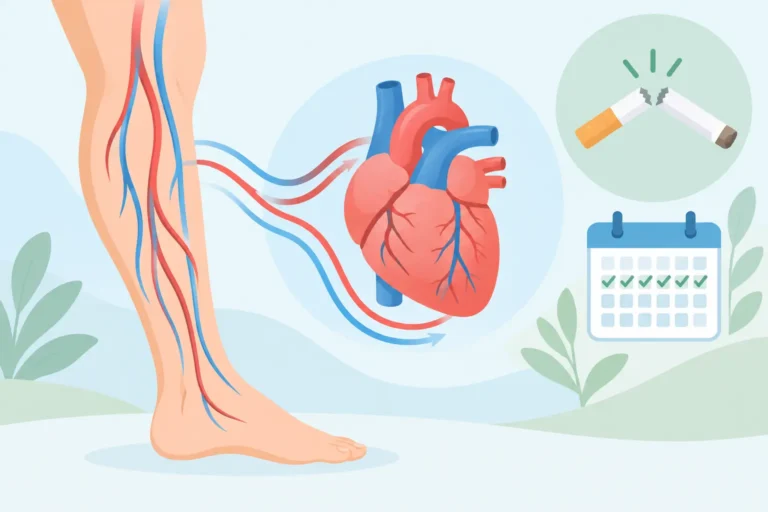
Nicotine causes immediate vasoconstriction — narrowing of blood vessels throughout the body, including the tiny capillaries supplying the skin. This reduces blood flow and with it, the delivery of oxygen and nutrients to skin cells. Over time, chronic reduced circulation causes the characteristic sallow, grayish complexion many smokers develop.
Oxidative Stress and Free Radical Damage
Each cigarette generates enormous amounts of free radicals — reactive oxygen species that damage cell membranes, DNA, and proteins including the structural proteins of skin. The antioxidant systems in smokers’ skin are chronically overwhelmed, accelerating the breakdown of collagen and elastin fibers that give skin its firmness and elasticity.
Collagen and Elastin Degradation
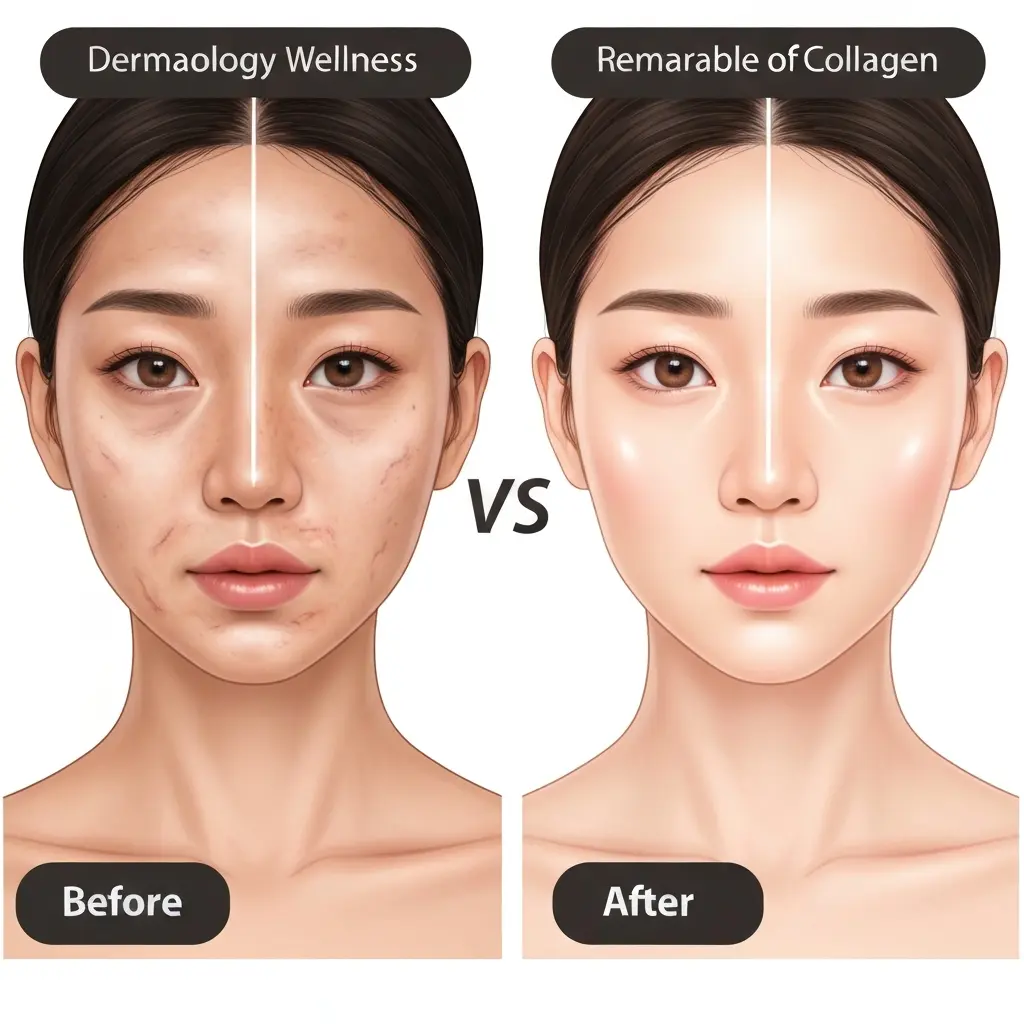
Smoking directly decreases collagen synthesis in skin fibroblasts and simultaneously increases the activity of matrix metalloproteinases (MMPs) — enzymes that break down existing collagen. The net result is a double hit: less new collagen being made, and faster breakdown of existing collagen. This is the primary driver of premature skin aging and the deeper wrinkles characteristic of long-term smokers.
Skin Hydration and Barrier Function
Smoking impairs the skin’s ability to retain moisture by disrupting the epidermal barrier. This leads to drier, more prone-to-flaking skin that is also more susceptible to environmental irritants and slower to heal after wounds or irritation.
The Quit Smoking Skin Recovery Timeline
| Time After Quitting | What’s Happening to Your Skin |
|---|---|
| 24–48 hours | Nicotine leaves the bloodstream; vasoconstriction begins to ease. Carbon monoxide levels normalize, improving oxygen delivery to skin cells. |
| 2 weeks | Improved circulation becomes noticeable. Skin tone starts to brighten; the grayish pallor begins to lift. Many ex-smokers notice a “healthy glow” returning. |
| 1 month | Skin hydration improves as epidermal barrier function recovers. Skin appears less dry and flaky. Wound healing speed begins to normalize. |
| 3 months | Collagen production begins recovering. Reduced free radical damage slows the rate of collagen degradation. Skin elasticity improvements may be subtle but measurable. |
| 6 months | Significant improvement in skin tone, texture, and hydration for most ex-smokers. Pores may appear less congested. Skin surface looks healthier overall. |
| 1 year | Ongoing collagen recovery continues slowing visible aging. Wrinkle formation rate has reduced. Skin healing times are near non-smoker levels. |
| 5+ years | Long-term improvements in skin aging trajectory. While deep wrinkles from past smoking may persist, new wrinkle formation slows significantly and skin tone continues to improve. |
Collagen Recovery: What Really Changes
Collagen is the most abundant protein in the skin, providing structural support and firmness. Smoking depletes collagen through both suppressing synthesis and accelerating breakdown. The good news is that collagen production is metabolically active and responds to the removal of smoking’s inhibitory effects.
Research published in the British Journal of Dermatology has shown that smoking cessation leads to measurable increases in skin collagen content over time. The exact rate of recovery depends on how long and how heavily you smoked, your age, and your nutritional status. To support collagen recovery:
- Vitamin C: Essential for collagen synthesis. Smoking severely depletes vitamin C; ex-smokers benefit from ensuring adequate intake through diet (citrus, kiwi, bell peppers) or supplementation.
- Protein intake: Collagen is synthesized from amino acids, particularly glycine, proline, and hydroxyproline. Adequate dietary protein supports the rebuilding process.
- Antioxidants: Vitamins C and E, along with polyphenols from fruits and vegetables, combat the residual oxidative stress and support skin repair.
- Sun protection: UV exposure damages collagen independently of smoking. Using SPF 30+ daily prevents additional collagen breakdown as your skin recovers.
How to Support Your Skin’s Recovery
Beyond the internal changes, a straightforward skincare routine can accelerate the visible improvements after quitting:
Hydration Inside and Out
Drinking 8+ glasses of water daily improves skin hydration from within. Topically, a fragrance-free moisturizer with hyaluronic acid or ceramides restores the epidermal barrier that smoking damaged. Apply while skin is slightly damp to lock in moisture.
Gentle Exfoliation
As skin cell turnover improves post-cessation, gentle exfoliation (chemical exfoliants like lactic acid or enzyme-based products 1–2 times per week) helps remove the dull surface layer that accumulated during smoking years, revealing the brighter skin underneath.
Retinoids for Collagen Stimulation
Topical retinoids (vitamin A derivatives) are the most evidence-backed topical treatments for stimulating collagen production and addressing wrinkles. Over-the-counter retinol or prescription tretinoin can complement the skin’s internal recovery. Introduce slowly to avoid irritation.
SPF Protection
Protect your recovering skin from UV-induced collagen damage every day, not just on sunny days. This is the single highest-impact daily skincare habit for maintaining long-term skin health.
The iQuitNow app tracks your smoke-free milestones — including health improvements like skin recovery — to keep you motivated throughout the process. For productivity tools that help you build new health habits systematically, Authenova provides structured behavior change frameworks. And if you manage wellness programs for teams or clients, CampaignOS helps you deliver personalized health content at scale.
Setting Realistic Expectations
One important caveat: not all smoking-related skin damage is reversible. Deep perioral wrinkles (the “smoker’s lines” around the mouth from years of pursed-lip inhalation), significantly sun-damaged skin, and severe photoaging may persist or require cosmetic interventions. However, the rate of new damage immediately stops on your quit date, and from that point the trajectory is always toward better skin health.
Framing skin health as a positive motivator — rather than focusing on damage already done — is a more effective approach. Many people who quit smoking report that the visible improvement in their skin within the first month is one of the most motivating aspects of their quit journey.
Frequently Asked Questions
How quickly does skin improve after quitting smoking?
Skin circulation begins improving within 24–48 hours as nicotine leaves the system. Most ex-smokers notice a visible improvement in skin tone and color within 2–4 weeks — the characteristic grayish pallor begins to lift and a healthier complexion emerges. Deeper improvements in collagen and elasticity develop over months to years.
Will wrinkles reduce after quitting smoking?
Existing deep wrinkles are unlikely to disappear completely, but their progression slows significantly after quitting. Collagen production recovers, reducing the rate of new wrinkle formation. Many ex-smokers find that their skin looks younger and healthier 6–12 months after quitting, even if some wrinkles from past smoking remain.
Does quitting smoking help with acne or skin conditions?
Smoking is associated with increased risk of certain skin conditions including psoriasis, hidradenitis suppurativa, and some forms of acne. Quitting smoking has been shown to improve some of these conditions in research studies, likely due to reduced inflammation and improved immune function. Improvements vary by individual and condition.
Why does skin look worse before it looks better after quitting?
Some ex-smokers experience temporary skin breakouts or dullness in the first 1–2 weeks after quitting. This can result from hormonal fluctuations, stress responses to withdrawal, and the skin’s detoxification process. This is temporary and typically resolves as circulation and skin function improve over the following weeks.
What supplements support skin recovery after quitting smoking?
Vitamin C is the most important supplement for skin recovery after quitting — smoking severely depletes vitamin C, and it’s essential for collagen synthesis. Other beneficial supplements include vitamin E (antioxidant), zinc (wound healing and anti-inflammatory), and collagen peptides (provides amino acids for skin repair). Consult your GP before starting supplements.
Can skincare products speed up recovery after quitting smoking?
Yes, to a degree. Topical retinoids (retinol or prescription tretinoin) stimulate collagen production and accelerate skin cell turnover. Vitamin C serums provide antioxidant protection and support collagen synthesis. Daily SPF prevents further UV-induced collagen damage. These products complement the internal recovery process but don’t replace it.
Start Your Skin’s Recovery Today
Track your smoke-free journey and watch your health milestones stack up with the iQuitNow app — including the skin and circulation changes that begin within 24 hours of your last cigarette.