
Quit Smoking Tips: 5 Proven Ways to Gain Health in Month One
Quit smoking strategies often promise the world and deliver vague advice like “stay busy” or “think positive.” You’ve probably heard those before — and if you’ve already tried quitting at least once, you know they don’t cut it when a craving hits at 10 p.m. on a Tuesday.
Here’s what’s actually true: the first 30 days after you stop smoking are biologically significant. Your body starts repairing itself within 20 minutes of your last cigarette. That’s not motivational fluff — that’s documented physiology. The challenge is getting through month one intact, with enough wins stacked up to keep going.
These five quit smoking tips are built around what month one actually looks like: withdrawal, cravings, disrupted routines, and — if you do this right — measurable health gains that make the discomfort worth it.
Tip 1: Set a Quit Date and Build a Written Plan
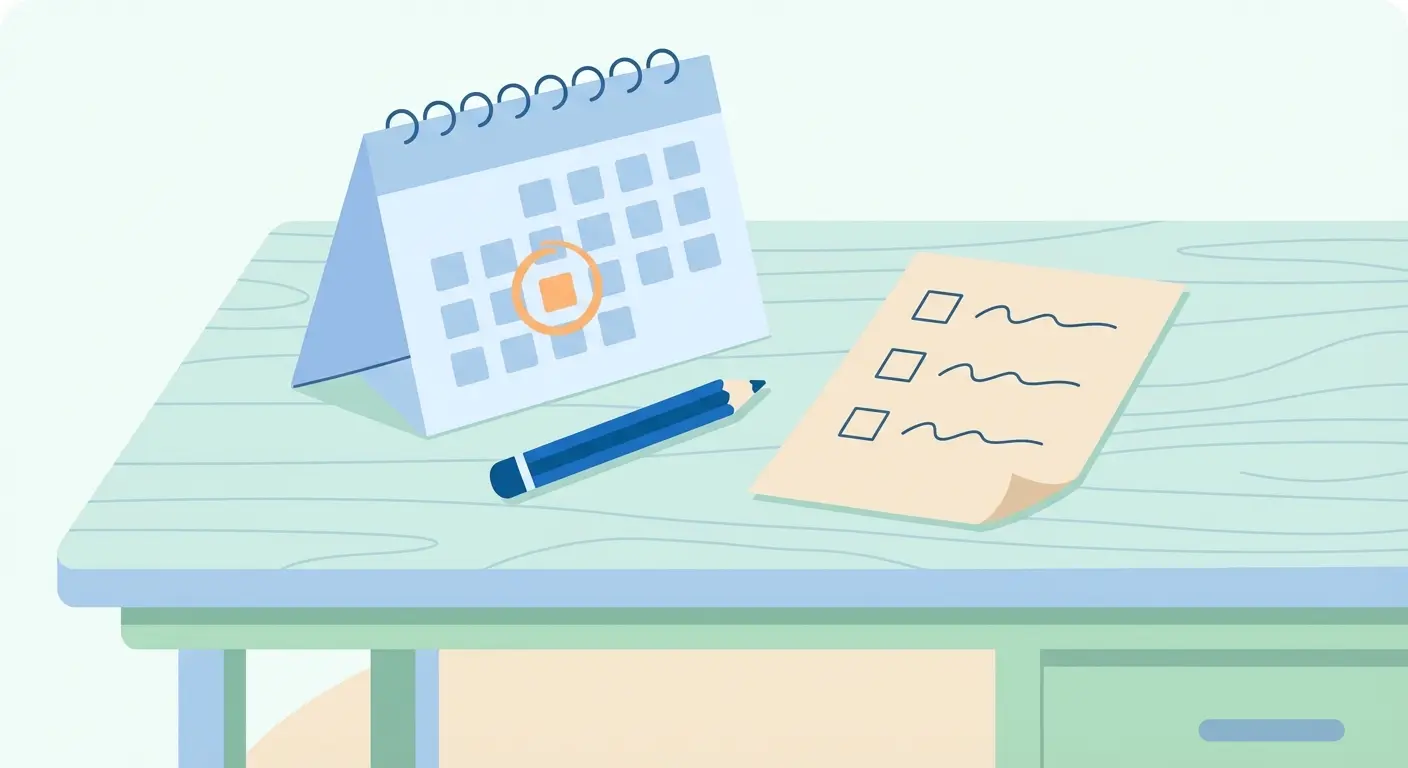
Deciding to quit smoking is different from having a plan to quit smoking. That distinction matters more than most people realize — and it’s where a lot of attempts fall apart before they even start.
The American Cancer Society recommends picking a quit date within the next two weeks. Far enough out to prepare, close enough to feel real. Write it down. Tell someone about it. The act of committing to a specific date shifts your mindset from “someday” to “this is happening.”
Your written plan should answer three questions:
- Why are you quitting? Health, family, finances — get specific. “I want to see my kids graduate” beats “I want to be healthier.”
- What are your triggers? Morning coffee, work stress, driving, alcohol — identify at least five. The top strategies to quit smoking successfully consistently list trigger awareness as the foundation of behavioral change.
- What’s your response plan? For each trigger, name a specific alternative behavior. Not “stay busy” — actual substitutions like a two-minute walk, cold water, or deep breathing.
The National Cancer Institute’s Smokefree quit plan builder is a genuinely useful free tool for structuring this. It takes about 10 minutes and produces a personalized document you can reference on hard days.
What most people miss: the plan isn’t about willpower. It’s about reducing the number of real-time decisions you have to make when a craving hits. The fewer choices you’re making in the moment, the better your odds.
Tip 2: Use NRT or Cessation Medication From Day One
This is the tip that makes the biggest measurable difference — and the one most people skip because it feels like “cheating.” It isn’t.
Nicotine dependence is a physiological condition, not a character flaw. The Cochrane evidence review on pharmacological interventions for smoking cessation (CD015226) found that varenicline (Champix/Chantix), combination NRT (patch plus a fast-acting form), and bupropion all significantly increase quit rates compared to placebo. Varenicline showed the strongest effect in head-to-head comparisons.
Your options in plain language:
- Nicotine patches: Steady background nicotine. Good for managing baseline withdrawal. Available over the counter.
- Nicotine gum or lozenges: Fast-acting. Best used alongside a patch to handle acute cravings.
- Nicotine inhaler or nasal spray: Prescription-only in many countries. Useful if the hand-to-mouth habit is a strong trigger.
- Varenicline (Champix/Chantix): Prescription. Blocks nicotine receptors and reduces withdrawal symptoms. Start 1-2 weeks before your quit date.
- Bupropion (Wellbutrin/Zyban): Prescription antidepressant repurposed for cessation. Also start before quit date.
Talk to your doctor or pharmacist before starting any medication — this isn’t about what’s trendy, it’s about what fits your health profile. The point is: don’t attempt month one on willpower alone when evidence-based tools exist specifically for this.
A 2022 review published in JAMA by Rigotti et al. confirmed that combining pharmacotherapy with behavioral support produces the highest cessation rates — a finding consistent across decades of research.
Tip 3: Manage Cravings Actively, Not Passively
Here’s the thing about cravings that actually helps: they peak at around 3 minutes and then subside. Every craving, even the intense ones, is a temporary biological event — not a permanent state you have to escape by smoking.
Passive craving management means white-knuckling it and hoping the urge passes. Active management means you have a named, practiced response ready before the craving arrives.
The “4 Ds” framework is simple and it works:
- Delay: Don’t act for 5 minutes. Set a timer if needed. The craving will weaken.
- Deep breathe: Four slow breaths through the nose, exhale through the mouth. Physiologically calming.
- Drink water: Cold water changes your mouth chemistry and interrupts the craving signal.
- Distract: Move your body or engage your hands — a two-minute walk, five push-ups, texting someone.
What separates people who get through month one from those who don’t isn’t motivation — it’s having a practiced response for the hardest 3-5 minutes. Real-world stories from former smokers, like Beatrice R.’s story on the CDC Tips From Former Smokers campaign, consistently highlight the importance of having a specific plan for high-risk moments rather than relying on general resolve.
Apps that offer emergency craving support can fill a gap here — particularly at night or in social situations when human support isn’t immediately available. The iQuit app includes an SOS craving feature designed specifically for these moments, alongside daily missions and mood tracking that help you understand your personal craving patterns over time.
For a deeper breakdown of craving triggers and behavioral coping strategies, the effective strategies to help you quit smoking resource covers withdrawal symptom timelines and response plans in detail.
Tip 4: Track Your Health Milestones to Stay Motivated
Motivation in month one is unreliable. You’ll have days that feel manageable and days that feel pointless. What counterbalances the hard days is evidence — concrete, measurable proof that quitting is working even when it doesn’t feel like it.
Your body’s recovery timeline is faster than most people expect:
- 20 minutes: Heart rate and blood pressure drop toward normal.
- 12 hours: Carbon monoxide levels in blood return to normal.
- 24-48 hours: Risk of heart attack begins to decrease. Nerve endings start regrowing. Smell and taste improve.
- 72 hours: Nicotine is fully cleared from the body. Breathing often becomes easier.
- 2 weeks to 1 month: Lung function improves by up to 30%. Circulation improves. Physical activity becomes easier.
Write these down. Mark them on a calendar. When you hit 72 hours and your breathing feels slightly easier, that’s real — acknowledge it. The financial angle is also worth tracking: the NCI’s quit smoking savings calculator shows exactly how much money you’re accumulating. For a pack-a-day smoker at average US prices, that’s roughly $300-$400 in the first month alone.
Tracking works because it creates a visible record of progress. The iQuit app’s health recovery timeline and achievement system do this automatically — you can see your smoke-free hours, health milestone unlocks, and money saved in real time, which is more motivating than abstract self-reporting.
Tip 5: Build a Support System Before You Need It
Quitting smoking alone is harder than quitting with support. That’s not an opinion — it’s consistently documented in cessation research. The question is what kind of support actually helps.
Social support from people in your immediate life matters, but it needs to be structured. Telling a friend “I’m quitting, hold me accountable” rarely works unless they know what that means in practice. Be specific: “If I text you saying I’m about to smoke, respond immediately” or “Check in with me every three days this month.”
Professional support options include:
- Quitlines: Free telephone or text-based counseling available in most US states (1-800-QUIT-NOW), UK (NHS Smokefree), and Australia (Quitline 13 7848).
- Group programs: Hospital or community-based cessation programs with structured sessions.
- One-on-one counseling: Behavioral therapy focused specifically on smoking cessation.
- Online communities: Forums and apps with peer accountability features.
The CDC’s Tips From Former Smokers YouTube series is also worth watching in the first week — not as inspiration porn, but as honest accounts of what the process looked like for real people across different health situations.
Fair warning: some people in your life may inadvertently undermine your quit. Smokers who aren’t ready to quit, well-meaning people who minimize how hard this is, or those who treat one slip as a full failure. Know who those people are and manage your exposure during month one.
What to Expect: Month-One Health Gains at a Glance
Use this as a reference during month one. Print it. Screenshot it. Keep it somewhere you’ll actually see it.
| Time After Quitting | What’s Happening in Your Body | What You Might Notice |
|---|---|---|
| 20 minutes | Heart rate and blood pressure normalize | Subtle — hard to feel, but measurable |
| 12 hours | Carbon monoxide clears from blood | Slightly less fatigue, improved oxygen delivery |
| 24–48 hours | Nicotine eliminated; nerve endings regenerate | Food tastes better; smell improves noticeably |
| 72 hours | Bronchial tubes relax; lung capacity increases | Breathing easier during exertion |
| 1–2 weeks | Circulation improves; lung cilia recover | Less coughing, more energy on stairs or walks |
| 30 days | Lung function up ~30%; cardiovascular risk declining | Sustained energy improvement; reduced coughing |
Your Month-One Quit Smoking Checklist
Keep this visible during your first 30 days. Check items off as you complete them.
Before Your Quit Date
- ☐ Set a specific quit date within the next 14 days
- ☐ Write down your top 3 reasons for quitting (specific, personal)
- ☐ Identify your 5 biggest smoking triggers
- ☐ Choose your NRT or medication option — consult your doctor
- ☐ Tell at least one person your quit date and what support you need
- ☐ Remove cigarettes, lighters, and ashtrays from your environment
- ☐ Download the NCI quit plan or a cessation tracking app
Week One
- ☐ Start NRT or medication as directed
- ☐ Use the 4 Ds for every craving you experience
- ☐ Track each smoke-free day (even just a tally)
- ☐ Note your health milestones at 20 min, 12 hours, 24 hours, 72 hours
- ☐ Identify which triggers are hardest — adjust your response plan
Weeks Two to Four
- ☐ Check in with your accountability person at least twice
- ☐ Calculate money saved so far
- ☐ Notice and record specific physical improvements (breathing, taste, sleep)
- ☐ If you had a slip — analyze it without catastrophizing, adjust your plan
- ☐ Reward yourself at 30 days with something meaningful
Frequently Asked Questions
What is the most effective method to quit smoking?
The most effective method combines pharmacotherapy (varenicline, combination NRT, or bupropion) with behavioral support such as counseling or a structured quit plan. Research published in JAMA (Rigotti et al., 2022) and the Cochrane evidence review consistently show this combination roughly doubles success rates compared to either approach used alone. Willpower-only attempts have a much lower success rate.
How long do nicotine cravings last after quitting?
Individual cravings typically peak within 3 minutes and subside — even without smoking. The overall intensity of cravings is usually strongest in the first 3-7 days and diminishes significantly after 2-4 weeks once nicotine is fully cleared from the body. Psychological cravings tied to habits and triggers can persist longer but become easier to manage with practiced response strategies.
What happens to your body in the first 30 days after quitting smoking?
In the first 30 days, heart rate normalizes within 20 minutes, carbon monoxide clears within 12 hours, and nicotine is eliminated from the body within 72 hours. By the end of month one, lung function can improve by up to 30%, circulation improves noticeably, and many people experience reduced coughing and increased energy. These are measurable physical changes, not just subjective feelings.
Is it normal to feel worse after quitting smoking?
Yes — temporarily feeling worse is a normal part of nicotine withdrawal. Common symptoms include irritability, difficulty concentrating, headaches, increased appetite, and disrupted sleep. These symptoms are most intense in the first week and typically resolve within 2-4 weeks. NRT and cessation medications significantly reduce the severity of withdrawal symptoms, which is why using them matters in month one.
What should I do if I slip and smoke a cigarette after quitting?
A slip doesn’t mean failure — most successful quitters have multiple attempts before achieving long-term abstinence. The key is to treat a slip as data rather than a verdict: identify what triggered it, what you were feeling, and what was missing from your plan. Adjust your strategy, keep your quit date in place, and continue. Research shows that people who persist after a slip are still far more likely to quit successfully than those who stop trying.
How much money can I save by quitting smoking?
Savings depend on how much you smoke and local cigarette prices, but a pack-a-day smoker in the US typically saves $300–$400 in the first month alone. Over a year, that’s $3,600–$5,000+. The NCI’s free quit smoking savings calculator at Smokefree.gov gives you a personalized figure based on your smoking habit and location — seeing that number in real terms can be a meaningful motivator during difficult days.
Take the Next Step Toward Lasting Change
Knowing the tips is the starting point. Applying them consistently through month one is where the real work happens — and where the real gains show up.
If you want to go deeper on any of these strategies, the top strategies to quit smoking successfully covers the behavioral science behind trigger identification and long-term coping in detail. For practical tactics on managing withdrawal and building daily routines that stick, the effective strategies to help you quit smoking resource walks through action plans step by step.
Share this article with someone who’s considering quitting — sometimes the most useful thing you can do for someone is put practical, honest information in front of them at the right moment.