
How to Quit Smoking: Stop Smoking Tips vs Nicotine Replacement
You’ve tried before. Maybe you white-knuckled it for three days, or lasted two weeks before a stressful night unraveled everything. Sound familiar? Most smokers make 8–10 quit attempts before achieving long-term success — and that’s not a failure statistic, it’s a roadmap. The real question isn’t whether you can quit smoking, it’s which approach gives you the best shot. Behavioral strategies and nicotine replacement therapy (NRT) both work — but they work differently, and for different people.
What Is Nicotine Replacement Therapy for Quitting Smoking?
NRT doesn’t make quitting effortless — nothing does. But it takes the sharpest edge off withdrawal, which is often what causes relapse in the first 72 hours. According to a major Cochrane Evidence review (CD015226), NRT increases quit rates by 50–60% compared to placebo — that’s a meaningful lift, not a marginal one.
Here’s what most people miss: NRT types aren’t interchangeable. A patch delivers a slow, steady nicotine background dose throughout the day. Gum and lozenges are fast-acting — ideal for acute cravings. Combining a long-acting and short-acting form (called “combination NRT”) is actually recommended by many clinicians for heavy smokers.
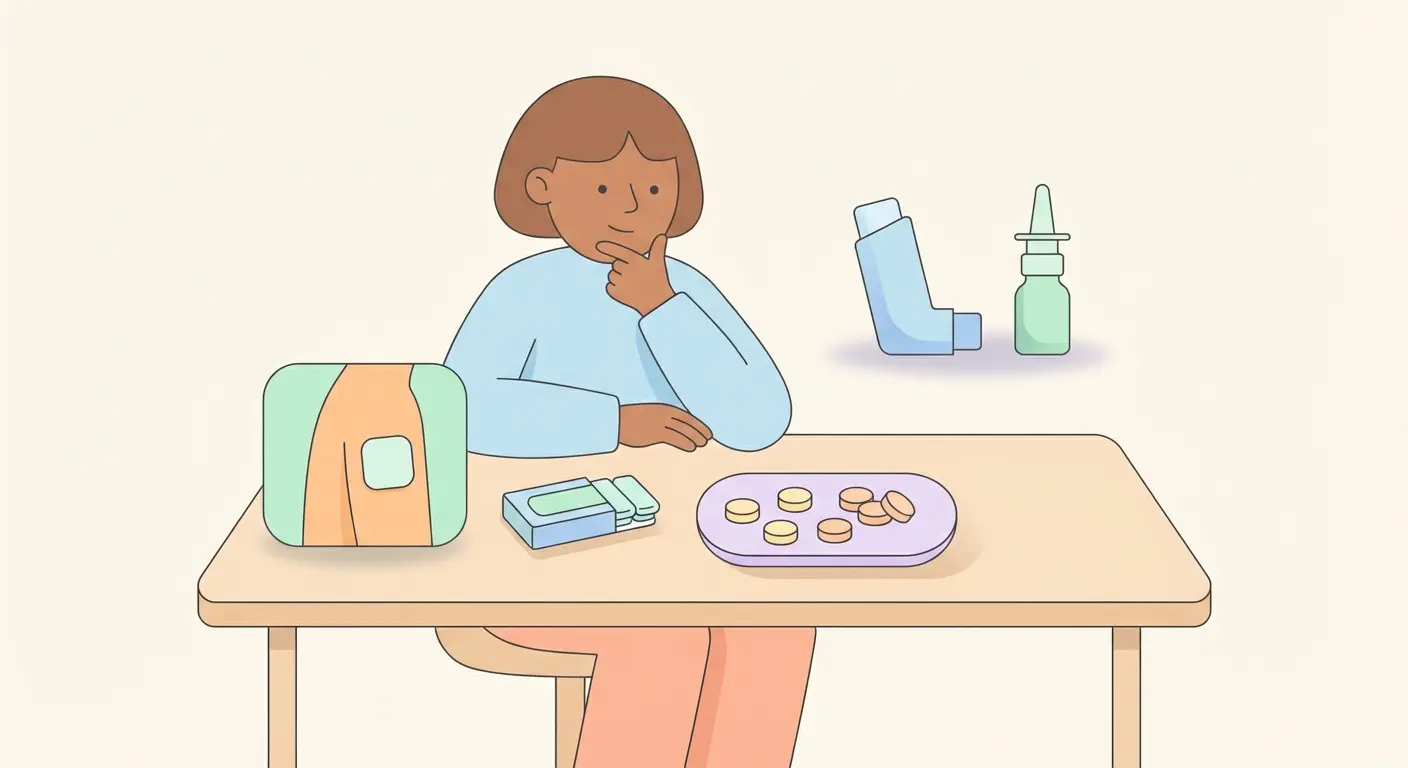
Common NRT Options at a Glance
| NRT Type | How It Works | Best For | Duration |
|---|---|---|---|
| Patch | Slow, steady nicotine release | Daily baseline control | 8–16 hours |
| Gum | Chew-and-park method releases nicotine through gum tissue | Acute cravings, oral fixation | 30 min per piece |
| Lozenge | Dissolves in mouth, absorbed through cheek | Discreet use, cravings management | 20–30 min |
| Inhaler | Mimics hand-to-mouth habit | Behavioral habit replacement | Per session |
| Nasal Spray | Fastest nicotine delivery (minutes) | Severe cravings, heavy smokers | Prescription required |
Prescription medications like varenicline (Champix/Chantix) and bupropion also fall under the pharmacological quit-smoking umbrella. A 2024 study published in JAMA Internal Medicine compared e-cigarettes versus varenicline for smoking cessation — varenicline showed higher continuous abstinence rates at 52 weeks. These prescription options are worth discussing with a doctor, especially if NRT alone hasn’t worked for you.
Behavioral Stop Smoking Tips That Actually Work
Behavioral strategies attack the psychological side of addiction — and that’s where many quit attempts fall apart. Nicotine dependence is dual: physical and conditioned. You don’t just crave nicotine in the abstract. You crave it after coffee, after meals, during stress, in certain social situations. NRT addresses the physical side. Behavioral quit smoking tips address the triggers.
Proven Behavioral Strategies for Quitting Smoking
- Set a firm quit date — within the next 2 weeks. Having a specific target date increases commitment and gives you time to prepare without losing momentum.
- Identify your smoking triggers — stress, boredom, social settings, alcohol. Write them down. You can’t manage what you haven’t named. Explore these patterns further with top strategies for quitting smoking successfully that cover trigger mapping in detail.
- Replace the ritual, not just the nicotine — many people miss the hand-to-mouth habit as much as the nicotine itself. Substitute with a pen, toothpick, or sugar-free gum.
- Use the 4 D’s for cravings — Delay (cravings peak at 3–5 minutes), Deep breathe, Drink water, Do something else.
- Tell people your quit date — social accountability isn’t just feel-good advice. Research consistently shows that social support improves quit success rates.
- Remove cigarettes from your environment completely — don’t keep a “just in case” pack. That’s not a safety net; it’s a relapse waiting to happen.
- Manage withdrawal symptoms actively — irritability, difficulty concentrating, and sleep disruption typically peak in days 2–3 and subside significantly by week 2. Knowing this timeline helps. For more tactics on managing these early days, the effective strategies to help you quit smoking resource covers withdrawal management in practical detail.
The CDC’s quit smoking guidance consistently emphasizes that counseling and behavioral support — even brief — significantly improve outcomes when combined with any cessation method. This isn’t optional support. It’s core to the process.
Real-world example: Terrie Hall, one of the CDC’s most recognized anti-smoking advocates, used a combination of personal motivation and professional support. Her story, shared in the CDC’s Tips From Former Smokers campaign, is a stark reminder of what’s at stake — and what’s possible.
Quit Smoking: NRT vs Behavioral Tips Comparison
Here’s where it gets interesting — neither approach is inherently superior. Each targets a different dimension of tobacco dependence. The question isn’t “which is better?” but “which gap does each one fill for you?”
| Factor | Nicotine Replacement Therapy | Behavioral Stop Smoking Tips |
|---|---|---|
| What it targets | Physical nicotine dependence | Psychological triggers and habits |
| Success rate (alone) | ~15–20% at 6 months | ~10–15% with structured counseling |
| Success rate (combined) | ~25–35% at 6 months (Cochrane, 2024) | |
| Addresses cravings | Yes — physical craving relief | Yes — trigger avoidance and distraction |
| Cost | £15–£40/week (or prescription-covered) | Low to free (apps, groups, self-help) |
| Requires willpower | Less (reduces urge intensity) | More (especially in early days) |
| Long-term habit change | Limited (doesn’t rewire behavior) | High (builds new coping patterns) |
Why Combining Both Approaches Works Best to Quit Smoking
The evidence here is actually quite clear. The NHS Better Health quit smoking program specifically recommends combining NRT with behavioral support as its first-line approach — not because it’s convenient advice, but because the data backs it up.
Think of it this way: NRT is like wearing a life jacket in rough water. It doesn’t teach you to swim — but it keeps you afloat long enough to figure it out. Behavioral strategies are the swimming lessons. You need both.
What most people miss when attempting to quit smoking is that relapse rarely happens because of one overwhelming craving. It happens because a craving arrives in a high-trigger situation — stress at work, an argument at home, a social drink — with no practiced response ready. That gap between wanting to resist and knowing how to resist is where behavioral preparation lives.
If you’re tracking your quit journey, tools like the iQuit app can reinforce both dimensions simultaneously — offering AI-powered craving support in real time (the behavioral layer) alongside health recovery tracking that shows you exactly what’s changing in your body (the motivational layer). It’s not a replacement for NRT or counseling, but as a daily accountability tool, it fills the gap between clinic visits or patch changes.
Building a formal quit plan is another often-skipped step. The Smokefree.gov Quit Plan builder walks you through selecting your quit date, choosing cessation methods, and identifying support systems — all in about 10 minutes.
How to Choose the Right Quit Smoking Strategy for You
There’s no universal answer, but there is a useful decision framework. Ask yourself these questions honestly:
- How many cigarettes do you smoke per day? If it’s 20+, NRT (especially combination NRT or varenicline) is strongly indicated. Lighter smokers may succeed with behavioral strategies alone.
- When do you smoke your first cigarette? If it’s within 30 minutes of waking, you have high physical nicotine dependence — NRT will be particularly helpful.
- What caused your last relapse? Stress, social pressure, or boredom? That’s a behavioral trigger problem. Physical cravings you couldn’t override? That’s where NRT fills the gap.
- What support do you have? Behavioral approaches work better with structured support — a group, a counselor, or a quit smoking app that offers accountability.
Fair warning: there’s no approach that removes all difficulty from quitting. But going in with the right tools — matched to your specific pattern of use and your specific failure points — is what separates a 3-day quit from a permanent one.
For a deeper look at building a personalized quit plan that incorporates both methods, the top quit smoking strategies guide at iQuitNow covers this step-by-step with practical trigger management techniques you can apply immediately.
Frequently Asked Questions About How to Quit Smoking
Is nicotine replacement therapy safe to use long-term?
Yes, NRT is considered safe for extended use. Major health organizations, including the NHS and CDC, note that the risks of continued NRT use are far lower than the risks of continued smoking. Some people use NRT for 6–12 months while building new behavioral habits without significant health concerns.
What is the most effective method to quit smoking?
The most effective method for most people is a combination of nicotine replacement therapy (or prescription medication) plus behavioral support or counseling. Research from Cochrane reviews shows this combined approach can double quit success rates compared to willpower alone. Building a structured quit plan — including a quit date, trigger strategy, and support system — significantly improves outcomes.
How long do nicotine withdrawal symptoms last when quitting smoking?
Physical nicotine withdrawal symptoms typically peak at 48–72 hours after your last cigarette and subside significantly by 2–4 weeks. Psychological cravings tied to habits and triggers can persist longer — often 3–6 months — which is why behavioral strategies remain important well beyond the initial withdrawal phase.
Can you use nicotine gum and a patch at the same time?
Yes — this is called “combination NRT” and it’s clinically recommended for heavy smokers. The patch provides a steady background dose to prevent withdrawal, while gum or lozenges handle acute cravings as they arise. Combination NRT consistently outperforms single-product NRT in quit rate studies. Talk to a pharmacist or doctor for the right dosage combination.
What should I do if I relapse while trying to quit smoking?
A relapse is not the end of your quit attempt — it’s information. Identify the specific trigger that caused the slip, adjust your strategy, and set a new quit date as soon as possible. Research shows each quit attempt builds knowledge and skills that improve the odds of the next one succeeding. Most successful quitters made multiple attempts before achieving long-term abstinence.
Ready to Build Your Personal Quit Smoking Plan?
The best quit attempt is a prepared one. If you’re serious about quitting, start with these steps:
- Review the effective strategies to help you quit smoking — especially for managing withdrawal in the first two weeks
- Build a formal quit plan at Smokefree.gov
- Talk to your doctor or pharmacist about whether NRT, combination NRT, or prescription medication is right for your level of dependence
- Share this article with someone who needs it — sometimes the best support you can offer someone is relevant, honest information
Quitting smoking is hard. But it’s also one of the single most impactful health decisions you can make — for yourself and everyone around you.