
5 Nicotine Withdrawal Tricks Experts Use to Ease Mood Swings
Nicotine withdrawal mood swings hit harder than most people expect. One hour you feel fine. The next, you’re snapping at a coworker over a printer jam. Sound familiar? What happens when you quit smoking isn’t just physical — the emotional turbulence is real, it’s documented, and it catches nearly every quitter off guard.
The good news: there are specific, evidence-backed techniques that addiction counselors, cessation coaches, and behavioral therapists quietly rely on. These aren’t generic “stay busy” tips. They’re targeted interventions that address the actual neurochemical reasons your mood craters during the first two weeks smoke-free.
Why Nicotine Withdrawal Causes Mood Swings
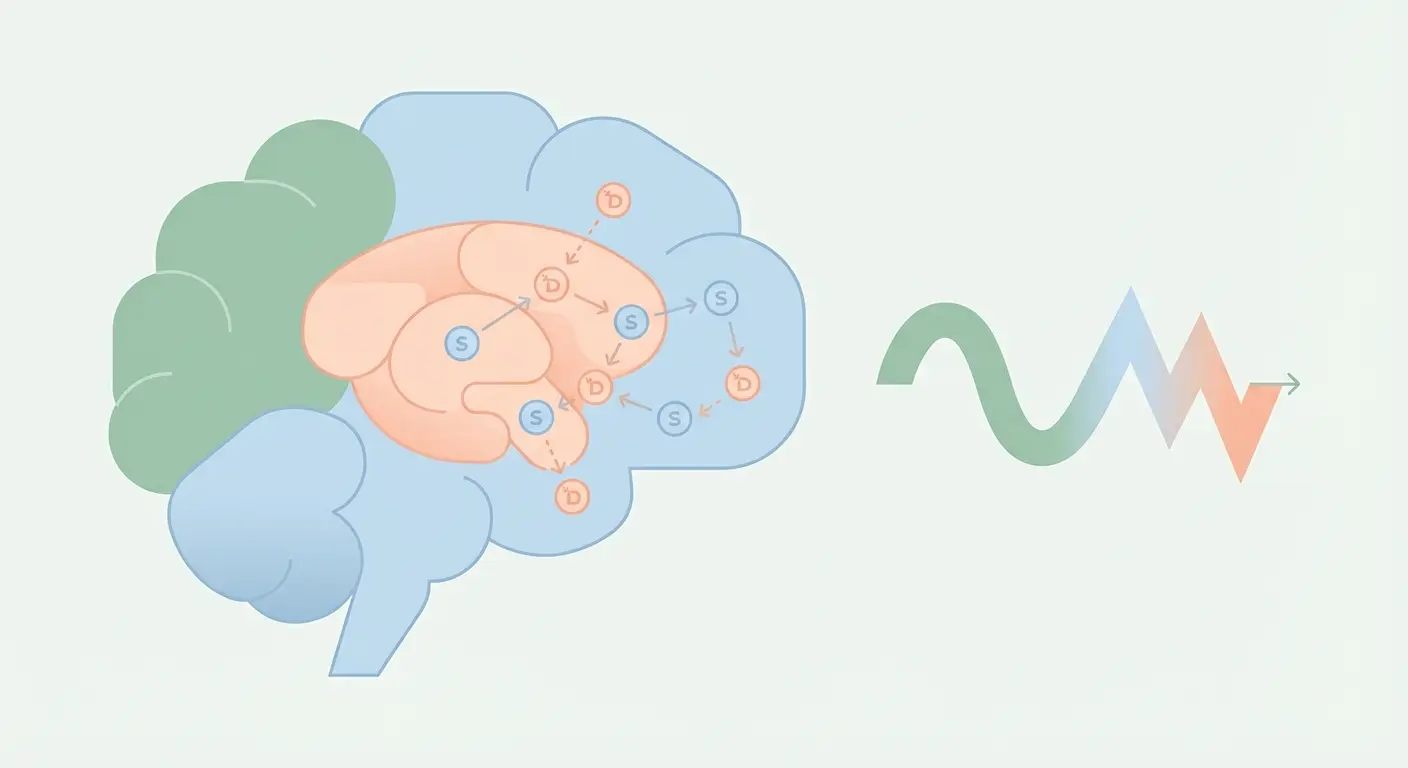
Here’s something most quit-smoking guides skip over: your brain has been chemically rewired by nicotine — possibly for years. Every cigarette triggered a rapid dopamine release in the nucleus accumbens, the brain’s reward center. Over time, your brain essentially outsourced its mood regulation to nicotine.
When you stop, it doesn’t just bounce back immediately. Dopamine receptor density actually decreases in chronic smokers, according to neuroimaging research, meaning your brain has fewer tools to generate pleasure and emotional stability on its own. That’s not a character flaw. That’s biology.
The mood instability isn’t random, either. Nicotine also increases levels of serotonin and norepinephrine — two neurotransmitters closely tied to emotional regulation. Losing that artificial boost creates a functional deficit, especially in the first week. The TED-Ed lesson on how cigarettes affect the body explains this mechanism clearly for anyone who wants the neuroscience without a medical degree.
What most people miss is that understanding why the mood swings happen makes them significantly less frightening. You’re not losing your mind. You’re recalibrating a brain that learned to depend on a chemical shortcut.
Nicotine Withdrawal Timeline: When It Gets Better
Knowing the nicotine withdrawal timeline is one of the most underrated tools in a quitter’s arsenal. When symptoms feel endless, having a concrete map changes everything.
| Time Since Last Cigarette | Physical Symptoms | Emotional / Mood Symptoms | What’s Happening in the Body |
|---|---|---|---|
| 2–4 hours | Restlessness, mild headache | Early irritability, mild anxiety | Nicotine levels dropping; CO begins clearing |
| 24–48 hours | Cravings peak, appetite increases | Mood swings, frustration, sadness | Nicotine fully cleared; dopamine at lowest point |
| 48–72 hours | Headaches, sleep disruption | Peak irritability, anxiety, difficulty concentrating | Brain beginning neuroreceptor adjustment |
| 1–2 weeks | Cravings become shorter, intermittent | Mood gradually stabilizing | Dopamine receptor upregulation begins |
| 3–4 weeks | Physical symptoms mostly resolved | Significant emotional improvement for most | Lung cilia recovering; circulation improving |
| 3+ months | Energy levels rising, lung function improving | Baseline mood often better than when smoking | Neurotransmitter systems largely normalized |
The Surgeon General’s Report on Smoking Cessation — published by the CDC — confirms that psychological symptoms of withdrawal, including mood disruption and anxiety, are clinically significant but time-limited for most people. That word “time-limited” matters more than it sounds.
The critical insight here: studies consistently show that long-term mood outcomes are better after quitting — not worse. The fear that quitting will make you permanently irritable or depressed is one of the most common and most harmful myths in cessation.
5 Expert Tricks to Ease Mood Swings During Nicotine Withdrawal
These techniques come from behavioral health research, addiction medicine, and practical cessation coaching. Some are counterintuitive. All of them work better when you understand the mechanism behind them.
1. Micro-Exercise Bursts (10 Minutes, Not 60)
Here’s where it gets interesting: you don’t need a full workout to move the needle on withdrawal mood symptoms. A study published in Psychopharmacology found that even 10 minutes of moderate exercise significantly reduced cigarette cravings and improved mood in abstaining smokers. The mechanism is direct — exercise triggers dopamine and endorphin release through a pathway that doesn’t require nicotine.
The trick isn’t commitment to a fitness regimen. It’s a 10-minute walk, a set of jumping jacks, or climbing stairs when a mood drop hits. Keep the threshold so low that you can’t say no. Doing it three times a day during peak withdrawal hours covers the morning, post-lunch, and evening craving windows.
2. The 4-7-8 Breathing Technique
Developed by Dr. Andrew Weil and rooted in pranayama breathing practices, this technique directly activates the parasympathetic nervous system — the biological opposite of the fight-or-flight anxiety state that nicotine withdrawal triggers.
The method: inhale for 4 counts, hold for 7 counts, exhale slowly for 8 counts. Repeat 4 cycles. What’s surprising is that the extended exhale is what creates the calming effect, not the inhalation. It signals the vagus nerve that the body is safe, which actively reduces cortisol levels within minutes.
For quitters, this technique serves a dual purpose — it also mimics the hand-to-mouth ritual of smoking, which addresses the behavioral component of cravings alongside the physiological one.
3. Protein-Timed Eating to Stabilize Dopamine Precursors
Most people know that appetite increases when quitting. What most don’t know is why it matters for mood specifically. Nicotine suppresses appetite partly by influencing insulin regulation. When it’s gone, blood sugar swings become more pronounced — and blood sugar instability directly worsens emotional volatility.
The expert-level fix is timed protein consumption: eating 20–30g of protein within 90 minutes of waking, and every 3–4 hours through the day. Protein contains tyrosine and tryptophan, amino acid precursors to dopamine and serotonin respectively. You’re essentially giving your brain the raw materials it needs to start rebuilding its own regulation system. Fair warning: this takes planning, but it’s one of the most underused tools in withdrawal management.
4. Mood Journaling With Trigger Pattern Tracking
Generic journaling helps. Pattern-tracking journaling is a different level. The technique: after each mood drop or craving spike, write three things — the time, what you were doing immediately before, and your emotion on a 1–10 scale. After 5–7 days, review the entries.
What emerges almost every time are clusters. The 3pm slump. The post-meal restlessness. The tension after a stressful call. Once triggers are visible, they’re manageable — you can preemptively deploy one of the other four techniques before the mood drop arrives rather than reacting after it hits.
Apps like iQuit include built-in mood and journal tracking with pattern analysis, which removes the manual work and shows you trend lines over time — particularly useful in the first three weeks when patterns are hardest to see on your own.
For a broader behavioral toolkit to pair with journaling, the guide on top strategies to quit smoking successfully covers trigger identification in detail — worth reviewing once you have a week of journal data.
5. Planned Replacement Rewards (Non-Food Where Possible)
Dopamine doesn’t only come from nicotine or food. It’s released by anticipation of rewards — which is why planning a specific, enjoyable activity for after a difficult withdrawal window works chemically, not just psychologically.
The expert distinction here is “planned” versus “spontaneous.” Telling yourself you’ll watch something you enjoy “later” is vague. Blocking 7–7:45pm on a Tuesday for a specific episode of a show you’ve been saving creates anticipatory dopamine — you get a small reward hit hours before the activity even happens. That’s not a wellness platitude. That’s how the reward system works.
This won’t work for everyone equally, but for quitters who smoked as a self-reward mechanism (after meals, after finishing work), it addresses the psychological function smoking served more directly than almost anything else.
Quit Smoking Benefits Timeline: What You’re Gaining
Managing withdrawal is only half the picture. Understanding the quit smoking benefits timeline gives you something concrete to move toward — not just something to escape.
The American Cancer Society’s documented benefits of quitting smoking over time lay out a clear, research-backed progression:
- 20 minutes: Heart rate and blood pressure drop toward normal
- 12 hours: Carbon monoxide levels in blood return to normal
- 2–12 weeks: Circulation improves; lung function increases noticeably
- 1–9 months: Coughing and shortness of breath decrease; lung cilia regenerate
- 1 year: Risk of coronary heart disease drops to half that of a current smoker
- 5–15 years: Stroke risk matches a non-smoker’s
- 10 years: Lung cancer death rate roughly half that of a continuing smoker
- 15 years: Heart disease risk equivalent to someone who never smoked
The AsapSCIENCE video on what happens when you stop smoking visualizes this progression in a way that’s genuinely motivating for visual learners — worth bookmarking for a difficult day.
For practical next steps on building a quit plan around these milestones, the guide on effective strategies to help you quit smoking maps withdrawal symptom management to each phase of the timeline.
Your Day-by-Day Mood Management Checklist
Keep this simple. The goal during peak withdrawal isn’t optimization — it’s survival with your quit intact.
Days 1–3 (Peak Withdrawal Window)
- Morning protein within 90 minutes of waking — eggs, Greek yogurt, or a protein shake; this isn’t optional during this window
- Schedule three 10-minute movement breaks — morning, early afternoon, early evening; put them in your calendar
- Prepare your 4-7-8 breathing reminder — set a phone alarm labeled “breathe” for your two worst craving times
- Open your mood journal — even a Notes app works; log each craving spike with time, activity, and emotion score
- Identify tonight’s planned reward — be specific; “I’ll watch X at 8pm” beats “I’ll relax later”
Days 4–14 (Consolidation Phase)
- Review your trigger journal entries — look for patterns across days 3–7
- Preemptively deploy a technique before known trigger windows — not after the mood drop
- Lengthen exercise sessions if mood allows — 15–20 minutes has compounding benefits
- Note health changes, however small — improved taste, better morning breathing, reduced cough; these are measurable progress signals
- Connect with a support resource — the NHS Better Health quit smoking program offers free behavioral support, and the EX Program by Truth Initiative and Mayo Clinic provides free personalized quit plans with community support
Frequently Asked Questions
How long do mood swings last after quitting smoking?
Mood swings typically peak between 48 and 72 hours after the last cigarette, then gradually ease over 3–4 weeks as the brain’s dopamine and serotonin systems recalibrate. For most people, emotional stability at 4–6 weeks post-quit is measurably better than it was while smoking — though individual variation exists based on how long someone smoked and their baseline mental health.
What are the first signs of nicotine withdrawal?
The first signs of nicotine withdrawal usually appear within 2–4 hours of the last cigarette and include cigarette cravings, irritability, mild anxiety, restlessness, and difficulty concentrating. Physical symptoms like headache and increased appetite often follow within the first 24 hours. These early symptoms signal that the body is beginning to clear nicotine and adjust to its absence.
What happens to your body in the first week after quitting smoking?
In the first week after quitting smoking, carbon monoxide leaves the blood within 12 hours, nicotine is fully cleared within 48–72 hours, and withdrawal symptoms peak then begin declining. Circulation starts improving, taste and smell begin returning, and lung cilia — tiny hair-like structures that clear debris from airways — begin to recover. It’s the hardest week, but also the week with the most rapid physical change.
Is it normal to feel depressed after quitting smoking?
Yes, feeling low or mildly depressed in the first 1–2 weeks after quitting smoking is normal and documented in clinical literature. It’s caused by a temporary deficit in dopamine and serotonin activity as the brain adjusts to functioning without nicotine’s chemical support. If depressive symptoms are severe or persist beyond four weeks, speaking with a healthcare provider is appropriate — both behavioral support and pharmacotherapy options are available.
Can exercise really help with nicotine withdrawal symptoms?
Yes — even brief exercise meaningfully reduces withdrawal symptoms. Research published in Psychopharmacology found that 10 minutes of moderate exercise reduced cravings and improved mood in abstaining smokers. Exercise triggers dopamine release through a nicotine-independent pathway, making it one of the most direct and side-effect-free tools for managing withdrawal mood disruption.
Keep Going — The Quit Smoking Benefits Are Compounding Right Now
Every hour since your last cigarette, something measurable is improving. The mood swings are real, but they’re temporary — and the evidence is clear that most people feel emotionally better after quitting than they did while smoking. What happens when you quit smoking is ultimately a story of recovery, not loss.
If you want structured daily support through the hardest weeks, the iQuit app tracks your health recovery timeline, logs mood patterns, and gives you an SOS craving tool for the moments when techniques feel out of reach. It’s the kind of real-time support that makes the difference between day 3 and week 3.
Ready to go deeper on strategy? These two resources are worth bookmarking:
- Top strategies to quit smoking successfully — covers trigger identification and behavioral planning
- Effective strategies to help you quit smoking — symptom management and a step-by-step action framework