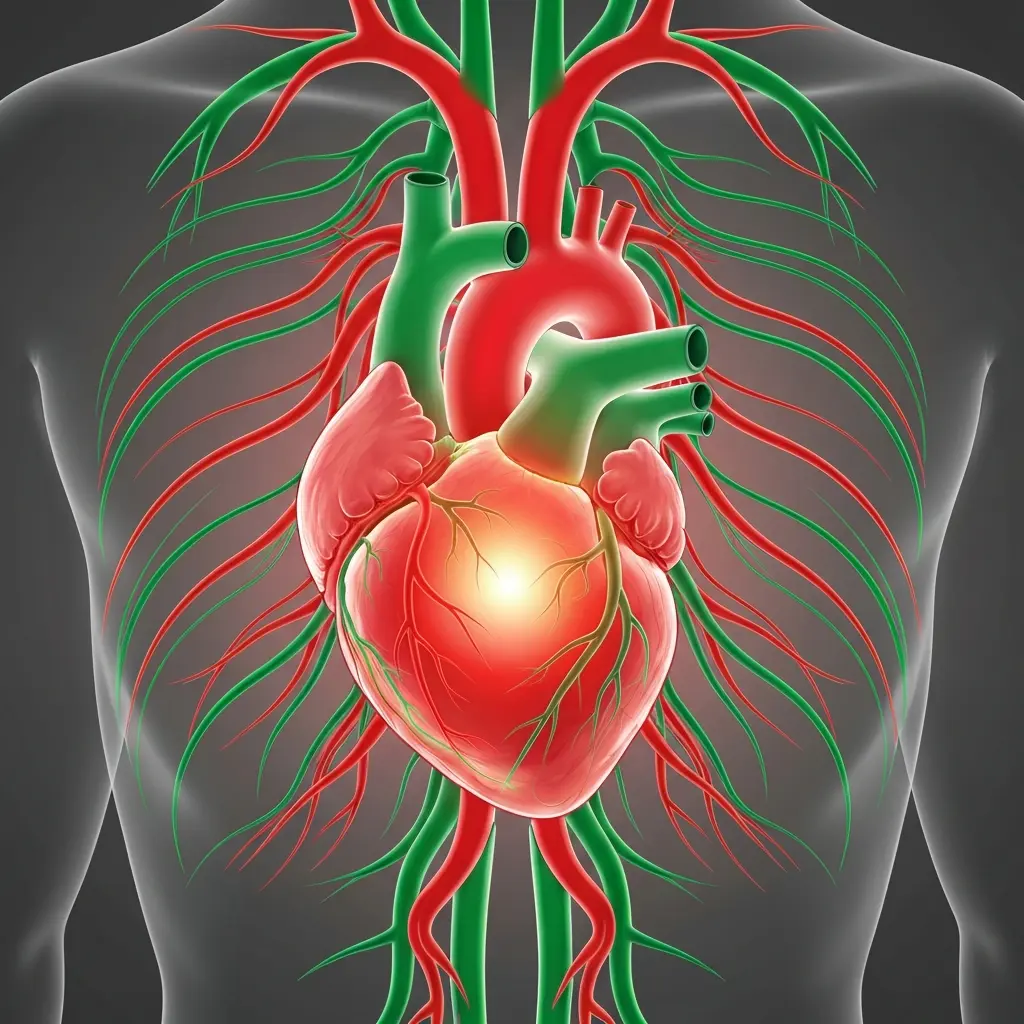
How Quitting Smoking Heals Your Heart: Cardiovascular Recovery Timeline
Smoking is the leading preventable cause of heart disease worldwide, responsible for approximately 20% of all cardiovascular deaths according to the WHO. Yet one of the most powerful and underappreciated truths about quitting is how quickly the heart begins to heal. Understanding the cardiovascular recovery timeline after quitting smoking and heart disease reversal can transform the way you think about what happens the moment you stop.
This isn’t about damage that takes decades to undo. Within 20 minutes of your last cigarette, measurable changes begin in your heart and blood vessels. Within a year, your heart attack risk is cut in half. This guide maps the full recovery journey using evidence from the NHS, WHO, and the most current cardiovascular research, giving you a precise picture of what your heart is doing — and celebrating — as each day passes smoke-free.
How Smoking Damages the Heart
Tobacco smoke contains over 7,000 chemicals, at least 70 of which are known carcinogens. For the cardiovascular system, the most damaging are nicotine, carbon monoxide, oxidising chemicals, and particulate matter — acting through several distinct mechanisms simultaneously:
- Endothelial damage: The inner lining of arteries (endothelium) is directly injured by oxidising chemicals in smoke, reducing production of nitric oxide (which keeps arteries relaxed and open) and triggering inflammation
- Atherosclerosis acceleration: Smoking dramatically speeds the buildup of fatty plaques in artery walls — the same plaques that rupture to cause heart attacks
- Blood thickening: Smoking increases fibrinogen (a clotting protein) and causes red blood cells to clump, increasing the risk of clots that block coronary arteries
- Carbon monoxide: Binds to haemoglobin instead of oxygen, reducing the heart’s oxygen supply while simultaneously forcing it to work harder
- Nicotine effects: Raises heart rate (10–20 bpm per cigarette) and blood pressure; causes arterial spasm; triggers adrenaline release that increases cardiac workload
- HDL reduction: Smoking lowers “good” cholesterol by up to 15%, worsening the cardiovascular risk profile
The cumulative result: smokers have 2–4 times the heart attack risk of non-smokers, and the risk is dose-dependent — but as a 2018 BMJ study showed, even one cigarette per day carries approximately half the cardiovascular risk of 20 per day. There is genuinely no safe level of tobacco smoke exposure for the heart.
The Cardiovascular Recovery Timeline
| Time Since Quitting | Cardiovascular Milestone |
|---|---|
| 20 minutes | Heart rate and blood pressure begin to drop toward normal levels |
| 8–12 hours | Carbon monoxide levels in blood drop by 50%; oxygen-carrying capacity increases |
| 24 hours | Carbon monoxide fully cleared; heart attack risk begins measurably declining |
| 48 hours | Platelet aggregation (clotting tendency) begins normalising |
| 2–12 weeks | Circulation and blood pressure improve significantly; endothelial function recovering |
| 3–6 months | Inflammatory markers (CRP, IL-6) significantly reduced; arterial stiffness improving |
| 1 year | Excess risk of heart attack cut by 50%; HDL cholesterol improving |
| 5 years | Stroke risk approaches non-smoker level; plaque progression halted |
| 10 years | Coronary artery disease risk halved compared to continuing smoker |
| 15 years | Cardiovascular risk comparable to lifetime non-smoker |
This timeline, based on data from the NHS, CDC, and the landmark Framingham Heart Study, demonstrates something profound: the body’s self-repair mechanisms are extraordinarily powerful. The 20-minute mark is a genuine physiological event — not a symbolic one — and understanding this can make those first hours feel radically different.
The broader quit timeline extends far beyond the heart. Understanding the complete body recovery timeline after quitting gives you a comprehensive picture of the healing happening across all organ systems simultaneously.
Arterial and Endothelial Recovery
The endothelium — the single-cell layer lining every blood vessel in the body — is both the primary target of smoking damage and the first site of recovery. Endothelial dysfunction is the earliest detectable step in atherosclerosis, and it is measurable using flow-mediated dilation (FMD) ultrasound.
Studies using FMD measurements show:
- Endothelial function improves measurably within 2–4 weeks of quitting
- Significant improvement (approaching non-smoker levels in many cases) at 6 months
- Near-complete recovery in people who quit before 40 by 1–2 years
- Even people who quit at 60–70 show measurable endothelial improvement within weeks
Existing atherosclerotic plaques do not disappear — but they do stabilise. Smoking makes plaques “vulnerable” — prone to rupturing and causing heart attacks. Quitting converts them to more stable, fibrous plaques that are far less likely to rupture. This is a critical distinction: you don’t need to reverse all the plaque to dramatically reduce heart attack risk.
Blood Pressure and Heart Rate Changes
Nicotine is a direct vasoconstrictor — it narrows blood vessels and forces the heart to pump harder. Every cigarette raises systolic blood pressure by an average of 5–10 mmHg for 20–30 minutes. In a 20-cigarettes-per-day smoker, this means the blood vessels spend most of the waking day in a state of nicotine-induced constriction.
After quitting:
- Resting heart rate decreases by 5–15 bpm within the first month
- Systolic blood pressure falls by 5–10 mmHg on average within weeks
- Diastolic blood pressure normalises more gradually, over 1–3 months
- Heart rate variability (a marker of cardiac autonomic health) improves significantly by 3 months
These improvements translate directly into reduced cardiac workload — the heart literally works less hard to achieve the same output. For people who were on medication for hypertension, smoking cessation sometimes allows dose reduction or even discontinuation under medical supervision.
Young people making lifestyle changes — including those navigating academic pressure and studying the health effects of stress as part of their studies, as documented in Spanish university health statistics research — often report the most dramatic and rapid blood pressure improvements after quitting, as their cardiovascular systems have greater plasticity.
Heart Attack and Stroke Risk Reduction
The most compelling cardiovascular argument for quitting is the absolute risk reduction at each time milestone. For a 40-year-old who has smoked 20 cigarettes per day for 20 years:
- Continuing smoking: Approximately 3–4x lifetime heart attack risk vs never-smoker
- After 1 year quit: Approximately 2x risk (50% reduction in excess risk)
- After 5 years quit: Stroke risk approaches never-smoker levels
- After 10 years quit: Coronary artery disease risk halved
- After 15 years quit: Risk comparable to never-smoker
The 1-year milestone — halving excess heart attack risk — is achievable for everyone who quits today. Understanding what your body is doing to achieve this can transform how you experience the first year. Rather than counting days survived without cigarettes, you’re counting days of active cardiovascular healing.
The financial dimension of this health recovery is also significant: tracking the real money saved by quitting smoking alongside health milestones provides powerful dual motivation in the critical first year.
Why It’s Never Too Late to Quit
Perhaps the most important piece of evidence in this entire field is a study published in the New England Journal of Medicine tracking over 1 million women for 12 years. Its finding: people who quit smoking before age 40 reduced excess mortality risk by approximately 90% compared to continuing smokers. But even quitting between 40 and 54 reduced it by approximately 80%. Quitting between 55 and 64: approximately 50% reduction.
There is no age at which quitting stops being worthwhile for cardiovascular health. The body’s capacity to heal the heart is not age-limited in any clinically meaningful way for most people. Every year of abstinence adds measurable cardiovascular benefit.
The iQuitNow app tracks your cardiovascular recovery milestones in real time — from the 20-minute blood pressure drop to the 1-year heart attack risk halving — making your body’s healing visible as it happens. You can also use our comparison of the best quit smoking apps to find the digital support that works best alongside your cessation method.
For those in COPD recovery, the cardiovascular improvements after quitting work in parallel with respiratory recovery — both systems heal simultaneously. Research covered in our COPD management and cessation guide details how these parallel recovery pathways reinforce each other.
Frequently Asked Questions
How quickly does heart disease risk decrease after quitting smoking?
Within 20 minutes of quitting, blood pressure and heart rate begin dropping. After 1 year, excess heart disease risk falls by 50%. After 5 years, stroke risk approaches that of a non-smoker. After 15 years, coronary artery disease risk is similar to someone who never smoked.
Does quitting smoking reverse arterial damage?
Yes, partially. Endothelial function (arterial lining health) improves significantly within weeks. Atherosclerotic plaques do not disappear but stop progressing and partially stabilise. Blood viscosity, inflammatory markers, and platelet aggregation all improve within months of quitting.
Can you fully recover from smoking-related heart disease?
Recovery from smoking-related cardiovascular damage is substantial but varies with duration and intensity of smoking, age, and co-existing conditions. People who quit before 40 reduce excess mortality risk by about 90%. Even quitting at 60 reduces risk significantly — there is no age at which quitting stops being beneficial for heart health.
Does smoking just one cigarette a day affect heart disease risk?
Yes, significantly. A 2018 study in The BMJ found that smoking just 1 cigarette per day carries about half the cardiovascular risk of smoking 20 per day — far more than most people expect. There is no safe level of smoking for cardiovascular health. Even occasional social smoking meaningfully elevates risk.
Track Your Heart’s Recovery in Real Time
iQuitNow shows you every cardiovascular milestone as it happens — from 20-minute blood pressure drops to 1-year heart risk reduction. Start your heart recovery today.