Nicotine Withdrawal Timeline: What Happens Each Day When You Quit Smoking
The first 72 hours after your last cigarette are, for most people, the hardest stretch of their lives. Your body has been running on nicotine — and now it isn’t. What follows isn’t weakness. It’s biology playing out in real time, and knowing exactly what to expect, hour by hour and day by day, changes everything about how you handle it.
Nicotine withdrawal symptoms are predictable, temporary, and survivable. The nicotine withdrawal timeline follows a clear pattern: peak intensity usually hits between 48–72 hours, then symptoms gradually ease over 2–4 weeks. Understanding that arc is the difference between white-knuckling through blind panic and navigating a process you actually understand.
What’s in This Guide
What Is Nicotine Withdrawal — and Why Does It Feel This Intense?
Nicotine is one of the most dependency-forming substances known to pharmacology. That’s not an exaggeration — it reaches the brain within 10 seconds of inhalation, triggering a dopamine release that your brain quickly learns to expect. Over time, it recalibrates its baseline: fewer natural dopamine receptors, more reliance on nicotine to feel “normal.”
Definition: Nicotine Withdrawal
Nicotine withdrawal is the set of physical and psychological symptoms that occur when a person who is dependent on nicotine stops using it. It happens because the brain has adapted to chronic nicotine exposure and struggles to self-regulate dopamine and other neurotransmitters without it. Symptoms typically begin within 4–24 hours of the last dose and peak around 48–72 hours.
When you stop smoking, the brain doesn’t immediately bounce back. It has to rebuild its own chemical signaling — a process that takes days to weeks. That’s what causes the irritability, the brain fog, the sleep disruption, and the relentless urge to “just have one.”
Here’s what most people miss: the intensity of withdrawal doesn’t mean your body is failing. It means your brain is rewiring itself back to a healthier baseline. That distinction matters when you’re at hour 50 and feeling genuinely awful.
Hour-by-Hour: The First 24 Hours After Your Last Cigarette
The first day is front-loaded with both discomfort and — surprisingly — some of the fastest health improvements you’ll experience in the entire quit journey.
| Time After Last Cigarette | What’s Happening Physically | Common Symptoms |
|---|---|---|
| 20 minutes | Blood pressure and heart rate begin to drop toward normal levels | Mild anxiety, restlessness |
| 2 hours | Nicotine begins clearing from the bloodstream; withdrawal signals start | Cravings, irritability, increased appetite |
| 8 hours | Carbon monoxide levels in blood drop by half; oxygen levels normalize | Headache, fatigue, intense cravings |
| 12 hours | Carbon monoxide almost fully cleared; heart getting more oxygen | Difficulty concentrating, mood swings |
| 24 hours | Heart attack risk begins to drop; lungs starting to clear mucus | Peak early anxiety, sleep disturbance, strong cravings |
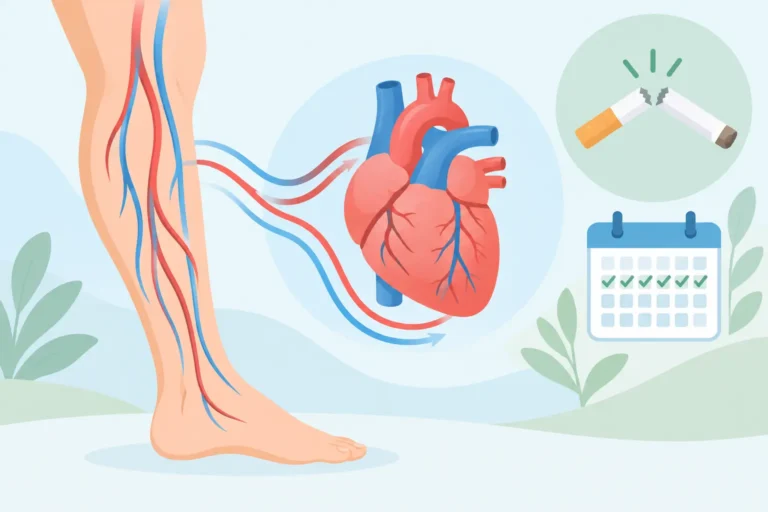
By the end of day one, your heart is already working less hard. That’s real, measurable progress — even when it doesn’t feel like it.
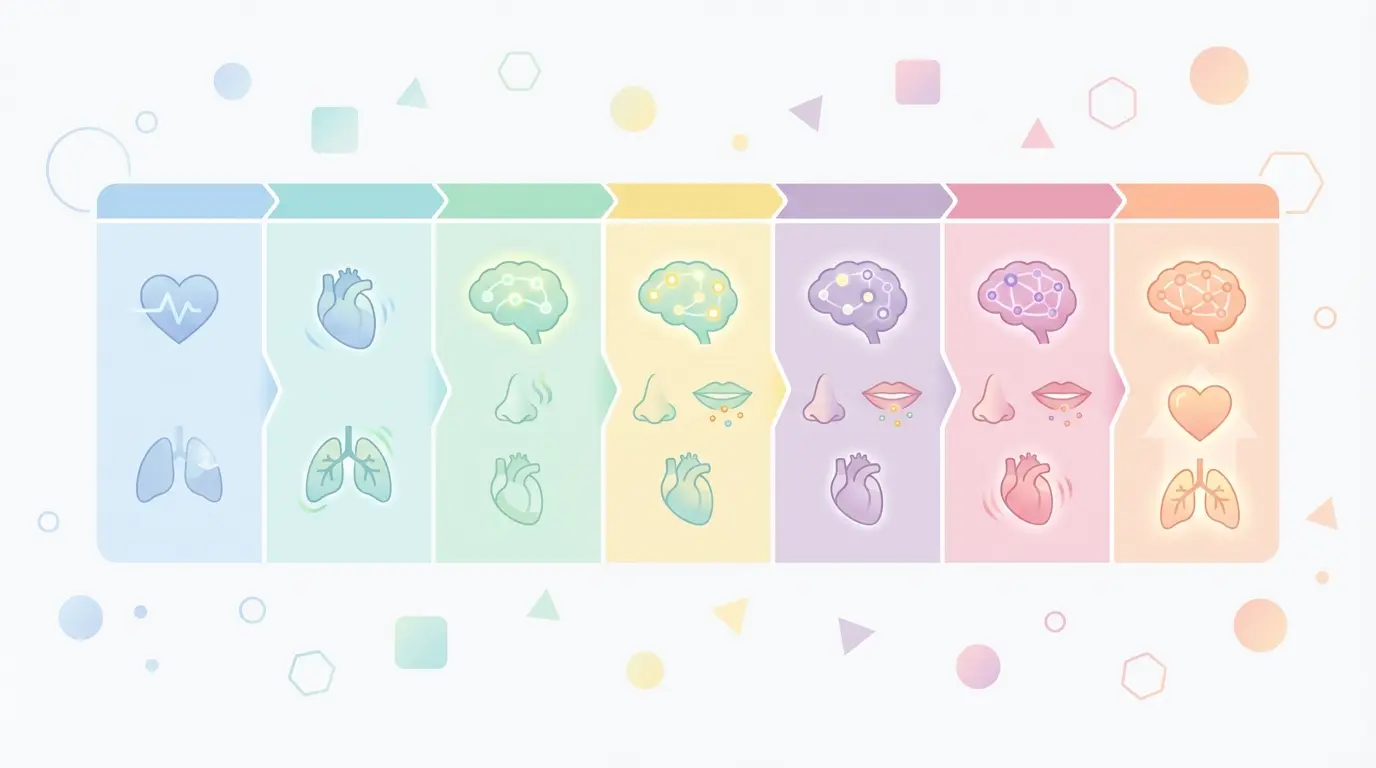
The 7-Day Nicotine Withdrawal Timeline
This is the period that determines whether most people succeed or relapse. Each day brings a slightly different profile of symptoms, and knowing what’s coming takes away a lot of its power.
Day 1: The Shock Phase
Cravings hit hard and frequently — research suggests they typically last 3–5 minutes each, though they feel much longer. Anxiety and irritability spike. Some people report nausea or mild headaches. Sleep that first night is often restless.
What helps: Short walks, cold water, delay tactics (wait 10 minutes when a craving strikes). If you’re using nicotine replacement therapy (NRT), make sure you’ve started it before this point.
Day 2: Heightened Irritability and Physical Symptoms
This is often described as the most emotionally volatile day. Dopamine levels are at their lowest since before you started smoking. Headaches, difficulty sleeping, and flu-like fatigue are common. Some people notice a persistent cough as the lungs begin clearing.
Here’s something counterintuitive: that cough getting worse is actually a sign of healing. Cilia — tiny hair-like structures in your airways — are coming back to life and sweeping out debris that accumulated over years.
Day 3: Peak Withdrawal (For Most People)
Nicotine is now completely gone from your body. This is the peak of physical withdrawal for most smokers. Expect the most intense cravings, possible headaches, anxiety, irritability, and difficulty concentrating. Some people describe feeling physically ill.
The critical insight: If you can hold on through day 3, you’ve passed the hardest physical point. Everything from here is a gradual improvement curve.
Days 4–5: The Fog Begins to Lift
Physical symptoms start easing, though not dramatically. You may notice your taste and smell becoming sharper — often sooner than expected. Cravings remain frequent but begin to shorten. Appetite tends to increase significantly around this point, which is why many people gain a few pounds in the first month (this is temporary and manageable).
Sleep is often still disrupted. Vivid dreams are common — this is a documented withdrawal phenomenon linked to changes in REM sleep patterns when nicotine is removed.
Days 6–7: Turning the Corner
By the end of the first week, most of the acute physical withdrawal symptoms are noticeably less severe. You may still have strong psychological cravings — especially tied to triggers like coffee, alcohol, stress, or specific times of day. But the physical storm has largely passed.
One week in, your lung function is already beginning to improve. According to the American Cancer Society, within one to nine months, coughing and shortness of breath decrease as the lungs continue to heal.
Nicotine Withdrawal Symptoms: What to Expect and Why They Happen
Not every person experiences every symptom, and severity varies significantly based on how long you smoked, how many cigarettes per day, and individual brain chemistry. That said, these are the most commonly reported withdrawal symptoms and the reasons behind each one.
| Symptom | Why It Happens | Typical Duration |
|---|---|---|
| Intense cravings | Brain seeking dopamine it was conditioned to expect from nicotine | 2–4 weeks (peak intensity) |
| Irritability / Mood swings | Disrupted dopamine and serotonin regulation | 1–3 weeks |
| Difficulty concentrating | Nicotine boosted acetylcholine (attention neurotransmitter); now depleted | 1–2 weeks |
| Increased appetite / weight gain | Nicotine suppressed appetite and raised metabolism; both reverse | Several weeks; manageable with diet |
| Sleep problems / vivid dreams | Nicotine altered sleep architecture; REM rebounds strongly | 1–3 weeks |
| Headaches | Blood vessel dilation as circulation normalizes | First 1–2 weeks |
| Coughing / throat clearing | Cilia regenerating and clearing accumulated mucus | Several weeks (healing sign) |
| Constipation | Nicotine stimulated bowel movement; gut needs to readjust | 1–2 weeks |
Quit Smoking Benefits Timeline: What Happens to Your Body Beyond Week 1
Here’s where the story gets genuinely motivating. The quit smoking benefits timeline extends well beyond the withdrawal period, and the improvements are medically documented and substantial.
| Time Since Quitting | Health Change | Source |
|---|---|---|
| 20 minutes | Blood pressure and pulse rate drop | American Cancer Society |
| 8–12 hours | Blood carbon monoxide levels normalize | NHS |
| 24–48 hours | Heart attack risk begins to drop | American Cancer Society |
| 2 weeks – 3 months | Circulation improves; lung function increases up to 30% | NHS / CDC |
| 1–9 months | Coughing and shortness of breath decrease significantly | American Cancer Society |
| 1 year | Risk of coronary heart disease is half that of a smoker | American Cancer Society |
| 5 years | Stroke risk reduced to that of a non-smoker | NHS |
| 10 years | Lung cancer risk drops to about half that of a smoker | American Cancer Society |
| 15 years | Heart disease risk equals that of someone who never smoked | American Cancer Society |
These aren’t abstract statistics. They represent actual biological change in your arteries, your alveoli, your DNA repair mechanisms. The NHS describes quitting smoking as “the single best thing you can do for your health.” That’s not marketing copy — it’s the consensus of decades of epidemiological research.
Tracking these milestones gives the quit journey meaning beyond just “not smoking.” Each day represents a measurable step toward a different health trajectory. Tools like the iQuit app track exactly this — showing you in real time how your health metrics are changing, which makes the difficult early days feel purposeful rather than just punishing.
The Mental Health Effects of Quitting Smoking
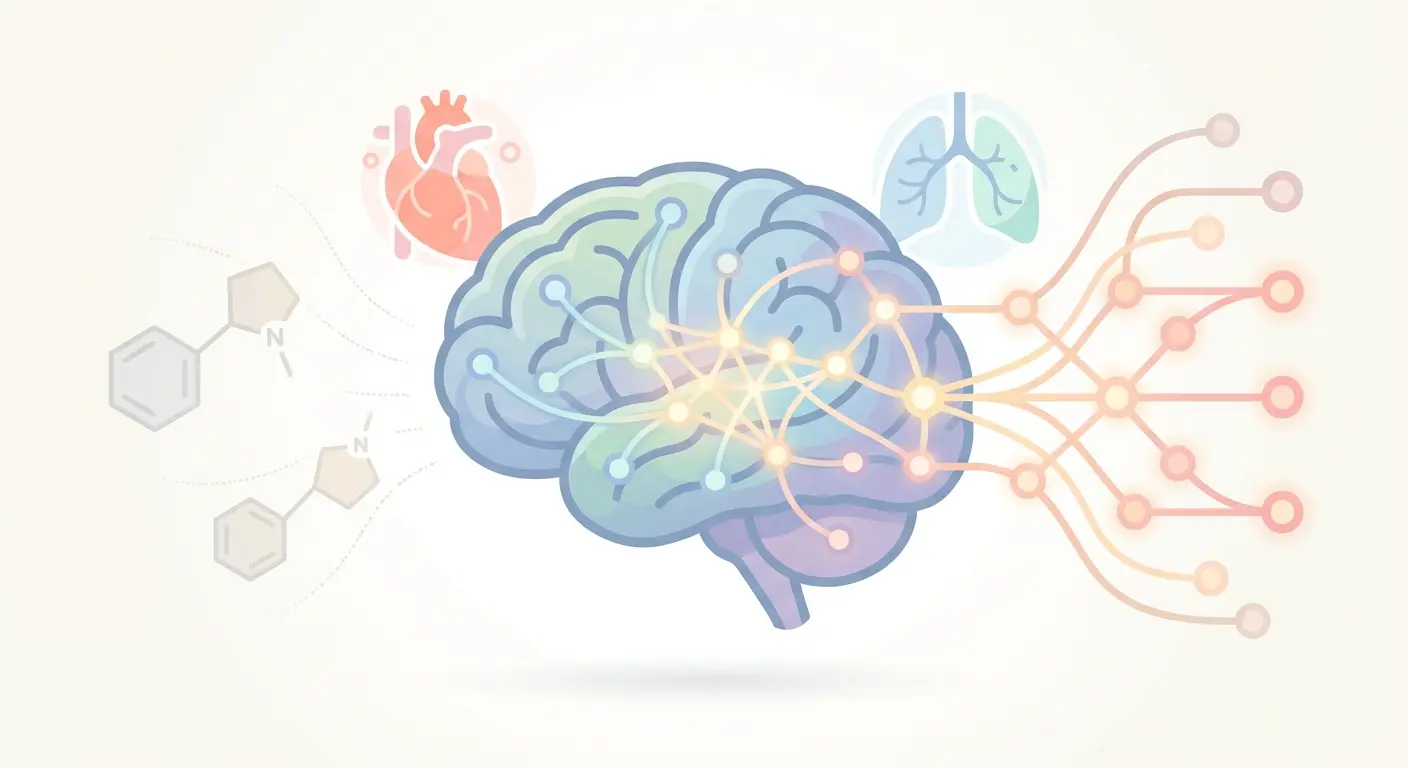
This is the part of the withdrawal conversation that almost nobody gets right. There’s a widespread assumption that quitting smoking will inevitably trigger depression and anxiety. The actual research paints a more nuanced picture — and in many ways, a more hopeful one.
A landmark systematic review and meta-analysis published in The BMJ analyzed 26 studies examining mental health outcomes after smoking cessation. The results showed that quitting smoking was associated with reduced anxiety, depression, and stress, and improved positive affect and quality of life — compared with continuing to smoke.
That’s worth sitting with. The conventional wisdom that smokers need cigarettes to manage stress turns out to be largely a product of nicotine dependency itself. What feels like stress relief is actually the temporary reversal of withdrawal discomfort.
Short-Term Mental Health Symptoms During Withdrawal
That said, the first 2–4 weeks do involve real emotional challenges. Anxiety, irritability, and low mood are genuine withdrawal symptoms — not signs of underlying psychiatric illness. For people with pre-existing anxiety disorders or depression, the withdrawal period deserves extra support, and talking to a doctor before quitting is wise.
Common emotional withdrawal symptoms include:
- Anxiety and restlessness — peaks in the first 3 days, usually improves significantly by week 2
- Irritability and anger — often tied to specific trigger moments; recognizing triggers helps manage them
- Low mood or flat affect — can last 2–4 weeks; if it persists beyond a month, speak with a doctor
- Difficulty concentrating — often described as “brain fog”; typically resolves by week 2
- Increased stress reactivity — the absence of a habitual coping mechanism feels amplified at first
Building New Coping Mechanisms
The mental health piece of quitting isn’t just about riding out withdrawal. It’s about consciously building replacement habits before the old coping mechanism is gone. For practical strategies to address specific emotional triggers, the quit strategies guide on iQuitNow breaks down how to identify and manage your specific patterns — which matters more than generic advice.
How to Manage Nicotine Withdrawal Day by Day
Knowing the timeline is one thing. Getting through it is another. Here’s a practical framework organized by what actually works at different stages.
Days 1–3: Survive and Stabilize
- Use NRT if you’re not already. Nicotine patches, gum, lozenges, and inhalers all reduce acute withdrawal severity. Starting NRT before your quit date significantly improves success rates.
- Change your environment. Remove cigarettes, lighters, and ashtrays. Sit in different chairs. Drive different routes. Disrupting physical associations interrupts automatic cravings.
- Apply the 10-minute rule. Cravings are neurological events that peak and subside. If you delay 10 minutes and distract yourself, most cravings pass without action.
- Hydrate aggressively. Water helps flush metabolites and gives you something to do with your hands and mouth.
- Tell people your quit date. Social accountability increases success rates measurably.
Days 4–7: Build Momentum
- Track your progress. Specific milestones — hours, then days — create forward momentum. Apps like iQuit show your real-time health recovery metrics, which reframes the experience as gaining something rather than losing something.
- Plan for trigger moments. Identify your highest-risk situations (morning coffee, after meals, high-stress moments) and pre-plan a specific substitute behavior for each.
- Get moving. Exercise — even a 10-minute walk — reduces craving intensity through competing neurological pathways and boosts natural dopamine.
- Manage appetite mindfully. Increased appetite is real. Having healthy snacks prepped reduces the chance of replacing one habit with another problematic one.
- Reward the milestone. Day 7 deserves recognition. Use money that would have gone to cigarettes on something tangible.
Beyond Week 1: Managing Psychological Cravings
Physical withdrawal largely resolves within 2–4 weeks. Psychological cravings are a different, longer story. They’re triggered by context — smells, places, emotional states, social situations — and can surface months or even years after quitting, though they become far less frequent and intense over time.
The evidence-based strategies for managing withdrawal symptoms include behavioral substitution, mindfulness-based craving surfing, and social support — all of which remain relevant long after the acute phase ends.
Real talk: some people need medication. Varenicline (Chantix/Champix) reduces craving intensity significantly and has the strongest evidence base of any pharmacological cessation aid. Bupropion (Wellbutrin) is another option. These aren’t “cheating” — they’re medicine for a medical condition. The CDC’s Tips from Former Smokers campaign features real stories from people who used a combination of methods — and succeeded.
Frequently Asked Questions About Nicotine Withdrawal
How long does nicotine withdrawal last?
Physical nicotine withdrawal symptoms typically last 2–4 weeks, with the most intense symptoms peaking at 48–72 hours after your last cigarette. Psychological cravings tied to habits and triggers can persist for weeks or months, but they decrease in frequency and intensity over time. Most people find the first 7 days are the hardest phase of the process.
What are the worst nicotine withdrawal symptoms?
The most commonly reported severe symptoms are intense cravings, irritability, anxiety, difficulty concentrating, and sleep disturbance. These peak around day 2–3 and begin to ease by days 4–5. Headaches, increased appetite, and mood swings are also common. Severity varies based on how long and how heavily a person smoked.
Does quitting smoking cause depression or anxiety?
Temporary irritability and low mood are common withdrawal symptoms, but research published in The BMJ found that quitting smoking is actually associated with reduced long-term anxiety, depression, and stress compared to continuing to smoke. Short-term emotional turbulence is real, but it is withdrawal — not a sign that smoking is necessary for mental health. People with pre-existing mental health conditions should consult a doctor before quitting.
What happens to your lungs when you quit smoking?
Lung recovery begins within days of quitting. Cilia — the hair-like structures that clear debris from airways — start regenerating within 24–48 hours, often causing a temporary increase in coughing (which is a healing sign, not a setback). Within 1–9 months, coughing and shortness of breath decrease noticeably. By 10 years, lung cancer risk drops to approximately half that of a continuing smoker.
Is it normal to feel worse before you feel better when quitting smoking?
Yes — and it’s one of the most important things to understand about the quit smoking timeline. The first 3 days are often the worst because nicotine is fully clearing from the body and the brain is recalibrating its neurotransmitter systems. Feeling rough at days 2–3 is a sign of withdrawal progressing, not a sign that quitting is wrong. Symptoms consistently improve after the 72-hour mark for most people.
What can I use to reduce nicotine withdrawal symptoms?
Nicotine replacement therapy (patches, gum, lozenges, inhalers) is the most accessible first-line option and significantly reduces withdrawal severity. Prescription medications like varenicline or bupropion have strong evidence for effectiveness. Behavioral strategies — exercise, distraction techniques, trigger management, and social support — also reduce symptom intensity. Combining pharmacological and behavioral approaches produces the highest success rates according to most clinical guidelines.
Ready to Track Your Recovery in Real Time?
Every hour matters when you’re quitting. The iQuit app shows your health recovery timeline, sends craving SOS support when you need it most, and tracks your progress with daily milestones and achievements — making the invisible biological changes visible and motivating.
The Bottom Line on Nicotine Withdrawal
The nicotine withdrawal timeline is demanding, but it’s also finite. Day 3 is not forever — even when it feels that way. The science is clear that the body begins recovering almost immediately after the last cigarette, and the health changes compound dramatically over months and years.
Understanding what happens each day — why you feel what you feel, what’s driving each symptom — removes some of the fear from the process. Withdrawal is your nervous system reclaiming its independence from a chemical it never needed in the first place.
If you’re on day 2 and questioning everything: that feeling is the peak. Hold on for 24 more hours, and the trajectory changes. Most people who successfully quit smoking describe day 3 as a turning point — not because symptoms disappear, but because they realize they’ve survived the worst and can keep going.
For more on building a quit plan that works beyond the first week, explore the top strategies for quitting smoking successfully — including how to identify your specific triggers and build the coping toolkit that fits your life, not a generic template.