Smoking Cessation Methods Compared: A Decision Matrix to Find Your Best Option in 2026
There are more smoking cessation methods available in 2026 than at any point in history — from the NHS-prescribed varenicline to mindfulness apps, from nicotine patches to acupuncture, from cold turkey to structured tapering programmes. The challenge isn’t access; it’s decision-making. Which method — or combination of methods — gives you the best chance based on your specific smoking history, lifestyle, and circumstances?
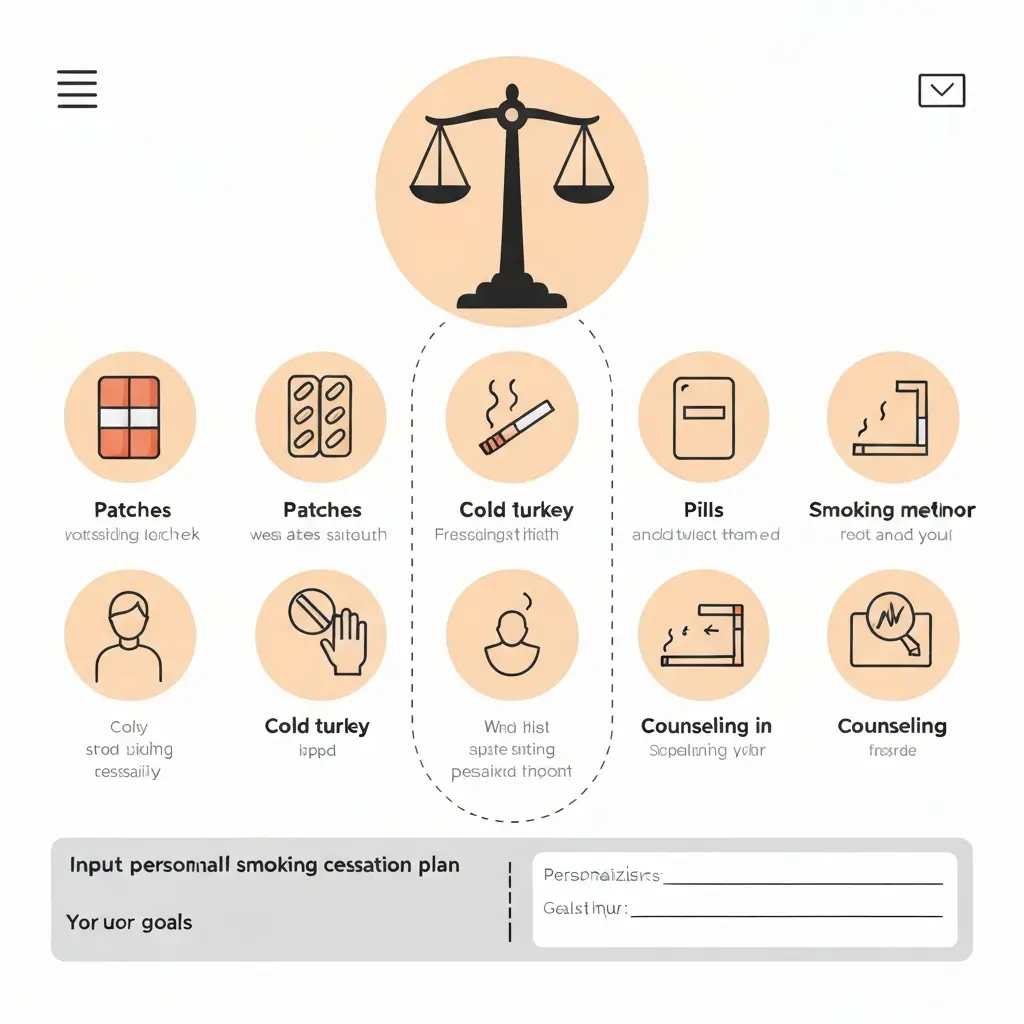
This guide provides a practical decision matrix: a structured comparison of every major cessation approach across the metrics that matter most — success rate, cost, appropriateness by smoker profile, side effects, and availability. Rather than telling you there is one right answer, it gives you the tools to find your answer.
Methods Overview and Success Rate Data
Before comparing methods, it’s important to understand what “success” means in cessation research. Most studies define success as confirmed abstinence at 6 or 12 months from the quit date. Here are the headline figures from systematic reviews and meta-analyses cited by the WHO’s 2024 tobacco cessation guideline:
| Method | 6-Month Abstinence Rate | vs. Unassisted Quit |
|---|---|---|
| Unassisted (willpower only) | 4–7% | Baseline |
| Single NRT (patch or gum) | 10–14% | 1.5–2× better |
| Combination NRT (patch + fast-acting) | 15–20% | 2.5–3× better |
| Bupropion (Zyban) | 15–19% | 2.5× better |
| Varenicline alone | 25–30% | 3–4× better |
| Behavioural counselling alone | 8–12% | 1.5–2× better |
| Varenicline + counselling | 30–35% | 4–5× better |
| Cold turkey (abrupt) | 22% (6 months, Oxford study) | Varies widely by support |
Nicotine Replacement Therapy (NRT)
NRT supplies a controlled dose of nicotine without the 7,000+ toxic chemicals in cigarette smoke. It reduces withdrawal severity and craving intensity, giving the behavioural and psychological side of quitting time to develop. NRT comes in several forms, each with different profiles:
- Patches (24h or 16h): Provide steady background nicotine; best for highly dependent smokers who need constant coverage. Available in 3 strengths (21mg, 14mg, 7mg) for stepwise tapering over 8–12 weeks.
- Gum: Fast-acting (effects within 5–10 minutes). Good for breakthrough cravings. Requires correct “chew and park” technique to work properly. Available in 2mg and 4mg.
- Nasal spray: Fastest-acting NRT (effects within 1–2 minutes). Best for very high-intensity cravings in heavy smokers.
- Mouth spray (mist): Rapid absorption through oral mucosa; very discrete and portable.
- Lozenges: Slow-dissolving; good for those with jaw sensitivity from gum. 30–40 minutes of effect.
- Inhalator: Mimics the hand-to-mouth gesture of smoking; helps with the habitual/oral component of addiction.
Combination NRT — typically a 24-hour patch for background coverage plus a fast-acting form (gum, spray, or lozenge) for breakthrough cravings — consistently outperforms single NRT in clinical trials. The CDC recommends combination NRT as the first-line pharmacological approach for moderate to heavy smokers.
Varenicline (Champix/Chantix)
Varenicline is the most pharmacologically effective single cessation medication available. It works by partially activating the same brain receptors as nicotine (reducing withdrawal) while simultaneously blocking nicotine from producing its rewarding effects if the person does smoke. This dual mechanism makes it uniquely effective.
The 2024 WHO guideline places varenicline at the top of its recommendation hierarchy for tobacco cessation. It requires a 12-week course and is prescription-only. In the UK, it is available free through the NHS Stop Smoking Service. Common side effects include nausea (which reduces over time), vivid dreams, and headache. It is not recommended during pregnancy.
Best for: Heavy smokers (20+ per day), long-term smokers, and those who have failed previous quit attempts with NRT alone.
Bupropion (Zyban)
Bupropion is an antidepressant that was discovered to aid smoking cessation as a secondary effect. It works by inhibiting reuptake of dopamine and noradrenaline, partially counteracting the neurochemical deficit that occurs during nicotine withdrawal. It is prescription-only and not recommended for those with a history of seizures or eating disorders.
Best for: Smokers with concurrent depression or anxiety, those who cannot tolerate varenicline’s side effects, or those seeking a non-nicotine option who want pharmaceutical support.
Cold Turkey
Cold turkey — abrupt cessation without pharmacological support — is the method most people use spontaneously. Despite low unassisted success rates (4–7%), adding behavioural structure and support significantly improves outcomes. The Oxford Tobacco Research Group found that cold turkey with proper planning produced higher six-month abstinence rates than gradual reduction in smokers who committed to it.
Best for: Light to occasional smokers with low physical dependency, or any smoker who strongly prefers not to use medication and can commit to comprehensive behavioural strategies.
Behavioural Counselling and CBT
Cognitive Behavioural Therapy (CBT) adapted for smoking cessation helps smokers identify and restructure the thought patterns and situational triggers that drive smoking behaviour. Individual CBT, group programmes, and telephone counselling (like NHS Stop Smoking helplines) all show consistent evidence of benefit beyond unassisted quit attempts.
Brief advice from a GP or pharmacist (even 3 minutes) produces measurable increases in quit attempts and quit success. More intensive programmes (6+ hours of contact over several weeks) produce the best outcomes, particularly when combined with medication.
Digital Tools and Apps
Digital cessation tools fill the gap between clinical contact points — providing craving management support in real time, progress tracking, financial savings calculators, and community connection. The evidence base for digital tools is growing: a 2022 Cochrane review found that smartphone apps increased self-reported abstinence at 6 months compared to no intervention or simple control conditions.
The iQuit App is designed specifically for this role — providing real-time health milestone tracking, breathing exercises during cravings, and a community of people at every stage of the quit journey. For a comparison of the leading apps, see our best quit smoking apps guide for 2026.
The Full Decision Matrix
| Method | Cost (UK/US) | Prescription Required? | Best Smoker Profile | Not Recommended If |
|---|---|---|---|---|
| Combination NRT | Free (NHS) / $30–60/mo | No (OTC) | Moderate-heavy smokers | Pregnancy (consult GP) |
| Varenicline | Free (NHS) / $200–500/12wks | Yes | Heavy/long-term smokers | Pregnancy, kidney disease |
| Bupropion | Free (NHS) / $150–300/12wks | Yes | Smokers with depression | Seizure history, eating disorders |
| Cold Turkey | Free | No | Light/occasional smokers | No contraindications |
| CBT/Counselling | Free (NHS) / $50–150/session | No | Stress/social smokers | No contraindications |
| Digital Apps | Free to £30/year | No | All smoker types (complement) | No contraindications |
Frequently Asked Questions
Which smoking cessation method has the highest success rate?
The combination of varenicline plus behavioural counselling produces the highest documented quit rates — around 30–35% at 12 months in clinical trials. Varenicline alone achieves approximately 25–30% at 6 months. The WHO’s 2024 clinical guideline recommends combination pharmacotherapy plus behavioural support as the optimal approach for all adult smokers seeking to quit.
Is NRT safe for long-term use?
Yes — NRT is considered safe for extended use. NHS guidelines now recommend that people use NRT for as long as they need it to stay smoke-free, rather than arbitrarily tapering at 12 weeks. Long-term NRT use, while not ideal, is vastly safer than returning to smoking. NRT delivers nicotine without the 7,000+ toxic chemicals in cigarette smoke.
Can I use NRT and varenicline at the same time?
Some clinical trials have combined varenicline with nicotine patches and found modestly improved outcomes in heavy smokers, with acceptable safety. However, this combination should only be used under medical supervision. Varenicline alone is typically sufficient and is the recommended first choice before adding NRT.
How do I get varenicline for free in the UK?
Varenicline is available free of charge through the NHS Stop Smoking Service. You can access this via your GP, local pharmacy, or by calling the NHS Smokefree helpline (0300 123 1044). You will typically be enrolled in a 12-week course with regular check-in appointments, which also provides the behavioural support component that improves outcomes significantly.
Do apps help with smoking cessation?
Yes — Cochrane review evidence shows that smartphone apps improve self-reported abstinence rates at 6 months compared to no-intervention controls. Apps are most effective as a complement to other methods rather than as standalone interventions. They provide the 24/7 craving support, progress tracking, and community connection that clinical contact alone cannot deliver between appointments.
Complement Any Method With iQuit
Whatever cessation method you choose, the iQuit App gives you the behavioural support layer that improves your odds. Track your progress, manage cravings in real time, and see your health milestones update daily — all free.