
Smoking Craving Relief: 9 Proven Tips to Quit Faster
A cigarette craving lasts, on average, just 3 to 5 minutes — but when you’re in the middle of one, it can feel like hours. That gap between knowing cravings are temporary and actually surviving them is where most quit attempts collapse. The good news? Smoking craving relief is absolutely achievable, and there are specific, science-backed techniques that can shrink that unbearable window down to something you can manage right now.
This article covers 9 practical, proven strategies for how to deal with cigarette cravings — including some that work in under 60 seconds. Whether you quit this morning or you’re still working up the nerve, you’ll find something actionable here.
Table of Contents
- What a Nicotine Craving Actually Is (and Why It Feels So Intense)
- Tip 1 — Use Controlled Breathing to Interrupt the Craving Cycle
- Tip 2 — Deploy the 5-Minute Delay Rule
- Tip 3 — Match the Right Nicotine Replacement to Your Craving Type
- Tip 4 — Behavioral Substitution: Replace the Ritual, Not Just the Nicotine
- Tip 5 — Map and Disrupt Your Trigger Patterns
- Tip 6 — Use Quit Smoking Success Stories as Active Motivation Fuel
- Tip 7 — Try Mindfulness-Based Craving Surfing
- Tip 8 — Build an Accountability Layer That Holds
- Tip 9 — Create a Personal Craving Emergency Plan Before You Need It
- Craving Relief Methods Compared
- Quick-Action Craving Checklist
- Frequently Asked Questions
What a Nicotine Craving Actually Is (and Why It Feels So Intense)
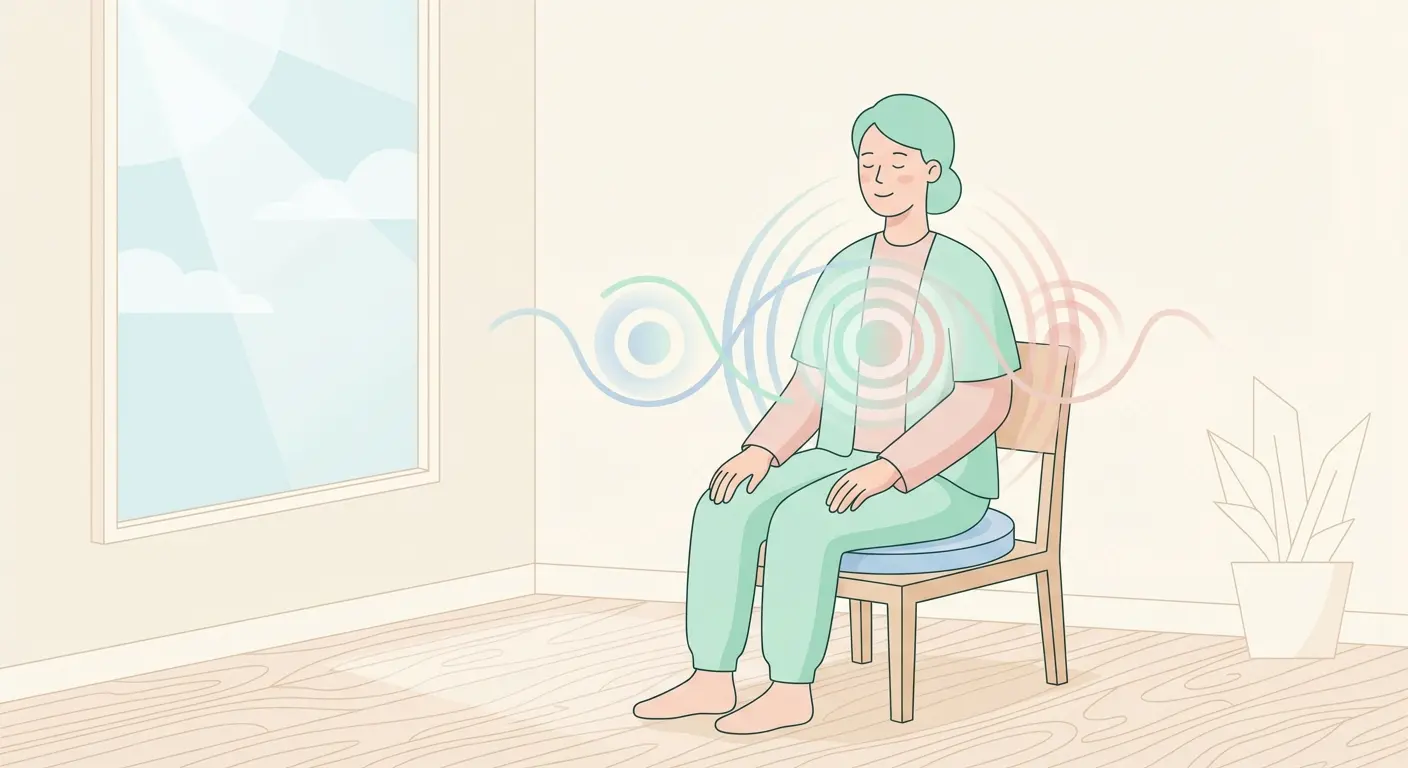
A nicotine craving is a short, intense urge to smoke triggered by the brain’s dopamine reward system responding to a drop in nicotine levels or to learned environmental cues (places, emotions, routines). The physical discomfort typically peaks within 3–5 minutes and subsides without a cigarette. Understanding this biological reality is the first, most underrated step in smoking craving relief.
Here’s what most people miss: cravings aren’t a sign of weakness. They’re a predictable neurological event. When nicotine regularly floods your brain’s nucleus accumbens — the reward center — your brain literally restructures itself to expect it. Remove the nicotine, and your brain sends distress signals until it adapts.
The American Cancer Society notes that these signals weaken significantly within the first few weeks of quitting. But that knowledge doesn’t make Tuesday afternoon at your desk feel any better. That’s why specific, practiced techniques matter so much — knowing the theory is useful, but having a practiced reflex is what actually keeps you from lighting up.
For a thorough breakdown of how addiction, triggers, and habit loops work together, the top strategies to quit smoking successfully guide at iQuitNow covers the full picture — including how to identify your unique craving triggers before they catch you off guard.
Tip 1 — Use Controlled Breathing to Interrupt the Craving Cycle
Before anything else, breathe. Specifically, the 4-7-8 technique: inhale for 4 counts, hold for 7, exhale for 8. It sounds almost too simple to matter — but it works by activating the parasympathetic nervous system, which physically counters the fight-or-flight stress response that rides alongside most cravings.
A 2023 randomized controlled trial published in JNCI Cancer Spectrum found that mindfulness-based apps incorporating breath-focused techniques significantly improved quit attempt outcomes across 58 counties — not in a lab, but in real communities, with real smokers dealing with real stress. (Read the full study here.)
The practical version: the next time a craving hits, don’t pick up your phone or pace the room. Sit down, close your eyes if you can, and do three full 4-7-8 cycles. That’s roughly 60 seconds. By the time you’re done, you’re past the sharpest edge of the craving — and more importantly, you’ve broken the automatic hand-to-mouth reflex that makes smoking feel inevitable.
Tip 2 — Deploy the 5-Minute Delay Rule
This one is deceptively powerful. When a craving hits, commit to just one rule: wait 5 minutes before doing anything. Don’t tell yourself you’ll never smoke again. Don’t fight the urge. Just delay.
What most people discover — usually to their surprise — is that the craving has already faded significantly by the time the 5 minutes are up. That’s not a trick. That’s the biology. Nicotine cravings are acute, not chronic. They spike and drop.
The CDC’s quitting resources reinforce this approach, recommending that smokers find activities to occupy the critical 3–5 minute window. (See the CDC’s full quit guide here.) Walk to the kitchen for a glass of water. Step outside and look at the sky. Text someone. The specific activity matters less than the time elapsed.
Where this gets counterintuitive: don’t try to distract yourself intensely with something cognitively demanding during this window. Simple, low-attention tasks work better — your prefrontal cortex is temporarily compromised during a craving, so demanding tasks frustrate rather than distract.
Tip 3 — Match the Right Nicotine Replacement to Your Craving Type
Nicotine replacement therapy (NRT) is one of the most well-documented smoking craving relief tools available — but many people use the wrong format for their craving pattern and then conclude “NRT doesn’t work for me.” The truth is, the delivery method matters.
| NRT Type | Best For | Onset Time | Typical Use Case |
|---|---|---|---|
| Patch | Background cravings, steady nicotine level | 2–4 hours (sustained) | Morning routine smokers, high-frequency smokers |
| Gum / Lozenge | Acute, sudden cravings | 15–30 minutes | Situational cravings (after meals, stress moments) |
| Nasal Spray | Intense, rapid-onset cravings | 5–10 minutes | Heavy smokers, high nicotine dependence |
| Inhaler | Hand-to-mouth habit alongside nicotine need | 15–20 minutes | People who miss the physical act of smoking |
| Combination (Patch + Gum) | Breakthrough cravings despite patch use | Patch: sustained; Gum: 15–30 min | Long-term heavy smokers, high withdrawal symptoms |
Harvard Health Publishing notes that combination NRT — a background patch plus an on-demand form like gum or lozenge — is more effective than single-form NRT for many people. (Expert advice on this from Harvard Health here.) The point is: match the tool to the problem.
Tip 4 — Behavioral Substitution: Replace the Ritual, Not Just the Nicotine
One of the biggest blind spots in most quitting plans is treating smoking purely as a nicotine addiction. It’s also a behavior — a deeply grooved ritual that involves your hands, your mouth, your breathing, your social positioning, even your sense of identity as “a smoker.”
Behavioral substitution means replacing the ritual components of smoking, not just the nicotine. Think about what you’re actually doing when you smoke: stepping outside, holding something in your hand, taking a deep breath, getting a moment of solitude. Those needs don’t disappear when the cigarettes do.
Practical substitutions that address the ritual:
- Hands: A pen, a stress ball, toothpick, straw, or fidget ring
- Mouth: Sugar-free gum, cinnamon sticks, herbal tea
- The “break”: A 3-minute walk, stepping outside for fresh air without a cigarette
- Social smoking replacement: A specific alternative ritual with friends who still smoke
- The deep breath: The 4-7-8 technique from Tip 1 — which mimics the slow, deliberate inhale of a cigarette
This is where apps like iQuit can be genuinely useful — not just for tracking days, but for offering an immediate behavioral redirection when the substitution instinct hasn’t fully formed yet. The app’s SOS craving feature gives you something specific to do in the moment, which matters more than most people realize in the first two weeks.
Tip 5 — Map and Disrupt Your Trigger Patterns
You can’t outrun a trigger you can’t name. Trigger mapping — identifying the specific situations, emotions, and environments that reliably precede a craving — is one of the most evidence-based strategies in smoking cessation research.
The four main trigger categories are: situational (driving, drinking coffee, finishing a meal), emotional (stress, boredom, loneliness, celebration), social (being around other smokers), and withdrawal-based (the physical craving from nicotine drop). Most smokers have a mix of all four.
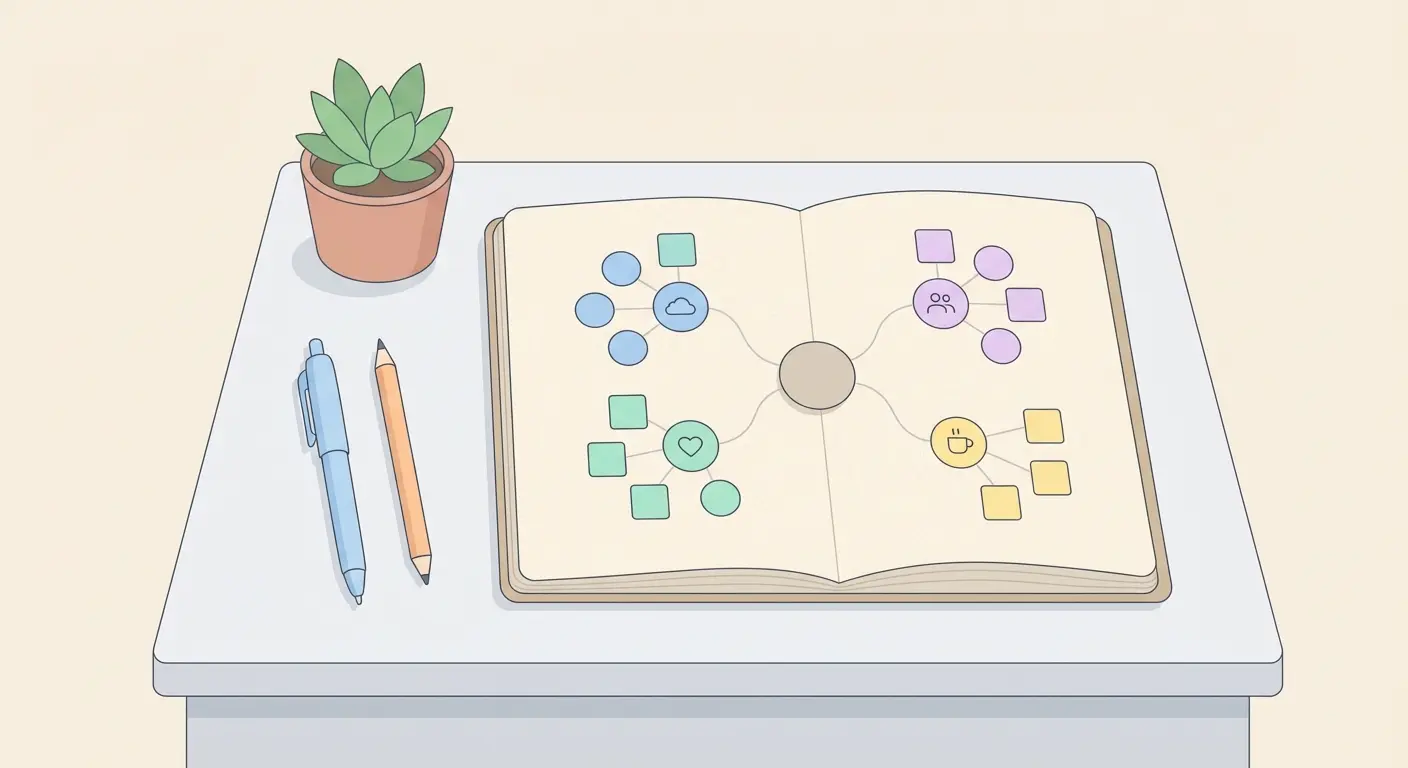
Once identified, triggers can be disrupted with route changes, schedule shifts, or pre-planned responses. The National Cancer Institute’s Build My Quit Plan tool walks you through this process in a structured way — it’s free and takes about 10 minutes.
For a deeper look at trigger identification and long-term pattern disruption, the effective strategies to help you quit smoking resource at iQuitNow covers withdrawal management and behavioral strategies that go beyond the surface level.
Tip 6 — Use Quit Smoking Success Stories as Active Motivation Fuel
Quit smoking motivation is not a one-time event. It’s something you have to actively replenish — and quit smoking success stories are one of the most underused tools for doing exactly that.
Reading or hearing about someone who smoked for 30 years and successfully quit at 55 doesn’t just feel good. It does something specific in your brain: it updates your belief about what’s possible. Psychologists call this “vicarious efficacy” — you borrow someone else’s proof until your own proof accumulates. It’s a legitimate cognitive tool, not just feel-good inspiration.
Where to find quality quit smoking success stories that actually move the needle:
- The Smokefree.gov community forums (real, unfiltered accounts)
- Reddit’s r/stopsmoking subreddit — especially the weekly check-in threads
- The 7 ways to get past nicotine cravings video, which includes firsthand accounts from former smokers
- The iQuit app’s community challenges feature, where users share real-time milestones
The thing that clicks for most people when they read success stories isn’t the inspiration — it’s the specificity. “I quit after 20 years by replacing my morning cigarette with a cold shower” is actionable in a way that “you can do it!” simply isn’t.
Tip 7 — Try Mindfulness-Based Craving Surfing
Craving surfing is a mindfulness technique developed by addiction psychologist Alan Marlatt — and it’s one of the most counterintuitive approaches to cigarette craving management you’ll find. Instead of fighting, distracting from, or suppressing a craving, you observe it.
The idea: cravings, like waves, build, peak, and break. If you can stay aware of the sensation without acting on it, you discover that the craving is survivable — and that discovery compounds each time you do it. Over weeks, the cravings literally lose their grip because your brain stops associating the urge with an inevitable behavioral response.
Dr. Judson Brewer, a neuroscientist and addiction psychiatrist at Brown University, has done extensive research on exactly this mechanism. His TED Talk on breaking bad habits through curiosity rather than willpower is one of the clearest explanations of why mindfulness outperforms suppression for addiction management: A Simple Way to Break a Bad Habit | Judson Brewer | TED.
The 2023 JNCI Cancer Spectrum trial mentioned earlier specifically tested a mindfulness training app in a real-world randomized controlled trial and found meaningful improvements in cessation outcomes — confirming this isn’t just theory.
A basic craving surfing practice takes about 5 minutes:
- Notice: Acknowledge the craving without judgment. “I’m having a craving right now.”
- Locate: Where do you feel it physically? Chest tightness? Throat? Hands?
- Describe: Give it qualities. Is it sharp or dull? Does it pulse?
- Watch: Observe how it changes second by second. It will — usually upward then downward.
- Wait: Stay with it until you feel it drop. It will drop.
Tip 8 — Build an Accountability Layer That Holds
Accountability is not about guilt — it’s about the human need for social consistency. When someone else knows you’ve committed to something, the cost of failure goes up. That’s not manipulation; it’s social psychology working in your favor.
The catch is that accountability only works when it’s specific and structured. Telling your partner “I’m trying to quit” is very different from “I’ll text you every day at 9 PM with my status, and if I miss a day, I owe you dinner.”
The most effective accountability structures for quitting smoking:
- A quit buddy — ideally someone else who’s quitting at the same time
- A daily check-in habit — same time, same person, specific format
- Public commitment — posting your quit date in a community (the iQuit app’s accountability circles feature handles this with built-in structure)
- A consequence agreement — a specific, real consequence for smoking that you’ve pre-committed to
Tip 9 — Create a Personal Craving Emergency Plan Before You Need It
This is the one that separates people who keep their quit from people who always seem to be “starting over.” A craving emergency plan isn’t complicated — but it has to exist before the craving hits, not during it. When you’re mid-craving, your decision-making capacity is genuinely impaired. Prefrontal cortex activity drops. You need a pre-written script your brain can follow on autopilot.
Your craving emergency plan should answer these five questions in advance:
- What’s my first physical action when a craving hits? (Example: stand up and walk to the kitchen)
- What’s my 5-minute activity? (Example: text a specific person, play a specific song)
- What’s my breathing technique? (4-7-8, box breathing, etc.)
- Who do I call/text if it gets really bad? (One specific name)
- What do I remind myself about my quit reason? (One specific, personal statement)
Write this down physically. Put it on your phone lock screen. Print it. The format matters less than the fact that it’s ready before the moment arrives. The American Cancer Society’s craving management resources expand on this approach with additional situational tactics for particularly challenging moments — worth bookmarking: Help for Cravings and Tough Situations While Quitting Tobacco.
Quick-Action Smoking Craving Relief Checklist
When a craving hits in the next 24 hours, run through this list in order:
- Start the 5-minute timer on your phone immediately
- Do 3 rounds of 4-7-8 breathing (60 seconds total)
- Drink a full glass of cold water — cold water has a mild disruption effect on oral cravings
- Change your physical location if possible — cravings are partly location-triggered
- Use a behavioral substitute (gum, fidget tool, short walk)
- Text or call your accountability person if the craving is still strong
- Check your quit app — seeing your smoke-free hours and health recovery stats is a genuine motivation reset
- Practice 2 minutes of craving surfing if the urge is particularly intense
- Remind yourself of your written quit reason — the specific, personal one, not the generic “for my health” version
This list won’t make cravings disappear. But it gives you 9 specific moves to make before the craving wins — and that’s usually enough.
Want More Support Between Cravings?
The 9 strategies above work best when reinforced daily — not just in crisis moments. Explore more evidence-based quitting resources at iQuitNow to build a complete quit plan that supports you before, during, and after every craving.
Frequently Asked Questions About Smoking Craving Relief
How long do cigarette cravings last when you quit smoking?
Individual cigarette cravings typically peak and fade within 3 to 5 minutes, even though they feel much longer. The overall frequency of cravings usually drops significantly within the first 2–4 weeks of quitting. By 12 weeks, most former smokers report cravings as manageable or infrequent, though situational cravings (triggered by specific environments or emotions) can occasionally resurface months later.
What can I drink to stop cigarette cravings?
Cold water is the most accessible and effective drink for immediate craving disruption — it engages the mouth, provides a mild sensory shock, and gives you something physical to do. Many former smokers also find herbal teas (especially peppermint or ginger) helpful because the sipping ritual partially substitutes for the smoking ritual. Notably, avoiding alcohol during early quit attempts is strongly advised, as alcohol lowers inhibition and is one of the most common relapse triggers.
What is the hardest day when quitting smoking?
Days 2–3 are widely reported as the most physically difficult, as this is when nicotine is fully cleared from the body and withdrawal symptoms peak — irritability, difficulty concentrating, and intense cravings are most severe at this stage. Days 5–7 are often described as the second-hardest window, when the initial motivation from quitting day has worn off but the habit triggers are still fully intact. Having a specific craving management plan ready for both windows dramatically improves outcomes.
Does exercise really help with cigarette cravings?
Yes — and the evidence is stronger than most people expect. Even a brisk 5-minute walk has been shown in multiple controlled studies to reduce craving intensity and the urge to smoke. Exercise releases endorphins and raises dopamine levels, partially compensating for the dopamine drop that drives nicotine cravings. It also provides a behavioral interruption and changes your physical location, both of which help disrupt craving-trigger associations.
How do I stay motivated to quit smoking when cravings feel overwhelming?
Quit motivation tends to be strongest right after a health scare or a personal commitment moment — and weakest during the daily grind of week two. The most effective way to maintain quit smoking motivation is to make it concrete and personal: write down your specific reason for quitting (not “health” but “I want to be there when my daughter graduates”), review quit smoking success stories when motivation drops, and track visible progress like smoke-free hours and money saved. External accountability through a quit buddy or community also provides a motivation floor that willpower alone can’t maintain.
Is it normal to still have cravings years after quitting smoking?
Yes, and it’s more common than most people admit. Long-term former smokers can experience occasional cravings triggered by specific situations — a particular location, a stressful event, or even a smell — years or even decades after quitting. These are brief, far less intense than early-quit cravings, and are a normal part of how the brain stores habit memories. Knowing they can occur without leading to relapse is itself a protective factor.
Ready to Build a Full Quit Plan That Actually Holds?
The 9 tips above address the craving moment — but lasting smoking craving relief and sustained quit motivation require a broader foundation. That means understanding your addiction pattern, setting up your environment for success, and having strategies ready for the post-craving weeks when motivation naturally dips.
Two resources worth bookmarking as your quit progresses:
- The top strategies to quit smoking successfully guide — covers the full behavioral and psychological architecture of a quit plan, including how to handle the weeks beyond initial cravings.
- The NCI’s quitSTART app — a free, evidence-based tool that complements the strategies above with structured daily support.
Quitting smoking is hard. Fair warning: it takes real effort, and some attempts take multiple tries to stick. But the timeline of benefits starts within 20 minutes of your last cigarette — and that’s not motivational language, that’s cardiovascular physiology. Every hour you hold is a real biological win, even when it doesn’t feel like one.
Last updated: 2025. Sources include CDC, American Cancer Society, Harvard Health Publishing, JNCI Cancer Spectrum, and National Cancer Institute Smokefree resources.