Vaping to Quit Smoking: Does It Actually Work in 2026?
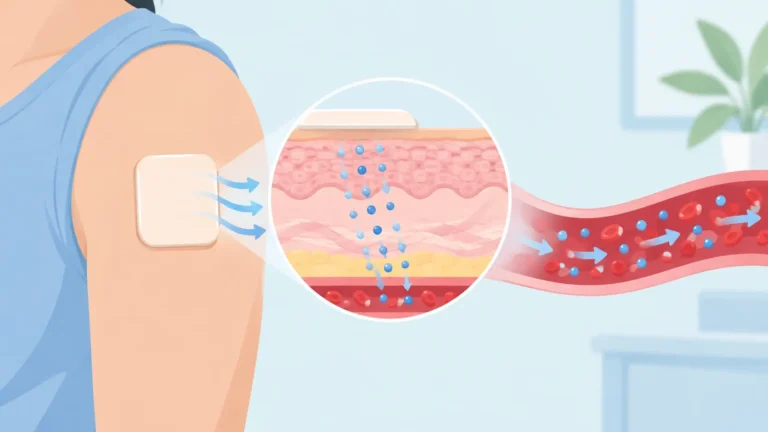
Millions of smokers have turned to e-cigarettes hoping they’d be a bridge to becoming smoke-free. The idea makes intuitive sense: vaping delivers nicotine without the tar and carbon monoxide of combustion, making it potentially less harmful than cigarettes while easing the transition away from smoking. But does vaping to quit smoking actually work? And how does it compare to established cessation methods like NRT patches, varenicline, or using a quit app with behavioral support?
The evidence in 2026 is more nuanced than the headlines suggest — and understanding it properly can make a real difference to whether your quit attempt succeeds.
What the Research Actually Says in 2026
The most comprehensive evidence on e-cigarettes for smoking cessation comes from a landmark Cochrane Review that has been updated multiple times. The 2023 update — encompassing 78 randomized controlled trials — found that people using e-cigarettes to quit smoking had higher abstinence rates at 6 months compared to using no nicotine replacement at all.
A key trial published in the New England Journal of Medicine compared e-cigarettes to traditional NRT over 52 weeks. The e-cigarette group had an 18% abstinence rate at one year, compared to 9.9% for the NRT group — a notable difference. However, 80% of the successful e-cigarette quitters were still vaping at one year, compared to only 9% of the NRT group still using NRT. This means vaping helped people stop smoking, but most did not become nicotine-free.
This distinction matters enormously. If your goal is to stop smoking AND stop nicotine use, vaping may be less ideal than it first appears. If your goal is primarily to stop combustible cigarettes (which carry the highest health risks), vaping may be a legitimate transitional tool.
Vaping vs Traditional NRT: How Do They Compare?
| Factor | E-Cigarettes | Traditional NRT |
|---|---|---|
| Short-term quit rates | ~18% at 1 year (NEJM trial) | ~10% at 1 year (same trial) |
| Nicotine-free at 1 year | ~4% (most still vaping) | ~9% (most stopped NRT) |
| Regulatory approval as cessation aid | Not approved in most countries | Approved in US, UK, EU |
| Behavioral ritual replacement | High (mimics smoking hand-to-mouth ritual) | Low (patches, gum differ from smoking) |
| Long-term safety data | Limited (technology is relatively new) | Decades of safety data available |
| Cost | Variable; ongoing cost if continued | Short-term cost; often subsidized |
One meaningful advantage of e-cigarettes is their ability to mimic the behavioral ritual of smoking — the hand-to-mouth action, the visual vapor, the social aspect. For smokers who are as psychologically addicted to the ritual as the nicotine, this can ease the transition. Traditional NRT doesn’t address this dimension.
The Risks of Using Vaping as a Cessation Tool
While e-cigarettes are generally accepted as less harmful than combustible cigarettes, “less harmful” does not mean harmless. Key concerns include:
- Long-term lung effects: E-cigarette aerosol contains ultrafine particles, heavy metals (like lead and nickel from heated coils), and volatile organic compounds. Long-term inhalation effects are not yet fully understood due to the technology’s relative novelty.
- Nicotine dependence continuation: Most vapers who quit smoking continue vaping for years, maintaining nicotine dependence rather than achieving true cessation.
- Product quality variation: The e-cigarette market includes many unregulated products with inconsistent nicotine levels and unknown additives.
- Attractiveness to youth: A social concern rather than individual, but worth noting: vaping has become a gateway to nicotine for many young non-smokers.
The Dual-Use Trap
One of the most common failure patterns when using vaping to quit smoking is “dual use” — continuing to smoke cigarettes while also vaping, rather than fully switching. Research suggests that dual users may actually cut down on cigarettes but rarely achieve complete abstinence from smoking. If you start vaping as a quit aid but find yourself smoking on stressful occasions or when your vape isn’t available, you’re in the dual-use pattern.
To avoid this trap: set a hard stop date for cigarettes from day one, even if you plan to continue vaping temporarily. Using the iQuitNow app to track every cigarette smoked (and every cigarette skipped) can help you monitor whether vaping is genuinely replacing cigarettes or just supplementing them.
What Doctors and Health Bodies Say in 2026
Health organizations have taken notably different positions on vaping as a cessation tool:
- UK NHS / NICE: Has adopted a relatively permissive stance, acknowledging that e-cigarettes can help smokers quit and offering them as an option in some stop smoking services.
- US FDA / CDC: Does not approve e-cigarettes as cessation devices and recommends FDA-approved methods (NRT, varenicline, bupropion) as first-line options.
- WHO: Has expressed caution, noting insufficient evidence to recommend e-cigarettes as cessation aids and concerns about ongoing nicotine dependence.
The most pragmatic guidance for individual smokers in 2026: if you’ve tried approved methods without success, vaping may be a reasonable harm-reduction step. If you haven’t yet tried approved first-line treatments, those have stronger evidence and regulatory backing.
A More Effective Approach to Quitting
If your ultimate goal is becoming fully nicotine-free, the evidence points toward a structured approach using proven tools. The most effective strategy combines:
- Prescription medication or NRT to manage the physical dependency
- Behavioral support through a counselor, stop smoking service, or structured quit app
- Progress tracking to maintain motivation through milestones
- A clear plan for high-risk trigger situations
For smokers who feel that the behavioral ritual of smoking is as difficult to quit as the nicotine itself, vaping may play a transitional role — but set a clear timeline for stepping down from vaping too, rather than treating it as a permanent alternative.
Tracking your financial savings is one of the most powerful motivators for staying smoke-free. Whether you’re coming from cigarettes or transitioning away from vaping, tools like iQuitNow help you visualize exactly how much money you’re saving daily. For structured behavior change support, Tesify offers AI-powered productivity tools that can help you build new routines to replace smoking habits. And if you’re managing a wellness or health program for others, CampaignOS provides the infrastructure to deliver cessation support at scale.
Frequently Asked Questions
Is vaping better than smoking for your health?
Current evidence suggests vaping is less harmful than combustible cigarettes because it eliminates tar and combustion byproducts, which are responsible for most smoking-related diseases. However, vaping is not risk-free — it involves inhaling aerosols containing ultrafine particles, nicotine, and other chemicals. Long-term health effects are still being studied.
Can I use a vape to quit smoking while also using NRT?
Combining vaping with NRT is generally not recommended because it may result in excessive nicotine intake. If you’re using vaping as your primary cessation tool, adding NRT patches or gum is usually unnecessary. Speak with a healthcare provider before combining methods.
How long should I vape before stopping completely?
If using vaping as a transitional cessation tool, most experts recommend gradually reducing nicotine concentration over 3–6 months, with a goal of stopping vaping entirely. However, evidence shows most vapers do not achieve this timeline without a structured plan. Set a specific stop-vaping date as part of your quit plan.
Are there vaping products specifically designed for quitting smoking?
No e-cigarette products are currently approved as cessation devices in the US or EU. In the UK, some nicotine-containing e-cigarettes can be licensed as medicines, but this process is in early stages. Most e-cigarettes on the market are consumer tobacco products, not medical cessation aids.
What if I’ve already tried NRT and it didn’t work?
If NRT alone hasn’t worked, consider: (1) combination NRT — patch plus fast-acting form; (2) prescription varenicline, which has higher efficacy than NRT for most smokers; (3) adding behavioral support, which significantly boosts all cessation methods; or (4) discussing vaping as a harm-reduction transition with your GP if other methods have consistently failed.
Does nicotine itself cause cancer?
Nicotine is not considered a primary carcinogen. The cancer-causing compounds in tobacco smoke come largely from combustion byproducts — tar, polycyclic aromatic hydrocarbons, and other chemicals. Nicotine does contribute to cardiovascular effects and addiction. However, pure nicotine delivery (via NRT or vaping) is considered far safer than smoking combustible tobacco.
Take Control of Your Quit Journey in 2026
Whether you’re quitting cold turkey, using NRT, or transitioning away from vaping, the iQuitNow app gives you the tools to track your progress, manage cravings, and stay motivated every step of the way.