Varenicline vs Nicotine Patches: Which Quit Smoking Method Works Better in 2026?
Two of the most evidence-backed quit smoking methods go head to head: varenicline (sold as Champix in the UK/Australia and Chantix in the US) versus nicotine patches. Choosing between them involves understanding which quit smoking method works better for your specific situation — because the answer is not the same for everyone. Both are significantly more effective than unassisted quitting, but their mechanisms, success rates, side effect profiles, and suitability differ in important ways.
This comparison is based on 2026 data from systematic reviews, head-to-head clinical trials, and NHS/CDC recommendations.
How Varenicline and Patches Work Differently
Varenicline (Champix/Chantix) is a partial agonist of nicotinic acetylcholine receptors. It works in two complementary ways: (1) it partially activates nAChRs, reducing withdrawal symptoms and cravings by providing a low-level nicotine-like effect; and (2) it blocks nicotine from fully binding to these receptors, reducing the pleasure of smoking if the person does smoke. This dual mechanism is why varenicline is so effective — it addresses both withdrawal and the reward of relapse simultaneously.
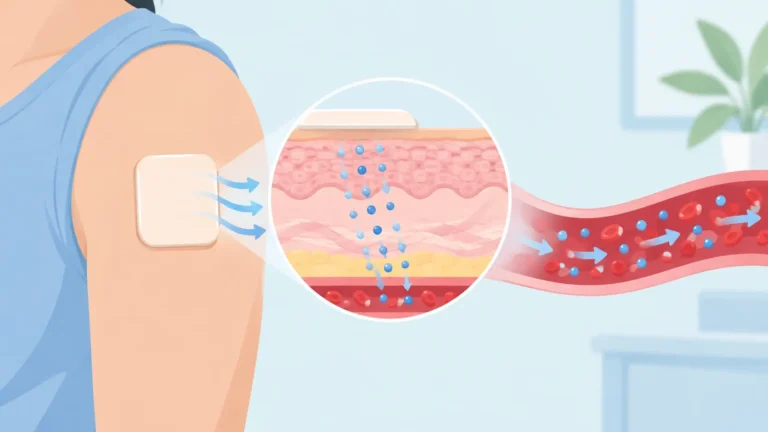
Nicotine patches deliver a steady, controlled dose of nicotine through the skin throughout the day. They address the physical withdrawal component directly by maintaining blood nicotine levels above the threshold that triggers acute craving. They do not block the pleasure of smoking if the person relapses, and they do not affect the dopamine response to smoking stimuli in the way varenicline does.
Head-to-Head Success Rates
| Method | 6-Month Quit Rate | vs Placebo | Source |
|---|---|---|---|
| No aid (cold turkey) | ~4–7% | Baseline | Cochrane 2023 |
| Nicotine patch alone | ~10–15% | 2x placebo | Cochrane 2023 |
| Combination NRT (patch + fast-acting) | ~18–20% | 3x placebo | NICE guidelines 2024 |
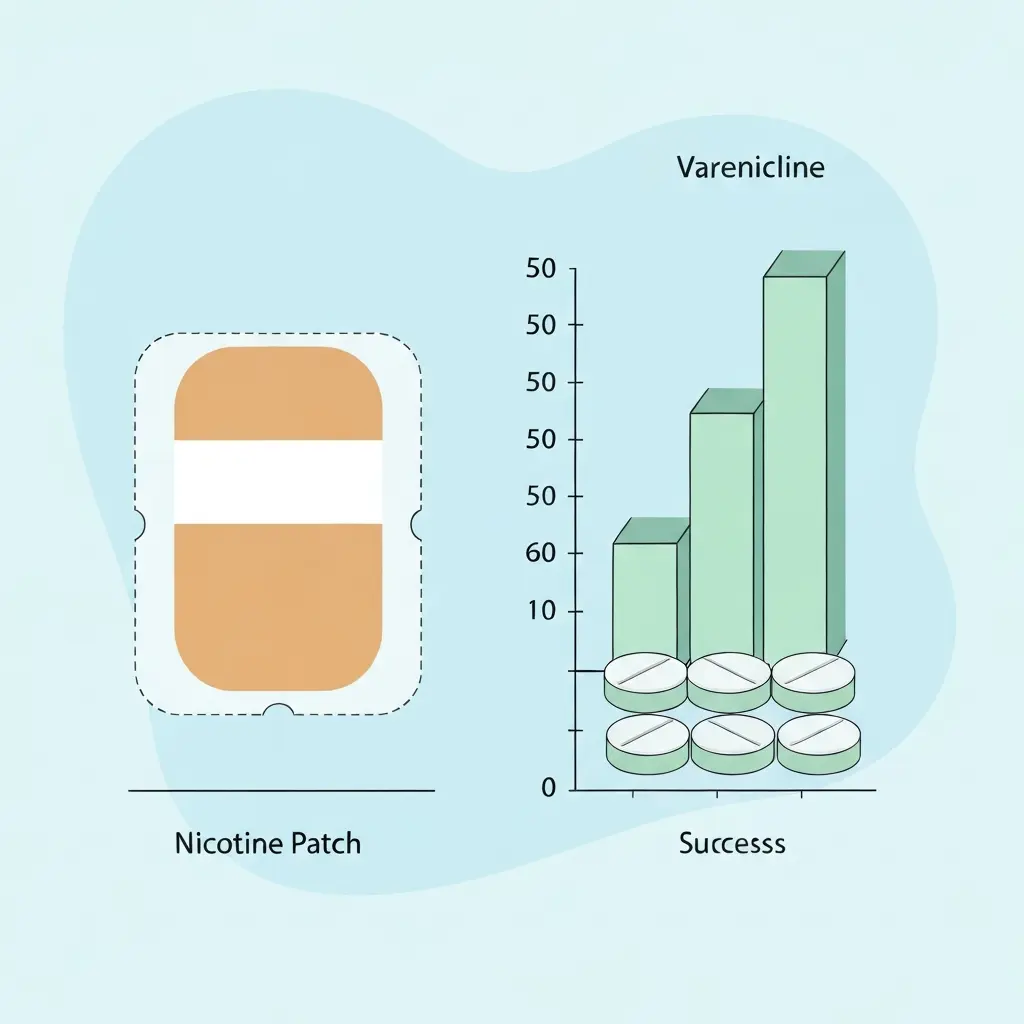
| Varenicline (full course) | ~25–30% | 5–6x placebo | NEJM 2022; Cochrane 2023 |
| Varenicline + behavioural support | ~35–40% | 7–8x placebo | EAGLES trial 2021 |
Varenicline’s advantage is consistent across multiple large trials. The EAGLES trial — a large, rigorous multi-country study — confirmed varenicline’s superiority over NRT while also finding that the neuropsychiatric safety concerns of earlier years were significantly overstated for the general population.
Side Effects and Safety Profiles
Nicotine patches: Generally well-tolerated. Most common side effects are skin reactions (redness, itching at the patch site), sleep disturbances and vivid dreams if wearing overnight, and occasional nausea. Serious adverse events are rare. Safe in most adults; consult GP if pregnant or with significant cardiovascular disease.
Varenicline: More complex profile. Common side effects include nausea (30–40% of users, typically mild, improves after first 1–2 weeks), vivid dreams, headaches, and sleep disturbance. Earlier black-box warnings about neuropsychiatric effects (depression, suicidal ideation) were softened following the EAGLES trial, which found no significant increase compared to placebo in people without psychiatric conditions. However, varenicline requires caution and closer monitoring for those with depression, anxiety, or other psychiatric histories — discuss with your GP.
Cost and Accessibility
| Factor | Nicotine Patches | Varenicline |
|---|---|---|
| Prescription required? | No | Yes |
| UK cost (12-week course) | ~£80–120 OTC; free on NHS prescription | Free on NHS prescription |
| US cost (12-week course) | ~$100–150 OTC | ~$500+ without insurance; covered by many plans |
| Start time before quit date | Day of quit date | 1–2 weeks before quit date |
Who Should Choose Which Method?
Choose nicotine patches if:
- You want to start immediately without a GP appointment
- You have a history of depression, anxiety, or other psychiatric conditions (lower risk profile)
- You are pregnant (patches preferred under medical guidance over no NRT)
- You prefer a simple, low-maintenance option
- You want to start with an over-the-counter option before escalating to prescription medication
Choose varenicline if:
- You are a heavy smoker who has tried NRT and not achieved lasting success
- You have no significant psychiatric history
- You can access it through a prescription system (UK NHS, insurance-covered US)
- You want the highest single-medication quit rate
- You are committed to a full 12-week course
For either method, adding behavioural support — whether via a quit smoking app, a GP-led programme, or a counsellor — significantly boosts success rates. The pharmacological component addresses the chemical dependency; the behavioural component addresses everything else.
Combining Either Method with App Support
The highest real-world quit rates consistently come from combinations: pharmacotherapy (patches or varenicline) plus behavioural support (app, counselling, or both). The iQuit Smoking app is specifically designed to work alongside both patch-based and medication-based cessation:
- Tracks cravings alongside your NRT or medication schedule
- AI coaching adapts to your withdrawal stage, whether you are on patch day 7 or varenicline week 4
- Health milestones celebrate recovery regardless of which pharmacological support you are using
- Money savings tracker shows what you are spending on cessation aids vs what you were spending on cigarettes — most quitters save significant net money even accounting for NRT costs
Frequently Asked Questions
Is varenicline (Champix/Chantix) safe to use in 2026?
Yes, varenicline is considered safe for most adults. The EAGLES trial and subsequent post-market safety data significantly reduced earlier concerns about neuropsychiatric side effects. NHS and CDC guidelines both recommend it as a first-line treatment for heavy smokers. However, anyone with significant mental health history should discuss it specifically with their GP before starting, and monitoring during the first 4 weeks is recommended.
Can I use nicotine patches and varenicline together?
Generally not recommended without medical guidance. Varenicline occupies the nicotine receptors that patches would also stimulate, potentially reducing the benefit of adding NRT. Some clinical protocols do use combination approaches for very heavy smokers, but this should be medically supervised. Ask your GP if you are considering combining these approaches.
How long should I use nicotine patches to quit smoking?
Standard nicotine patch programmes run for 8–12 weeks, stepping down through dosages (typically 21mg → 14mg → 7mg for heavy smokers). Studies consistently show that stopping patches too early is a leading cause of relapse. Most relapse-related guidance recommends completing the full programme before discontinuing, and considering extended use if cravings remain significant at week 8.
What is the most effective single medication for quitting smoking?
Varenicline (Champix/Chantix) has the highest quit rate of any single approved cessation medication — approximately 25–30% at 6 months in clinical trials, compared to 10–15% for nicotine patches alone. Combination NRT (patch + fast-acting NRT) can approach varenicline’s effectiveness but requires more active management. Adding behavioural support to any medication approximately doubles the success rate.
Sources: Cochrane Review — Pharmacological interventions for smoking cessation 2023; EAGLES trial data; NHS prescribing guidelines 2024; NICE smoking cessation guidelines 2024; CDC — Medications to help stop smoking.