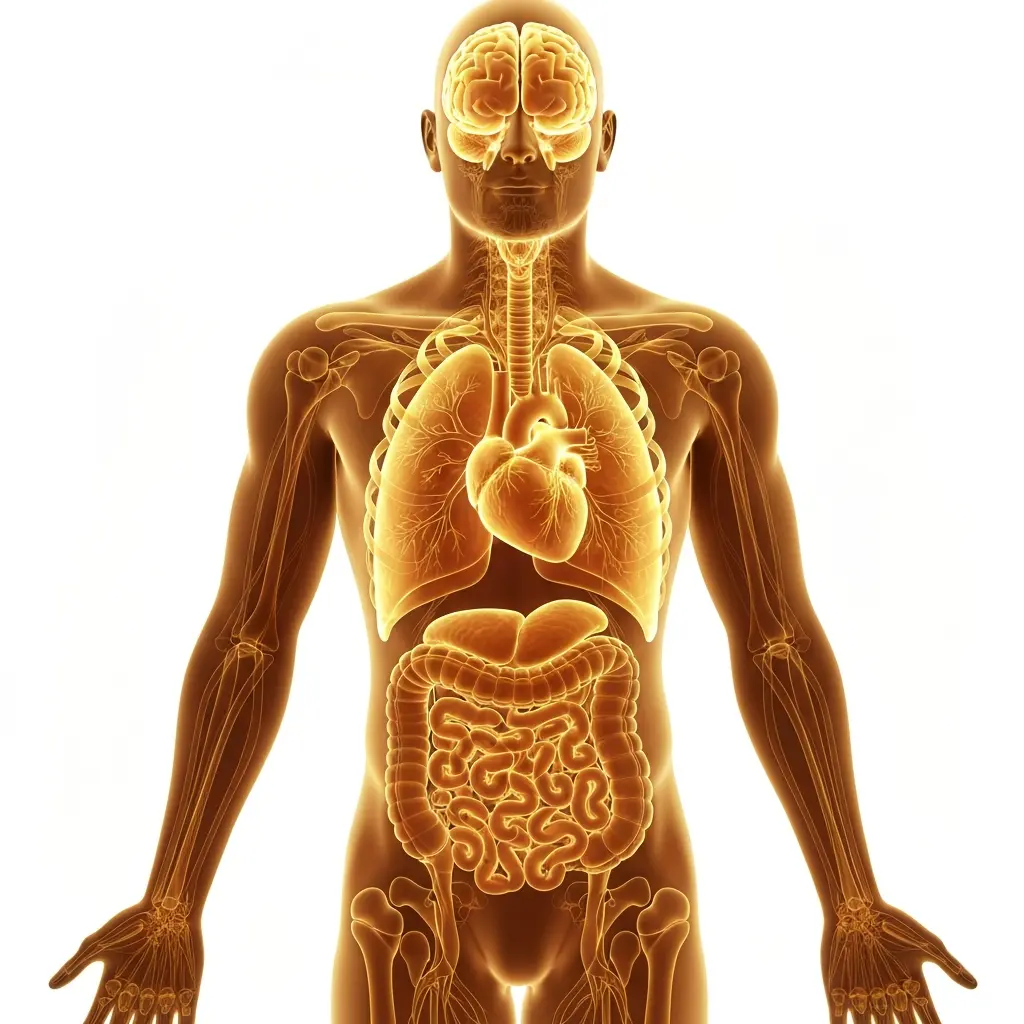
What Happens to Your Body When You Stop Smoking? Every Change Explained
What happens to your body when you stop smoking is one of the most commonly searched questions in health — and for good reason. Millions of people want to quit smoking but are uncertain whether the damage is done, whether the effort will produce measurable change, or whether their body can genuinely recover. The answer is unequivocal: yes, your body changes profoundly when you stop smoking, and it begins almost immediately. The changes span every organ system, from the blood to the brain, and they continue for years after the last cigarette.
This comprehensive FAQ-style guide answers every major question about what your body experiences after stopping smoking — backed by evidence from the WHO, NHS, CDC, and peer-reviewed medicine. Whether you stopped today, last week, or last year, this is what is happening inside you.
What Happens Immediately After Stopping Smoking
The body’s healing response is extraordinarily fast. The following changes are documented by the NHS, CDC, and American Lung Association:
- 20 minutes: Blood pressure and heart rate begin to drop toward normal levels. Peripheral circulation starts improving — hands and feet begin to warm.
- 2 hours: Nicotine blood levels have halved. Peripheral circulation is improving further. Some people begin to experience initial withdrawal symptoms (mild irritability, early cravings).
- 8 hours: Blood oxygen levels have begun to improve as carbon monoxide levels fall.
- 12 hours: Carbon monoxide — the same toxic gas in car exhaust — has largely cleared from your blood. Haemoglobin (the oxygen-carrying molecule in red blood cells) can now carry more oxygen to every organ in the body.
- 24 hours: Blood nicotine has fallen to very low levels. The immediate risk of a heart attack has begun to decrease. Withdrawal symptoms are likely at their first peak for many people.
- 48 hours: Nicotine metabolites are nearly cleared from the body. Taste and smell receptors are beginning to recover — many former smokers notice enhanced taste within 48 hours.
What Happens to Your Heart and Circulation When You Stop Smoking
The cardiovascular system is among the fastest to recover after stopping smoking — and the recovery is among the most significant in terms of disease prevention.
The First Year
Between 1 and 12 months after stopping smoking, the heart’s health transforms. Platelet aggregation (the tendency for blood clots to form) normalises. Blood pressure stabilises. Inflammatory markers in the blood decrease. The endothelium — the delicate lining of every blood vessel — begins to repair itself.
The headline finding: after one year, the risk of coronary heart disease is halved compared to a continuing smoker. This single fact is one of the most compelling in all of cessation medicine.
Years 2–5: Peripheral Vascular Recovery
Peripheral artery disease — smoking-driven narrowing of arteries in the legs — continues to reverse. The risk of claudication (leg pain on walking) decreases. Sexual function improves as circulation to the genitals normalises.
Year 5: Stroke Risk Equals Non-Smoker
Five years after stopping smoking, stroke risk has declined to the same level as someone who has never smoked. The three smoking-related mechanisms of stroke — atherosclerosis, raised blood pressure, and increased blood clotting — have all normalised.
Year 15: Complete Cardiovascular Recovery
As documented in the British Doctors Study, fifteen years after stopping smoking, the risk of coronary heart disease reaches the same level as someone who has never smoked. This is perhaps the most extraordinary healing finding in all of tobacco research.
What Happens to Your Lungs When You Stop Smoking
The lungs have a remarkable capacity for self-repair, though severe damage (established COPD, emphysema) cannot be fully reversed. For smokers without severe pre-existing lung disease, the pulmonary recovery after stopping is substantial.
Weeks 1–3: The Cough Gets Worse First
Many quitters are alarmed when their cough gets worse in the first few weeks after stopping. This is a healing sign. The cilia — tiny hair-like structures lining the airways that were paralysed by smoking — are recovering. As they regain function, they sweep accumulated mucus and debris upward and out of the airways, generating more coughing temporarily. This is the lungs clearing themselves.
Months 1–3: Function Improves
Lung function (measured by FEV1 — the volume of air that can be forcibly exhaled in one second) improves by up to 10% within 3 months of stopping smoking. Breathlessness on exertion decreases. Exercise capacity improves measurably.
Years 5–10: Cancer Risk Falls
At 5 years, the risk of mouth, throat, oesophageal, and bladder cancer has halved. At 10 years, the risk of dying from lung cancer is roughly half that of a continuing smoker. These improvements represent a decade of cellular repair, immune system recovery, and DNA damage correction.
What Happens to Your Brain When You Stop Smoking
The brain changes after stopping smoking are often underappreciated. Nicotine physically rewires the brain’s reward and attention circuits over years of use. Recovery involves a genuine neurological recalibration.
In the first 3–4 weeks, the brain’s dopamine and acetylcholine systems are operating below baseline — causing the irritability, brain fog, and mood dips of withdrawal. By weeks 3–4, these systems have substantially recovered. By 3 months, the brain’s receptor density has returned toward pre-addiction levels.
Cognitive improvements reported by former smokers include: better working memory, improved ability to concentrate, faster mental processing, and enhanced mood stability. The brain freed from the constant stimulation-withdrawal cycle performs more consistently and with greater baseline wellbeing.
What Happens to Cancer Risk When You Stop Smoking
Smoking is associated with 15 different types of cancer. Stopping smoking reduces the risk of all of them, though the degree and timeline vary by cancer type:
| Cancer Type | Risk Reduction Timeline |
|---|---|
| Oral/Throat/Oesophageal | Risk halves by 5 years |
| Bladder | Risk halves by 5 years |
| Cervical | Risk drops to non-smoker level by ~5 years |
| Lung | Risk halves by 10 years vs continuing smoker |
| Kidney | Risk significantly reduced by 10 years |
| Pancreatic | Risk reduces by 10 years (slower recovery) |
What Happens to Mental Health When You Stop Smoking
Contrary to the widely held belief that smoking relieves anxiety, the mental health evidence on stopping smoking is predominantly positive. The “stress relief” of smoking is actually the relief of nicotine withdrawal anxiety — which smoking itself creates. Long-term, stopping smoking improves mental health outcomes for the majority of people.
A large BMJ meta-analysis of 26 studies (391,000+ participants) found that former smokers showed significantly improved anxiety, depression, and quality of life compared to continuing smokers — with effect sizes comparable to antidepressant medication. The improvement is typically clear by months 3–6 after stopping. For a full exploration, see our guide on smoking and mental health.
What Happens to Your Appearance When You Stop Smoking
Smoking ages the skin prematurely by restricting blood flow to the skin’s surface, reducing collagen production, and causing oxidative stress. After stopping smoking:
- Skin tone improves within weeks as circulation normalises
- Skin elasticity begins to recover over months
- Teeth whitening becomes more effective without the constant staining of tobacco
- Breath and body odour improve as tobacco smoke residue clears
- Gum disease risk decreases significantly within the first year
Frequently Asked Questions
What happens to your body in the first week after stopping smoking?
In the first week after stopping smoking: heart rate and blood pressure normalise within 20 minutes; carbon monoxide clears from blood within 12 hours; blood oxygen improves within 24 hours; taste and smell begin recovering within 48 hours; circulation improves throughout the week; withdrawal symptoms (cravings, irritability, insomnia) peak at days 2–3 and begin to ease from day 4. Completing the first week significantly improves long-term quit success odds.
How long does it take your lungs to heal after stopping smoking?
Lung healing after stopping smoking is a multi-year process. The cilia regrow and begin clearing the airways within 1–3 months. Lung function improves by up to 10% within 3 months. By 9 months, the lungs have substantially cleared the debris of smoking. Lung cancer risk halves by 10 years. While severe COPD damage cannot be fully reversed, the rate of lung function decline slows dramatically from the day of stopping.
Does stopping smoking improve skin?
Yes. Stopping smoking improves skin appearance in multiple ways. Circulation to the skin surface improves within weeks, restoring colour and reducing the pallor associated with smoking. Collagen production increases over months, improving skin elasticity. Oxidative stress that accelerates skin ageing decreases. BMJ research has shown that former smokers look visibly younger than continuing smokers within months of stopping.
Does quitting smoking make you gain weight?
Weight gain is common after stopping smoking — the average is 4–5 kg over the first 6 months. This happens because nicotine suppresses appetite and raises metabolic rate; without it, hunger increases and metabolism slows slightly. However, this weight gain is manageable with regular exercise and conscious eating, and the health risks of a 4–5 kg gain are negligible compared to the enormous health benefits of not smoking.
Is it too late to stop smoking if you have smoked for decades?
No. Stopping smoking at any age reduces disease risk and improves life expectancy compared to continuing. The British Doctors Study found that quitting at 60 still gains approximately 3 years of life expectancy. Quitting at 40 regains approximately 6 years. The body’s healing processes work at any age — the lung cancer risk falls, heart disease risk falls, and quality of life improves regardless of how long or how heavily someone smoked.
Track Every Body Change with iQuit
iQuit’s health milestone tracker shows you exactly which changes are happening in your body right now — updated in real time. See your carbon monoxide clearing, circulation improving, and heart disease risk falling, day by day.