What Happens to Your Brain When You Quit Smoking? Neuroscience Explained 2026
Nicotine addiction lives in the brain. Understanding what happens to your brain when you quit smoking transforms the experience of quitting — the irritability, anxiety, fog, and intense cravings suddenly make complete biological sense, and that knowledge makes them more manageable. In 2026, neuroscience has mapped nicotine’s effects on the brain with remarkable precision, giving us a clear picture of both the challenge and the recovery.
This is not weakness or lack of willpower. Nicotine physically alters brain structure and chemistry after even a few months of regular smoking. Recovery is a process that unfolds over weeks and months — and the brain you get back is healthier and more resilient than you might expect.
How Nicotine Hijacks the Brain
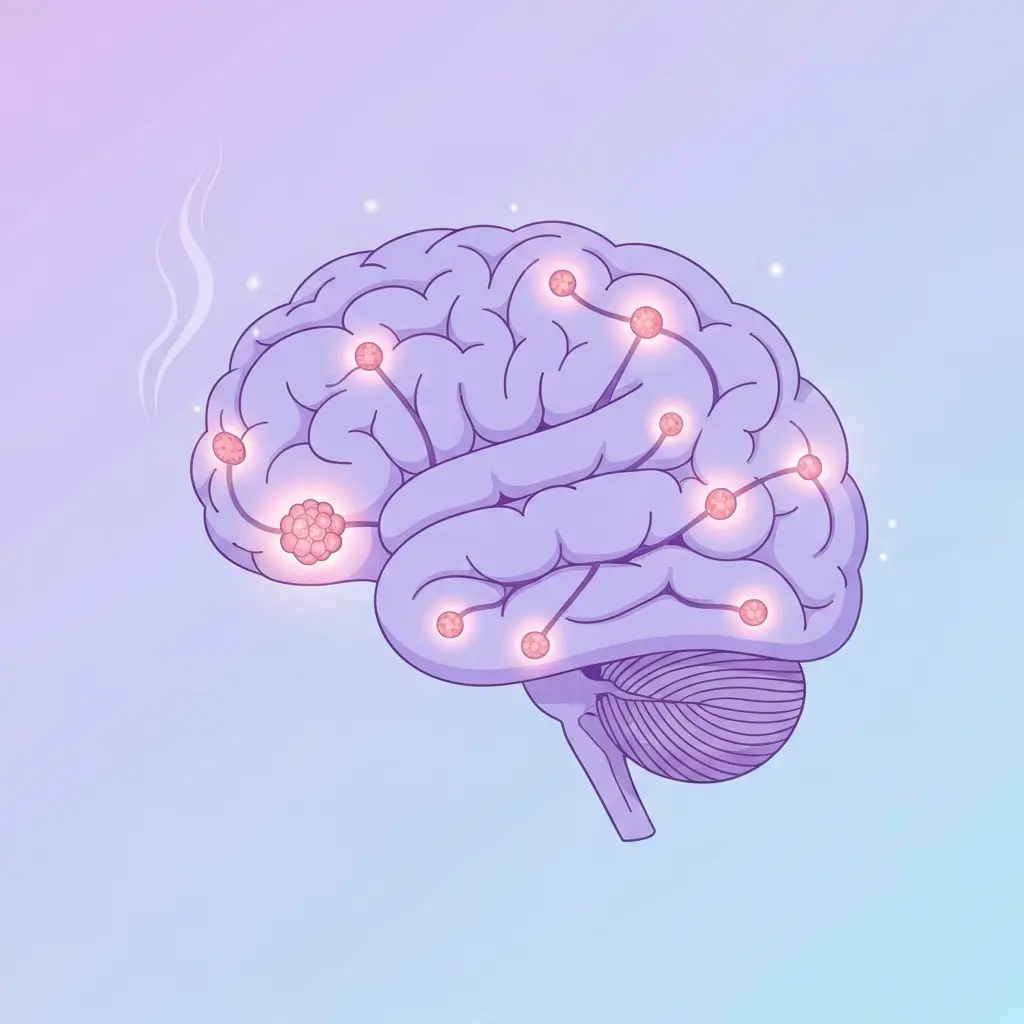
Nicotine reaches the brain within 10 seconds of inhaling cigarette smoke — faster than almost any other drug. It binds to nicotinic acetylcholine receptors (nAChRs) in the ventral tegmental area, triggering a cascade of dopamine release in the nucleus accumbens — the brain’s primary reward centre. This dopamine surge produces feelings of pleasure, relaxation, and sharp focus.
With repeated nicotine exposure, the brain compensates by upregulating nAChRs — creating more receptors to try to maintain homeostasis. This is the core mechanism of tolerance: the smoker needs more nicotine to achieve the same effect because there are now more receptors demanding to be stimulated. This receptor upregulation is measurable on brain imaging — smokers have significantly higher nAChR density than non-smokers.
The brain also reduces its natural dopamine production and sensitivity, relying on nicotine to maintain normal reward function. Without nicotine, the system underperforms — which is experienced as the flat, anhedonic mood characteristic of early withdrawal.
What Happens in Your Brain During the First Week
The first 72 hours after quitting are neurologically the most intense. Nicotine clears from the blood within 72 hours, and the brain’s nicotinic receptors — now unoccupied — generate urgent signals that are experienced as cravings. This is the acute withdrawal period:
- Hours 2–12: Nicotine levels drop; dopamine release in reward circuits falls sharply; mood begins to decline
- Hours 12–24: Cravings peak in intensity; anxiety, irritability, and restlessness are at maximum
- Days 2–3: Physical withdrawal peaks; concentration difficulty, mood fluctuations, and sleep disruption are most prominent
- Days 4–7: Physical symptoms begin easing; psychological urges remain strong but become more manageable
These symptoms are not signs of permanent brain damage — they are signs of a brain that learned to expect nicotine re-establishing its own equilibrium. Each hour without nicotine is the brain gradually finding its own footing again.
Dopamine, Reward, and Why Cravings Feel So Urgent
A crucial insight from 2024 neuroscience research: nicotine does not just create pleasure — it trains the brain to associate cigarettes with all the contexts in which you have ever smoked. This is cue-conditioned craving. Brain imaging studies show that former smokers’ mesolimbic dopamine systems activate intensely when shown cigarette-related images — even months or years after quitting.
The craving is not primarily about the need for nicotine itself; it is about the brain executing a deeply learned prediction: “cigarette context → expect dopamine reward.” Understanding this helps explain why cravings can ambush people in specific situations (after coffee, during a work break, when stressed) long after physical dependence has ended.
Cognitive behavioural strategies that specifically target cue-conditioned responses — identifying triggers, disrupting automatic responses, substituting alternative behaviours — are most effective at extinguishing these conditioned associations over time. This is why identifying your personal smoking triggers is one of the most important early steps in any quit programme.
Cognitive Effects: Fog and Recovery
Many quitters report “brain fog” — difficulty concentrating, slowed thinking, and mental fatigue — particularly in the first 1–3 weeks. This is real and has a neurological basis: the brain is adjusting to operating without nicotine’s cognitive-enhancing effects (increased acetylcholine activity, enhanced attention networks).
The counterintuitive reality is that once the brain rebalances — typically by weeks 4–12 — cognitive function often improves beyond baseline. Studies published in the journal Neuropsychopharmacology found that former smokers at 3 months showed:
- Better working memory than during their smoking period
- Faster processing speed
- Improved sustained attention
- Better emotional regulation
The acute cognitive cost is real, but temporary. The long-term cognitive dividend of quitting is significant.
Brain Recovery Timeline After Quitting
| Time After Quitting | Brain Change |
|---|---|
| 24–72 hours | Nicotine cleared; receptor craving signals at peak |
| 1–2 weeks | nAChR density begins normalising; acute cravings ease |
| 4–6 weeks | Mood stabilises; dopamine system begins rebalancing |
| 3 months | nAChR density near non-smoker levels; cognitive improvements measurable |
| 6–12 months | Cue-conditioned cravings weaker; stress response normalised |
| 1–3 years | Dementia risk reduction begins; brain volume stabilisation |
A 2023 study from the University of Edinburgh found that former smokers at 1 year showed measurable grey matter volume recovery in the insula and anterior cingulate cortex — areas involved in decision-making, craving, and emotion regulation. The brain literally grows back.
Managing the Neurological Transition
Knowing the neuroscience, there are evidence-based strategies specifically targeting the brain’s recovery process:
- Exercise: Physical activity is one of the most powerful natural dopamine triggers. A 20-minute brisk walk can reduce craving intensity by 60% (studies from Exeter University), directly compensating for nicotine’s dopamine effect.
- Mindfulness and meditation: Proven to strengthen the prefrontal cortex’s ability to override craving signals from the limbic system. Craving surfing — observing cravings without acting on them — progressively weakens the cue-conditioned response.
- Sleep: The brain’s waste clearance system (the glymphatic system) operates primarily during sleep. Adequate sleep accelerates the removal of nicotine metabolites and supports neural repair. Prioritise 7–9 hours during the early weeks.
- Nicotine replacement therapy: NRT prevents acute dopamine withdrawal while allowing the cue-conditioned associations to gradually extinguish without continued smoking. This is why NRT is most effective combined with behavioural support.
- Personalised coaching: AI-powered apps like iQuit adapt support to your individual craving patterns, timing interventions to your brain’s highest-vulnerability windows. Just as AI tools personalise content delivery, AI health coaches personalise behavioural intervention.
Frequently Asked Questions
How long does brain fog last after quitting smoking?
Brain fog typically lasts 1–4 weeks after quitting. The brain is adjusting to operating without nicotine’s acetylcholine-stimulating effects. Most people find concentration and mental clarity improve substantially by week 4–6, and many report better cognitive function by 3 months than they had while smoking.
Does quitting smoking affect dopamine levels?
Yes. Nicotine stimulates dopamine release in the brain’s reward circuits. When you quit, dopamine release drops temporarily, causing flat mood and anhedonia. The brain gradually restores normal dopamine production and receptor sensitivity over 4–12 weeks. By 3 months, most former smokers experience mood equal to or better than during their smoking period.
Can the brain fully recover from nicotine addiction?
Yes, to a very significant degree. Nicotinic acetylcholine receptor density returns to near non-smoker levels within 3 months. Cognitive function, mood regulation, and stress response normalise within 6–12 months. Some cue-conditioned associations may persist for years, making situational cravings possible even after long abstinence, but these weaken progressively over time.
Why do I feel worse mentally after quitting smoking?
Feeling mentally worse initially is normal and temporary. Your brain spent months or years using nicotine to maintain dopamine balance and cognitive function. Without it, there is a gap. This typically peaks at days 2–5 and improves steadily. The symptoms are not permanent — they are the early stages of the brain finding its own equilibrium, which produces a better baseline than smoking ever did.
Does quitting smoking affect memory?
In the short term (first 2–4 weeks), working memory and concentration may temporarily decline as the brain adjusts. After 3 months, research shows former smokers have significantly better working memory than they did while smoking. Long-term, quitting reduces dementia risk — smokers are 30–45% more likely to develop dementia than non-smokers, and former smokers’ risk approaches that of non-smokers over 5–10 years.
How long until cravings stop after quitting smoking?
Physical cravings (caused by nicotine withdrawal) peak within 72 hours and largely subside within 2–4 weeks. Psychological and cue-conditioned cravings — triggered by situations, emotions, and habits associated with smoking — can persist for months to years but become progressively less intense and frequent. Most people find cravings are manageable by month 3 and infrequent by month 6.
Sources: Neuropsychopharmacology — Cognitive outcomes in former smokers (2023); University of Edinburgh — Grey matter volume in ex-smokers (2023); Exeter University — Exercise and craving reduction; WHO Nicotine addiction neuroscience overview; Nature Neuroscience — nAChR upregulation and cessation.