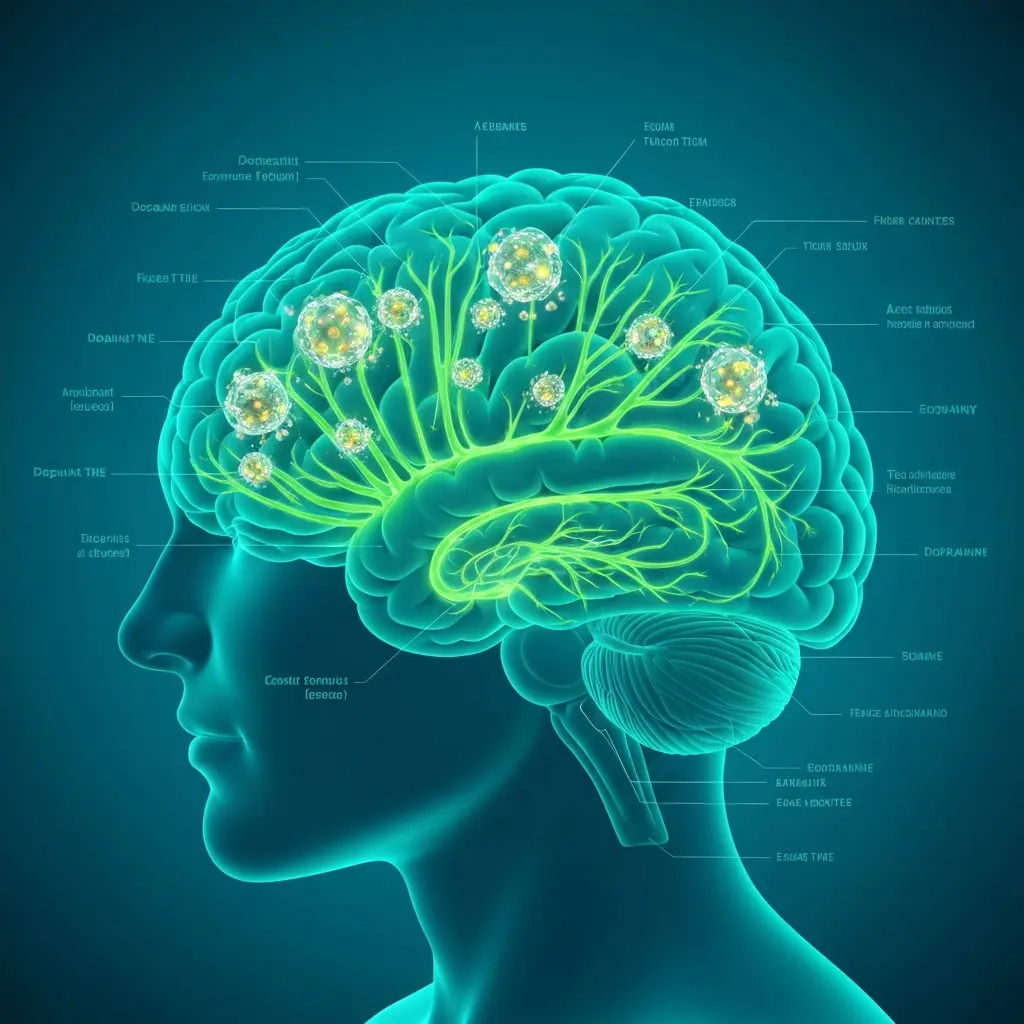
Why Quitting Smoking Is So Hard: The Neuroscience of Nicotine Addiction Explained
If you’ve ever tried to quit smoking and failed, you already know that willpower alone rarely works. You’re not weak — you’re fighting one of the most potent neurological hijacks that a legal substance can perform on the human brain. Understanding why quitting smoking is so hard isn’t just academic: it directly changes what strategies will work for you, and it removes the shame and self-blame that derail so many quit attempts.
Nicotine acts on the brain faster than almost any other substance. Within 10 seconds of the first drag, it reaches the brain and triggers a cascade of neurochemical events that, over months and years, fundamentally rewire how your brain processes reward, stress, and pleasure. This guide, drawing on evidence from the WHO, NHS, and peer-reviewed neuroscience, explains exactly what happens — and what it means for how you quit.
The Dopamine Hijack: What Nicotine Does in 10 Seconds
Nicotine’s power comes from its structural similarity to acetylcholine, a natural neurotransmitter. When you smoke, nicotine travels from lungs to brain in 8–10 seconds — faster than intravenous injection — and binds to nicotinic acetylcholine receptors (nAChRs) across the brain.
This triggers an immediate release of several neurotransmitters simultaneously:
- Dopamine — the primary reward signal; creates the “hit” and feeling of satisfaction
- Noradrenaline — increases alertness and heart rate
- Serotonin — elevates mood transiently
- Beta-endorphin — reduces anxiety and pain
- GABA — produces mild relaxation
This multi-neurotransmitter cocktail is rare among addictive substances — cocaine primarily affects dopamine; alcohol primarily affects GABA. Nicotine affects six or more systems simultaneously, which is why it produces such a wide range of perceived benefits: focus, calm, appetite suppression, mood elevation, and social bonding.
The brain registers this as an extremely positive experience and encodes it: “cigarette = reward + relief.” Over hundreds of repetitions — the average smoker has approximately 72,000 smoking events per year — this encoding becomes one of the strongest conditioned associations in the brain.
How the Brain Gets Rewired
The brain’s response to repeated nicotine exposure is elegant and tragic in equal measure. When any reward signal fires repeatedly, the brain adapts by reducing its own baseline production of that reward to maintain homeostasis. This is called downregulation.
With nicotine specifically:
- The number of nAChRs actually increases (upregulation) in response to repeated exposure — the brain grows more receptor sites trying to manage the flood of nicotine
- Baseline dopamine production decreases, because the brain “expects” nicotine to supply it
- The reward threshold rises — activities that once produced pleasure (exercise, food, socialising) produce progressively less dopamine response
- The brain’s stress response becomes linked to absence of nicotine rather than external stressors
After years of smoking, the brain is genuinely different. A 2014 study published in Nature Neuroscience showed that smokers have reduced grey matter volume in the prefrontal cortex — the region responsible for impulse control and decision-making. This is not permanent damage; these regions recover after sustained abstinence, but the recovery takes months.
This neurological rewiring explains why former smokers can relapse after years of abstinence from a single cigarette. The neural pathways don’t disappear — they go quiet. One cigarette can reignite the full reward circuitry within hours.
What Withdrawal Actually Feels Like — Neurologically
Nicotine withdrawal is not “just in your head” in the dismissive sense — it is in your head, in the most literal neurological sense, and that makes it real and physiologically measurable.
When nicotine stops arriving, the brain — which has downregulated its own dopamine production — suddenly has neither nicotine nor adequate endogenous dopamine. The result is a genuine neurochemical deficit that produces:
- Intense cravings: The mesolimbic dopamine pathway (the brain’s reward highway) fires urgently seeking nicotine
- Irritability and anger: Reduced serotonin and noradrenaline dysregulation
- Anxiety: Loss of GABA-mediated relaxation effect; stress systems become hyperactive
- Poor concentration: The prefrontal cortex, already accustomed to nicotine-enhanced function, underperforms without it
- Depression risk: Dopamine deficit; the brain’s hedonic baseline has dropped below normal
- Insomnia: Disrupted acetylcholine signalling affects sleep architecture
- Increased appetite: Nicotine suppresses appetite partly via effects on hypothalamic neuropeptide Y; its absence reverses this
This is why understanding the nicotine withdrawal timeline matters so much — peak symptoms at 48–72 hours feel like a crisis, but they are neurologically predictable and temporary. Knowing that the worst is finite changes the psychological experience of enduring it.
Why Triggers Last So Long After Quitting
One of the most frustrating experiences for people who have successfully navigated physical withdrawal is the return of intense cravings weeks or months later — triggered by a smell, a place, a time of day, or a social situation.
These are conditioned cravings, and they operate on a different neurological mechanism from physical withdrawal. The brain has linked specific environmental cues to the expectation of nicotine reward through a process called classical conditioning — the same mechanism Ivan Pavlov demonstrated with dogs and bells.
After thousands of pairings of “morning coffee + cigarette,” the morning coffee itself becomes a conditioned stimulus that triggers dopamine anticipation — the brain literally prepares for nicotine before you even decide to light up. When the cigarette doesn’t follow, the unmet expectation produces a craving.
Common high-risk trigger situations:
- Morning coffee or first drink of the day
- After meals
- Driving or commuting
- Alcohol consumption
- Stress or frustration events
- Finishing work or a task
- Seeing someone else smoke
- Specific social settings (pubs, parties)
The good news: conditioned associations weaken over time through extinction learning. Every time you encounter the trigger without smoking, the association weakens slightly. After enough exposures, the trigger loses its power. This is why the craving management techniques that work best involve confronting triggers in controlled ways, not avoiding them indefinitely.
Researchers studying habit formation across contexts — including research on productive study habits and breaking bad habits under stress — note that the extinction process follows similar neurological patterns regardless of whether the habit is smoking, procrastination, or any other conditioned behaviour.
The Stress-Smoking Loop
One of nicotine’s most insidious effects is creating the very problem it appears to solve. Most smokers report that cigarettes reduce stress — but this is largely an illusion created by the addiction itself.
Here’s the actual mechanism:
- Blood nicotine drops between cigarettes, activating the stress response (elevated cortisol, anxiety)
- This withdrawal-driven stress is perceived as general life stress
- Smoking relieves the nicotine deficit, temporarily reducing cortisol
- The smoker experiences this as “the cigarette helped with my stress”
- The actual stressor is the addiction itself
A landmark 2010 study in Psychological Medicine found that quitting smoking significantly reduced long-term anxiety and stress levels, particularly in people who had previously reported smoking for stress relief. The baseline anxiety produced by chronic nicotine dependence simply disappeared.
For students facing academic deadlines — a group where student stress statistics show persistently high rates of anxiety — breaking this stress-smoking loop can be transformative for both cessation success and academic performance.
How Long Until Your Brain Recovers
The brain’s recovery from nicotine dependence follows a predictable timeline, and knowing it prevents the common mistake of declaring victory too early:
| Time After Quitting | Brain Recovery Milestone |
|---|---|
| 24–72 hours | Nicotine fully cleared from blood; peak withdrawal |
| 1–2 weeks | nAChR density begins normalising; acute cravings reduce |
| 1 month | Dopamine baseline improving; mood and energy stabilising |
| 3 months | Serotonin and noradrenaline systems normalised; cravings rare |
| 6 months | Grey matter volume recovering in prefrontal cortex |
| 12 months | Full neurological recovery in most brain regions; relapse risk significantly reduced |
The health improvements at 3 months go well beyond the lungs — they extend to brain function, mood regulation, cognitive clarity, and emotional resilience. Most people who reach the 12-month mark report that they no longer think of themselves as a smoker who is “not smoking” — they simply don’t smoke.
What the Neuroscience Tells Us About Quitting
The neuroscience of nicotine addiction doesn’t just explain the problem — it points directly to solutions:
1. Use Pharmacological Support
NRT (patches, gum, lozenges) and prescription medications (varenicline, bupropion) work by directly addressing the dopamine deficit. They don’t replace willpower — they correct the neurological imbalance that makes willpower insufficient. This is why they double or triple quit success rates.
2. Target Trigger Extinction Directly
Don’t just avoid triggers — deliberately expose yourself to them without smoking to accelerate extinction learning. Mindfulness-based craving techniques (urge surfing) help you observe cravings neurologically rather than fight them — changing your relationship to the sensation rather than suppressing it.
3. Exercise Accelerates Brain Recovery
Aerobic exercise increases dopamine and serotonin production, directly compensating for the neurochemical deficit of withdrawal. Studies show that 5 minutes of moderate exercise can reduce craving intensity by up to 50% for the following 20 minutes. Exercise also accelerates neuroplastic recovery of the prefrontal cortex.
4. Track Progress Daily
The brain’s reward system responds to visible progress markers. Tracking smoke-free days, money saved, and physical improvements creates replacement reward signals that strengthen quit motivation. Our iQuitNow app is designed around this principle — every milestone is celebrated as a genuine dopamine trigger.
5. Get Support
Social support activates the same oxytocin-mediated brain networks that nicotine partially stimulates. Having people who know you are quitting — and who respond positively to your progress — provides neurological reinforcement that supplements pharmaceutical support. Community-based support structures have been shown to increase 6-month quit rates by up to 45% in some programmes.
Frequently Asked Questions
Why is nicotine so addictive?
Nicotine triggers dopamine release in the brain’s reward system within 10 seconds of inhaling, creating a fast, powerful pleasure signal. Over time, the brain adjusts by reducing its own dopamine production, making normal activities feel flat and cigarettes feel necessary — a neurological rewriting of the reward system.
How long does it take the brain to recover from nicotine addiction?
Nicotine receptor density in the brain begins normalising within 2–4 weeks of quitting. Most dopamine system recovery occurs within 1–3 months. Full neurological recovery, including grey matter restoration in areas involved in impulse control, takes 6–12 months of sustained abstinence.
Why do I crave cigarettes even when I don’t want to smoke?
Conditioned cravings occur because the brain has linked specific situations (morning coffee, stress, finishing a meal) with smoking through thousands of repetitions. These neural associations persist long after physical withdrawal ends and are triggered automatically by environmental cues — this is why situational triggers can cause cravings months after quitting.
Does nicotine addiction get easier over time?
Yes. The intensity and frequency of cravings decrease significantly after the first month. By 3 months, most people report cravings lasting under 3 minutes. By 6 months, episodes become rare and manageable. The brain’s dopamine system gradually rebalances, and trigger associations weaken through a process called extinction learning.
Your Brain Can Recover — iQuitNow Helps You Get There
iQuitNow uses AI-powered craving tracking and milestone science to support your brain’s recovery every step of the way. Free to download.