
Grounding Exercises for Anxiety Smoking: 7 Proven Tips
Quit smoking cravings hit differently when anxiety is in the mix. Your chest tightens, your thoughts race, and suddenly every reason you had for quitting feels distant — while that familiar urge to light up feels overwhelming. You’re not weak. Your nervous system is just doing what it was trained to do.
Here’s what most people don’t realize: a cigarette never actually calmed your anxiety. It temporarily relieved the withdrawal anxiety the cigarette itself created. That loop is breakable — and grounding exercises are one of the fastest, most evidence-backed ways to break it.
For more on this topic, see our guide on quit smoking cravings & support.
For more on this topic, see our guide on quit smoking cravings.
Why Anxiety and Cravings Combine When You Quit Smoking
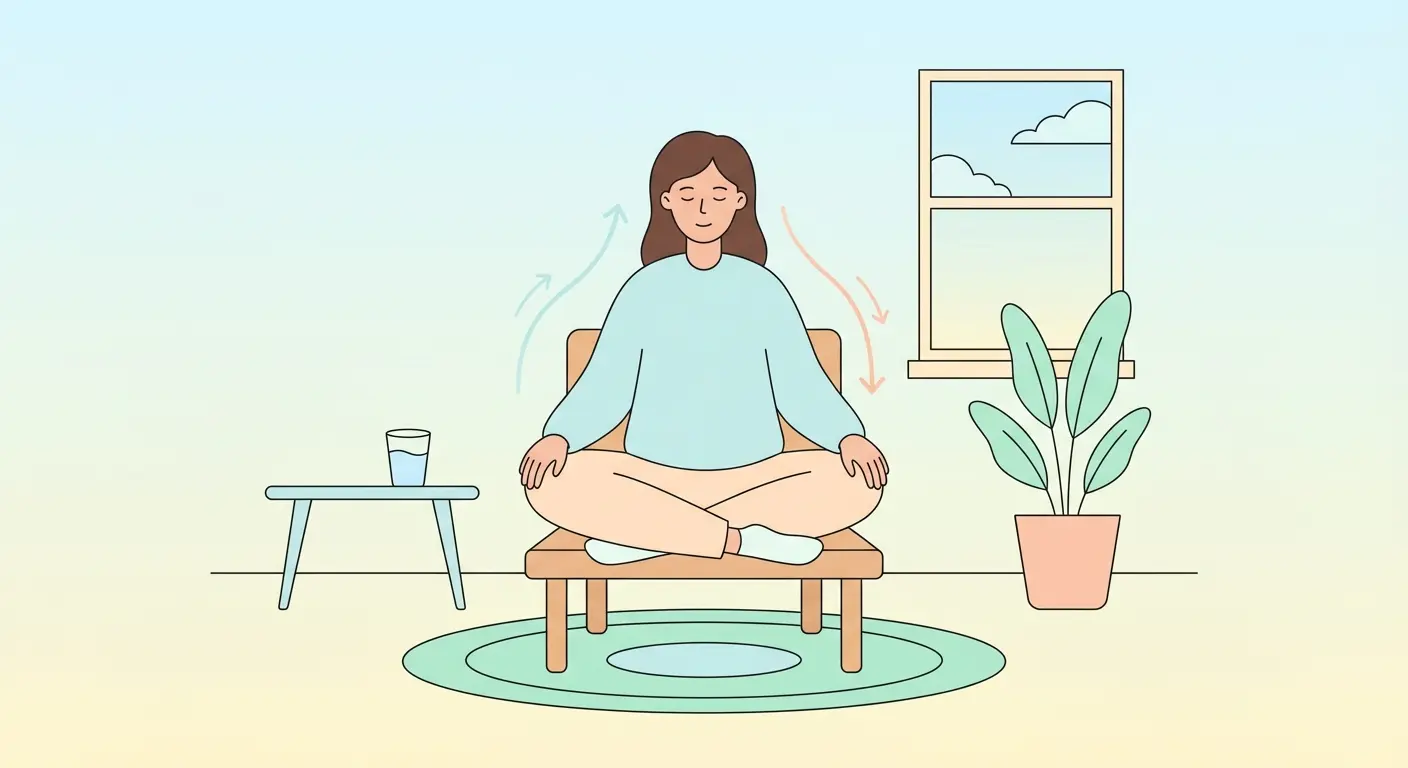
Nicotine is a stimulant that also triggers dopamine release — which sounds contradictory to “calming,” but smokers’ brains adapt. Over time, your brain’s baseline anxiety threshold rises to compensate for regular nicotine input. When you quit, that baseline doesn’t reset overnight. The result? Anxiety that feels worse than it did before you ever smoked.
This is sometimes called nicotine withdrawal anxiety, and it’s one of the top reasons people relapse within the first two weeks. The Cochrane Review on nicotine replacement therapy confirms that withdrawal symptoms — including anxiety, irritability, and restlessness — are well-documented and physiologically real, not “just in your head.” (Cochrane evidence summary on NRT and cessation)
What most people miss is that anxiety and cravings share the same physiological pathway. Both trigger the fight-or-flight response. Both are processed through the amygdala. That’s why grounding techniques — which are clinically used for anxiety disorders — transfer so directly to craving management. For a deep evidence-based look at how nicotine addiction creates and perpetuates anxiety — and how this cycle reverses after quitting — see our complete guide to the nicotine addiction and anxiety evidence-based connection.
Understanding your triggers is the foundation of any lasting quit plan. If you haven’t mapped yours yet, the top strategies to quit smoking successfully covers how emotional and situational triggers work — and why knowing them changes everything about how you respond.
7 Grounding Techniques That Actually Work for Quit Smoking Cravings
These aren’t generic “take a deep breath” suggestions. Each technique below has a mechanism — a reason it works biologically or psychologically — because knowing why something works makes you far more likely to actually use it when a craving hits at 11 PM.
1. The 5-4-3-2-1 Sensory Method
Name 5 things you can see, 4 you can physically feel, 3 you can hear, 2 you can smell, and 1 you can taste. This isn’t just a distraction trick. Activating multiple sensory channels simultaneously pulls cognitive resources away from craving rumination and anchors your attention to the present moment — essentially crowding out the craving signal.
It takes under 90 seconds. Many people in quit smoking success stories cite this as the technique they used most in early weeks.
2. Box Breathing (4-4-4-4)
Inhale for 4 counts. Hold for 4. Exhale for 4. Hold for 4. Repeat 4 times. This is the same technique U.S. Navy SEALs use for stress management — not because it’s trendy, but because it directly activates the parasympathetic nervous system and reduces cortisol. That’s the biological opposite of what a craving does to your body.
The Mayo Clinic recommends deep breathing as one of the primary ways to manage cigarette cravings. (Quitting smoking: 10 ways to resist tobacco cravings — Mayo Clinic)
3. Cold Water on Your Wrists
Run cold water over the inside of your wrists for 30–60 seconds. The wrist pulse points have a high concentration of blood vessels close to the skin surface. Cooling them sends a “temperature change” signal to your brain that interrupts the craving loop. It’s fast, free, and surprisingly effective — especially at work or in public.
4. The STOP Technique
Stop what you’re doing. Take a breath. Observe your thoughts, body sensations, and feelings without judgment. Proceed with intention. Originally from mindfulness-based stress reduction (MBSR), this four-step pause creates a gap between craving and automatic response — which is where your actual choice lives.
5. Physical Grounding: Feet Flat, Spine Tall
Place both feet flat on the floor. Press them down slightly. Sit or stand with your spine lengthened. Feel the chair or floor beneath you. This proprioceptive input — body awareness — signals physical safety to your nervous system. Cravings often feel “urgent.” This technique communicates that you’re physically stable and not in danger.
6. The Ice Cube Hold
Hold an ice cube in one hand for as long as you can. This sounds extreme, but the mild discomfort activates your brain’s pain-management chemistry, which also reduces craving intensity. It’s a technique borrowed from dialectical behavior therapy (DBT) and adapted for addiction management. Fair warning: it’s uncomfortable — that’s the point.
7. Verbal Anchoring
Say aloud (or write down): “I am having the urge to smoke. This urge is temporary and will pass. I’ve gotten through cravings before and I will now.” This is grounded in Acceptance and Commitment Therapy (ACT), which treats cravings as thoughts to observe, not commands to obey. The act of naming what’s happening reduces its power significantly.
How Long Do Cravings Actually Last?
That last part is the most important thing you can internalize: the craving passes whether you smoke or not. You don’t eliminate it by smoking — you just restart the nicotine clock and make the next craving more likely.
The CDC’s quitting resources confirm that while cravings are intense, they’re time-limited. Most people don’t fail because the craving was too strong. They fail because they didn’t have a plan for the 5 minutes it lasted. (How to Quit Smoking — CDC)
This is where having a pre-built craving response — like the emergency plan below — makes the difference between a close call and a relapse. Want to see how real people built theirs? The effective strategies to help you quit smoking page includes behavioral frameworks that pair well with grounding techniques.
Grounding vs. Other Coping Tools: A Comparison
| Coping Tool | Speed of Relief | Addresses Anxiety | Needs Preparation | Best For |
|---|---|---|---|---|
| Grounding exercises | 1–5 minutes | Yes | No | Acute craving + anxiety spikes |
| Nicotine replacement (patch/gum) | 15–30 minutes | Partial | Yes (prescription/purchase) | Sustained withdrawal management |
| Physical exercise | 5–15 minutes | Yes | Somewhat | Mood stabilization, long-term |
| Journaling / mood tracking | 10–20 minutes | Yes | Yes (pen/app) | Pattern recognition over time |
| Calling a support person | Variable | Yes | Yes (network required) | High-risk moments, social triggers |
The counterintuitive insight here: grounding isn’t better than NRT or exercise — it’s faster. The goal is to combine tools, not pick one. Grounding gets you through the first 5 minutes. Everything else builds the longer-term foundation.
Apps like iQuit combine several of these tools in one place — including an emergency SOS craving feature, mood and journal tracking, and a real-time health recovery timeline. When you’re three days in and anxiety is peaking, having one place to go matters more than you’d think.
Your 5-Minute Craving Emergency Plan
Having a plan isn’t about being rigid. It’s about removing the need to make decisions when your prefrontal cortex is being overridden by craving chemistry. Here’s a step-by-step framework you can memorize or screenshot right now.
- Recognize it immediately: Say (even just in your head): “This is a craving. It will peak in under 3 minutes.”
- Change your physical state: Stand up, move to a different room, or put your feet flat on the floor.
- Start box breathing: 4 counts in, 4 hold, 4 out, 4 hold. Do two full cycles.
- Run the 5-4-3-2-1 scan: Five things you see, four you feel, three you hear, two you smell, one you taste.
- Bridge to 10 minutes: Text someone, drink cold water, walk to another room, or open your quit app journal entry.
- Log it: Write down what triggered it and how you got through it. Every craving you survive becomes evidence you can do it again.
The Smokefree.gov quit plan builder is a solid complement to this — you can document your triggers and coping strategies in a structured format. (Build Your Own Quit Plan — Smokefree.gov)
Also worth watching: Tiffany’s real story from the CDC’s “Tips From Former Smokers” campaign is a powerful reminder that the people who succeed aren’t people without cravings — they’re people who found a way through them. (Tiffany: How I Quit Smoking — CDC)
Frequently Asked Questions
Do grounding exercises actually help with cigarette cravings?
Yes — grounding techniques work by activating the parasympathetic nervous system and interrupting the anxiety-craving loop. Since most cravings peak within 3 minutes and pass within 5–10, grounding exercises give your brain and body the bridge it needs to get through that window without smoking. Clinical research in both addiction management and anxiety treatment supports their effectiveness.
How do I deal with cigarette cravings when anxiety makes them worse?
Start with a physical intervention first — box breathing, cold water on your wrists, or feet flat on the floor — before trying cognitive techniques. When anxiety is high, the body needs a physiological signal before the mind can follow. Once you’ve lowered your physical stress response slightly, techniques like the 5-4-3-2-1 method or verbal anchoring become far more effective.
What is the fastest way to stop a smoking craving?
The fastest documented technique is changing your physical state immediately — stand up, change rooms, or run cold water over your wrists — combined with box breathing. This combination can reduce craving intensity within 90 seconds. The key is having the technique pre-decided before the craving hits, so you don’t have to think under pressure.
How long does anxiety last after quitting smoking?
Nicotine withdrawal anxiety typically peaks between days 2–5 after quitting and begins to stabilize within 2–4 weeks for most people. However, some former smokers report lingering mood shifts for up to 3 months as the brain’s dopamine and nicotine receptor balance normalizes. Consistent use of grounding and behavioral coping tools significantly shortens this window.
Can quit smoking motivation help reduce anxiety-driven cravings?
Yes — but motivation works best when it’s specific and emotionally anchored, not abstract. “I want to be healthier” rarely holds up against a real craving. “I want to run with my kids without stopping to catch my breath” does. Reading quit smoking success stories and tracking concrete health milestones (like improved lung capacity and reduced heart rate) provides motivational evidence that builds over time.
Keep Going: What to Read Next
Getting through a craving with a grounding technique is a win. Doing it twice is a pattern. Doing it for two weeks is a new identity.
The tools you’ve learned here work best when they’re part of a broader quit plan — one that accounts for your specific triggers, your support network, and your backup options when life gets complicated. The top strategies to quit smoking successfully gives you that bigger picture, including how to understand exactly why your quit smoking cravings happen when they do.
If you’re looking for a structured, step-by-step approach to the whole quit process — from managing withdrawal symptoms to building relapse prevention habits — the effective strategies to help you quit smoking walks through evidence-based options including NRT, behavioral tools, and support systems.
And if you want a tool that keeps all of this in your pocket — a place to track cravings in real time, get emergency support when a craving hits hard, and connect with others who are in the same fight — the iQuit app was built specifically for that moment. No judgment. No pressure. Just practical support when you need it most.
You’ve already made the choice to look for better tools. That matters. Now go use them.