How Long Does Nicotine Withdrawal Last? A Week-by-Week Timeline (2026)
One of the most urgent questions anyone quitting smoking asks is: how long does nicotine withdrawal last? The honest answer has two parts: the physical withdrawal — the headaches, intense cravings, irritability, sleep disruption, and difficulty concentrating — peaks within 72 hours and largely resolves within 2-4 weeks for most people. The psychological component — situational cravings triggered by habits, stress, and emotions — can persist for months but becomes progressively less frequent and intense.
Understanding this distinction matters enormously. Many people who relapse in the first month believe they are proving that quitting is impossible for them. In reality, they are often just days away from the physical withdrawal resolving. This week-by-week guide, grounded in NHS, CDC, and clinical research, gives you a realistic, evidence-based map of what to expect — and when it gets easier.
Nicotine Withdrawal Symptoms: What to Expect
Nicotine withdrawal is a recognised medical syndrome (ICD-11 code: 6C4A.4). Common symptoms include:
- Cravings: The most prominent symptom — intense urges to smoke, lasting 3-5 minutes each
- Irritability and agitation: Neurochemical — the brain is adjusting to lower dopamine and norepinephrine
- Anxiety: Related to the nicotine-anxiety cycle (nicotine withdrawal disrupts the same receptors involved in stress regulation)
- Difficulty concentrating: Nicotine normally stimulates acetylcholine receptors involved in attention and memory
- Insomnia: Nicotine affects sleep architecture; withdrawal disrupts this for 1-2 weeks
- Headaches: Often related to increased blood flow as blood pressure normalises
- Increased appetite: Nicotine suppresses appetite; withdrawal removes this suppression
- Constipation: Nicotine stimulates gut motility; withdrawal can slow it temporarily
- Restlessness: A physical energy that feels like anxiety but is more a motor restlessness
Not everyone experiences all symptoms. Lighter smokers typically experience milder withdrawal than heavy smokers. NRT significantly reduces symptom severity across all categories.
Hours 0-72: The Peak Physical Withdrawal Window
0-4 hours: Blood nicotine levels falling. Cravings may begin within 30-60 minutes of the last cigarette for heavy smokers. Blood pressure begins normalising. Heart rate drops slightly.
4-24 hours: Cravings intensifying as nicotine falls. Carbon monoxide clearing from the bloodstream by 12 hours. First wave of irritability and difficulty concentrating. Sleep disruption may begin on the first night.
24-48 hours: Nicotine cleared from blood. Cotinine (metabolite) still present. Withdrawal symptoms at significant intensity — cravings frequent and intense, headache, anxiety, irritability, restlessness. This is the most commonly described “worst day” of cold turkey quitting.
48-72 hours: Physical withdrawal peaks for most people in this window. Bronchial tubes beginning to relax — breathing slightly easier. Taste and smell beginning to return. The peak is real, but so is the fact that it peaks here: after 72 hours, the direction of travel is downward.
Weeks 1-2: Physical Withdrawal Resolving
The trajectory from day 4 through day 14 is generally one of decreasing physical withdrawal intensity:
- Days 4-7: Cravings still present but shorter in duration. Many people describe moving from near-constant cravings to discrete, manageable episodes of craving. Energy levels beginning to stabilise. Sleep improving.
- Days 7-10: For moderate smokers, cotinine largely cleared from the body. Physical symptoms significantly reduced for most people. A meaningful proportion of quitters describe day 7-10 as the first period of feeling genuinely good about having quit.
- Days 10-14: Physical withdrawal largely resolved for light-to-moderate smokers. Psychological triggers — after meals, with coffee, during breaks — still producing cravings, but these are context-dependent rather than continuous.
The full detail of withdrawal symptoms and their severity by day is mapped in the day-by-day nicotine withdrawal timeline guide.
Weeks 3-4: The Psychological Phase
By week three, most of the physical withdrawal is resolved for average smokers. What persists is the conditioned response component — the brain’s learned association between specific situations and the desire to smoke. These psychological cravings:
- Are shorter in duration than early physical cravings (often 1-3 minutes rather than 5-10)
- Are triggered by specific contexts (morning coffee, alcohol, stress, seeing someone smoke)
- Are not accompanied by the physical symptoms of early withdrawal
- Are often described as “a thought about smoking” rather than an overwhelming urge
The key to this phase is repeatedly experiencing the trigger without smoking. Each time you have your morning coffee without a cigarette, the association weakens. Neural pathways are pruned through disuse. This process is called extinction learning, and it is the primary mechanism by which long-term ex-smokers lose their cravings.
Months 2-6: Diminishing Returns on Withdrawal
The good news about the 2-6 month period is captured in one phrase: every week is easier than the week before.
- Month 2: Cravings are typically brief (under 2 minutes) and infrequent (most ex-smokers report 2-4 per day rather than dozens). Lung function continuing to improve. Energy and exercise capacity measurably better.
- Month 3: Research landmark — studies measuring cotinine receptor density show near-normal receptor levels by 3 months for most ex-smokers. The neurological underpinning of the craving is physically reducing.
- Months 4-6: Cravings are situational, rare, and brief for most ex-smokers. Many describe going full days without thinking about cigarettes. The ones that do occur — at stressful life events, around alcohol, visiting a specific place — are distinctive and easily identified.
What Affects How Long Withdrawal Lasts?
- Smoking volume and duration: Heavier, longer-term smokers have more deeply established nicotine dependence and may experience longer, more intense withdrawal
- Whether NRT is used: NRT significantly shortens and reduces the severity of the acute physical withdrawal phase
- Genetics: CYP2A6 fast metabolisers clear nicotine faster and may experience earlier onset but shorter duration of acute withdrawal
- Mental health: People with anxiety disorders or depression may experience more prolonged psychological withdrawal components
- Support and coping strategies: Access to professional support, active coping strategies, and a structured quit plan all reduce the functional duration of withdrawal
Managing Withdrawal Effectively
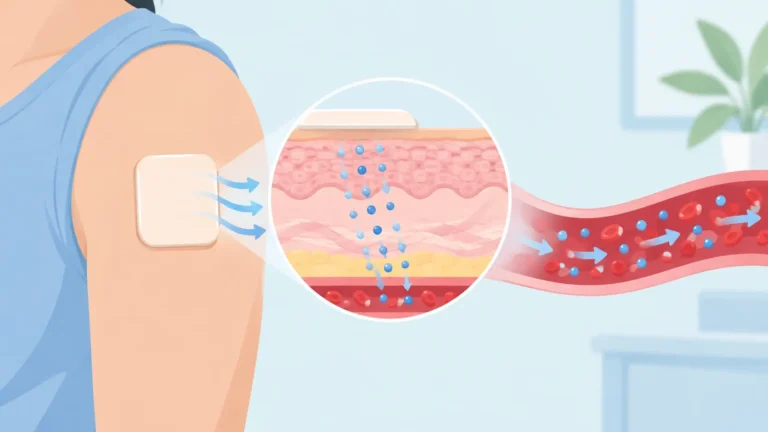
- NRT (patches, gum, spray): Reduces physical withdrawal severity by 50-70% according to Cochrane meta-analyses. Start on quit day.
- Varenicline (Champix/Chantix): Prescription medication that binds to nicotine receptors, reducing both withdrawal severity and the reward of any slip. Most effective single pharmacological intervention.
- Structured distraction: During cravings, the goal is to outlast the 3-5 minute peak. Walking, drinking water, calling someone, doing 10 push-ups — any engaging activity bridges the window.
- Exercise: Reduces craving intensity via dopamine and endorphin mechanisms. 20-30 minutes of moderate exercise provides 2-4 hours of reduced craving intensity.
- Quit smoking app: Craving timers, guided breathing, and milestone tracking provide real-time support during the acute withdrawal phase and ongoing support through the psychological phase.
The comprehensive withdrawal symptom management guide covers every symptom with specific management strategies.
Frequently Asked Questions
What is the hardest day of nicotine withdrawal?
For most people quitting cold turkey, days 2 and 3 are the most challenging. This is when nicotine has fully cleared from the bloodstream and the brain’s withdrawal response is at its most intense. Using NRT significantly reduces the severity of this peak period. After day 3, the trajectory is one of gradual improvement, with most physical symptoms substantially resolved by day 10-14.
Is it normal to still have cravings after 3 months of not smoking?
Yes — this is normal, though cravings at 3 months are typically brief (1-2 minutes), infrequent (perhaps once a day or less), and specifically situational. Most ex-smokers report that 3-month cravings are qualitatively different from early withdrawal cravings — more like a fleeting thought than an overwhelming urge. If cravings at 3 months are still severe and frequent, this may warrant extended NRT use or discussion with a GP or cessation counsellor.
Does nicotine withdrawal go away completely?
For most people, yes — eventually. Physical withdrawal resolves entirely within weeks. Psychological cravings diminish progressively over months and years. Most long-term ex-smokers (3+ years) report that they rarely or never experience cravings. A small subset report occasional situational cravings for many years, but these are typically brief and easily dismissed. Full freedom from nicotine is the norm for people who maintain long-term abstinence.
Track Your Withdrawal Progress with iQuit
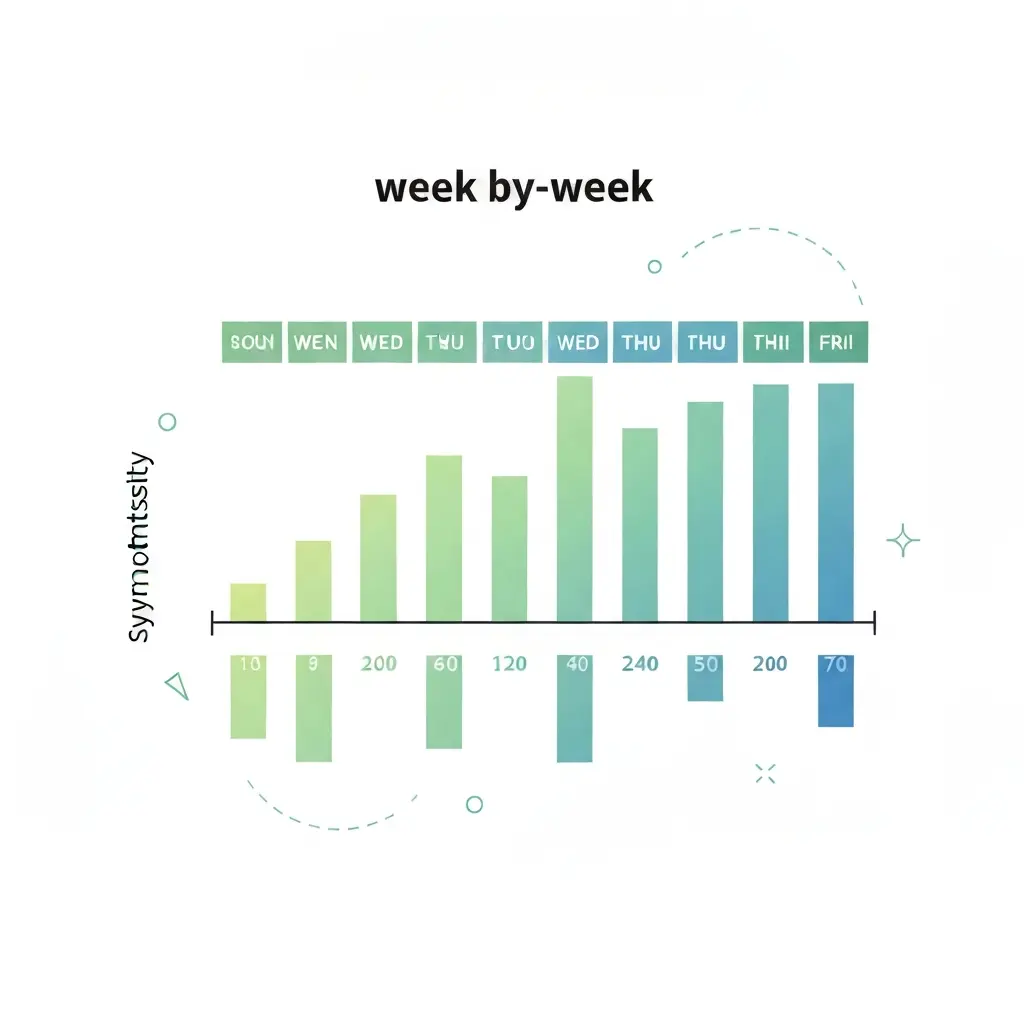
The iQuit app shows you exactly how long each craving lasts (typically 3-5 minutes), logs your craving frequency over time, and displays the week-by-week progression that proves withdrawal is genuinely getting shorter and less intense. See your progress in real data, not just belief.