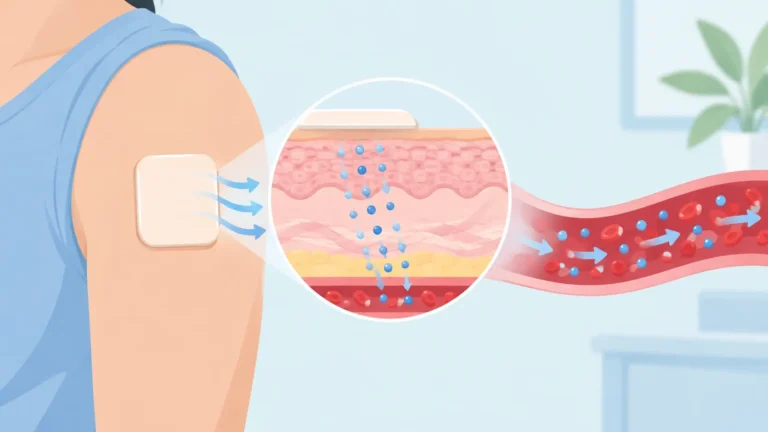

How to Deal With Nicotine Withdrawal Symptoms: The 2026 Hour-by-Hour Survival Playbook
Knowing how to deal with nicotine withdrawal symptoms before they hit can be the difference between lasting freedom and another relapse. Withdrawal is your body’s intelligent — if deeply uncomfortable — response to the absence of a drug it has learned to expect. It is not a sign of weakness. It is not permanent. And with the right toolkit, it is survivable hour by hour.
This evidence-based playbook draws on guidance from the WHO Framework Convention on Tobacco Control, NHS Stop Smoking services, and the US Centers for Disease Control and Prevention (CDC), combined with the latest clinical research on withdrawal management. Every technique here is practical, immediate, and grounded in what works.
What Happens in Your Body When You Quit
Cigarette smoke delivers nicotine to the brain within 10–20 seconds of inhalation — faster than any intravenous drug. Over months and years, the brain adapts by upregulating nicotinic acetylcholine receptors, essentially rewiring itself to expect and depend on regular nicotine doses to maintain normal function.
When you remove nicotine, these now-supersensitive receptors are suddenly understimulated. The result is a cascade of neurochemical changes: dopamine drops (causing anhedonia and craving), noradrenaline levels fluctuate (driving irritability and anxiety), serotonin activity shifts (affecting mood and sleep), and cortisol rises temporarily. Every withdrawal symptom maps back to one or more of these mechanisms.
Understanding this neuroscience matters because it transforms withdrawal from a mysterious ordeal into a predictable biological process with a known endpoint. Your brain is not broken — it is recalibrating. For the detailed neurological explanation, see our guide on Why Is It Hard to Quit Smoking? The Neuroscience of Nicotine Addiction Explained (2026).
The Hour-by-Hour Withdrawal Timeline
| Timeframe | What Your Body Is Doing | Primary Symptoms | Best Response |
|---|---|---|---|
| 20 minutes | Blood pressure and heart rate begin normalising | Early restlessness; first craving wave | Breathe. Drink water. Move around. |
| 2–6 hours | Blood nicotine falling; first significant cravings | Irritability, anxiety, strong urge to smoke | Apply NRT. Use 4-7-8 breathing. Change environment. |
| 12 hours | Carbon monoxide clearing; oxygen delivery improving | Headache, hunger, difficulty focusing | Eat a nutritious meal. Limit caffeine. Short walk. |
| 24 hours | Nicotine almost fully cleared; receptors searching | Intense cravings, irritability, anxiety, insomnia | This is normal. Maintain NRT. Diary your wins. |
| 48–72 hours | Peak withdrawal; receptors at maximum sensitivity | Peak cravings, mood swings, headache, constipation | This is the hardest point. Use every tool available. |
| 72 hours–1 week | Receptors beginning to normalise; cilia regenerating | Cough increases (this is healing), brain fog | Increased cough = normal healing. Stay hydrated. |
| 1–2 weeks | Lung function improving; taste/smell returning | Cravings less frequent; sleep improving | Maintain routine. Recognise progress. Reward yourself. |
| 2–4 weeks | Physical withdrawal resolving; psychological phase | Situational triggers; occasional strong cravings | Identify triggers. Plan responses in advance. |
Day-by-Day Recovery: The First Two Weeks
Day 1: The Launch
Your first cigarette-free day will contain your most frequent craving episodes — typically 15–30 brief urges. Each craving lasts an average of 3–5 minutes. Your only job today is to get through each one without acting on it. Log every craving you resist in the iQuitNow app — seeing your tally grow is powerfully motivating.
Drink 2–3 litres of water. Nicotine has stimulant properties that suppress appetite; now that it is gone, many people feel unexpectedly hungry. Prepare healthy snacks in advance. Keep hands busy with objects — a stress ball, rubber bands, a pen.
Day 2: The Hardest Day Begins
Blood nicotine is now essentially zero. Withdrawal symptoms typically intensify on day 2. Headaches, irritability, and sleep disruption often reach their worst tonight. This is expected, not alarming. Tell the people around you that today may be difficult — having support acknowledged in advance reduces social tension.
Day 3: The Peak
For most people, day 3 is the hardest single day. Cravings are intense and frequent. Mood may be low. Concentration is difficult. You may feel as though the discomfort will never end — this is your mind misinterpreting a temporary state as permanent. It will not last. The WHO notes that physical nicotine withdrawal begins declining after day 3 in all but the heaviest smokers.
Days 4–7: Turning the Corner
Cravings become shorter, less frequent, and slightly easier to manage. You may notice your sense of taste and smell returning — foods and drinks taste different (usually better). Sleep begins to stabilise. Many people feel a rise in energy as cardiovascular function improves. This week, celebrate your first full week smoke-free.
Week 2: Building Momentum
Physical withdrawal is largely resolved. The challenge now shifts to psychological: habit-based triggers, social situations, and emotional cravings. These are addressable with the strategies in the trigger management section below.
Symptom-by-Symptom Management Guide
Below is a structured response protocol for each major withdrawal symptom, based on NHS, CDC, and clinical trial evidence.
Beating Cravings: Instant Techniques
Cravings are the defining symptom of withdrawal but they have an Achilles heel: they are time-limited. Research published in Psychopharmacology found that 85% of cravings resolve within 3–5 minutes regardless of whether the person smokes. Your only task is to bridge that gap.
The 5-4-3-2-1 Grounding Technique
Designed for anxiety management, this technique disrupts craving focus by redirecting sensory attention:
- 5 things you can see — name them aloud or in your head.
- 4 things you can physically feel — the chair, your feet on the floor.
- 3 things you can hear — background sounds you were ignoring.
- 2 things you can smell.
- 1 thing you can taste.
By the time you finish, 2–3 minutes have passed and the craving peak has typically subsided.
Box Breathing (4-4-4-4)
Used by military special forces for stress control: inhale for 4 seconds, hold for 4, exhale for 4, hold for 4. Repeat 4 cycles. This activates the parasympathetic nervous system and measurably reduces cortisol within 2 minutes. It also occupies the chest and mouth — mimicking the physical sensation of smoking.
The Urge Surfing Technique
Rather than fighting the craving, observe it. Notice where you feel it in your body (chest, throat, hands). Rate its intensity on a scale of 1–10. Watch it rise, peak, and fall without acting on it. This mindfulness-based approach, validated in addiction medicine trials, builds meta-awareness that weakens the craving-behaviour link over time.
Physical Disruption
- 30 jumping jacks or a brisk 3-minute walk — exercise elevates dopamine within minutes.
- Cold water on your wrists and face — activates the vagus nerve, reducing cortisol acutely.
- A glass of ice water — occupies the hands and mouth, and the cold sensation is distracting.
- Chewing gum or crunching raw vegetables — a substitute oral fixation that also helps with appetite.
For a comprehensive library of craving techniques including science-backed methods for lasting resolution, see our guide How to Deal With Cigarette Cravings: The Complete 2026 Toolkit (25+ Techniques).
Managing Irritability and Anger
Withdrawal-related irritability is caused by temporary noradrenaline dysregulation and the stress of adapting to a new routine. It typically peaks at days 2–5 and resolves within 2 weeks. It is not your “normal” personality returning — it is a biological symptom of drug discontinuation.
Strategies
- Name it: Tell people around you directly: “I am quitting smoking and I am irritable today. It is not about you.” Most people will respond with understanding.
- Physical discharge: Vigorous exercise, brisk walks, or even tearing paper are physiologically effective at reducing noradrenaline-driven agitation.
- Cold shower: 2-minute cold exposure at the end of a shower triggers endorphin release and consistently reported calming effect.
- Journal the anger: Writing thoughts during irritable episodes provides catharsis and, over days, reveals that each episode passes quickly.
- Progressive muscle relaxation: Tense each muscle group for 5 seconds then release, working from feet to face. 10 minutes significantly reduces tension.
Stress management techniques developed for high-pressure academic settings — detailed in resources like Tesify’s guide to student focus and productivity tools — translate surprisingly well to quit-smoking stress management: structured breaks, time-boxing, and mindfulness apps all reduce withdrawal-related agitation.
Sleep During Withdrawal
Sleep disturbances affect up to 40% of quitters in the first two weeks. Nicotine previously acted as a neurological stimulant and also suppressed REM sleep — now both of those effects reverse simultaneously, causing vivid dreams, early waking, and difficulty falling asleep.
Evidence-Based Sleep Strategies
- Remove the 24-hour patch before bed: Switch to a 16-hour formulation. 24-hour patches increase vivid dreams in approximately 25% of users — removing this cause resolves the symptom for most.
- Fixed sleep and wake times: Even on weekends. Circadian rhythm consistency accelerates sleep normalisation.
- No caffeine after noon: Caffeine metabolism changes when you quit smoking (nicotine was speeding up caffeine clearance). Your same coffee intake now has approximately double the stimulant effect — cut afternoon consumption in half.
- 4-7-8 breathing at bedtime: Inhale for 4 seconds, hold 7, exhale 8. This pattern activates the parasympathetic nervous system and is one of the fastest evidence-based ways to reduce pre-sleep anxiety.
- Keep the bedroom cool (16–19°C / 60–66°F): Core body temperature naturally drops during healthy sleep onset. A cool room speeds this process.
- Short-term melatonin (0.5–1 mg): Unlike higher doses, low-dose melatonin taken 30–60 minutes before bed helps reset the circadian rhythm without causing morning grogginess. Consult your pharmacist before use.
For comprehensive guidance, see Nicotine Withdrawal Insomnia: Why It Happens and How to Sleep Better When Quitting (2026).
Dealing With Brain Fog and Poor Concentration
Difficulty concentrating is reported by approximately 60% of quitters in the first week. Nicotine enhanced cognitive performance in habitual smokers by stimulating acetylcholine receptors in the prefrontal cortex. Without it, attention and working memory temporarily degrade — and then, with sustained abstinence, recover to above pre-smoking baseline.
Daily Strategies
- Work in 25-minute focused blocks (Pomodoro technique) with 5-minute breaks. Do not try to maintain hour-long concentration during withdrawal week.
- Single-task only: Multitasking is harder than usual. Eliminate it. One task at a time, in writing.
- Hydrate aggressively: Even mild dehydration worsens cognitive performance by 10–15%. Aim for 2.5 litres per day.
- Brief exercise before cognitive work: Even 10 minutes of brisk walking measurably improves prefrontal cortex activity.
- Omega-3 supplementation: Preliminary evidence suggests DHA and EPA support neurological recovery during addiction withdrawal. 1–2 grams of fish oil daily is low-risk and widely available.
- Accept the temporary reduction: Inform colleagues or family that you may be slightly slower this week. Planning for it prevents frustration.
Managing Increased Appetite and Weight
Nicotine suppresses appetite through multiple pathways: it reduces gut motility, increases metabolic rate by approximately 200 kcal/day, and activates hypothalamic pathways that reduce hunger signals. When nicotine is removed, all three effects reverse. The average weight gain after quitting is 4–5 kg, most occurring in the first 3 months.
Evidence-Based Responses
- Do not diet simultaneously: Trying to quit smoking and restrict calories at the same time significantly increases relapse risk. Address weight concerns after you are stably quit.
- Structured meal timing: Three regular meals plus planned snacks prevent opportunistic grazing.
- Volume eating with low calorie density: Crunchy vegetables (carrots, celery, cucumber) satisfy the oral fixation and hand-to-mouth habit without significant calorie load.
- Sugar-free gum: Addresses oral craving between meals. If using nicotine gum, alternate with sugar-free varieties as your NRT use tapers.
- Increase cardiovascular exercise: Even modest increases (30 minutes of brisk walking daily) compensate for the metabolic rate decrease while providing craving management benefits.
For a full evidence-based weight management plan alongside quitting, see How to Quit Smoking Without Gaining Weight (2026 Evidence-Based Plan).
Handling Anxiety and Low Mood
A significant counterintuitive finding from cessation research is that anxiety and depression improve, not worsen, in the long term after quitting smoking. A 2014 meta-analysis of 26 studies in BMJ found that quitters showed significant reductions in anxiety, depression, and stress compared to continuing smokers — with effects emerging within weeks of stopping.
Short-term anxiety is real and common. Nicotine previously provided rapid anxiolytic relief through dopamine and serotonin activity. Without it, the brain’s anxiety response is temporarily unmediated. These strategies help bridge the gap:
- Structured physical exercise: 30 minutes of moderate exercise has antidepressant effects comparable to medication in clinical trials. For withdrawal, even 15 minutes matters.
- Social connection: Phone a supportive friend during high-anxiety periods. Social contact releases oxytocin, which directly reduces cortisol.
- Limit alcohol: Alcohol disrupts sleep and is a powerful smoking trigger. Many people relapse while drinking. Reduce consumption, especially in the first month.
- Mindfulness meditation: A daily 10-minute body-scan or breath-awareness practice measurably reduces anxiety scores within two weeks (validated in multiple RCTs).
- Seek professional support if symptoms are severe: If anxiety or low mood is severely impairing your daily function, speak to your GP. Bupropion is an NRT-compatible medication that addresses both nicotine dependence and depression simultaneously.
How NRT Changes the Withdrawal Experience
Nicotine replacement therapy does not eliminate withdrawal — it softens it. The key mechanism: NRT maintains a modest, steady blood nicotine level that prevents receptors from becoming fully unstimulated, reducing the severity of each symptom category by an estimated 30–50% according to Cochrane data.
Choosing the Right NRT for Withdrawal Management
- For background symptoms (all-day irritability, low mood): A patch provides the steady baseline that prevents these.
- For acute craving spikes: Fast-acting forms — nasal spray (fastest, 2–3 min), gum, lozenge, or inhaler — address sudden urges.
- For best overall outcomes: Combination NRT (patch plus fast-acting) reduces withdrawal intensity most comprehensively. See our full comparison in the Best Nicotine Replacement Therapy (NRT) Options Compared 2026 guide.
A common mistake is stopping NRT as soon as withdrawal feels manageable — typically around week 2–3. This is premature. Most clinical guidelines, including NHS and WHO protocols, recommend continuing NRT for at least 8–12 weeks. Early discontinuation is associated with significantly higher relapse rates.
Weeks 3–12: The Long Game
Once the acute physical withdrawal resolves, the challenge shifts to conditioned psychological triggers — the situations, emotions, and environments that have been paired with smoking for years. These are the triggers that drive most relapses beyond week 2.
Common Trigger Categories
| Trigger Category | Examples | Pre-planned Response |
|---|---|---|
| Social | Pubs, parties, smoking friends | Hold a drink, step away from smokers, have an exit plan |
| Routine | Morning coffee, work breaks, after meals | Change the cue: different coffee spot, walk instead of smoke break |
| Emotional | Stress, boredom, loneliness, celebration | Identify your top 3 emotional triggers; write responses for each before they occur |
| Sensory | Smelling someone else’s smoke | HALT: am I Hungry, Angry, Lonely, or Tired? Address the root state. |
| Alcohol | Any drinking occasion | Limit alcohol in month 1. If drinking, have NRT immediately accessible. |
The HALT Method
Before responding to any craving beyond week 2, pause and ask: am I Hungry? Angry? Lonely? Tired? Most conditioned cravings in this phase are expressions of one of these underlying states. Addressing the root need eliminates the craving. This technique, widely used in addiction recovery, works because triggers are rarely about nicotine at this stage — they are about the comfort and stress-relief role smoking played.
Consistent use of digital health platforms reinforces the behavioural change layer of cessation. Research from Authenova’s analysis of health content engagement patterns shows that users who combine digital tracking with structured behaviour change tools sustain habits significantly longer than those relying on willpower alone.
Relapse Triggers and How to Handle Them
A lapse (one cigarette) is not the same as a relapse (returning to regular smoking). Research consistently shows that how you respond to a lapse determines whether it ends there or escalates. The “abstinence violation effect” — the cognitive distortion that “I’ve failed, so I might as well keep going” — is responsible for most lapse-to-relapse progressions.
If You Slip
- Stop immediately. One cigarette is not a return to smoking unless you decide it is.
- Do not catastrophise. Most successful quitters had 2–5 serious attempts before lasting abstinence. A slip is data, not defeat.
- Identify the trigger. What triggered the lapse? Write it down. Now you have specific information to plan against.
- Recommit with iQuitNow. Reset your counter, log the trigger, update your plan.
- Consider upgrading your NRT. If the lapse occurred during a period without NRT, this is a signal to continue rather than taper.
For motivation, community, and evidence that sustained quitting is achievable even after multiple attempts, read Quit Smoking Success Stories: 12 Real Journeys That Can Inspire Yours (2026).
Frequently Asked Questions
How long do nicotine withdrawal symptoms last?
Physical nicotine withdrawal peaks at 48–72 hours and most symptoms resolve within 2–4 weeks. Psychological cravings can persist for months but become shorter, less intense, and easier to manage over time. Using NRT significantly shortens and softens the withdrawal curve.
What are the worst nicotine withdrawal symptoms?
The most commonly reported severe symptoms are intense cravings, irritability and agitation, difficulty concentrating, sleep disturbances, and anxiety. These peak in the first 3 days. Most people also experience headaches and increased appetite. All are temporary and manageable with the right strategies.
How do I stop nicotine cravings instantly?
Cravings typically peak and subside within 3–5 minutes. Effective instant techniques include the 5-4-3-2-1 grounding exercise, box breathing (4 seconds in, 4 hold, 4 out, 4 hold), cold water on your wrists, using a fast-acting NRT such as gum or nasal spray, and physical movement such as a brisk 3-minute walk.
Is it normal to feel worse in the first few days after quitting?
Yes, completely normal. Days 2–3 are typically the most intense because blood nicotine has fully cleared, leaving receptors in the brain temporarily understimulated. This is when withdrawal symptoms peak. Understanding that this is a predictable, temporary phase — and not a sign something is wrong — helps people persist through it.
Can nicotine withdrawal cause anxiety and depression?
Yes. Nicotine withdrawal commonly causes anxiety, irritability, and low mood due to temporary changes in dopamine, serotonin, and noradrenaline activity. For most people, these symptoms resolve within 2–4 weeks. Research shows that long-term mental health actually improves significantly after sustained quitting — ex-smokers report lower anxiety and depression than current smokers.
How do I sleep during nicotine withdrawal?
Sleep disturbances are common in the first 1–2 weeks. Helpful strategies include removing the 24-hour patch before bed (switch to 16-hour), maintaining a fixed sleep schedule, avoiding caffeine after noon, using the 4-7-8 breathing technique at bedtime, and keeping the bedroom cool and dark. Melatonin (0.5–1 mg) may also help short-term.
Does exercise help with nicotine withdrawal?
Yes, strongly. A 2012 Cochrane review and subsequent trials found that even brief bouts of exercise (5–10 minutes of brisk walking) significantly reduce craving intensity and negative mood during withdrawal. Exercise increases dopamine and endorphins, partially compensating for the temporary deficit caused by nicotine removal.
You Can Get Through This — And We Are With You
The iQuitNow app tracks every hour you stay smoke-free, sends you science-based craving management prompts precisely when you need them, and celebrates every milestone with you. Thousands of people have used this combination of knowledge and accountability to navigate withdrawal and emerge permanently free from smoking.
Download iQuitNow today and let the hardest days become the foundation of your longest-lasting achievement.