How to Deal with Cigarette Cravings: 15 Science-Backed Techniques That Work in Under 5 Minutes (2026)
Knowing how to deal with cigarette cravings is the skill that separates people who quit successfully from those who relapse. The critical piece of knowledge that changes everything: every craving has a built-in expiry. Research from the Mayo Clinic and NCI confirms that a nicotine craving typically peaks within 3–5 minutes, then fades — whether you smoke or not. Your only job is to outlast it.
This guide provides 15 evidence-based techniques derived from clinical cessation research, cognitive behavioral therapy, neuroscience, and public health guidelines (CDC, NHS, NCI, 2024). Each technique is designed to be executable in under 5 minutes and independently effective. Use them in combination for maximum impact. Understanding the biological reason cravings occur — covered in our guide on nicotine withdrawal symptoms — makes these strategies even more powerful.
Why Cravings Always Pass: The 5-Minute Biology
A cigarette craving is a neurochemical event, not a permanent state. Nicotine addiction works through the brain’s mesolimbic dopamine system — the same reward pathway involved in hunger and thirst. When nicotine levels drop, dopamine signaling in the prefrontal cortex drops with it, creating a subjective experience of intense desire.
The key insight from research is that this craving signal has a natural decay curve. The body does not maintain peak craving intensity indefinitely — it would be physiologically unsustainable. Peak intensity typically lasts 3–5 minutes, then subsides as the brain habituates to the unmet signal. The understanding of these stages is documented in our detailed breakdown of the stages of nicotine withdrawal. Cravings also decrease in frequency and intensity over weeks — with tools to track this progress detailed at how a quit smoking tracker app helps you succeed.
The 4 Ds: The Classic Craving Framework
The 4 Ds method is endorsed by major health organizations as a foundational craving management framework. Each D addresses a different dimension of the craving experience:
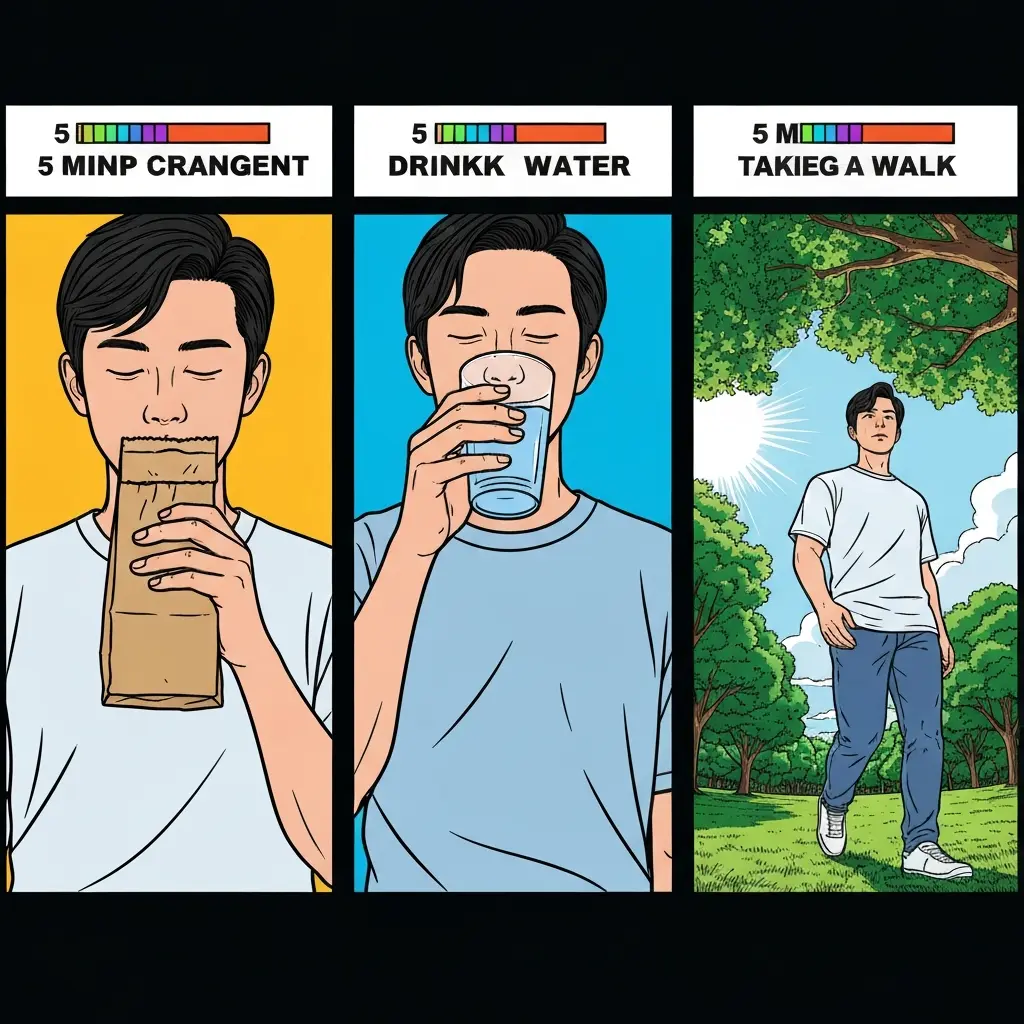
- Delay: Tell yourself you will wait 5–10 minutes before acting. The craving will peak and pass within that window.
- Distract: Redirect attention to a physical or mental task. Cognitive load interrupts craving-focused rumination.
- Deep Breathe: Controlled breathing activates the parasympathetic nervous system, counteracting the stress response that intensifies cravings.
- Drink Water: Cold water changes oral and stomach sensations, reduces anxiety, and physically interrupts the craving cycle.
Techniques 1–3: Breathing-Based Methods
Technique 1: Box Breathing (4-4-4-4)
Inhale through the nose for 4 counts, hold for 4, exhale through the mouth for 4, hold for 4. Repeat 4 times. Box breathing is used by military personnel and emergency responders to rapidly down-regulate the sympathetic nervous system. It reduces cortisol, lowers heart rate, and interrupts the craving response within 90 seconds. (MedlinePlus, 2024)
Technique 2: Extended Exhale Breathing (4-7-8)
Inhale for 4 counts, hold for 7, exhale slowly for 8. The prolonged exhale activates the vagus nerve, triggering rapid parasympathetic calming. This technique is particularly effective for cravings accompanied by anxiety — a common combination during early cessation.
Technique 3: Diaphragmatic Breathing with Posture
Sit or stand upright, place one hand on the chest and one on the abdomen. Breathe deeply until only the lower hand moves — this is diaphragmatic breathing. Take 10 slow, full breaths. The combination of posture change and deep breathing provides physical contrast to the hunched, habitual smoking posture, breaking the behavioral association.
Techniques 4–6: Physical Movement and Sensation
Technique 4: 5-Minute Walk
A 10-minute walk reduces nicotine cravings significantly, according to Mayo Clinic (2024) research. Even a 5-minute brisk walk achieves meaningful results. Physical activity boosts dopamine and endorphins, provides a partial substitute for the reward nicotine normally delivers, and moves you away from any environmental craving trigger. This is among the most consistently effective single-craving interventions in the clinical literature.
Technique 5: Cold Water Splash
Splashing cold water on the face or wrists activates the mammalian diving reflex, slowing heart rate by 10–25% within seconds and rapidly reducing fight-or-flight activation. The physical shock also disrupts the craving’s mental momentum. It is fast, free, and effective within 30 seconds.
Technique 6: Hand Grip Squeeze
Squeeze your fist tightly for 30 seconds, then release. Repeat 5 times. The physical exertion and sensation in the hand redirects neurological attention from the craving impulse and releases minor muscular tension. This technique is particularly useful in social settings where other techniques may not be practical.
Techniques 7–9: Cognitive and Mindfulness Approaches
Technique 7: Craving Surfing (Urge Surfing)
Developed as part of mindfulness-based relapse prevention (MBRP), urge surfing involves observing the craving without responding to it — treating it as a wave that rises, peaks, and falls. Studies published in addiction research journals show that mindfulness-based approaches reduce cigarette cravings significantly compared to standard control conditions. The technique: notice the craving, label it (“I am experiencing a craving”), observe its physical sensations without judgment, and watch it pass.
Technique 8: The “Why” Chain
When a craving hits, write or mentally recite your top 3 reasons for quitting. Research on implementation intentions shows that explicitly connecting current behavior to future goals during high-temptation moments increases resistance to impulses. Start with: “If I smoke right now, then [consequence]. But if I wait 5 minutes, then [benefit].”
Technique 9: Mental Time Travel
Project yourself 10 minutes into the future after having surrendered to the craving — visualize the guilt, the smell, the set-back to your quit counter. Then project yourself 10 minutes forward having resisted — visualize the pride, the streak maintained, the progress preserved. This forward-projection technique is supported by research on temporal self-appraisal in behavioral change.
Techniques 10–11: Oral Substitution Strategies
Technique 10: Sugarless Gum or Hard Candy
Smoking involves hand-to-mouth repetitive action and oral stimulation. Replacing this with sugar-free gum, sugar-free hard candy, or crunchy vegetables (carrots, celery) addresses the oral fixation component of the craving and keeps the hands and mouth occupied. This is endorsed by the NHS (2024) as a first-line craving management tool.
Technique 11: Herbal Tea or Cold Water
Holding and sipping a warm mug of herbal tea mimics the hand-holding ritual of smoking. The warmth, the act of sipping, and the slight change in oral sensation all reduce craving intensity. Cold water adds the physical contrast effect described in Technique 5 when consumed rapidly. Both options add hydration, which supports overall withdrawal symptom management.
Techniques 12–13: Environmental and Social Methods
Technique 12: Change Location Immediately
Cravings are strongly conditioned to location — the office break room, the car, the balcony, the corner near work. The moment a craving strikes, physically relocate. Moving to a different room or stepping outside (away from any smoking-associated area) severs the environmental trigger from the craving response, making the craving significantly weaker within seconds.
Technique 13: Contact Your Support Person
Calling or texting a designated support person during a craving provides social accountability, distraction, and emotional reinforcement simultaneously. Public health research from the National Cancer Institute (2024) shows that social support is among the most durable long-term cessation predictors. Keep 2–3 names on a craving-response contact list before your quit date. For community tools, the guide on staying motivated in the first month of quitting covers peer support options in detail.
Techniques 14–15: NRT and App-Based Support
Technique 14: Short-Acting NRT On Demand
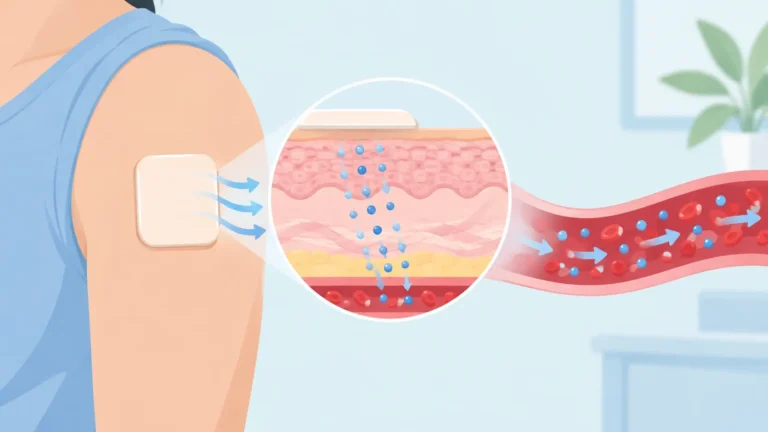
For acute cravings, short-acting nicotine replacement therapy — nicotine gum, lozenge, or inhaler — provides rapid relief by delivering small, controlled amounts of nicotine without the tobacco combustion byproducts. Used correctly in response to a craving (not preventively), they reduce craving intensity by 30–50% within minutes. Combining NRT with behavioral techniques is more effective than either alone. (NHS Stop Smoking Services, 2024)
Technique 15: Open Your Quit Smoking App
Quit smoking apps with built-in craving tools provide instant access to guided exercises, motivational data, and streak information precisely when motivation dips. Seeing your money saved counter and your smoke-free streak in a moment of weakness is a powerful real-time intervention. Research shows that apps with interactive craving management features increase quit rates compared to passive apps. Natural methods combined with app tracking are covered in our dedicated cessation guide. For comparative data on app effectiveness, see our research summary on relapse statistics, triggers, and what the research says. For a guide specifically on cold turkey quitting, see our article on how to quit smoking cold turkey.
Match Your Technique to Your Trigger Type
| Trigger Type | Example | Best Techniques |
|---|---|---|
| Stress / anxiety | Work deadline, argument | Box breathing, extended exhale, urge surfing |
| Social / habitual | After meals, with coffee, at a party | Change location, gum/candy, support contact |
| Boredom | Waiting, idle time | 5-minute walk, “Why” chain, app craving tool |
| Physical withdrawal | Morning wake-up craving | Short-acting NRT, diaphragmatic breathing, cold water |
| Emotional | Sadness, loneliness, celebration | Mental time travel, support contact, “Why” chain |
| Environmental | Passing a smoke shop, seeing others smoke | Change location immediately, hand grip, walk |
Video: The Neuroscience of Nicotine Cravings and How to Overcome Them
This TED-Ed animation explains the precise mechanisms by which nicotine creates cravings in the brain — and why each of the 15 techniques above interrupts them:
Smokefree.gov Craving Management Guide
The U.S. National Cancer Institute’s Smokefree.gov program provides an evidence-based craving management toolkit used in clinical cessation programs:
NCI Smokefree — Cravings and Triggers Resource
“Cravings are uncomfortable, but they don’t last forever. Every craving you outlast is a victory.”
Visit Smokefree.gov Craving Guide →
Source: U.S. National Cancer Institute, Smokefree.gov (2024)
Frequently Asked Questions
How long does a cigarette craving last?
Each individual craving episode typically peaks within 3–5 minutes and then fades. While cravings can occur repeatedly throughout the day, no single craving is permanent. The intensity and frequency of cravings decrease significantly after the first 2–4 weeks of quitting. (Mayo Clinic, 2024; CDC, 2024)
What is the fastest way to stop a cigarette craving?
The fastest evidence-based techniques are: cold water on the face or wrists (activates diving reflex in 30 seconds), box breathing 4-4-4-4 (calms the nervous system in 90 seconds), and relocating immediately (severs the environmental trigger). Short-acting NRT also acts within 2–3 minutes for severe cravings. (NHS, 2024)
Why are cigarette cravings worst in the morning?
Overnight, nicotine blood levels drop to their lowest point of the day, meaning receptors are maximally unsatisfied upon waking. The morning cigarette has often become strongly conditioned to waking routines (coffee, checking phone), creating both chemical and behavioral triggers simultaneously. (NIH, 2024)
Does exercise really help with cigarette cravings?
Yes. Multiple clinical trials show that even brief bouts of exercise (5–10 minutes) significantly reduce cigarette cravings and withdrawal symptoms. Physical activity achieves this by boosting dopamine and endorphin release, providing a natural reward substitute, and redirecting cognitive attention. (Mayo Clinic, 2024)
How do I handle cravings at social events where others are smoking?
Before social events: have your craving plan ready, carry NRT gum or mints, and tell someone present that you’re quit. During: change location immediately if a craving hits, hold a non-alcoholic drink in your hand (breaks the physical habit loop), and use the 4 Ds while interacting. Having a prepared “I quit” response also reduces social pressure. (NCI Smokefree, 2024)
When do cigarette cravings stop completely?
Physical nicotine cravings largely resolve within 2–4 weeks. Psychological and trigger-based cravings can persist for several months but decrease dramatically in frequency and intensity over time. Most ex-smokers report cravings becoming rare by 3–6 months. They typically do not entirely disappear but become very easy to manage within the first year. (NHS, 2024)
Beat Every Craving with iQuit
The iQuit App includes a built-in craving timer, breathing exercises, and real-time milestone tracking. When a craving strikes, open iQuit — your streak, your savings, and a 5-minute tool will be right there.