How to Quit Smoking Cold Turkey: The Complete Survival Guide for Your First 72 Hours (2026)
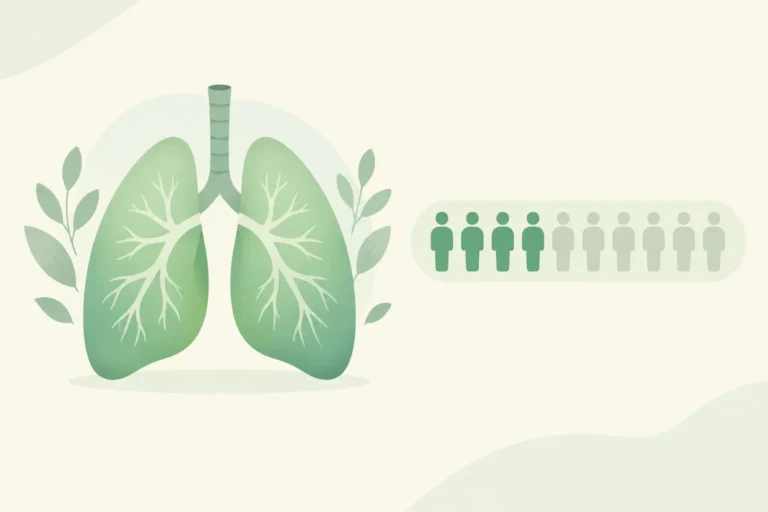
Quitting cold turkey — stopping smoking abruptly without any nicotine replacement or medication — is the most widely used quit method in the world. About 60% of all quit attempts are made without any pharmacological support, according to data from the CDC and WHO. It is also, statistically, the least effective method in terms of long-term success rates. But for many people, it is the right choice — whether for personal, financial, or medical reasons. And if you are going to do it, going in fully prepared gives you the best possible chance.
The first 72 hours of cold turkey quitting are the most physiologically demanding. Nicotine clears the bloodstream within 72 hours, and the brain’s withdrawal response peaks during this window. If you can get through the first three days with your quit intact, the physical withdrawal — though not over — becomes significantly more manageable. This guide walks you through how to quit smoking cold turkey with an hour-by-hour survival plan for days 1, 2, and 3.
Before You Quit: The Preparation Phase
Cold turkey does not mean unplanned. The difference between quitters who survive the first week and those who relapse by day three often comes down to preparation made before the quit date. In the 48 hours before you stop:
- Remove every cigarette, lighter, and ashtray from your home, car, bag, and workplace. Do not leave “emergency” cigarettes hidden anywhere. Having them accessible is a guarantee you will use them.
- Tell your household — anyone you live with needs to know so they can avoid smoking around you and understand that you may be irritable for a few days.
- Stock your craving kit: water bottle, sugar-free gum, mints, healthy snacks (carrot sticks, apple slices), a fidget item (stress ball, pen to click), and your phone with the iQuit app loaded.
- Plan your first 72 hours: Know what you will do during your normal smoking times. After breakfast — walk around the block. During the commute — listen to a podcast. After dinner — do dishes immediately then watch something engaging.
Day 1: Hours 1-24 (What to Expect and Do)
Hours 1-4: Nicotine is dropping in your bloodstream. You may not feel much yet if you smoked recently. This is a good time to remove remaining cigarettes from your environment and set up your accountability system.
Hours 4-8: The first real cravings begin. They are typically 3-5 minutes of intense urge followed by a natural subsidence. Your job is to outlast each wave without acting on it. Strategies for this phase:
- Drink a large glass of cold water with each craving
- Change rooms or go outside briefly — a location change disrupts the craving response
- Chew sugar-free gum during times you would normally have smoked
Hours 8-16: Irritability and mild anxiety may build. This is neurochemical — your brain’s dopamine system is adjusting. Do not attempt high-stress activities during this window if you can avoid it. Keep the first evening of your quit as calm and scheduled as possible.
Hours 16-24: Sleep may be disrupted. Nicotine withdrawal can cause insomnia, vivid dreams, and restlessness. If sleep is hard: avoid screens for 30 minutes before bed, keep the room cool, and consider a relaxation audio or breathing exercise to wind down.
Day 2: Hours 25-48 (The Peak)
Day 2 is typically the hardest day of cold turkey withdrawal. Nicotine is mostly gone from the bloodstream, and the brain is in full withdrawal adjustment mode. Physical symptoms that peak on day two include:
- Intense, frequent cravings
- Headaches (often from increased oxygen flow as carbon monoxide clears)
- Difficulty concentrating
- Heightened irritability or emotional sensitivity
- Restlessness — an uncomfortable energy that can feel like anxiety
- Increased appetite
Strategies specifically for day two:
Morning: Take a 10-minute walk before breakfast. Have a structured breakfast to address the appetite change.
Mid-morning: If you would normally smoke now — do 5 minutes of the 4-7-8 breathing technique instead.
Afternoon: This is when cravings often peak. Have your accountability person on speed dial. Stay hydrated. Avoid alcohol.
Evening: Plan a specific activity for your most dangerous craving window. Do not sit idle.
Day 2 is where most cold turkey attempts end. The one fact that carries people through: this is the worst it will feel. Every hour past day two reduces the intensity of withdrawal. This is not motivational language — it is neurochemical fact.
Day 3: Hours 49-72 (The Turn)
On day three, nicotine is fully cleared from the bloodstream. Cotinine levels are still declining, and the brain is still adjusting — but many quitters notice a qualitative shift around day three: cravings are shorter, headaches ease, and there are windows of feeling genuinely good about the decision to quit. These windows are brief at first, but they are real and they widen.
Day three tasks:
- Notice and celebrate that you are 72 hours in — that is a significant milestone
- Within 24 hours of quitting, carbon monoxide has cleared your bloodstream; your blood oxygen levels have normalised
- By day three, your sense of smell and taste begin improving — enjoy this
- Reassess your craving kit — what worked best in days 1 and 2? Stock more of it.
After 72 Hours: What Changes
Getting past 72 hours does not mean you are out of the woods. Weeks two through four still bring psychological cravings, especially around habit triggers and emotional situations. But the trajectory is clear: physical withdrawal has peaked, and every day is an incremental improvement.
What the research shows about the post-72-hour period:
- Week 2: Physical symptoms mostly resolved for most people; psychological triggers remain strong
- Week 3-4: Cravings are less frequent, shorter duration, easier to manage
- Month 2-3: Most ex-smokers report cravings as infrequent and manageable
For the complete post-72-hour picture, the hour-by-hour, day-by-day quit smoking timeline maps the full recovery arc.
Cold Turkey vs NRT: A Fair Comparison
If you are considering cold turkey, you deserve a fair picture of how it compares to NRT-supported quitting:
| Factor | Cold Turkey | NRT-Supported Quitting |
|---|---|---|
| Success rate at 6 months | ~3-5% | ~10-15% (NRT alone) |
| Withdrawal severity | Higher | Lower |
| Speed of nicotine clearance | Faster | Gradual |
| Cost | Zero | £30-80 per month (NRT) |
| Best for | Lighter smokers, very motivated quitters | Heavy smokers, multiple previous attempts |
For a detailed breakdown, see cold turkey vs nicotine patches compared.
Frequently Asked Questions
Is it safe to quit smoking cold turkey?
Yes, for most people. Unlike alcohol or benzodiazepine withdrawal, nicotine withdrawal is not medically dangerous for healthy adults. The symptoms — cravings, irritability, headaches, insomnia — are uncomfortable but not life-threatening. People with serious heart conditions or severe mental health conditions should discuss quitting with their GP first, as withdrawal can temporarily increase anxiety and heart rate.
Is cold turkey more effective than gradual reduction?
A landmark study published in Annals of Internal Medicine (2016) found that abrupt quitting (cold turkey) led to higher abstinence rates at 4 weeks and 6 months compared to gradual reduction. However, the difference was relatively small, and other research shows gradual reduction can be equally effective for smokers who find abrupt cessation too difficult. The best method is the one you will actually do.
What should I eat when quitting cold turkey to manage cravings?
Foods that help during cold turkey withdrawal include: crunchy vegetables (carrots, celery) that satisfy the oral fixation component, citrus fruits (Vitamin C supports metabolism of nicotine metabolites), and high-protein snacks that stabilise blood sugar and reduce irritability. Avoid excessive caffeine and alcohol in the first two weeks — both lower craving resistance and alcohol is a significant relapse trigger.
How do I avoid weight gain when quitting cold turkey?
Weight gain after quitting is common — average 4-5kg in the first year — because nicotine suppresses appetite and increases metabolism. Strategies to manage this: maintain regular meal times to prevent binge snacking, keep healthy snacks accessible, increase physical activity (walking counts), and avoid using food as a direct cigarette substitute. For a full approach, see the guide to quitting without gaining weight.
Get Through Day One — and Every Day After — with iQuit
The iQuit app is designed for the cold turkey moment: real-time craving timers that show you each craving is time-limited, guided breathing for acute withdrawal, milestone notifications starting at 20 minutes smoke-free, and a daily streak to protect. Download it before your quit date so it’s ready when you need it.