How to Support Someone Quitting Smoking: A Practical Guide for 2026
When someone you care about decides to quit smoking, your support can genuinely make the difference between success and relapse. Research published in Health Psychology consistently shows that social support is one of the strongest predictors of long-term smoking abstinence — but the type of support matters enormously. Well-meaning pressure, nagging, or expressions of disgust about smoking can actually increase the likelihood of relapse by raising stress levels and damaging the quitter’s sense of self-efficacy. Supporting someone quitting smoking means learning a specific skill set, not simply “being there.”
This guide walks you through exactly how to help — and what to avoid — during every phase of a quit attempt, from the first smoke-free day through the longer haul of the first year.
Why Your Support Genuinely Matters
A 2020 Cochrane review on partner and family support for smoking cessation found that people with active social support were significantly more likely to achieve abstinence at 12 months compared to those who quit without support. The quitter’s perception of support quality — whether they felt encouraged rather than policed — was the key mediating factor.
Quitting smoking involves overcoming a physical addiction to nicotine as well as deeply ingrained behavioural habits. The nicotine withdrawal timeline shows that the most intense symptoms — irritability, anxiety, difficulty concentrating, and sleep disruption — peak in the first 72 hours and persist for two to four weeks. During this period, the quitter is neurologically stressed in ways that make emotional regulation extremely difficult. Your calm, consistent presence during this window is not trivial: it is a clinical advantage.
Understanding what happens to the body when someone quits smoking can also help you empathise more accurately with what they are going through — and give you meaningful things to celebrate together.
Before the Quit Date
Ask How They Want to Be Supported
This is the single most important step. Some people want reminders and check-ins; others find that intrusive and prefer to manage privately with occasional encouragement. Ask directly: “How would you like me to support you?” and then honour whatever they say. Do not assume you know best.
Help Them Prepare the Environment
Offer practical help before the quit date. This could include helping to remove cigarettes, lighters, and ashtrays from shared spaces. If you smoke yourself, agreeing not to smoke around them is one of the most powerful things you can do. Research shows that household exposure to other smokers significantly undermines quit attempts.
Learn About Their Method
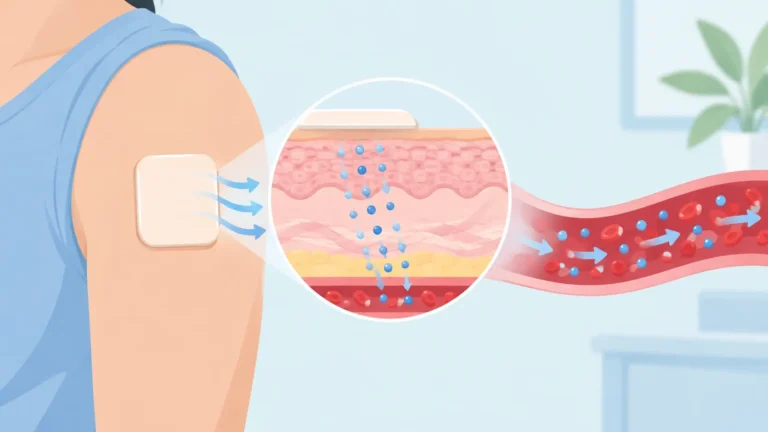
If they are using nicotine patches, varenicline, a vaping device, or a quit app like iQuit, take a few minutes to understand how it works. This helps you ask informed questions and support their routine — for instance, reminding them to put on a fresh patch in the morning without it feeling like surveillance.
Plan Around Known Triggers
Work together to identify social or environmental triggers — after dinner, with alcohol, at certain social events — and plan concrete alternatives. Suggest going for a short walk after meals, switching to a different drink at first, or avoiding high-risk social situations during the early weeks.
The First Week: The Hardest Part
The first 72 hours post-quit are biochemically the most intense. Nicotine levels in the blood drop sharply, dopamine production is temporarily dysregulated, and the brain is demanding a substance it has come to depend on. Mood swings, irritability, and seemingly disproportionate emotional reactions are entirely physiological — they are not about you, and they are not a sign the person is failing.
Practical Things to Do
- Distraction on demand: Have a list of things to do together when cravings hit — a short walk, a phone call, a simple task that requires focus. Each craving lasts only 3–5 minutes; helping bridge that gap is enormously effective.
- Stock healthy alternatives: Crunchy snacks (carrot sticks, apple slices, sugar-free gum) help with the oral fixation. Offering to have these available without making it a big deal keeps the support low-key and practical.
- Check in warmly, not interrogatively: “How are you feeling today?” is better than “Did you smoke?” One asks about them as a person; the other frames the conversation around policing behaviour.
Emotional Regulation for You
It is normal to find withdrawal-driven irritability hard to navigate, especially if it is directed at you. Try not to take it personally, and where possible, add space rather than escalate. If you find yourself getting frustrated, it is fine to calmly acknowledge that and come back to the conversation when the moment has passed.
Weeks Two to Four
Physical withdrawal symptoms typically ease significantly by the end of the second week, though psychological cravings — triggered by habits and situations — can persist much longer. The risk at this stage is complacency: both the quitter feeling they have “done the hard part” and dropping their guard, and the supporter stepping back their encouragement too soon.
Continue celebrating milestones. Two weeks smoke-free is significant — the body has already repaired measurable cardiovascular function. One month is a major achievement. Acknowledge these moments specifically, not generically. “Your lung function has already started improving” is more motivating than “well done.”
According to the health benefits timeline, by the end of week two, circulation has improved and walking and exercise become noticeably easier. Sharing these specific improvements as they happen — rather than only praising willpower — shifts the focus from deprivation to gain.
How to Handle a Lapse or Relapse
A lapse — smoking one or a few cigarettes — is a near-universal part of quit attempts. Research from the CDC shows that most people make 8–10 serious quit attempts before achieving long-term abstinence. A lapse is information, not failure.
When a lapse happens, your response in the next few minutes can determine whether it becomes a full relapse or a learning experience. The most helpful response:
- Do not express disappointment or say “I told you so.” This is the single most damaging response and directly predicts relapse continuation.
- Do not catastrophise: “One cigarette does not undo three weeks of progress” is both true and important to say out loud.
- Help them identify the trigger: What happened right before the lapse? A stressful call? A social setting? This is useful data for their next quit plan.
- Reinforce their identity: “You are someone who has been smoke-free for three weeks — that does not change with one slip.”
Long-Term Support: Months 2–12
The risk of relapse remains elevated for a full year after quitting. Psychological triggers — stress, grief, celebrations, alcohol — can activate cravings months after physical withdrawal has resolved. Continued, low-key support matters during this period even though the acute crisis has passed.
Concrete longer-term actions include:
- Continuing to avoid smoking around them, even once the acute phase is over
- Acknowledging the anniversary of their quit date with genuine recognition — it is a major life achievement
- Noticing and mentioning the positive changes you can see: better skin, improved fitness, more energy
- Being mindful of high-risk situations (parties, stressful periods, bereavements) and increasing your check-in frequency around those times
The complete quit smoking tips guide includes a section on maintaining long-term abstinence that you can read together for shared understanding.
What Not to Do: Common Mistakes
- Nagging: Repeatedly asking whether they have smoked or reminding them they “should not” creates shame and resistance, not motivation
- Expressing disgust about past smoking: Retrospective judgment is demoralising and irrelevant to moving forward
- Minimising the difficulty: “It is just a habit” or “just stop buying them” ignores the neurological reality of nicotine dependence
- Making it about you: “You are making me worry” or “think about what you are doing to our family” adds guilt to an already challenging process
- Rewarding only willpower: Praise effort and progress, not just abstinence — attending their stop smoking appointment or using their quit app consistently deserves recognition too
Frequently Asked Questions
What is the most helpful thing I can do for someone quitting smoking?
Ask them directly how they want to be supported, and then honour that answer. Research consistently shows that support the quitter defines as helpful — rather than support imposed by others — is most effective. Practical help like removing smoking paraphernalia, not smoking around them, and providing distraction during cravings are among the most evidence-backed actions.
How should I react if someone I am supporting relapses?
Stay calm, avoid expressing disappointment, and help them identify what triggered the lapse. Remind them that most successful quitters made multiple attempts before succeeding, and one lapse does not erase their progress. Help them re-engage with their quit plan rather than treating the relapse as a complete failure.
How long should I actively support someone quitting smoking?
The highest-risk period is the first three months, with significant relapse risk continuing through the first year. Active support — regular check-ins, milestone recognition, avoiding smoking around them — is most critical in weeks one to four, but consistent, lower-intensity support through month twelve is meaningful and evidence-backed.
Should I quit smoking myself to support them?
If you smoke, quitting together is one of the most powerful forms of support. Research shows that having a non-smoking household significantly increases the quitter’s chances of success. If you are not ready to quit, at minimum commit to not smoking in shared spaces or around the person during their quit attempt.
What if the person I am supporting is irritable and difficult to be around during withdrawal?
Irritability, mood swings, and short temper during the first one to two weeks are normal withdrawal symptoms driven by neurological changes — not personal. The NHS describes nicotine withdrawal as causing the same measurable stress response as clinical anxiety. Giving space when needed, not escalating conflicts, and revisiting difficult conversations once the acute phase has passed are all healthy responses.
Are there specific apps or resources that help someone support a quitter?
Yes. The iQuit app is designed for the person quitting but its progress tracking and milestone features make it easy to celebrate achievements together. The NHS Better Health programme also provides resources for both quitters and their supporters. Smokefree.gov (US) and the NHS quit smoking pages offer guidance specifically for people supporting a quitter.
Supporting a Quitter? Share the iQuit App With Them
The iQuit app gives quitters an AI coach, craving tracker, health milestone calendar, and money-saved counter — everything they need to stay motivated. Share it with the person you are supporting so they have round-the-clock help between your check-ins.