How to Use Nicotine Patches Correctly: A Step-by-Step Guide for 2026
Nicotine patches are the most commonly used form of nicotine replacement therapy worldwide — and yet a significant proportion of people who try them do not get the full benefit because they are using them incorrectly. Placing a patch in the wrong location, starting on the wrong dose, or wearing it for too short a time are among the most common mistakes. If you’ve tried patches before and felt they “didn’t work,” there is a good chance the method was at fault, not you. This guide explains exactly how to use nicotine patches correctly, from dose selection to daily placement to what to do when a craving hits despite wearing one.
According to Cochrane meta-analyses covering over 130 randomised trials, NRT including patches increases quit success rates by 50-70% compared to placebo. The difference between effective and ineffective patch use is almost entirely about application and dosing protocol.
Step 1: Choosing the Right Patch Dose
Patches typically come in three strengths. Starting on the wrong dose is one of the most common reasons patches seem ineffective — underdosing leaves withdrawal symptoms too severe to manage.
| Daily Cigarettes Smoked | Starting Patch Dose |
|---|---|
| 20 or more (pack-a-day or more) | 21mg / 24-hour or Step 1 (highest) |
| 10-19 per day | 14mg or 21mg depending on brand |
| Fewer than 10 per day | 7mg or 14mg (lowest step) |
If you are a very heavy smoker (30+ cigarettes per day), some NHS clinicians recommend starting at 21mg and adding a fast-acting NRT product from day one rather than trying to match your intake with patches alone. Talk to your pharmacist or GP if you are unsure.
Step 2: Where to Place Your Patch
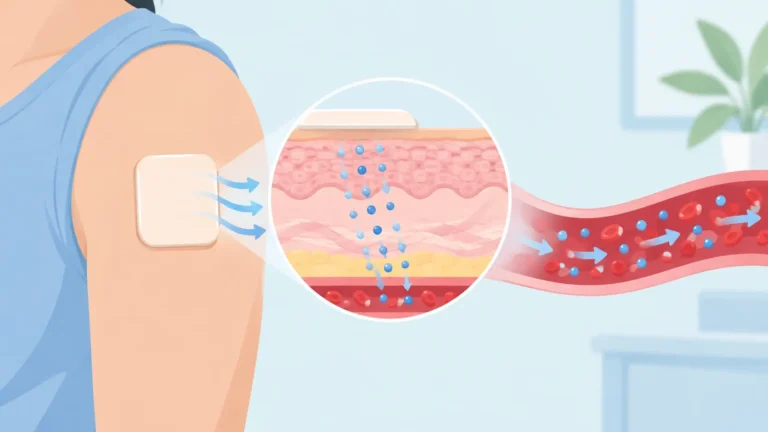
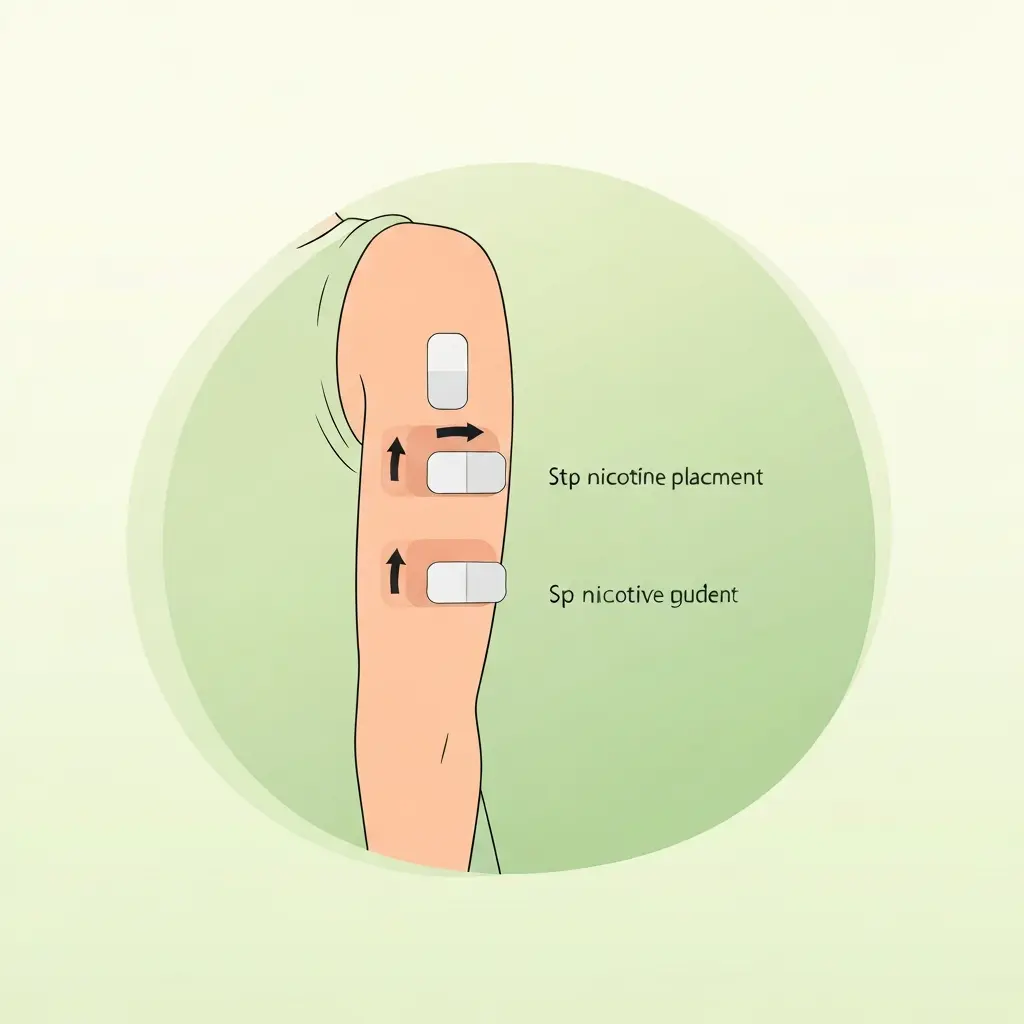
The patch delivers nicotine through the skin. Proper placement ensures consistent absorption. Follow these guidelines:
- Recommended sites: upper arm (outer), upper chest, upper back, or hip
- The skin must be: clean, dry, relatively hairless, and free of cuts or irritation
- Avoid: folds of skin, areas that bend frequently, previously irritated sites, and oily areas
- Rotate daily: Do not place a patch on the same skin area two days in a row — this reduces skin irritation and maintains consistent absorption
Step 3: How to Apply the Patch Correctly
Follow this application protocol each morning:
- Wash and thoroughly dry the application site (no moisturisers or oils)
- Remove the backing from the patch — touch only the edges, not the adhesive side
- Press the patch firmly against clean skin with the palm of your hand
- Hold pressure for 10-20 seconds — this activates the adhesive bond
- Run a finger around the edges to ensure full contact with the skin
- Wash your hands immediately after application
Apply your patch at a consistent time each day — most people find first thing in the morning works best, as it ensures the patch is delivering nicotine before the morning craving window.
Step 4: How Long to Wear Each Patch
There are two main patch types:
- 24-hour patches: worn overnight as well as during the day. Good for people who experience morning cravings as soon as they wake up. Some users experience vivid dreams when wearing these overnight — if this is disruptive, switch to a 16-hour patch or remove before sleeping.
- 16-hour patches: applied in the morning and removed at bedtime. Better for people who do not smoke first thing in the morning or who find overnight wear uncomfortable.
Follow the brand’s instructions for whether to remove before swimming or showering. Most modern patches are water-resistant but not waterproof — brief showering is usually fine; extended soaking may reduce adhesion.
Step 5: Stepping Down Your Dose Over Time
Patches are designed to be used in a step-down protocol over 8-12 weeks. A typical schedule:
- Weeks 1-6: Highest dose (Step 1 / 21mg)
- Weeks 7-9: Medium dose (Step 2 / 14mg)
- Weeks 10-12: Low dose (Step 3 / 7mg)
Do not rush through steps. Moving down a dose too quickly reintroduces withdrawal symptoms and increases relapse risk. If you find a step-down increases cravings significantly, stay at the current dose for an additional 1-2 weeks before stepping down again. There is no clinical downside to taking longer — the goal is long-term cessation, not fast nicotine removal.
Step 6: Combining Patches With Fast-Acting NRT
Patches provide a steady background level of nicotine but respond slowly — they cannot address the sudden spike of a craving triggered by stress, after a meal, or passing a smoker on the street. This is where combination NRT significantly improves outcomes.
NICE guidelines in the UK endorse combining a long-acting NRT (patch) with a fast-acting NRT for acute craving management. Options include:
- Nicotine gum (2mg or 4mg) — chew and park technique, effect within 5-10 minutes
- Nicotine mouth spray — fastest-acting at 60-90 seconds
- Nicotine lozenge — dissolves over 20-30 minutes
- Nicotine inhalator — mimics the hand-to-mouth action of smoking
Studies comparing patch-only versus combination NRT consistently show 30-40% better outcomes with combination. The patch handles the baseline; the fast-acting NRT handles the peaks. For more on the comparison, see the full NRT options comparison guide.
Common Mistakes and How to Avoid Them
- Starting on too low a dose: Many people start on Step 2 or Step 3 to avoid “overdoing it.” Underdosing is far more common than overdosing, and results in unmanaged withdrawal symptoms that drive relapse.
- Stopping too soon: Removing patches after 2-3 weeks because you feel better. Feeling better does not mean the brain has fully recalibrated — the 8-12 week recommendation exists for good reason.
- Not rotating sites: Repeated application to the same spot causes skin irritation, redness, and reduced absorption. Rotate across at least 4-6 sites.
- Smoking while wearing a patch: This is medically inadvisable and increases the risk of nicotine toxicity (nausea, dizziness, heart palpitations). Do not smoke while wearing a patch — see our dedicated breakdown of exactly what happens if you do, and what to do about a slip-up, in smoking while using nicotine patches.
- Using patches alone without addressing triggers: NRT reduces withdrawal severity but does not remove psychological triggers. Combine with withdrawal symptom management strategies and a structured quit plan.
Frequently Asked Questions
Can I wear a nicotine patch while exercising?
Yes, but be aware that exercise increases blood flow and skin temperature, which can accelerate nicotine absorption from the patch. This may cause temporary dizziness or nausea in some people. If this is an issue, apply the patch to a less vascular area (back or hip rather than arm) on exercise days. The patch is generally safe to wear during moderate exercise.
Why does my nicotine patch itch or cause redness?
Mild itching or redness at the patch site is common and usually harmless — it is a mild skin reaction to the adhesive or nicotine itself. Rotating the application site daily reduces this. If you develop a severe rash, blistering, or the irritation spreads beyond the patch area, remove the patch and consult a pharmacist or GP. Hypoallergenic patch brands are available for people with sensitive skin.
Can I use a nicotine patch if I only smoke a few cigarettes a day?
Yes, but start on the lowest dose (7mg). Light smokers who are physically dependent — meaning they experience cravings and discomfort without cigarettes — can benefit from patches. If you are a truly occasional social smoker without physical dependence, patches may deliver more nicotine than you need. Discuss with your pharmacist to determine the right starting point.
Can I cut a nicotine patch in half to reduce the dose?
No. Cutting a nicotine patch in half is not recommended and can cause irregular dosing — the nicotine reservoir within the patch may not be evenly distributed, and the edges of the cut patch are unprotected. Use the lowest commercially available patch strength rather than cutting a higher-dose patch.
How long should I use nicotine patches before moving to a lower dose?
Most guidelines recommend 6-8 weeks at the starting dose before stepping down. The transition should feel manageable — if stepping down triggers significant withdrawal symptoms, return to the previous dose for 1-2 additional weeks. There is no clinical harm in using patches for longer than 12 weeks if it prevents relapse. Long-term NRT use is far safer than returning to smoking.
Track Your NRT Progress with iQuit
Whether you’re using patches, gum, or going cold turkey, the iQuit app tracks your quit journey, logs your cravings, and celebrates every smoke-free milestone. Use the app alongside your NRT plan for a complete, structured approach to quitting.