Can Your Lungs Heal After Years? Best Recovery Timeline
You’ve smoked for 10, 20, maybe 30 years. You’re wondering whether quitting now even matters — whether the damage is already done. That question deserves a straight answer, not false hope and not unnecessary pessimism.
The short answer is yes. Lung healing after quitting smoking is real, measurable, and begins within hours of your last cigarette. The long answer — which is far more interesting — depends on how long you smoked, what conditions you’ve developed, and what your body is capable of repairing versus adapting around.
Here’s where it gets interesting: some of what you thought was permanent damage isn’t. And some improvements happen faster than most people expect.
Do Lungs Actually Heal After Years of Smoking?
Yes — and the evidence is stronger than most people realize. A 2024 meta-analysis published in PLOS ONE found that smoking cessation produces statistically significant improvements in lung function across multiple chronic respiratory conditions, including improvements in FEV₁ (forced expiratory volume) and FVC (forced vital capacity) — the standard clinical measures of how well your lungs work.
The body’s repair systems don’t check your smoking history before getting to work. Once tobacco toxins stop flooding your airways, inflammatory processes begin to resolve, mucus production drops, and the respiratory epithelium — the lining of your airways — starts regenerating. This isn’t motivational language; it’s documented cellular biology.
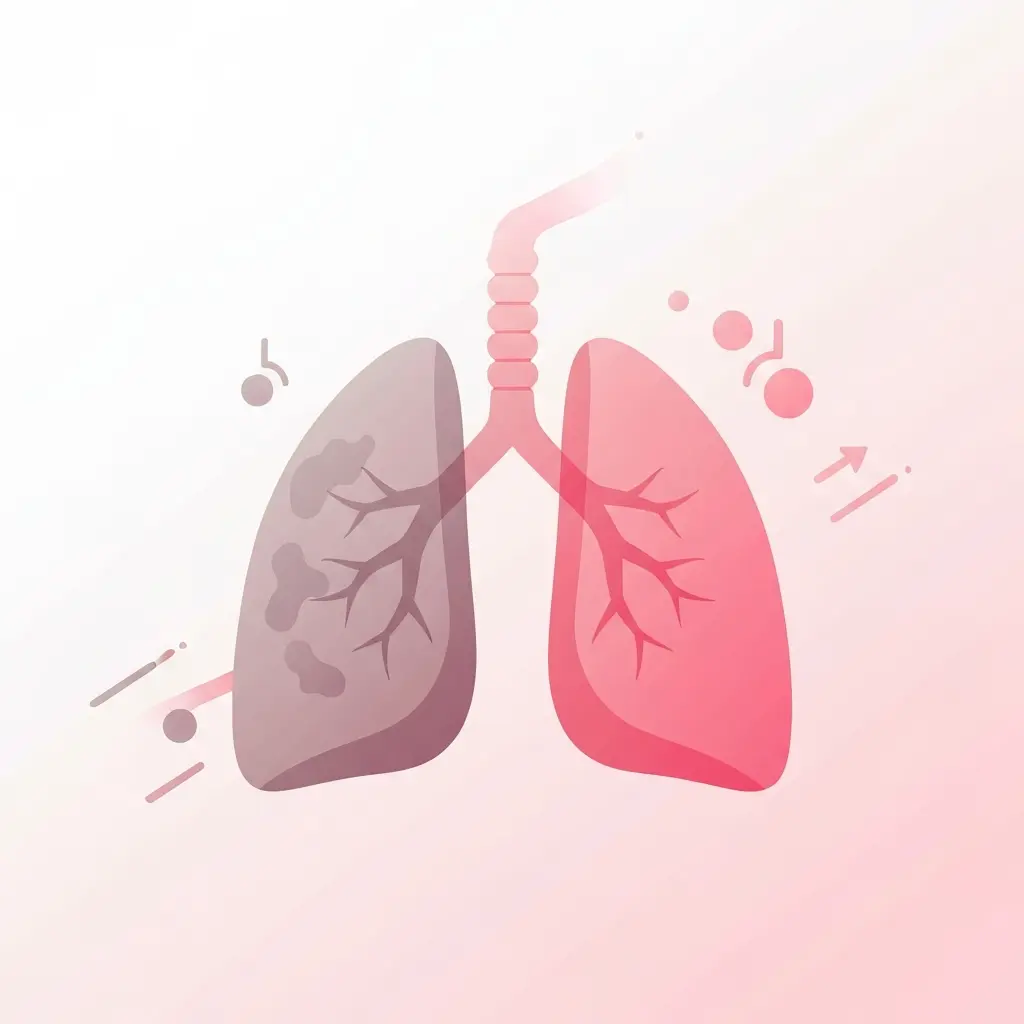
What most people miss is that “healing” covers two distinct processes. The first is repair: restoring tissue that was damaged but recoverable. The second is risk reduction: even when structural damage is permanent, the absence of ongoing smoke exposure dramatically lowers your chances of cancer, heart disease, stroke, and COPD progression. Both matter enormously.
Lung function recovery after quitting smoking refers to the measurable improvement in respiratory capacity — including FEV₁, FVC, and oxygen exchange efficiency — that occurs when chronic tobacco smoke exposure ends. It encompasses both direct tissue repair and the reduction of ongoing inflammation, beginning within days and continuing for years after cessation.
For a detailed look at the cellular mechanics — specifically how cilia regenerate and how cancer risk recalculates — the complete lung healing guide at iQuitNow covers the science thoroughly.
What Is the Lung Recovery Timeline After Quitting?
The recovery timeline after quitting smoking is one of the most well-documented areas in cessation research. Each milestone is backed by decades of epidemiological data from organizations including the CDC, WHO, and American Cancer Society.
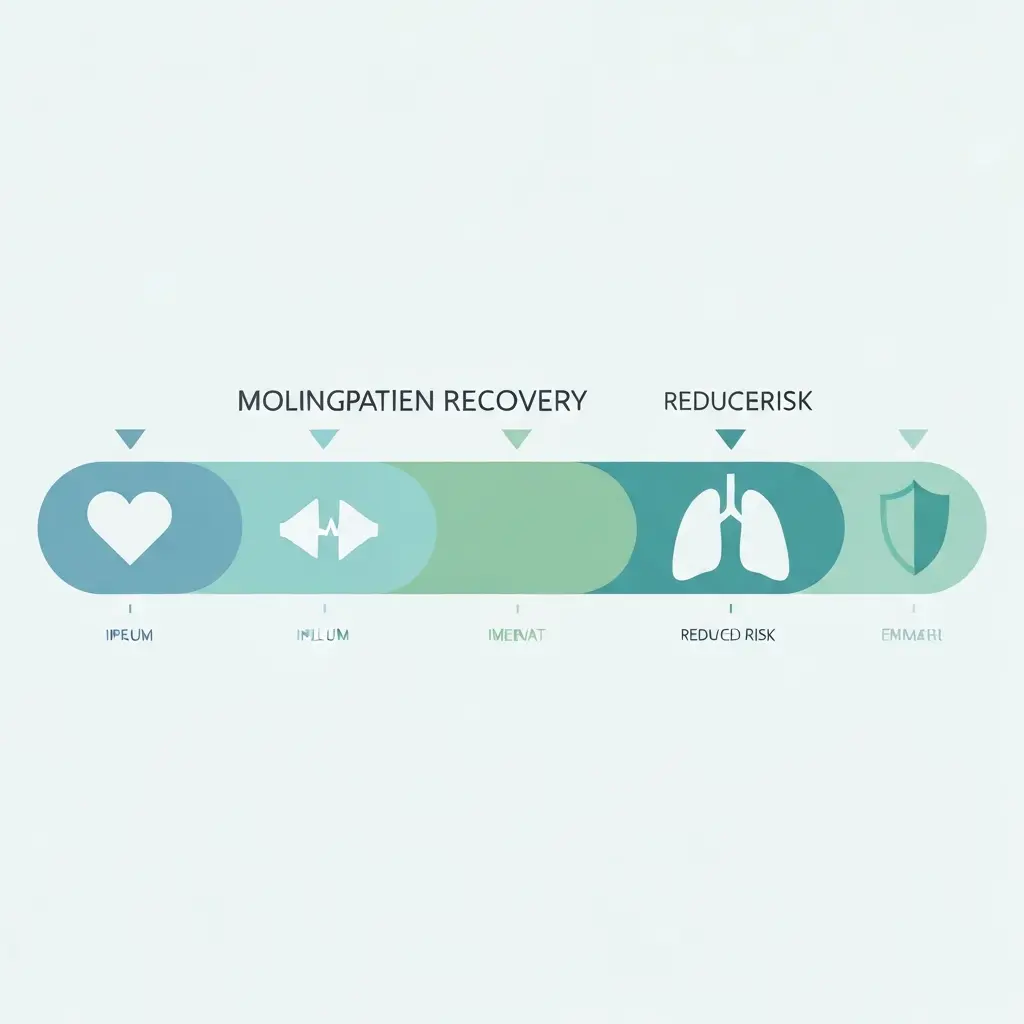
| Time Since Last Cigarette | What Changes in Your Lungs & Body | Evidence Source |
|---|---|---|
| 20 minutes | Heart rate and blood pressure begin to normalize | American Cancer Society, 2023 |
| 12 hours | Carbon monoxide levels in blood drop to normal; oxygen delivery to lungs improves | CDC, 2023 |
| 24–72 hours | Cilia in airways begin to regenerate; mucus clearing improves; bronchial tubes start to relax | NHS, 2023 |
| 1–3 months | Lung function increases by up to 30%; exercise tolerance improves noticeably | American Lung Association, 2023 |
| 1 year | Risk of coronary heart disease is half that of a smoker; coughing and shortness of breath reduce significantly | CDC, 2023 |
| 5 years | Stroke risk equals that of a non-smoker; mouth, throat, esophagus, and bladder cancer risks halved | American Cancer Society, 2023 |
| 10 years | Lung cancer death risk approximately half that of a continuing smoker; precancerous cells replaced | American Cancer Society, 2023 |
| 15 years | Risk of coronary heart disease equals that of someone who never smoked | CDC, 2023 |
The 1–3 month window is where most people notice the first tangible breathing improvements — fewer episodes of breathlessness on stairs, a cough that’s becoming more productive and then fading. That progress is your airways clearing accumulated debris and inflammation receding.
What’s counterintuitive: the cough often gets temporarily worse in the first few weeks. That’s not a bad sign — it’s your cilia waking up and doing their job again. Stick with it.
What Specifically Heals in Your Lungs After Quitting?
Not everything in your lungs heals at the same rate — or through the same mechanism. Understanding what’s actually changing helps set realistic expectations and appreciate the real wins.
Cilia Regeneration
Tobacco smoke paralyzes and destroys cilia — the tiny hair-like structures lining your airways that sweep mucus, pathogens, and debris out of your lungs. Within 24–72 hours of quitting, surviving cilia begin moving again. Over the following weeks, new cilia grow to replace the damaged ones. This is why the “smoker’s cough” often intensifies briefly before improving — the cilia are finally doing their job again.
Airway Inflammation
Chronic smoke exposure triggers persistent inflammatory responses in the bronchial tubes. This inflammation causes swelling, excess mucus, and narrowed airways. Research published in PLOS ONE (2024) confirms that cessation produces measurable reductions in airway inflammation within months — improvements visible in FEV₁ measurements and felt as easier breathing.
Alveolar Function
The alveoli — tiny air sacs where gas exchange happens — don’t fully regenerate once destroyed by emphysema. This is the hard truth. But alveoli that are damaged but not destroyed can recover some function, and the remaining healthy alveoli become more efficient when they’re no longer being bathed in toxins. Gas exchange improves even when structural repair is incomplete.
Cancer Risk Recalculation
Perhaps the most clinically significant “healing” isn’t structural at all. Precancerous cells in the lungs — cells that have accumulated mutations from smoke exposure — are gradually replaced by normal cells over the years after quitting. The American Cancer Society documents that this process drives the ~50% reduction in lung cancer mortality risk at the 10-year mark.
Can Heavy Long-Term Smokers Still See Lung Improvement?
Yes — and the research here is genuinely encouraging, even for those who’ve smoked a pack a day for 30 or 40 years. The benefit of quitting doesn’t disappear based on smoking history; it scales.
A landmark study tracking smokers by pack-years (a measure combining quantity and duration) found that even people with 40+ pack-years of smoking history experienced significant reductions in lung cancer risk, COPD hospitalization rates, and respiratory symptom burden after sustained cessation. The absolute gains were smaller than for lighter smokers, but they were real and clinically meaningful.
The honest caveat: if you’ve developed significant emphysema — where alveolar walls have been permanently destroyed — that structural loss doesn’t reverse. The destroyed air sac capacity doesn’t come back. But disease progression slows dramatically, inflammation decreases, and secondary complications become far less likely to occur.
Heavy smokers also often experience the steepest early subjective improvements — simply because they’ve been living with severe airway congestion and inflammation that, once it begins to resolve, produces noticeable differences in daily breathing quality.
Does Lung Recovery Work If You Have COPD or Emphysema?
Smoking cessation is the single most effective intervention for slowing COPD progression — more effective than any current medication. That’s not a minor claim; it’s the clinical consensus from the Global Initiative for Chronic Obstructive Lung Disease (GOLD) guidelines.
For people with COPD, quitting smoking:
- Slows the accelerated decline in FEV₁ that COPD causes
- Reduces frequency and severity of acute exacerbations (dangerous flare-ups)
- Decreases respiratory infection risk
- Reduces systemic inflammation that affects heart and vascular health
- Improves quality of life scores across multiple validated measures
The 2024 meta-analysis on lung function improvement following smoking cessation in chronic respiratory conditions (PubMed, 2024) found statistically significant benefits even in patients with established obstructive lung disease — confirming that the lungs retain meaningful capacity to respond to cessation even after disease has set in.
The key distinction: quitting doesn’t cure COPD. But it’s the only proven way to stop COPD from taking more of your lung function than it already has. That distinction matters enormously for quality of life over the next 10–20 years.
For a detailed science-backed breakdown of how cilia regeneration and cancer risk reduction interact with chronic lung disease, the complete lung recovery guide at iQuitNow covers this in clinical depth.
How Can You Speed Up Lung Healing After Quitting Smoking?
Your body does the cellular work automatically — but there are evidence-supported strategies that create the best possible environment for recovery. Think of these less as “hacks” and more as removing obstacles.
- Stay completely smoke-free. This sounds obvious, but even “just one” cigarette re-exposes your airways to 7,000 chemicals and restarts inflammatory cascades. Occasional smoking prevents the sustained absence of irritation that healing requires.
- Stay hydrated. Water keeps respiratory mucus thin and easier for regenerating cilia to move. Aim for 8 glasses daily, more if you’re exercising.
- Add moderate aerobic exercise. Exercise improves lung function directly by challenging respiratory capacity. A 2022 review in Respiratory Medicine found that aerobic exercise combined with cessation produced greater FEV₁ improvements than cessation alone. Start with 20-minute walks and build gradually.
- Improve indoor air quality. Secondhand smoke, dust mites, mold, and chemical fumes all irritate airways that are trying to heal. Use HEPA air filters, avoid harsh cleaning chemicals, and keep windows open when possible.
- Eat anti-inflammatory foods. A diet rich in fruits, vegetables, and omega-3 fatty acids supports the reduction of systemic inflammation. The Mediterranean diet pattern has the strongest evidence base for respiratory health.
- Use cessation medications if needed. Nicotine replacement therapy (NRT), varenicline (Champix/Chantix), and bupropion don’t speed lung healing directly — but they dramatically increase your chances of staying quit, which is what makes healing possible. Mayo Clinic’s guide to cessation medications is a reliable starting point.
- Get vaccinated. Flu and pneumonia vaccinations protect healing lungs from infections that can set back respiratory recovery significantly.
- Track your progress. Monitoring your breathing improvements and health milestones reinforces motivation and helps you recognize that healing is actually happening. Apps like iQuit include health recovery timelines that update in real time — seeing that your lung function milestone has been reached makes the abstract concrete.
What Happens During Withdrawal While Your Lungs Are Healing?
Lung healing and nicotine withdrawal happen simultaneously — and that overlap is important to understand, because withdrawal symptoms can make you question whether quitting is even working.
In the first 72 hours, nicotine leaves your system while your lungs begin the earliest stages of repair. You may experience anxiety, irritability, intense cravings, and — confusingly — a worsening cough. That cough is your cilia becoming active again, clearing the backlog of mucus and debris. It’s a sign of healing, not damage.
By weeks 2–4, the acute physical withdrawal largely resolves, but psychological cravings often intensify. Meanwhile, your lung function has already improved measurably. The breathing improvements some people notice at this stage — easier exertion, clearer airways in the morning — can be a powerful behavioral reinforcement to stay the course.
The week-by-week nicotine withdrawal timeline at iQuitNow covers what to expect at each stage and which symptoms are normal versus worth discussing with a doctor — an essential read for the first three months of recovery.
Fair warning: the timeline isn’t perfectly linear. Some people feel dramatically better at week 3; others hit a rough patch at week 6. That variation is normal and doesn’t indicate that your lungs aren’t healing. The cellular recovery continues regardless of how you feel on any given day.
If you’re looking for a structured approach to the quitting process itself — methods, craving management, behavioral strategies — the science-backed 8-week quit plan provides a concrete roadmap that works in parallel with your lung recovery timeline.
Frequently Asked Questions About Lung Recovery After Quitting Smoking
How long does it take for lungs to fully recover after quitting smoking?
Lung recovery is a multi-year process, not a single event. Cilia regeneration begins within 24–72 hours; measurable lung function improvements occur within 1–3 months; and lung cancer risk drops significantly at the 5- and 10-year marks. For long-term heavy smokers, “full” recovery isn’t the right frame — meaningful, ongoing improvement is more accurate and well-supported by CDC and American Cancer Society data (2023).
Can your lungs heal after 20 or 30 years of smoking?
Yes. Quitting after 20 or 30 years still produces clinically significant improvements in lung function, reduces COPD progression, and substantially lowers lung cancer risk. The improvements are smaller in absolute terms than quitting earlier, but research consistently shows they are real and meaningful. The 2024 meta-analysis in PLOS ONE confirmed lung function improvements even in patients with established chronic respiratory conditions following cessation.
Why does my cough get worse after I quit smoking?
A worsening cough in the first 1–4 weeks after quitting is a normal and positive sign. Tobacco smoke paralyzes cilia — the airway hair cells that clear mucus. When smoke exposure stops, cilia regenerate and become active again, clearing the accumulated mucus and debris from your airways. This productive cough typically resolves within 4–8 weeks as your airway lining heals (NHS, 2023).
Does quitting smoking improve oxygen levels?
Yes, and it happens quickly. Carbon monoxide from cigarette smoke binds to hemoglobin and reduces the blood’s ability to carry oxygen. Within 12 hours of quitting, carbon monoxide levels normalize and oxygen-carrying capacity returns to normal. Over the following months, reduced airway inflammation further improves gas exchange efficiency in the alveoli, raising functional oxygen delivery throughout the body (CDC, 2023).
Can quitting smoking improve COPD symptoms?
Smoking cessation is the most effective intervention known for slowing COPD progression — more effective than any medication currently available. Quitting reduces the rate of FEV₁ decline, decreases acute exacerbations, and improves quality of life scores. It doesn’t reverse structural emphysema, but it stops further destruction and reduces the inflammation that drives symptoms. The GOLD guidelines recommend cessation as the first-line treatment for all COPD patients who smoke.
What percentage does lung function improve after quitting smoking?
Within 1–3 months of quitting, lung function typically increases by up to 30% in people without advanced COPD (American Lung Association, 2023). The 2024 PubMed meta-analysis on cessation in chronic respiratory conditions found statistically significant FEV₁ and FVC improvements across multiple patient groups. The exact percentage varies based on age, smoking history, and pre-existing conditions, but improvements are documented consistently across the literature.
Does lung cancer risk really decrease after quitting?
Yes, significantly. The American Cancer Society documents that after 10 years smoke-free, the risk of dying from lung cancer is approximately half that of a person who continues to smoke. This reduction occurs because precancerous cells in the lungs are gradually replaced by normal cells, and because the ongoing mutational burden from smoke exposure stops accumulating. The risk never reaches the level of a never-smoker, but the reduction is substantial and well-documented (American Cancer Society, 2023).
What is the best method to quit smoking for lung health?
The most effective approach combines behavioral support with pharmacotherapy (medication). CDC and NHS both cite combination strategies — such as nicotine replacement therapy plus counseling, or varenicline plus behavioral support — as achieving the highest sustained quit rates. The specific method matters less than finding one you’ll stick with. The American Lung Association and CDC’s resources, along with tools like the quitSTART app from Smokefree.gov, provide free structured support.
How do I know if my lungs are healing after quitting?
Common signs include reduced breathlessness during exertion, a more productive cough that eventually diminishes, improved sleep quality, and greater exercise tolerance. Clinically, spirometry testing can measure FEV₁ and FVC improvements. Tracking health milestones — such as the 72-hour cilia recovery mark or the 3-month lung function improvement window — with a cessation app provides concrete evidence of progress and reinforces motivation to stay smoke-free.
Further Resources on Quitting Smoking and Lung Recovery
If you’re ready to start — or have already started — here are reliable resources worth bookmarking:
- American Lung Association: How Smoking Impacts Your Lung Health — a solid clinical overview of the mechanisms behind smoke-related lung damage.
- American Cancer Society: Benefits of Quitting Smoking Over Time — the benchmark timeline resource cited by most cessation programs.
- Mayo Clinic: Strategies to Quit Smoking — evidence-based cessation strategy overview from one of the world’s leading medical institutions.
- What Happens When You Stop Smoking? (Video) — a concise visual summary of the physiological changes from cessation.
Ready to Start Your Own Lung Recovery Timeline?
Every minute you’ve read this article is a minute closer to a decision that can genuinely change your respiratory health trajectory. The data is clear: your lungs will begin responding to cessation faster than most people expect, and the benefits compound across years and decades.
If you want to see your personal health milestones — exactly when your lung function improves, when your cancer risk drops, when your cardiovascular system crosses each threshold — the iQuit app tracks your recovery timeline in real time, provides emergency craving support, and connects you with a community that understands exactly where you are.
For deeper reading on the science covered here, these resources will help:
- Lung Recovery After Quitting Smoking: The Complete Science Behind Healing
- Nicotine Withdrawal Timeline: Your Week-by-Week Recovery Calendar
- How to Quit Smoking: The Science-Backed 8-Week Plan
Your lungs are healing from the moment you stop. The timeline starts when you decide it does.