Quit Smoking for Good: Why Most People Relapse and How to Break the Cycle (2026)
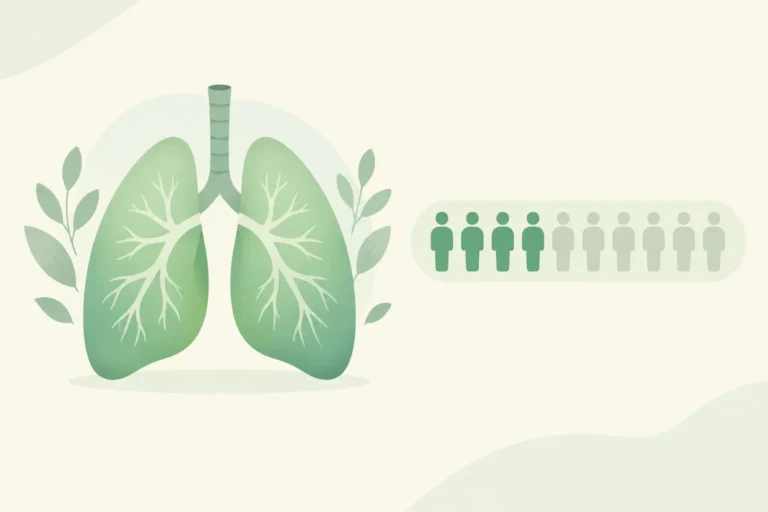
About 55% of smokers in the UK attempt to quit each year. Yet according to NHS data, only 14-18% of those attempts result in sustained abstinence at 12 months. That gap — between wanting to quit smoking for good and actually doing it — is not about willpower, weakness, or a lack of desire. It is about the biology of nicotine dependence, the predictable triggers that cause relapse, and whether the quitter has the right tools and strategies in place.
This guide explains the neuroscience of why nicotine addiction causes relapse, identifies the 6 most common relapse triggers, and gives you the research-backed framework to break the cycle for good.
The Neuroscience of Relapse
Nicotine addiction is primarily a neurological phenomenon. When nicotine binds to acetylcholine receptors in the brain, it triggers dopamine release — the reward signal that reinforces the behaviour. Over time, the brain upregulates nicotine receptors (creates more of them) and becomes dependent on nicotine to maintain normal dopamine function. When nicotine is removed, dopamine drops, producing the withdrawal symptoms and craving state that drive relapse.
The craving state is not just unpleasant. It is a neurological signal of the same type that governs hunger and thirst — it is designed by the brain to be compelling. Willpower alone asks the prefrontal cortex (rational decision-making) to override the limbic system (survival drives) — a contest the limbic system often wins under stress.
This is why treating addiction with willpower alone is like treating a broken leg with positivity: the underlying physical reality requires physical tools. The good news is that the brain does rewire. The upregulated nicotine receptors gradually downregulate after quitting. After 3 months of abstinence, brain receptor density in many areas has returned to near-normal. The dependency state diminishes over time — if you can prevent relapse long enough for this rewiring to occur.
When Do Most Relapses Happen?
Understanding the relapse timeline is critical for targeted prevention:
- Day 1-3: Highest risk window. Physical withdrawal is most acute. Nicotine clearance from the brain drives intense cravings. About 40% of failed quit attempts end in the first 72 hours.
- Week 1-2: High risk. The remaining major physical withdrawal window. Environmental triggers operating with full strength. Most cessation treatments are designed to cover this period.
- Weeks 3-12: Moderate risk. Physical withdrawal largely resolved. Psychological and situational triggers now dominate. Social occasions, alcohol, stress events are primary relapse causes in this window.
- Months 3-12: Lower but persistent risk. Occasional situational cravings. Highly stressful life events can trigger relapse even months after quitting.
The 6 Most Common Relapse Triggers
1. Stress and Emotional Arousal
Stress is the leading relapse trigger across virtually all quit smoking research. Nicotine’s short-term anxiolytic effect (it temporarily reduces anxiety by relieving nicotine withdrawal) creates a powerful association between stressful situations and the desire to smoke. Having an alternative stress response plan ready — and rehearsed — is non-negotiable.
2. Alcohol
Alcohol weakens inhibitory control and triggers smoking associations neurologically. It is implicated in a disproportionate share of relapses. CDC and NHS guidance both recommend avoiding alcohol during the first month of quitting. Many ex-smokers find they need to modify their drinking habits permanently to prevent drink-associated relapse.
3. Social Situations With Smokers
Being around smokers — particularly in settings where smoking is the social norm — creates both environmental cues and social pressure. Planning specific responses to offers of cigarettes, and having an exit strategy from high-risk social environments in the first weeks, significantly reduces this risk.
4. Boredom and Unstructured Time
Cigarettes fill time. Unstructured downtime — particularly in the evenings or during weekends — can be a powerful trigger, especially for people who smoked habitually throughout the day. Scheduling activities during high-risk free-time periods is as important as planning for stressful moments.
5. Low Mood or Depression
Up to 30% of smokers have a history of depression, and the nicotine withdrawal period can trigger or worsen depressive symptoms. Addressing the mental health component of quitting — through GP support, CBT, or targeted cessation programs — is particularly important for this group. The connection between quitting smoking and depression is explored in the dedicated guide.
6. Confidence in Abstinence
Paradoxically, feeling too confident after a period of successful abstinence can lead to relapse. “I’ve gone 3 months without smoking — I can have one cigarette socially” is one of the most common pathways to full relapse. Research on controlled smoking shows that for the vast majority of nicotine-dependent ex-smokers, “one cigarette” is not sustainable. This overconfidence is often fuelled by nostalgia rather than physical need — our piece on why you still miss smoking months later explains why that occasional pull persists long after withdrawal has ended, and why it is not a sign that testing it with a cigarette is safe.
Relapse Prevention Strategies That Work
- Extended NRT: Using NRT or medication for longer than the standard 8-12 weeks. Research shows extended use (up to 6 months) reduces relapse risk without significant downside risk.
- Anticipate high-risk events: Before a wedding, a stressful work period, a social event with smokers — prepare your craving response specifically for that context.
- Regular app engagement: Daily check-ins with a quit tracking app provide ongoing accountability and reinforce the non-smoker identity. The data from JMIR studies consistently shows that app engagement frequency correlates with abstinence rates.
- Mindfulness practice: Regular mindfulness practice builds the “pause and observe” capacity that prevents automatic relapse to the smoking response under stress.
- Ongoing physical activity: Maintaining the exercise habit established during the quit period sustains the dopamine regulation that compensates for nicotine loss.
What to Do Immediately After a Slip
A slip — one or two cigarettes — is not a relapse. It becomes one only if you treat it as one. Research on relapse dynamics shows that the “abstinence violation effect” — the psychological spiral from guilt to full relapse — is the primary mechanism by which a single cigarette becomes weeks of smoking.
Immediate post-slip protocol:
- Remove the remaining cigarettes from your possession immediately
- Identify what triggered the slip (time, place, emotion, who was present)
- Tell your accountability person the same day
- Restate your non-smoker identity: “I had a slip. I am still a non-smoker.”
- Reset your quit date to today — not some point in the future
- Assess whether your NRT approach needs adjusting based on what you learned
Quitting for Good: The Long-Term Framework
The phrase “quitting for good” implies a permanent identity shift, not a temporary behaviour change. Research on long-term abstinence consistently shows that ex-smokers who think of themselves as non-smokers — not as smokers in recovery — have significantly better outcomes. This identity consolidation typically happens gradually over the first 1-2 years.
The complete evidence-based quit smoking tips guide and the motivation and staying strong guide both address long-term maintenance strategies in detail.
Frequently Asked Questions
Is it possible to quit smoking permanently, or will the cravings always come back?
Yes — permanent cessation is entirely achievable, and millions of people have done it. Research shows that after 1-2 years of abstinence, most ex-smokers experience cravings as rare, brief, and easily managed. After 3-5 years, most ex-smokers report rarely or never experiencing cravings. The neurological rewiring that reduces dependency is real and permanent, as long as abstinence is maintained.
How long does nicotine dependence last after quitting?
Physical nicotine dependence resolves within weeks — nicotine receptor density normalises within 3-6 months of abstinence. Psychological dependence — the conditioned associations between situations and the desire to smoke — can persist for months to years but diminishes progressively with each smoke-free experience of those situations. Long-term ex-smokers describe cravings in high-risk situations as rare and easily dismissed.
What percentage of smokers successfully quit for good?
UK ONS data shows approximately 18% of smokers in any given year achieve 12-month abstinence. Over a lifetime, about 50% of smokers eventually quit permanently. In countries with strong cessation support services, these rates are higher. Long-term abstinence rates improve significantly when behavioural support is combined with pharmacological treatment compared to willpower alone (3-5% success at 12 months).
Quit Smoking for Good — With Daily Support from iQuit
The iQuit app provides the daily engagement, real-time craving support, and milestone tracking that research shows sustains long-term abstinence. It is designed not just for the first week, but for the full journey to genuinely quitting for good.