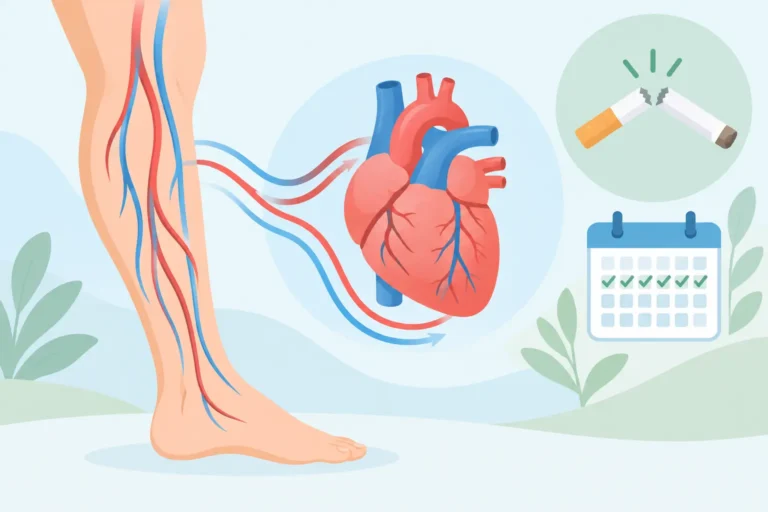

Quit Smoking Motivation: The Complete Guide to Staying Committed 2026
Staying motivated to quit smoking is not a character trait — it is a skill you can learn. If quit smoking motivation feels like it comes and goes, that is completely normal. Nicotine addiction is one of the most powerful behavioural dependencies known to medicine, and willpower alone was never designed to overcome it. What works is building the right emotional architecture around your quit: clear reasons, real strategies, and ongoing support that kicks in exactly when it matters. This guide covers everything you need to sustain your motivation from day one through your first year smoke-free.
Why Quit Smoking Motivation Fades (And What to Do About It)
Motivation is not a fixed resource you either have or do not have. It fluctuates based on neurochemistry, circumstances, and how much support you have in place. When you quit smoking, your brain’s dopamine system — which nicotine has been artificially stimulating — begins recalibrating. During this recalibration period, particularly in weeks 1–3, the brain produces less dopamine in response to ordinary pleasures. This is why everything can feel flat, grey, or joyless in early quitting. It is not a sign the quit is not working. It is a sign the brain is healing.
Understanding this helps you separate “I do not feel motivated” (a temporary neurochemical state) from “quitting is not working for me” (a conclusion you should not draw in week 2). Motivation will return — and return stronger than before smoking stole your baseline — but it needs support to bridge the gap.
Finding Your Deep Why
The research on cessation motivation is consistent: intrinsic reasons outperform extrinsic ones. Quitting to please your doctor or avoid nagging is less powerful than quitting because of something you genuinely care about. Your reasons need to be yours.
Common powerful motivators — ranked by how often they drive successful long-term quit attempts:
- Children and grandchildren: The desire to be healthy and present for them is the single most commonly cited motivation in successful quitters (Action on Smoking and Health, 2023)
- Health scare or diagnosis: A COPD diagnosis, cancer scare, or heart event creates urgency that can override craving impulses
- Financial cost: For many people, calculating the exact annual cost of smoking is enough — particularly when tied to a specific goal
- Partner or spouse: A relationship milestone (wedding, new baby) creates shared stakes
- Personal identity: The desire to see oneself as a healthy person, not a smoker
- Breathing and physical ability: The experience of being breathless doing things you used to do easily
Write your top three reasons down and keep them visible — in your phone notes, on a sticky note by the kettle, or as a wallpaper on your lock screen. During a craving, you need them accessible in under five seconds.
10 Proven Motivation Techniques That Work
1. Set a Specific Quit Date
Ambiguity kills motivation. “I will quit soon” is a thought, not a commitment. Choose a date within the next two weeks, mark it in your calendar, tell someone, and treat it as fixed. If you’re deciding when to start, timing matters too — our piece on why October is the best month to quit explains why so many successful quitters choose autumn.
2. Track Every Smoke-Free Hour
Watching a counter tick upward — hours, cigarettes not smoked, money saved — turns abstract progress into visible achievement. The iQuit app provides this in real time. Small numbers that grow consistently are more motivating than large milestones that feel distant.
3. Plan for Cravings, Not Just Success
Most motivation strategies focus on feeling good about quitting. But motivation is tested during cravings — not in comfortable moments. Pre-plan exactly what you will do during a craving: a specific 5-minute distraction, a breathing technique, a text you will send. See our guide on breathing exercises for cravings for practical techniques.
4. Use the 20-Minute Rule
Every nicotine craving peaks at 3–5 minutes and passes within 20 minutes whether you smoke or not. When motivation drops during a craving, your only job is to reach the 20-minute mark. Use a timer. Each craving you outlast is a victory — track them.
5. Reframe Relapses as Data, Not Failure
The average successful quitter makes 8–10 attempts before permanently quitting (WHO, 2022). Each attempt is practice. If you smoke a cigarette, analyse what triggered it and adjust — do not declare the whole quit failed.
6. Tell People Who Matter to You
Public commitment significantly increases follow-through. Tell people who will genuinely care, offer support, or hold you accountable — not people who will judge or minimise the effort.
7. Visualise Your Future Smoke-Free Self
Spend 2 minutes each morning imagining yourself in a specific future scenario you want — playing sport, enjoying a holiday, breathing easily on a long walk. This primes your brain’s motivational circuits around your quit goal before the demands of the day begin.
8. Build a Craving Support Network
Having one person you can text during a difficult craving moment significantly reduces relapse risk. This can be a partner, friend, or fellow quitter through an online support community. Isolation during cravings is a major risk factor for relapse.
9. Reward Milestone Days
Plan specific, tangible rewards for day 1, day 7, day 30, and day 90. Not generic treats — specific things you will actually look forward to. The reward should be funded by your cigarette savings where possible, to create a direct link between not smoking and gaining something desirable.
10. Track Your Health Recovery
One of the most reliable sources of sustained motivation is watching your body recover. After 20 minutes smoke-free, blood pressure normalises. After 8 hours, carbon monoxide levels halve. After 72 hours, breathing becomes noticeably easier. See our nicotine withdrawal guide for the full timeline — knowing what is happening inside your body makes each day feel purposeful.
Surviving the First Week: Motivation Under Pressure
Days 2–4 are the hardest of any quit attempt. Nicotine levels have dropped sharply, withdrawal peaks, and the brain is loudest in its demands for a cigarette. This is when motivation feels most abstract and craving feels most urgent.
Strategies specifically for this period:
- Accept that discomfort is temporary and meaningful — it means the quit is working
- Stay physically busy during peak craving windows (typically morning, after meals, and evenings)
- Use nicotine replacement therapy (patches, gum, or lozenges) if needed — motivation and NRT are not mutually exclusive
- Check your quit app multiple times a day — even brief engagement with your progress counter reinforces momentum
- Avoid high-risk situations (alcohol, social smokers) during the first 72 hours
See our step-by-step quit smoking plan for a full day-by-day guide through the first week.
Long-Term Motivation: Beyond 30 Days
At 30 days, the acute physical addiction is largely resolved. The challenge shifts from neurochemistry to habit and identity. Long-term motivation is about building a smoke-free identity — not just avoiding cigarettes, but becoming someone who does not smoke.
Key strategies for sustained motivation:
- Change the identity frame: Say “I do not smoke” rather than “I am trying to quit.” Identity-based framing predicts better long-term outcomes (James Clear, Atomic Habits framework; validated in health psychology literature)
- Mark your 3-month and 6-month milestones meaningfully: Do something specific to acknowledge how far you have come. The three-month mark deserves particular attention — motivation often dips hard around here even though the physical withdrawal is long over, and our guide to the three-month quit plateau explains why that dip happens and how to push through it
- Keep tracking, even passively: Even if you only open your quit app weekly by month 3, keeping that visible counter intact matters
- Prepare for psychological cravings: These can appear months or years later, triggered by stress, grief, or specific situations. Having a plan for these is different from managing physical withdrawal
What to Do When Motivation Completely Disappears
There will be days — usually around day 10–14, or after a major life stress — when motivation simply evaporates. This is normal and does not mean you should smoke. It means you need to change what you are doing, not your quit:
- Call the NHS Smokefree Helpline (0300 123 1044) or your country’s equivalent for professional support
- Read other people’s quit smoking success stories — hearing what others went through and came out of is a reliable motivation reset
- Look at your money saved counter — the financial reality can cut through emotional numbness
- Focus on the next 20 minutes only, not the rest of your life
Family and Social Support as Motivation
Quitting for your family — or with their support — is one of the most researched and validated motivational frameworks. Children of smokers are up to 3x more likely to smoke themselves (NHS, 2024), and secondhand smoke remains one of the most preventable causes of childhood respiratory disease globally. The impact of your quit extends far beyond your own health.
See our dedicated guide on quitting smoking for your family for strategies specifically around family-based motivation.
Using Progress Tracking to Sustain Motivation
Progress visibility is motivationally powerful because it transforms an invisible internal process (your body healing) into something you can see and reference. The best quit smoking apps make this their core function.
iQuit tracks your quit journey in real time — showing exactly how long you have been smoke-free, how much money you have saved, and what stage your health recovery is at. This combination of health, time, and financial progress is consistently more motivating than any single metric alone. Download iQuit on Google Play and start making your progress visible today.
FAQ
How do I stay motivated to quit smoking long term?
Long-term quit smoking motivation is sustained by identity-based thinking (“I am a non-smoker”), regular progress tracking, milestone rewards, and a support network. Shifting from “I am quitting” to “I do not smoke” changes your internal relationship with cigarettes and reduces craving responses over time.
What is the best reason to quit smoking?
The best reason to quit is the one most personal to you. Research shows intrinsic motivators — children, health, identity — produce better long-term outcomes than extrinsic ones like doctor pressure. Write down your top three reasons and keep them visible throughout your quit.
Why does quit smoking motivation disappear in the second week?
Week 2 is often harder motivationally than week 1 because the initial adrenaline of quitting has worn off, while nicotine withdrawal is still active. The brain’s dopamine system is recalibrating, which reduces general pleasure and can cause low mood. This is temporary and typically resolves by weeks 3–4.
Can an app help with quit smoking motivation?
Yes. Quit smoking apps like iQuit provide real-time progress visibility, milestone tracking, and health recovery timelines that serve as daily motivation anchors. Studies show app users who check in daily have significantly higher 3-month abstinence rates than those who do not use apps or use them passively.
What should I do if I relapse while trying to quit smoking?
Do not treat a relapse as failure — treat it as data. Identify what triggered the relapse, adjust your strategy accordingly, and set a new quit date as soon as possible. The average successful quitter makes multiple attempts. What matters is continued effort, not a perfect first attempt.
How long does it take for motivation to return after quitting?
Most people find motivation becomes more stable after 3–4 weeks as dopamine levels normalise. The acute low-motivation phase correlates with the peak of nicotine withdrawal, which typically resolves by the end of week 3. After 30 days smoke-free, most quitters report significantly improved mood and motivation.
Make Your Motivation Visible
iQuit shows you exactly how long you have been smoke-free, how much you have saved, and what is happening inside your body right now. When motivation gets hard, open the app and see your progress. Download free today.