Quit Smoking After the New Year: Why January Is the Perfect Time to Quit in 2026
Millions of smokers make the same resolution every January: this year, I will quit. If you are one of them — whether it is still January or you have been carrying the intention for months — this guide is for you. Quitting smoking in 2026 is more achievable than ever, and the science of “fresh start” psychology confirms that there genuinely is something powerful about a new beginning. What matters is not when you start — it is how.
This guide translates the best cessation evidence into an actionable plan for anyone ready to make 2026 the year they quit for good.
The Psychology of the Fresh Start: Does Timing Help?
Research published in Psychological Science by Hengchen Dai and colleagues found that people are significantly more likely to pursue goals at temporal landmarks — new year, new month, new week, birthdays. This “fresh start effect” works by creating a psychological separation from past failures: “That was the old me. This is the new me.”
For smoking cessation, the mechanism is valuable: it reduces the weight of past failed quit attempts and creates a heightened sense of agency. If your New Year intention energises you, use that energy. Set your quit date now, choose your cessation support, and commit publicly.
What matters most is not January specifically, but having a structured plan and using evidence-based support from day one. A structured quit plan built on clinical evidence produces 2x higher success rates than a motivated but unplanned attempt.
Your 2026 Quit Plan: Setting Up for Success
If you are committed to quitting in 2026, here is a rapid setup protocol:
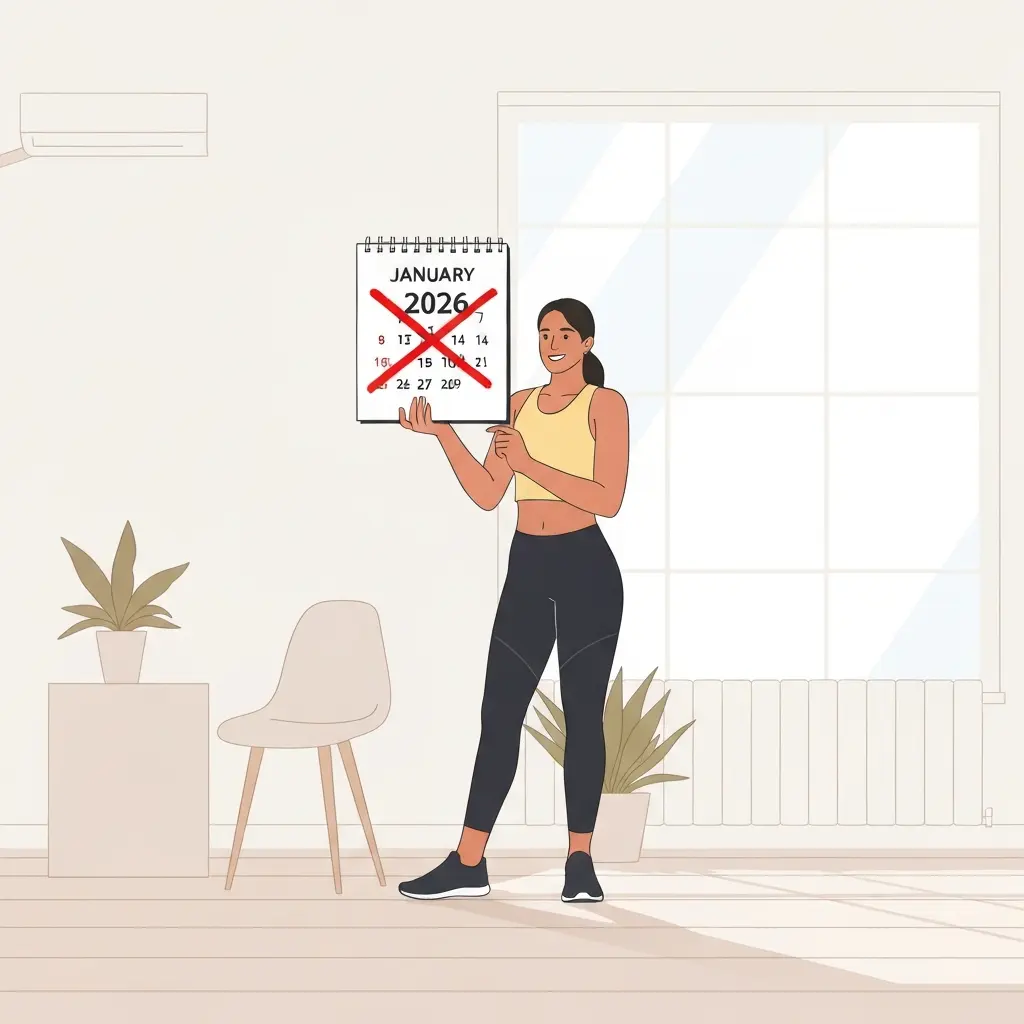
- Set your quit date today: Choose a date 7–14 days from now. Mark it in your calendar. Tell 3 people.
- Book a GP appointment: Discuss NRT or varenicline. NHS Stop Smoking Service referrals are available from any GP and dramatically improve outcomes.
- Download a quit app: Install iQuit or another evidence-based quit app today, not on your quit date. Explore it before you need it so you know how to use it under pressure.
- Do your trigger audit: Spend 15 minutes listing your personal smoking triggers and writing a planned response for each one.
- Prepare your environment: On the evening before your quit date, remove all cigarettes, lighters, and ashtrays from your home and car.
The First Month: Week by Week
| Week | Focus | Key Actions |
|---|---|---|
| Week 1 | Survive physical withdrawal | Use NRT proactively; daily app check-ins; celebrate every milestone |
| Week 2 | Build new habits | Physical symptoms easing; identify your replacement routines; book 2-week GP check-in |
| Week 3 | Manage psychological cravings | Continue trigger avoidance; use app coaching for situational cravings; exercise daily |
| Week 4 | Celebrate and plan ahead | 1-month milestone: reward yourself meaningfully; plan for high-risk upcoming situations |
Avoiding the Most Common Failure Points
New Year quitters face specific failure patterns:
- Stopping NRT too early: Many quitters stop NRT after 2–3 weeks when they feel better. Use the full 8–12 week course.
- The “just one” at a social event: January includes birthday celebrations, work events, and social occasions. Plan your refusal strategy in advance. One cigarette reactivates addiction for many people.
- Underestimating stress triggers: January often brings financial stress (post-Christmas), work pressure, and weather-related mood effects. Build your stress management toolkit before you need it.
- Abandoning the plan after a slip: If you slip, use your app, reach out to your accountability partner, and recommit immediately. A slip is not the end of your quit.
Understanding how to track your progress and stay motivated through the inevitable challenges of a long quit journey is the same discipline that drives success in complex long-term endeavours — whether that is completing a major academic project or achieving lasting behaviour change. The tools for sustained engagement are the same: milestones, data, accountability, and a clear sense of purpose.
Frequently Asked Questions
Is January a good time to quit smoking?
January offers a genuine psychological advantage through the “fresh start effect” — the heightened sense of possibility at temporal landmarks that makes goal initiation easier. Research confirms this effect is real, not just cultural mythology. However, the timing matters far less than the quality of your quit preparation. A well-supported quit in March will outperform an unplanned cold-turkey January quit every time.
How do I stop smoking if I’ve already failed my New Year resolution?
Set a new quit date immediately — today if possible. Use the relapse as data: what triggered the slip? What support was missing? This time, build in the support that was absent last time. A January relapse with a supported February attempt using NRT and an AI coaching app has significantly better odds than another unassisted attempt. The calendar date matters far less than the quality of the plan.
What is the success rate for New Year quit smoking resolutions?
Approximately 8–10% of New Year quit smoking resolutions result in 12-month abstinence when attempted without support — similar to baseline cold turkey quit rates. With full combination support (NRT + app + GP involvement), success rates rise to 25–40% regardless of start date. The resolution is the seed; the support is what determines whether it grows.
Sources: Psychological Science — Fresh start effect (Hengchen Dai et al.); NHS quit smoking January data; CDC New Year cessation statistics; Cochrane Review — Supported vs unsupported quit attempts 2023.