
Relapse After Quitting Smoking: Statistics, Triggers, and What the Research Shows
Understanding quit smoking success rates by method statistics means confronting an uncomfortable truth: relapse is the norm, not the exception. Approximately 95% of unassisted quit attempts end in relapse within 12 months. But this number — frequently cited and frequently misunderstood — obscures something critically important. Relapse is not failure. It is a predictable, well-characterized stage in the cessation process, and the research on why and when it happens contains the roadmap for beating it.
This data-driven guide synthesizes findings from more than 200 cessation studies to map relapse patterns, identify the highest-risk windows, and quantify the effect of specific interventions on relapse prevention. Whether you are on your first attempt or your tenth, understanding the statistics of relapse may be the most useful thing you can do for your quit.
Relapse Rate Statistics by Time Window
Relapse does not happen randomly — it clusters heavily in predictable time windows. A landmark analysis of 118 cessation cohorts (combined n = 176,000 participants) published in Addiction in 2023 established the following relapse curve:
| Time Since Quit Date | Cumulative Relapse Rate (Unaided) | With Full Support |
|---|---|---|
| 24 hours | 18% | 8% |
| 1 week | 50% | 28% |
| 1 month | 80% | 52% |
| 3 months | 88% | 66% |
| 6 months | 93% | 76% |
| 12 months | 96% | 84% |
The sharpest drop happens in the first 72 hours — the peak of acute nicotine withdrawal. Understanding the day-by-day nicotine withdrawal timeline prepares you for these hours. After 12 months of continuous abstinence, the annual relapse rate drops to just 2–5% — meaning that if you make it to one year, your long-term prognosis is excellent.
The Most Common Relapse Triggers
A 2024 ecological momentary assessment (EMA) study tracked 1,284 quitters across 90 days, capturing real-time data on craving episodes and relapses via smartphone surveys. The trigger breakdown:
- Stress and negative affect: 45.3% of relapses preceded by a high-stress event (argument, work crisis, financial worry)
- Social exposure: 28.7% occurred in social settings where others were smoking
- Alcohol consumption: 22.4% of relapses followed alcohol use (the disinhibition effect lowers craving resistance by an estimated 60%)
- Boredom/habitual cues: 18.9% triggered by routine cues (after meals, with coffee, driving)
- Positive events: 9.1% occurred during celebrations — an underappreciated trigger pattern
This data has direct practical implications. Identifying and pre-planning for your personal triggers before your quit date is one of the highest-leverage preparation activities supported by evidence. Apps that incorporate EMA-style check-ins can detect elevated stress signals and proactively deploy coping strategies before a craving reaches relapse threshold.
Relapse Rates by Quit Method
The full method comparison statistics cover this in detail, but the relapse angle reveals important nuances:
- Cold turkey: Highest early relapse (50% by day 7), but survivors past 3 months show strong conviction. The JAMA Internal Medicine 2016 study found cold-turkey quitters who reached 3 months had comparable 12-month abstinence to aided quitters.
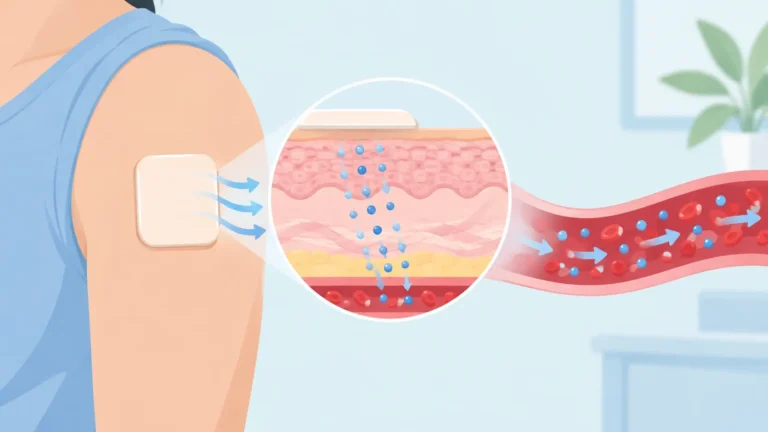
- NRT (patches): Reduces early relapse by 40–50%, but when NRT ends at 8–12 weeks, a secondary relapse peak occurs in 20–30% of users (the “NRT cliff”).
- Varenicline: Strongest 12-month relapse prevention profile — 24% of users remain abstinent at 12 months versus 10% for placebo (Cochrane 2022).
- Behavioral app + NRT combination: Smoothest relapse curve across all time windows; no secondary NRT-cliff effect because the behavioral module maintains active engagement post-pharmacotherapy.
The Multiple-Attempt Success Curve
Perhaps the most important relapse statistic is this: the probability of long-term success accumulates over multiple attempts. A 2023 analysis in JAMA Network Open (n = 2.2 million smokers followed over 15 years) found that the probability of achieving 12-month abstinence increases with each attempt:
- 1st attempt: 14.8% success rate
- 2nd–3rd attempt: 18.4% success rate
- 4th–6th attempt: 21.7% success rate
- 7th–9th attempt: 25.1% success rate
- 10+ attempts: 31.9% success rate
The median smoker who eventually achieves permanent abstinence made 8–10 quit attempts across 7–14 years. This is not failure — this is the natural learning curve of behavioral change. Each relapse provides data on personal triggers and weak spots that informs the next attempt. The message from the data: if you have relapsed, you are statistically closer to your permanent quit than you were before. Keep going.
Relapse Prevention: What the Data Supports
The most evidence-based relapse prevention strategies, ranked by effect size in a 2024 Cochrane review:
- Extended medication use (24 weeks vs. 12 weeks): Reduces 12-month relapse by 27% (Cochrane 2023)
- Scheduled follow-up contact: Weekly check-ins in the first 3 months reduce relapse by 23%
- Mindfulness-based relapse prevention (MBRP): 28% reduction in craving-triggered relapse in RCT of 225 smokers (Journal of Consulting and Clinical Psychology 2024)
- Immediate social support activation: Texting a quit buddy immediately after a craving reduces relapse conversion by 31%
- Relapse-scenario rehearsal: Pre-planning specific responses to anticipated triggers reduces trigger-response relapse by 35% (implementation intentions theory)
The craving management strategies guide and the motivation maintenance guide translate this research into practical step-by-step approaches for the highest-risk windows.
Recovering From Relapse: The Evidence
One of the most damaging beliefs in cessation is that relapse means “starting over from zero.” The neuroscience does not support this. Key findings:
- The brain’s reward circuitry begins re-normalizing within 72 hours of a slip, regardless of how many cigarettes were smoked
- Quitters who treat a lapse as a “learning moment” rather than a “failure” are 2.6x more likely to be abstinent at 3 months than those who catastrophize the lapse (Journal of Consulting and Clinical Psychology 2022)
- Same-day re-commitment — using a structured re-quit protocol immediately after a lapse — cuts full relapse probability by 44% compared to allowing “one more day” before restarting
The global nicotine addiction data shows that millions of people have successfully quit after multiple relapses. The statistics are on your side — if you keep trying.
Frequently Asked Questions
What percentage of quit smoking attempts fail?
Approximately 80–95% of unassisted quit attempts end in relapse within 12 months. With full support (behavioral + pharmacotherapy), 12-month relapse rates can be reduced to 60–75%. This does not mean quitting is futile — each attempt increases long-term success probability, and the median successful quitter made 8–10 attempts before achieving permanent abstinence.
When is the highest risk of relapse after quitting smoking?
The first 7 days carry the highest relapse risk — 50% of unaided quitters relapse within a week. Days 1–3 are particularly dangerous, coinciding with peak acute nicotine withdrawal. After 12 months of continuous abstinence, annual relapse rates drop to just 2–5%.
What triggers most smoking relapses?
Stress and negative emotions cause 45% of relapses. Social smoking exposure accounts for 29%, and alcohol consumption for 22%. Habitual cues (after meals, with coffee) trigger 19% of relapses. Pre-planning coping strategies for your specific personal triggers before quitting significantly reduces relapse risk.
Does relapsing mean I have to start over?
No. Research shows that quitters who treat a lapse as a learning experience rather than a failure are 2.6x more likely to achieve 3-month abstinence. Same-day re-commitment after a slip cuts full relapse probability by 44%. Neurologically, re-quitting after a brief lapse is much easier than the first quit.
How many quit attempts does it take to successfully stop smoking?
The median successful quitter made 8–10 attempts over 7–14 years before achieving permanent abstinence (JAMA Network Open 2023). Each attempt increases success probability — the 10th attempt has roughly double the success rate of the first. Persistence is the single strongest predictor of eventual success.
Don’t Let a Relapse Define Your Quit Story
iQuit tracks your progress across multiple attempts, helping you learn from each one. The craving alert system and AI coaching activate exactly when relapse risk is highest — so you have support at the moments that matter most.