
What Happens When You Quit Smoking: The Complete Science-Backed Guide for 2026
What happens when you quit smoking is one of the most profound biological transformations your body will ever experience. Within 20 minutes of your last cigarette, your heart rate begins to drop. Within a year, your risk of heart disease is cut in half. And within 15 years, your risk of dying from a smoking-related cause approaches that of someone who never smoked at all. This guide walks you through the entire journey — the difficult early hours, the challenging first weeks, and the extraordinary long-term rewards — all grounded in evidence from the WHO, NHS, and CDC.
Every year, around 1.3 billion people smoke tobacco worldwide, and approximately 750 million want to quit. The science of what actually happens inside your body when you stop is both humbling and inspiring. Understanding these changes is one of the most powerful motivational tools available to anyone on the quitting journey.
The First 20 Minutes to 24 Hours: Immediate Changes
The speed of recovery after quitting smoking surprises most people. The body does not wait patiently — it begins repairing itself within minutes of the last cigarette.
20 Minutes After Quitting
Your heart rate and blood pressure — both elevated by nicotine’s stimulant effects — begin to drop toward normal levels. Nicotine causes the release of adrenaline, which constricts blood vessels and raises heart rate. Once nicotine stops arriving, this effect begins to reverse. According to the NHS, this is one of the fastest measurable health benefits of stopping smoking.
2 Hours After Quitting
Nicotine has a half-life of approximately 2 hours in the blood. This means that within 2 hours of your last cigarette, nicotine levels have already dropped by half — and withdrawal symptoms may start to emerge for the first time. You might notice mild irritability, a slight headache, or an urge to smoke. This is the beginning of the physical withdrawal process.
12 Hours After Quitting
Carbon monoxide — a poisonous gas in cigarette smoke — has been leaving your blood since your last cigarette. At the 12-hour mark, carbon monoxide levels in your blood have normalised. This allows your red blood cells to carry significantly more oxygen. The CDC notes that carbon monoxide poisoning from smoking causes measurable reductions in athletic and cognitive performance — all of which begin to reverse after 12 hours.
24 Hours After Quitting
Your risk of a heart attack begins to decrease. Smoking dramatically increases short-term cardiac risk by increasing heart rate, blood pressure, and platelet stickiness (the tendency for blood clots to form). After 24 hours tobacco-free, all three of these risk factors begin to normalise. The American Heart Association confirms that even one smoke-free day reduces cardiac risk in the immediate term.
Days 2–7: The Peak of Withdrawal
The first week is universally acknowledged as the hardest. Nicotine withdrawal symptoms — now well-documented in the DSM-5 — peak around days 2–3 and typically last 3–4 weeks, though the intensity fades progressively.
What to Expect in Week 1
- Intense cravings: Each craving lasts only 3–5 minutes, though they may feel longer
- Irritability and anxiety: Without nicotine’s calming effect, the brain’s reward circuits signal distress
- Difficulty concentrating: Nicotine normally boosts acetylcholine and dopamine — their absence creates mental fog
- Sleep disruption: Vivid dreams and insomnia are common; nicotine was suppressing REM sleep
- Increased appetite: Nicotine suppresses appetite and raises metabolic rate — both effects reverse after quitting
- Headaches: Blood flow patterns in the brain change as vessels dilate without nicotine’s constrictive effects
The CDC identifies seven primary withdrawal symptoms: cravings, irritability, trouble sleeping, difficulty concentrating, increased appetite, anxiety, and restlessness. Crucially, none of these are dangerous — they are all signs that the body is recalibrating.
By Day 5, nicotine levels in the blood have dropped to zero. This is often the lowest point emotionally — but it is also the turning point. From Day 5 onward, the physical withdrawal begins to ease.
Why You Might Feel Worse Before You Feel Better
Many quitters are caught off guard when they feel worse on Day 3 than they did on Day 1. This is expected. The brain, accustomed to regular nicotine hits to trigger dopamine release, is now managing without that stimulus. As a result, the brain’s baseline reward system temporarily underperforms — creating feelings of flatness, sadness, or agitation. This is the neurological basis of early withdrawal, and it resolves as the brain recovers.
Weeks 2–4: The Body Rebuilding
By the second and third week, the acute phase of nicotine withdrawal is winding down. Physical symptoms ease significantly, though psychological triggers — seeing someone smoke, stress, alcohol — remain powerful.
Circulation Improving
Between 2 and 12 weeks after quitting, blood circulation improves throughout the body. This manifests as warmer hands and feet, reduced numbness in the extremities, and improved sexual function. Peripheral arterial disease — narrowing of the arteries in the legs — begins to reverse. Physical exercise becomes noticeably easier as circulation carries oxygen more efficiently to muscles.
Skin and Appearance
Within the first month, skin begins to look healthier. Smoking restricts blood vessels in the skin, causing premature ageing, pallor, and reduced skin elasticity. As circulation improves, skin tone normalises. Studies published in the British Medical Journal have shown that former smokers look visibly younger than those who continue smoking, even within the first few months of cessation.
Taste and Smell Return
Smoking damages the taste buds and olfactory receptors. Within 1–2 weeks of quitting, taste and smell begin to recover. Many former smokers report being surprised by the intensity of flavours they had forgotten — a rewarding and sometimes unexpected bonus of quitting.
1–3 Months: Lung Recovery Begins in Earnest
This is the phase where lung health becomes noticeably, measurably better. The lungs have a remarkable capacity for self-repair once the constant assault of tobacco smoke stops.
Cilia Regrowth
The airways of the lungs are lined with tiny hair-like structures called cilia, whose job is to sweep mucus and debris upward and out of the airways. Smoking paralyses and ultimately destroys cilia. After quitting, cilia begin to regrow and regain function within 1–3 months. This is why many quitters experience an increase in coughing during this phase — the recovering cilia are clearing months or years of built-up mucus and debris. This is the lungs cleaning themselves.
Lung Function Improvements
According to the American Lung Association, lung function improves by up to 10% within 3 months of quitting. For people with COPD, the improvement may be slower, but the rate of decline in lung function slows immediately upon quitting. For otherwise healthy former smokers, 3 months marks the beginning of a sustained recovery arc that continues for years.
Respiratory Infections Decrease
Smoking impairs the immune response in the airways, making smokers far more susceptible to respiratory infections. Within 3 months of quitting, this immune vulnerability begins to resolve. Fewer colds, less bronchitis, and reduced sinus infections are among the benefits reported by former smokers in the first quarter-year of cessation.
6–12 Months: Heart Risk Transforms
9 Months: Lungs Substantially Cleared
By 9 months, the cilia in the lungs have substantially regrown and are working efficiently. Chronic cough, shortness of breath, and mucus production have all decreased significantly in most former smokers. The lungs’ natural defences are operating at near-normal capacity.
12 Months: Heart Disease Risk Halved
This is one of the most cited statistics in smoking cessation medicine: after one year of not smoking, the risk of coronary heart disease is cut by 50% compared to a smoker’s risk. This remarkable fact is documented across multiple large-scale studies and confirmed by both the WHO and the NHS. The heart — perhaps the organ most damaged by smoking on a day-to-day basis — shows dramatic improvement within just one year.
The mechanisms behind this are multiple. Inflammation markers decrease. Blood platelet stickiness normalises. Blood pressure and heart rate stabilise. The endothelium (the lining of blood vessels) begins to heal. All of these combine to dramatically reduce cardiovascular risk.
5–15 Years: The Long Game
5 Years: Stroke Risk Equals a Non-Smoker’s
Between 5 and 15 years after quitting, the risk of stroke falls to the same level as someone who has never smoked. Smoking causes stroke by accelerating atherosclerosis (arterial plaque), raising blood pressure, and increasing blood clot formation. All three of these mechanisms reverse over the five-year period following cessation.
10 Years: Lung Cancer Risk Halved
At the 10-year mark, the risk of dying from lung cancer is roughly half that of a continuing smoker. This is one of the most powerful statistics in cessation medicine. The risk of cancers of the mouth, throat, oesophagus, bladder, kidney, and pancreas also decreases significantly by this point. The body has been rebuilding its cellular defences and repairing DNA damage throughout this decade.
15 Years: Heart Disease Risk at Non-Smoker Level
After 15 years of not smoking, the risk of coronary heart disease is equivalent to that of someone who has never smoked. This landmark, documented in the famous British Doctors Study by Doll et al. (BMJ, 2004), represents the complete cardiovascular recovery from a lifetime of smoking. The body is extraordinarily resilient when given the chance to heal.
What Happens to Your Brain When You Quit Smoking
The brain changes from quitting smoking are substantial and often overlooked in discussions focused on the lungs and heart. Nicotine is a powerfully addictive substance precisely because of what it does to the brain — and recovery involves a full neurochemical recalibration.
Dopamine System Recovery
Nicotine triggers the release of dopamine — the brain’s primary “reward” molecule. With regular smoking, the brain adapts by downregulating its own dopamine receptors, becoming less responsive to natural rewards. After quitting, this process reverses. Within 3–4 weeks, dopamine receptor density begins to normalise, and everyday activities — food, exercise, social interaction — start feeling rewarding again. Research from Penn State University found that individual differences in the brain’s reward circuits are a significant predictor of who will successfully quit smoking.
Memory and Concentration
After the initial fog of the first 2 weeks, cognitive function improves substantially. Former smokers typically report better memory, improved ability to concentrate, and enhanced executive function by the one-month mark. The brain, freed from the constant stimulation-withdrawal cycle, regulates attention and memory more efficiently.
Anxiety: Getting Worse Before It Gets Better
Many smokers believe cigarettes relieve anxiety. The reality is more nuanced: smoking relieves the anxiety created by nicotine withdrawal. Within a few months of quitting, background anxiety levels typically fall below those of active smokers, because the addiction cycle itself is the primary source of the anxiety. The NHS evidence review on mental health and smoking cessation confirms that quitting smoking improves long-term mental health outcomes for the majority of people.
Managing the Difficult Symptoms
Knowing what to expect does not make the difficult phases easy — but it helps enormously to understand that every symptom is temporary and purposeful. The following strategies are supported by NHS and CDC evidence:
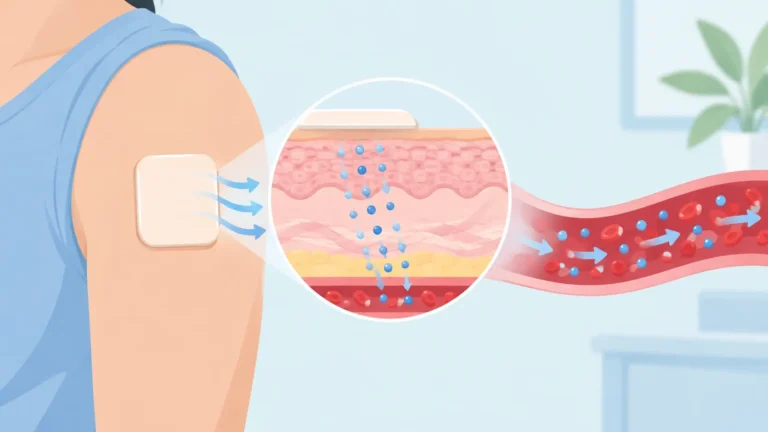
- Nicotine Replacement Therapy (NRT): Patches, gum, lozenges, inhalers, and nasal sprays all reduce withdrawal severity by providing controlled nicotine without the toxins of tobacco smoke. Cochrane reviews across 136 trials confirm NRT improves quit rates by 50–70%.
- Prescription medications: Varenicline (Champix/Chantix) and bupropion have the strongest evidence base for pharmacological support, with the EAGLES trial (JAMA 2016) showing varenicline significantly outperforms NRT.
- Behavioural support: Combining pharmacotherapy with counselling (in-person, telephone, or digital) produces the highest quit rates — up to three times higher than going it alone.
- Quit smoking apps: Digital tools provide 24/7 support, craving trackers, and milestone tracking. The iQuit app combines progress tracking, craving logs, AI coaching, and financial savings tracking in one place.
- Exercise: Multiple studies show that even brief exercise (a 5-minute walk) significantly reduces craving intensity during the acute withdrawal phase.
Tools That Help You Through Every Stage
The most effective approach to quitting combines pharmacological support, behavioural strategy, and digital tools. Using a quit smoking app like iQuit allows you to track your progress through each of the stages described in this guide — seeing real-time updates of carbon monoxide clearing, heart rate normalising, and money saved accumulating.
Other resources worth knowing about:
- NHS Stop Smoking Service: Free expert support via telephone, group, or one-to-one sessions
- Smokefree.gov (CDC): Text messaging, quitline (1-800-QUIT-NOW), and free apps
- Quitline (Australia): 13 7848 — free coaching and support
For more on managing specific aspects of quitting, read our articles on managing cigarette cravings, the nicotine withdrawal timeline, lung recovery after quitting, and staying motivated when quitting.
Frequently Asked Questions
How quickly do you feel better after quitting smoking?
You will feel some immediate benefits within hours: blood pressure and heart rate drop within 20 minutes, and carbon monoxide clears within 12 hours. However, the physical withdrawal symptoms (cravings, irritability, difficulty sleeping) tend to peak around days 2–3 before easing. Most people report feeling genuinely better — with more energy, improved breathing, and reduced anxiety — within 3–4 weeks of quitting. Significant lung improvements are measurable within 3 months.
What happens to your lungs when you quit smoking?
Within 1–3 months, the cilia (tiny hair-like structures) in your airways begin to regrow and function again — clearing the mucus and debris that smoking left behind. This causes a temporary increase in coughing, which is actually a sign of healing. Lung function improves by up to 10% within 3 months, and continues improving over years. By 10 years after quitting, the risk of dying from lung cancer is roughly half that of a continuing smoker.
Is it normal to feel more anxious after quitting smoking?
Yes, it is very common to experience heightened anxiety in the first 1–2 weeks after quitting. This is because nicotine was artificially managing the anxiety it was creating through the addiction cycle. As your brain recalibrates, background anxiety levels typically fall below those of active smokers within a few months. Research consistently shows that quitting smoking improves long-term mental health and reduces anxiety overall.
How long does nicotine withdrawal last?
Physical nicotine withdrawal symptoms typically peak around days 2–3 after quitting and begin to ease within 3–4 weeks. By the 4-week mark, most physical symptoms have substantially resolved. However, psychological triggers (stress, social situations, certain places) can trigger cravings for months or even years — though these become much less frequent and intense over time. Using NRT or prescription medication significantly reduces the severity and duration of withdrawal.
What happens to heart health after quitting smoking?
Heart health improves dramatically after quitting smoking. Within 24 hours, the risk of a heart attack begins to decrease. After one year, the risk of coronary heart disease is cut by 50% compared to a continuing smoker. After 15 years, heart disease risk reaches the level of someone who has never smoked. These are among the most striking findings in smoking cessation research and represent one of the most compelling reasons to quit at any age.
Does quitting smoking help if you have already smoked for decades?
Yes, absolutely. Multiple large studies — including the famous British Doctors Study — show that quitting at any age reduces mortality and improves health outcomes compared to continuing smoking. Quitting at 60 still significantly reduces cancer and heart disease risk. Quitting at 40 reduces the risk of smoking-related death by approximately 90%. The body is extraordinarily resilient and continues to repair itself at any age. It is never too late to quit.
Ready to Start Your Recovery? Track Every Stage with iQuit
The iQuit app tracks your quit journey in real time — showing you exactly which health milestones you have passed, how much money you have saved, and giving you AI-powered coaching through every withdrawal symptom. Join thousands of people who have used iQuit to quit for good.