Allen Carr Method Explained: How Easyway Works and What the Science Says (2026)
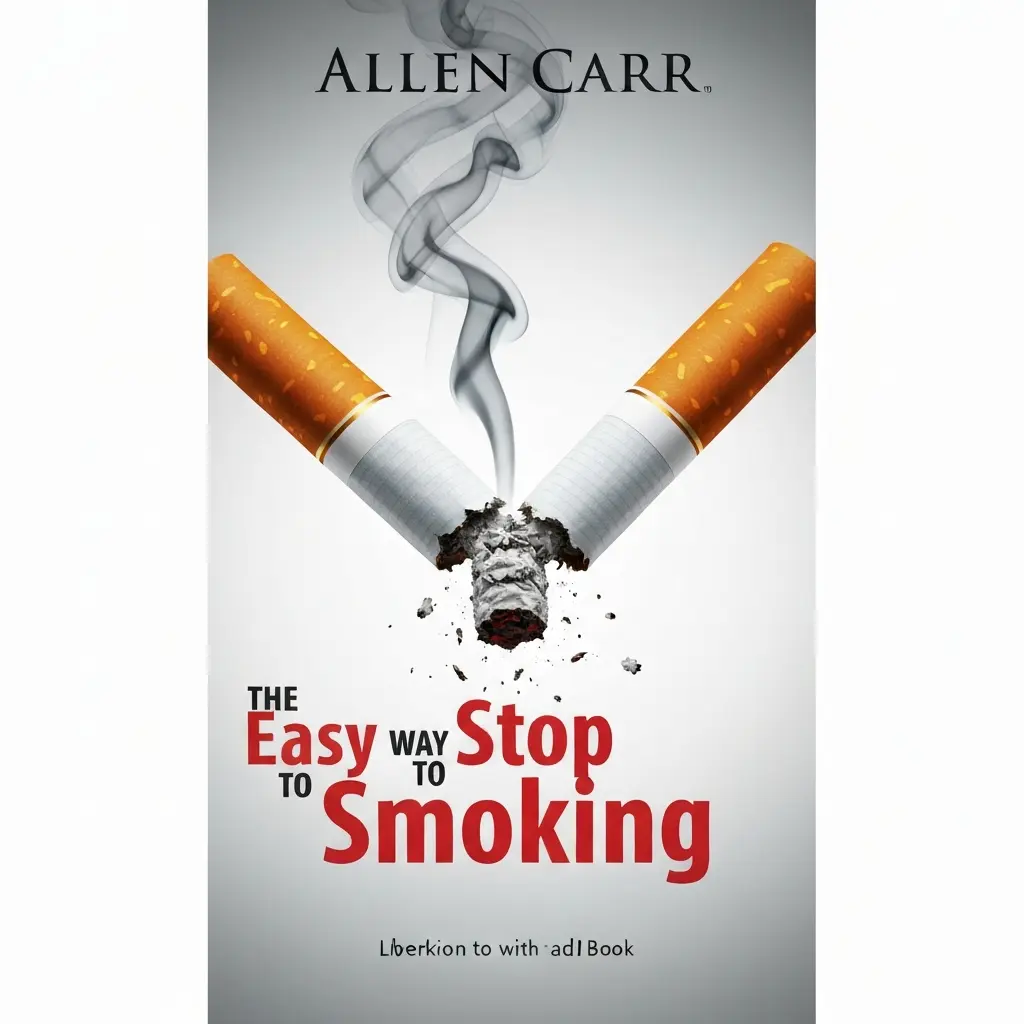
The Allen Carr method — officially called Easyway — is one of the most unusual success stories in smoking cessation. Allen Carr quit a 100-cigarette-a-day habit in 1983 using an insight he developed himself, then spent the rest of his life teaching others how to do the same. His book “The Easy Way to Stop Smoking” has sold over 15 million copies. Seminars based on his method run in over 50 countries. And the method does not use willpower, nicotine replacement, medication, or hypnosis in the traditional sense.
So what is actually happening when someone reads the book or attends the seminar? And what does the clinical evidence say about whether it works? This guide explains the mechanics of the Allen Carr method from both the practitioner’s perspective and through the lens of modern cessation research.
The Core Premise: Why Willpower Methods Fail
Allen Carr’s central insight is that conventional quit attempts fail because they treat quitting as a sacrifice. They tell smokers to “resist” cigarettes, to “be strong”, to “fight the urge”. This framing inadvertently reinforces the belief that cigarettes provide some genuine benefit — pleasure, relaxation, stress relief — that you are giving up. You become a non-smoker who is constantly white-knuckling through life, missing what you have “lost”.
Carr’s argument is that cigarettes provide no genuine benefit whatsoever. The feeling of relaxation from a cigarette is simply the temporary relief of nicotine withdrawal — the same sensation a non-smoker has all the time without needing to smoke. The perceived stress relief is the removal of the stress that nicotine addiction itself creates. Every benefit smokers attribute to smoking is an illusion created by the addiction.
If this is true — and the neurochemistry largely supports it — then quitting is not a sacrifice. It is escaping a trap. And you do not need willpower to escape a trap once you understand it is a trap.
How Easyway Actually Works
Easyway delivers this insight through a carefully structured argument that dismantles each belief smokers hold about why they smoke:
- Stress relief myth: Nicotine withdrawal creates stress; smoking temporarily relieves that stress. Non-smokers have lower baseline stress levels. Smoking creates the “stress relief” it appears to provide.
- Pleasure myth: The pleasure of smoking is simply the relief of withdrawal symptoms. It is not a positive experience — it is the removal of a negative one that the addiction created.
- Concentration myth: Nicotine withdrawal impairs concentration. Smoking “fixes” concentration that smoking impaired. Non-smokers concentrate better on average.
- Boredom/social myth: Smokers use cigarettes as a social prop or boredom antidote. The method argues that without the addiction, these situations become fine without cigarettes — as they are for non-smokers.
- Weight control myth: The method addresses the belief that smoking suppresses appetite and quitting causes weight gain, explaining why this occurs and how to prevent it.
By the end of the book or seminar, the aim is not that you are “resisting” cigarettes — it is that you genuinely no longer want them, because you understand that they provide nothing. You smoke your last cigarette during the seminar or at the end of the book without feeling deprived.
The Book vs the Seminar
There are two main formats:
The Book (“The Easy Way to Stop Smoking”)
A 2012 randomised controlled trial published in Addiction found that smokers using the Easyway book had a 12-month abstinence rate of approximately 12–13% — significantly better than willpower alone (3–5%), and comparable to some NRT approaches. The key instruction: keep smoking while reading the book, and smoke your last cigarette at the specific point in the book where Carr instructs you to.
In-Person Group Seminars
The seminar format, which combines the cognitive work of the book with a trained facilitator and group environment, typically shows higher success rates. Some seminar providers report immediate quit rates of 50%+ at the end of sessions — though long-term follow-up rates are more modest. Two RCTs of the in-person seminar format were sufficient to gain NHS approval for use in the NHS stop smoking service.
Online Programmes
Allen Carr’s Easyway now offers online video programmes that replicate the seminar format at lower cost (~£49–£99). These have not been as rigorously studied as the in-person format but appear to produce comparable outcomes based on user completion and feedback data. They come with a money-back guarantee if you are not smoke-free at the end.
Clinical Evidence and Research
A 2023 systematic review published in PMC / Tobacco Prevention & Cessation reviewed available evidence for Allen Carr’s Easyway and concluded it may be an effective smoking cessation intervention. The review identified two RCTs that supported NHS approval of the in-person seminar, with additional observational studies supporting the book format.
The reviewers noted the need for more large-scale RCTs with long-term follow-up, but the existing evidence base was sufficient to place Easyway alongside evidence-based cessation options rather than in the category of unproven alternatives. The NHS now includes Allen Carr seminars as an option through some stop smoking services.
Realistic Success Rates
| Format | 12-Month Abstinence Rate | Evidence Source |
|---|---|---|
| Allen Carr book | 12–13% | RCT (Addiction, 2012) |
| In-person seminar | ~20–25% | 2 RCTs + observational |
| Online programme | ~15–20% (estimated) | Limited trial data |
| Willpower alone | 3–5% | Multiple large RCTs |
Who the Allen Carr Method Works Best For
Based on evidence and practitioner reports, Easyway tends to work best for:
- People who are intellectually sceptical of willpower-based approaches and respond better to understanding the mechanism of their addiction
- Smokers who believe they “enjoy” smoking or “need” cigarettes for stress — the very beliefs the method targets
- People who have tried and failed with NRT or medication and want a fundamentally different approach
- Those who prefer a one-time intervention rather than ongoing medication or therapy
It may work less well for very heavy smokers (30+ cigarettes/day) with severe physical dependence, where the physiological component of withdrawal is significant enough that addressing psychological associations alone may be insufficient. For these individuals, combining Easyway’s cognitive approach with NRT may produce better outcomes.
Understanding the physical side of quitting is equally important. Our nicotine withdrawal symptoms guide and the lung recovery after quitting smoking timeline explain what is happening in your body during the process Easyway initiates.
Using It Alongside Other Methods
The Allen Carr organisation traditionally recommends using Easyway without NRT, arguing that NRT reinforces the belief that nicotine provides something you need. This is philosophically consistent with the method’s premise.
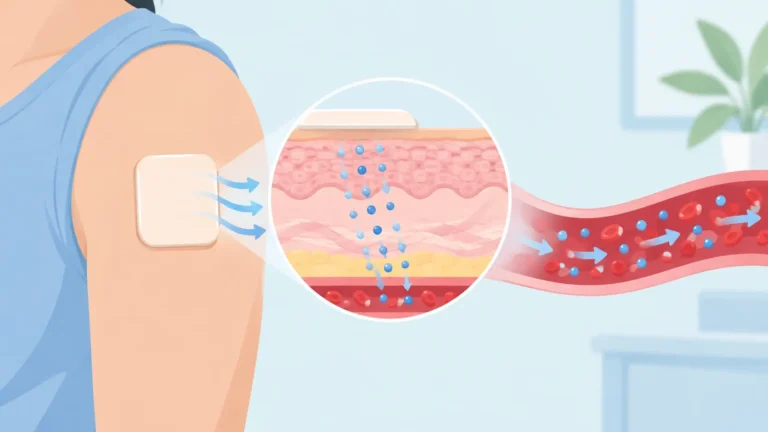
However, real-world evidence suggests that very heavily addicted smokers who use Easyway alongside NRT to manage the initial physical withdrawal symptoms often have better outcomes than either approach alone. The practical recommendation: try Easyway without NRT first as instructed. If you find the physical withdrawal symptoms overwhelming in the first few days, adding an NRT patch is a pragmatic response that does not have to undermine the cognitive shifts Easyway has initiated.
Pairing Easyway with a progress-tracking app reinforces the transformation. The iQuit app shows you your smoke-free days, money saved, and health recovery milestones — the tangible evidence that confirms what Easyway has cognitively prepared you for. For managing the emotional and physical dimensions of withdrawal, our guide to quit smoking and depression addresses one of the most common post-quit challenges. If Easyway’s approach resonates with you, it’s also worth seeing how it stacks up against other quitting literature — our roundup of the best quit-smoking books, ranked, compares it directly against the other most recommended titles.
Frequently Asked Questions
Do you still smoke while reading the Allen Carr book?
Yes — Allen Carr explicitly instructs readers to continue smoking while reading the book. This is intentional: the method works by changing how you think about smoking while you are still doing it, so that when you reach the designated stopping point, you stop without deprivation or struggle. Trying to quit before finishing the book undermines the method.
How long does the Allen Carr seminar take?
In-person Allen Carr seminars typically last 5–6 hours. The online programme takes approximately 4–6 hours to complete at your own pace. The structured length is important — the method is delivered as a continuous cognitive process, and completing it in full (rather than stopping partway through) is associated with better outcomes.
Does the Allen Carr method work for vaping?
Yes — Allen Carr’s Easyway has developed specific programmes for vaping cessation that apply the same cognitive framework to vaping as the original method applies to smoking. The underlying mechanics of the addiction (nicotine dependence + psychological habit associations) are the same; the specific beliefs addressed differ for vapers.
Is the Allen Carr method evidence-based?
The Allen Carr method is evidence-based, with two RCTs supporting the in-person seminar format and a published RCT supporting the book format. It was approved for NHS stop smoking services based on this evidence. The evidence base is smaller and less robust than for varenicline or NRT, but the method is categorised as evidence-based by NHS standards rather than as an unproven alternative.
What is the money-back guarantee for Allen Carr’s Easyway?
Allen Carr’s Easyway offers a money-back guarantee on both the in-person seminar and online programme if you are not smoke-free at the end of the course. The guarantee conditions vary by region and product; typically you must have completed the full programme to be eligible. Check the specific terms on allencarr.com for your country.
Track Your Progress After Easyway
Once you have finished the Allen Carr seminar or book, tracking your progress reinforces the transformation. The iQuit app shows your smoke-free days, money saved, and health milestones as they accumulate — concrete evidence of the freedom you have found. Download iQuit free on Android and make your first smoke-free days visible.