
How Do You Quit Vaping? The 2026 Evidence-Based Answer
Millions of people pick up a vape intending to quit cigarettes — and then find themselves just as dependent on the device as they ever were on tobacco. If you are searching for how to quit vaping, you are confronting a genuine clinical challenge: modern pod-based e-cigarettes can deliver nicotine concentrations that rival or exceed traditional cigarettes, making the addiction just as real and the withdrawal just as uncomfortable. The good news is that 2026 has produced more high-quality clinical evidence on vaping cessation than any previous year.
This guide brings together the most current research from randomised controlled trials, Cochrane systematic reviews, and guidance from the NHS, CDC, and WHO to give you a practical, compassionate, and medically grounded answer to how you can quit vaping for good.
To quit vaping, combine a medically approved treatment — nicotine replacement therapy (NRT) patches plus fast-acting gum or lozenges, or prescription varenicline — with a structured behavioural programme such as text-message coaching or cognitive behavioural therapy (CBT). A 2025 randomised trial published in JAMA found varenicline plus counselling achieved 51% continuous abstinence at end of treatment versus 14% for placebo. Unassisted willpower alone fails most people — evidence-based combination treatment is the most effective approach.
Why Is Vaping So Hard to Quit?
The short answer is nicotine. Pod-based e-cigarettes — particularly devices using nicotine salt formulations — can deliver nicotine to the bloodstream at concentrations that match or exceed combustible cigarettes, according to the CDC’s health-effects guidance. Because nicotine reaches the brain rapidly, dopamine is released and a powerful reward loop is established. Over time, the brain adjusts its baseline dopamine tone downward, so stopping vaping triggers a real physiological shortage — the irritability, anxiety, and cravings that define withdrawal.
Youth are especially vulnerable. The CDC notes that adolescents can begin showing signs of nicotine dependence before they even establish a daily habit, because the developing brain — which continues maturing until the mid-20s — is more sensitive to nicotine’s effects on attention, mood, and impulse control. To understand the full mechanism of this dependency, the guide on what nicotine dependence does to the brain is a useful starting point.
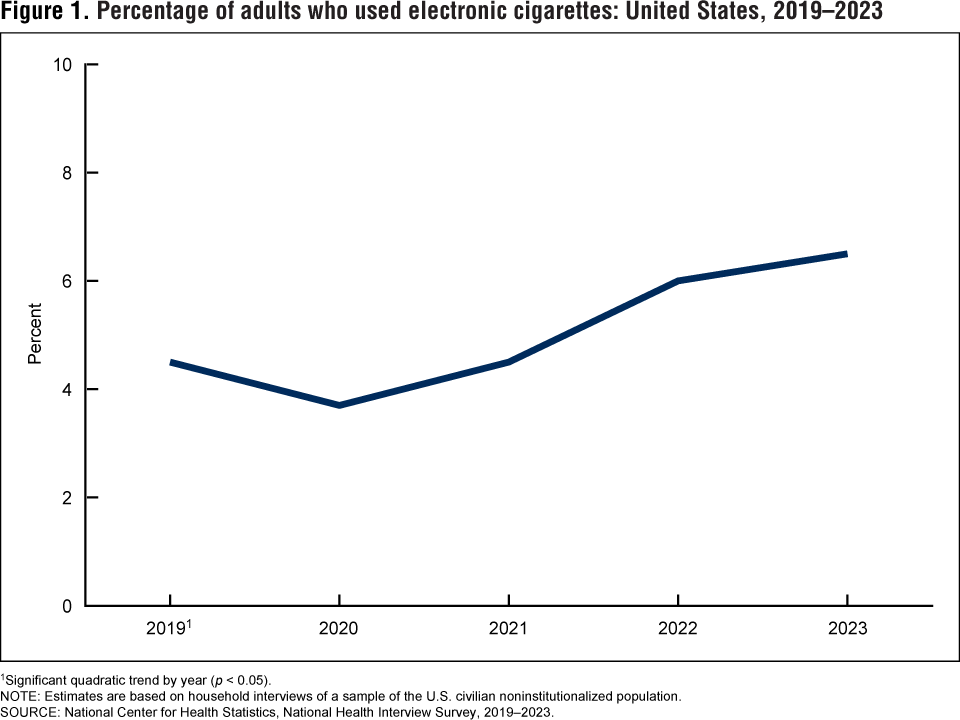
Among daily teen vapers, unsuccessful quit attempts increased from 28% to 53% between 2020 and 2024, according to a 2025 cross-sectional study in JAMA Network Open — a sign that more young people are trying to quit, but that willpower alone is rarely enough. This mirrors decades of evidence on cigarette cessation: unassisted quit attempts succeed only around 5% of the time. If you have tried to stop unaided and found it overwhelming, the 12 evidence-based techniques for beating vape cravings give you a concrete toolkit for the moments willpower runs thin.
Mayo Clinic (1.2M subscribers) — published January 2026. Dr. Robert Kirchoff explains the science of nicotine addiction and evidence-based strategies for quitting, including for vaping.
Does Nicotine Replacement Therapy Work for Vaping?
Nicotine replacement therapy — patches, gums, lozenges, nasal sprays, and inhalers — has a long evidence base for cigarette cessation, and researchers are now examining whether it translates to vaping cessation. The picture is more nuanced than for tobacco smoking.
A 2025 Cochrane systematic review of 15 studies and 5,800 participants found that combination NRT showed no clear evidence of benefit for vaping cessation at the six-month mark, though the certainty of the evidence was rated very low. This is not a finding that NRT fails — it reflects how few well-designed vaping cessation trials existed until very recently. Practically, the NHS recommends NRT as a front-line option, particularly combination therapy: a nicotine patch for steady background delivery combined with a fast-acting form (gum, lozenge, or spray) to handle breakthrough cravings. The NHS specifically identifies Nicorette QuickMist as the only NRT product currently licensed for vaping cessation in the UK.
For anyone who has vaped at nicotine concentrations of 20 mg/ml or higher, the NHS advises starting with a high-strength patch and stepping down gradually. If you previously vaped to quit cigarettes — which is a separate clinical picture — the evidence around that transition is covered in depth in the article on whether vaping actually helps people quit smoking. The complete step-by-step vaping quit plan — from setting your quit date to week-by-week NRT tapering — is in our full guide on how to quit vaping step by step in 2026.
Use a 24-hour nicotine patch for baseline coverage, then carry a fast-acting lozenge or gum for the first 10-minute craving spike. Pairing the two delivery methods addresses both the physical baseline and the acute trigger — which is why combination NRT consistently outperforms single-form NRT in smoking cessation trials.
Can Varenicline (Champix/Chantix) Help You Quit Vaping?
The most striking breakthrough in vaping cessation research in 2025 was a randomised clinical trial examining varenicline (sold as Champix in the UK and Chantix in the US) for youth who vaped. Published in JAMA in April 2025 and accessible via PubMed Central (PMC12019676), the trial found:
- During weeks 9–12 of treatment: 51% continuous abstinence in the varenicline group versus 14% in the placebo group.
- At 6-month follow-up: 28% sustained abstinence with varenicline versus 7% with placebo (adjusted odds ratio 6.0, p = .001).
- When compared to text-message support alone: 51% versus 6% abstinence during the final treatment phase.
This was described as the first pharmacotherapy trial for nicotine vaping cessation specifically in youth. A subsequent systematic review and meta-analysis, published in 2026, pooled data from three randomised controlled trials and confirmed that varenicline more than doubled the likelihood of achieving vaping cessation both at end of treatment and at follow-up — with a risk ratio of approximately 2.71 compared to placebo.
The safety profile is manageable: nausea occurred in around 58% of participants, vivid dreams in 39%, and insomnia in 31%, consistent with varenicline’s known profile in smoking cessation. Only 2% discontinued due to side effects. Varenicline is a prescription-only medication — speak with your GP or a stop-smoking advisor to determine whether it is appropriate for you. In the UK, it is available via NHS Stop Smoking Services. For a full comparison of varenicline against cytisinicline and bupropion, see the quit-smoking pill comparison for 2026.
What Behavioural Support Works Best for Quitting Vaping?
Medication alone is rarely the complete picture. Every high-efficacy vaping cessation trial paired pharmacotherapy with behavioural support, and structured programmes consistently outperform willpower alone.
Text-Message Programmes
The Cochrane review identified text-message-based interventions as among the most promising non-pharmacological approaches, with evidence that they may increase vaping cessation rates versus no support (risk ratio 1.32). Truth Initiative’s “This is Quitting” programme — free via text to 88709 in the US — has enrolled more than 750,000 young people since 2019. A randomised clinical trial found it increased quit rates by approximately 40% among 18–24 year olds (24.1% abstinence versus 18.6% for controls at seven months), and made teens 35% more likely to quit in a separate youth-focused trial.
Cognitive Behavioural Therapy (CBT)
CBT teaches you to identify the thoughts, emotions, and environmental cues that trigger vaping — and to systematically substitute alternative responses. A 2023 feasibility study published via PubMed Central (PMC10125401) examined a mobile intervention combining NRT, CBT-based coaching, and virtual support, reporting meaningful preliminary abstinence outcomes and high user satisfaction. Standalone CBT sessions — available through NHS Talking Therapies or private providers — can be particularly helpful if anxiety or stress is a primary trigger for your vaping.
Telephone Quitlines
A 2025 randomised trial published in The Lancet Regional Health — Americas compared e-cigarettes to combination NRT among people who had recently tried and failed to quit, using state tobacco quitline platforms. Quitlines provide free, one-to-one coaching from trained advisors who can walk you through combination therapy, set a quit date, and handle relapse. In the US, call 1-800-QUIT-NOW; in the UK, contact your local NHS Stop Smoking Service.
Digital Coaching Apps
AI-powered coaching tools represent an emerging category with a growing evidence base. The 2026 evidence on AI-assisted quit support shows that real-time, personalised prompting at the moment of craving can meaningfully reduce lapse rates — particularly when combined with craving tracking and milestone recognition. For a ranked breakdown of which vaping cessation apps are worth using, see the 2026 comparison of the best quit vaping apps. The iQuit app (available on Google Play) provides an AI coach, craving log, and health milestone tracking to support your quit at every stage — whether you are stepping down from a vape or managing day 1 of cold turkey.
What Does Vaping Withdrawal Feel Like, and When Does It Ease?
Withdrawal from vaping follows a similar biological arc to cigarette withdrawal, because the driver is nicotine in both cases. Knowing what to expect — hour by hour — helps you distinguish normal discomfort from a genuine medical concern, and makes it much harder for withdrawal to trick you into relapsing.
| Time Since Last Vape | What You May Feel | What Helps |
|---|---|---|
| 1–4 hours | First nicotine cravings, mild restlessness | Fast-acting NRT (gum/lozenge), drink water, change location |
| 24–72 hours | Peak cravings, irritability, difficulty concentrating, headaches, possible sleep disruption | Combination NRT, short walks, deep breathing, distraction tasks |
| Days 4–7 | Physical symptoms begin to ease; psychological cravings persist around triggers | CBT coping strategies, avoid known triggers, celebrate first week milestone |
| Weeks 2–4 | Significant reduction in craving frequency and intensity; improved energy and mood | Step down NRT patch strength, continue behavioural programme |
| Month 2–3 | Cravings become infrequent; mainly triggered by stress or strong cues | Have a relapse plan, maintain support contact, reward progress |
Each individual craving typically lasts only 10–15 minutes, regardless of intensity. Knowing this makes the craving manageable: you only need to outlast 15 minutes, not an indefinite urge. The hour-by-hour breakdown of nicotine withdrawal stages provides a more detailed clinical account of what the brain and body are doing at each phase.
For a complete picture of how long nicotine — the molecule — remains in your system versus how long the receptors remain sensitised, see the article on the nicotine detox timeline. The short version: nicotine itself clears in 1–3 days, but cotinine (the primary metabolite) can take 7–10 days, and receptor normalisation takes weeks. Our guide to how nicotine tolerance builds and reverses explains why those first three weeks feel the hardest — and why getting through them is the biological turning point.
A Step-by-Step Quit Plan for 2026
Evidence supports structured preparation over spontaneous quit attempts. The following sequence is grounded in NHS Stop Smoking Service methodology and the clinical trial protocols reviewed above. For a longer, week-by-week roadmap, the complete step-by-step plan to quit vaping walks through every stage from quit-date setting to building a long-term vape-free life.
- Set a quit date within 2 weeks. A defined target date significantly improves commitment and allows you to prepare rather than improvise.
- See your GP or pharmacist before quit day. Discuss whether varenicline is appropriate for your age, health history, and level of dependence. If not a candidate for varenicline, arrange combination NRT. Both are available on NHS prescription at reduced cost.
- Sign up for a behavioural programme. Enrol in an NHS Stop Smoking Service (UK), call 1-800-QUIT-NOW (US), or text DITCHVAPE to 88709 (US, Truth Initiative). Do this before quit day, not after.
- Identify your top three triggers. Common examples: morning routine, after meals, stress at work, social situations. Write a specific alternative response for each — replace the action, not just the device.
- Remove vaping equipment and supply. On quit day, discard all devices, pods, and liquid. Keeping “just one” in reserve significantly increases the probability of relapse.
- Start medication on quit day. If taking varenicline, note that the standard protocol actually starts the medication 1–2 weeks before your quit date to reach therapeutic levels — follow your prescriber’s instructions exactly.
- Track cravings and celebrate milestones. Each craving you outlast changes your brain’s reward circuitry incrementally. Use a quit-support app to log cravings, watch health improvements accrue in real time (blood oxygen normalises within 8 hours, lung cilia begin regenerating within 72 hours), and share progress with someone who will celebrate with you.
- Have a written relapse plan. A lapse (a single puff) does not equal full relapse. Decide in advance: if you lapse, you immediately contact your stop-smoking advisor, re-establish your quit date, and continue medication. Self-compassion here is not weakness — it is evidence-based; shame-driven relapse spirals are the most common route back to full dependence.
Where Can You Get Free Quit-Vaping Support?
You do not have to approach this alone. Structured support dramatically improves outcomes, and most of it is free.
| Country / Region | Free Resource | How to Access |
|---|---|---|
| United Kingdom | NHS Stop Smoking Services | Ask your GP, pharmacist, or search for local service on NHS.uk |
| United States | National Quitline | Call 1-800-QUIT-NOW (1-800-784-8669) |
| United States (Youth) | Truth Initiative “This is Quitting” | Text DITCHVAPE to 88709 |
| Canada | Canada’s Tobacco and Vaping Line | 1-866-366-3667 |
| Australia | Quitline | Call 13 7848 (13 QUIT) |
| Ireland | HSE Quit | Freetext QUIT to 50100 or visit quit.ie |
Track Your Quit with iQuit
The iQuit — Quit Smoking App provides real-time craving tracking, an AI coach that responds to you in the moment, personalised health milestones, and a community of people who understand what you are going through. Whether you are vaping or smoking, it supports every method — cold turkey, NRT tapering, or medication-assisted.
Frequently Asked Questions
How do you quit vaping cold turkey?
Cold turkey means stopping all vaping at once without stepping down first. Set a specific quit date, remove all vaping equipment from your home on that day, and have a fast-acting NRT product — gum or lozenge — available for the first wave of cravings. The peak withdrawal period is typically 48–72 hours after your last vape, so plan to have support around you during that window. Cold turkey works better for some people than gradual tapering, particularly those who find partial use very difficult to control.
How long does it take to quit vaping successfully?
Physical nicotine withdrawal typically peaks at 48–72 hours and eases substantially within 2–4 weeks. Psychological cravings linked to habits and emotional triggers can persist for 2–3 months. Clinical trials of varenicline use a 12-week treatment course, and sustained abstinence at 6 months is the standard endpoint researchers use to define successful cessation. Most people need multiple attempts before achieving long-term success — each attempt that incorporates more structured support tends to perform better than the last.
Is vaping withdrawal worse than cigarette withdrawal?
The symptoms of vaping withdrawal are caused by the same nicotine deficit as cigarette withdrawal and follow a broadly similar course: cravings, irritability, difficulty concentrating, and sleep disruption. However, high-concentration pod devices — particularly salt-nicotine formulations — can create a deeper physiological dependency in some users than lower-nicotine cigarettes would. This means vaping withdrawal can, for some people, feel more acute in the first 72 hours than cigarette withdrawal, particularly if the user vaped frequently throughout the day.
Can a GP prescribe medication to quit vaping?
Yes. Varenicline (Champix in the UK, Chantix in the US) is licensed for nicotine addiction and can be prescribed for vaping cessation. In the UK, GPs and NHS Stop Smoking Services can prescribe varenicline on an NHS prescription. In the US, the medication requires a prescription and is covered by many insurance plans. A 2025 JAMA trial — the first pharmacotherapy trial specifically for youth vaping cessation — demonstrated varenicline achieving 51% continuous abstinence at end of treatment compared to 14% for placebo, with a well-tolerated side-effect profile.
What happens to your body when you stop vaping?
Within 8 hours, blood carbon monoxide levels normalise and oxygen levels improve. Within 48–72 hours, nicotine is largely cleared from the bloodstream, though its metabolite cotinine takes 7–10 days to fully clear. Lung cilia — the tiny hair-like structures that sweep debris from airways — begin to regenerate within 72 hours of stopping. Over weeks and months, respiratory function typically improves, the cardiovascular system becomes less inflamed, and many users report significant improvements in taste, smell, sleep, and energy. The full detox timeline is covered in the article on how long nicotine takes to leave the body.
Does NRT help with vaping withdrawal specifically?
NRT addresses the physical nicotine deficit that drives vaping withdrawal symptoms, and is recommended by the NHS as a first-line option for vaping cessation. The NHS specifically identifies combination NRT — a patch for steady background delivery plus a fast-acting form for breakthrough cravings — as more effective than single-form use. Nicorette QuickMist is the only NRT product currently licensed specifically for vaping cessation in the UK. While the specific evidence base for NRT in vaping cessation is smaller than for cigarette cessation, the biological mechanism of action is identical.
Can a teenager quit vaping with medical help?
Yes, and the 2025 JAMA trial — which enrolled youth participants — demonstrated that varenicline combined with brief counselling is effective and safe for adolescents and young adults addicted to vaped nicotine. Text-based programmes like Truth Initiative’s “This is Quitting” are specifically designed for teens and have published clinical trial evidence showing 35% higher quit rates versus controls. The CDC’s youth tobacco guidance and NHS Stop Smoking Services both accommodate young people, and GPs can refer under-18s to appropriate specialised support.
What is the most effective way to quit vaping in 2026?
Based on 2026 clinical evidence, the most effective approach combines prescription varenicline with structured behavioural support — either telephone counselling, text-message coaching, or CBT. This combination produced 51% end-of-treatment abstinence in the landmark 2025 JAMA trial. Where varenicline is not accessible, combination NRT (patch plus fast-acting form) paired with a text-message programme or quitline coaching is the next best evidence-based option. Unassisted cold turkey without any pharmacological or behavioural support is the least effective strategy, with roughly a 5% long-term success rate.
Medical disclaimer: This article is for informational purposes only and does not constitute medical advice. Always consult a qualified healthcare professional before starting any cessation medication or programme, particularly if you have underlying health conditions or are under 18.