
How to Quit Smoking While Managing Stress and Anxiety: A Practical Guide for 2026
“I need a cigarette — I’m stressed.” If you’ve ever said or thought that, you’re experiencing one of nicotine’s most powerful psychological hooks. For millions of smokers, cigarettes become deeply intertwined with stress relief. The problem is, this connection is a biological illusion — and understanding it is the first step toward learning how to quit smoking while managing stress without relapsing.
This guide explains the real relationship between smoking and stress, why withdrawal temporarily increases anxiety, and — most importantly — how to build alternative stress-management tools that work just as well as cigarettes did. Based on research from the CDC, WHO, and multiple clinical trials, these strategies are practical, proven, and designed for real-life high-stress situations.
The Stress-Nicotine Myth: Why Cigarettes Don’t Actually Calm You Down
Here is the uncomfortable truth: cigarettes do not reduce stress — they create the stress they appear to relieve.
When you smoke, nicotine floods your brain with dopamine, creating a brief sensation of calm and focus. But within 30-60 minutes, nicotine levels drop, and your brain begins sending distress signals — mild anxiety, irritability, restlessness — that are interpreted as “stress” or “needing a cigarette.” The next cigarette relieves those withdrawal symptoms. The brain then encodes: “stress → cigarette → relief.” Over thousands of repetitions, this becomes an automatic stress-response loop.
Non-smokers face the same stressors you do — deadlines, arguments, traffic, grief — but without the roller-coaster of nicotine dependence. Research published in the British Journal of Psychiatry found that smokers who quit reported lower levels of anxiety, depression, and stress at 6 months compared to those who continued smoking. The data is clear: life after smoking is actually less stressful, not more. You just have to get through the withdrawal period first.
Why Quitting Temporarily Increases Stress and Anxiety
Understanding what’s happening in your body during early quitting helps enormously. When you stop smoking:
- Days 1-3: Nicotine clearance causes acute withdrawal — the brain’s reward circuitry is depleted of dopamine, causing irritability, anxiety, and physical restlessness. This peaks around 48-72 hours.
- Days 4-14: The brain begins upregulating its own dopamine systems, but this process takes time. Stress tolerance feels lower than usual.
- Weeks 2-4: Psychological cravings dominate. Stress situations now trigger automatic “I should have a cigarette” thoughts, even when physical withdrawal has largely passed.
- Month 2 onwards: Natural stress management systems stabilize. Most ex-smokers report feeling calmer and less anxious than they did as smokers.
Knowing that anxiety is temporary and biologically predictable takes away much of its power. You’re not going to feel this way forever. For a detailed week-by-week breakdown, see our nicotine withdrawal timeline guide.
Step-by-Step: Breathing Techniques That Replace the Smoking Ritual
One reason smoking “relieves” stress is the physical act itself: the pause, the deep breath, the 5-7 minute break away from the stressor. You can replicate all of this — more effectively — with structured breathing. These are backed by clinical evidence for reducing acute anxiety:
Box Breathing (4-4-4-4)
This technique is used by military personnel and emergency responders under high stress. It activates the parasympathetic nervous system within 2 minutes:
- Breathe in through the nose for 4 counts
- Hold the breath for 4 counts
- Breathe out through the mouth for 4 counts
- Hold empty for 4 counts
- Repeat 4-6 times
4-7-8 Breathing (Fast-Acting Anxiety Relief)
- Exhale completely through the mouth
- Close your mouth and inhale through the nose for 4 counts
- Hold for 7 counts
- Exhale completely through the mouth for 8 counts
- Repeat 3-4 cycles
Practice these techniques before your quit date so they’re automatic when stress hits. Our detailed guide on breathing exercises for cigarette cravings has video-style instructions and several more techniques.
Cognitive Strategies: Changing Your Relationship with Stress
Cognitive behavioral therapy (CBT) is one of the most effective evidence-based approaches for both smoking cessation and anxiety management. You don’t need a therapist to apply basic CBT techniques:
Challenge the Thought
When the thought “I need a cigarette to deal with this” appears, stop and ask:
- Is this actually true, or is this withdrawal talking?
- Has smoking ever actually solved this problem?
- What is the actual feeling I’m trying to manage?
- What would a non-smoker do right now?
Reframe the Craving as Progress
Instead of “I’m suffering,” try: “My brain is reorganizing itself. This discomfort is a sign of healing, not failure.” This is not positive thinking — it’s neurologically accurate. The discomfort of withdrawal is the physical sensation of your brain chemistry normalizing.
Use the HALT Check
Many stress-triggered smoking urges are actually signs of basic unmet needs. Before reaching for a cigarette, ask: Am I Hungry? Angry/Anxious? Lonely? Tired? Addressing the underlying need — eating something, calling someone, taking a nap — often resolves the craving more completely than a cigarette ever could.
Physical Strategies: Exercise, Movement, and Body-Based Stress Relief
Exercise is the most effective non-pharmacological stress-reducer available, and it has a particularly powerful effect during smoking cessation. A Cochrane review of 24 trials found that even short bouts of exercise significantly reduce cigarette cravings and improve mood during withdrawal.
Exercise for Craving Relief — What Works
- 5-minute brisk walk: Raises endorphins and dopamine, directly countering the withdrawal-induced dopamine deficit. The effect peaks within 5 minutes and lasts 20-30 minutes.
- 10 bodyweight exercises: Push-ups, squats, jumping jacks — any movement that raises your heart rate will activate the same dopamine pathways that nicotine used to hijack.
- Yoga and stretching: Particularly effective for anxiety-dominant withdrawal, as the combination of deep breathing and physical release activates the vagus nerve.
- Cold water splash: Splashing cold water on the face activates the dive reflex, immediately slowing heart rate and reducing acute anxiety.
Build a Stress-Management Routine for the First 30 Days
During the most vulnerable period, structure your day around stress prevention rather than stress recovery:
- Morning: 10 minutes of light exercise or stretching before work
- Midday: Walk during lunch instead of smoking breaks
- Evening: 20 minutes of relaxation activity (bath, reading, light yoga)
- Before sleep: Box breathing or body scan meditation
When to Consider NRT or Medication for Stress-Related Quit Attempts
If your primary reason for relapsing in the past has been “I got too stressed and caved,” you may be a good candidate for pharmacological support during the high-anxiety early weeks.
| Option | How It Helps with Stress | Best For |
|---|---|---|
| Nicotine patch (long-acting) | Keeps baseline nicotine steady, preventing withdrawal-anxiety spikes | Background anxiety throughout the day |
| Nicotine gum/lozenge (fast-acting) | On-demand craving relief during acute stress | Stress-triggered cravings at specific times |
| Varenicline (Champix/Chantix) | Blocks nicotine receptors AND reduces withdrawal anxiety; highest quit rates (28%) of any single medication | Heavy smokers with high anxiety; multiple previous failed attempts |
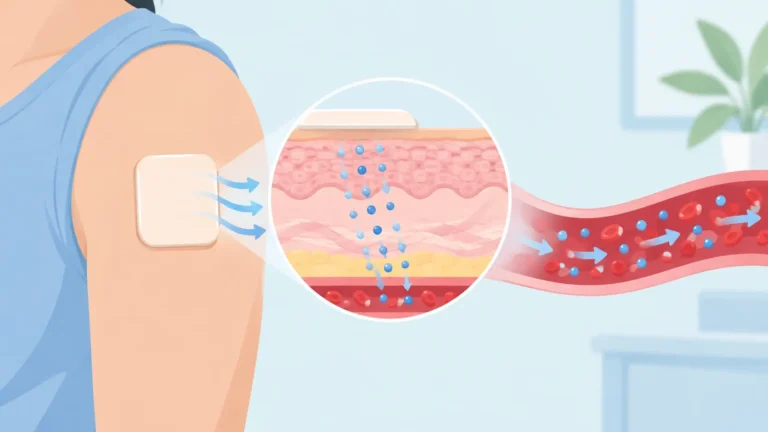
| Bupropion | Antidepressant that also reduces nicotine cravings; addresses comorbid depression | Smokers with depression or anxiety disorders |
Speak to your GP or pharmacist about the option best suited to your situation. For a detailed comparison of cessation medications, see our guide on varenicline vs bupropion.
How to Handle Specific High-Stress Smoking Scenarios
Prepare a specific plan for the situations where you are most likely to relapse under stress. Don’t wait until the moment arrives — decide in advance what you will do.
For a full library of craving management techniques, explore our guide on stopping smoking cravings instantly.
Frequently Asked Questions
Is it better to quit smoking during a stressful or calm period of life?
While a calmer period is preferable, waiting for “the perfect moment” often means never quitting. Research shows that the motivation to quit matters more than the stress level at the time. If you’re motivated now, use that motivation — just pair it with a robust stress-management plan. Many people have successfully quit during highly stressful periods of their lives.
Will anxiety get worse when I quit smoking?
In the short term (days 1-14), many people experience heightened anxiety as nicotine withdrawal peaks. However, multiple long-term studies show that ex-smokers report significantly lower anxiety levels at 6 months compared to when they were smoking. The short-term increase is a withdrawal symptom, not a permanent state. NRT can substantially reduce this anxiety during the transition period.
How long until my stress levels return to normal after quitting?
Most people find their stress and anxiety return to baseline — or below their smoking baseline — within 4-6 weeks of quitting. The first two weeks are the hardest. By week four, the majority of withdrawal anxiety has resolved, and many ex-smokers are surprised to find they feel calmer and more emotionally stable than when they smoked.
What’s the fastest way to calm down when I’m craving a cigarette due to stress?
The fastest evidence-based techniques are: 1) 4-7-8 breathing (4 in, hold 7, 8 out) — works within 90 seconds; 2) cold water on the face — activates dive reflex and slows heart rate immediately; 3) 20 jumping jacks — dopamine spike within 2 minutes. Having one technique ready before the craving hits is more effective than trying to decide in the moment.
Should I tell my employer I’m quitting smoking?
You’re not obligated to tell your employer, but telling at least one trusted colleague has significant benefits for accountability. You might also discuss flexible break arrangements — replacing smoking breaks with short walks — which most employers will support, especially if framed as a health improvement initiative. In the UK and some US states, employees have the right to reasonable adjustments for smoking cessation support.
Manage Cravings in Real Time with iQuit
The iQuit app includes a craving log, AI stress coach, and guided breathing exercises — all designed to handle the exact high-stress moments that trigger relapse. Track what triggers you, learn your patterns, and get personalised support on demand.
Related reading: Managing nicotine withdrawal symptoms step by step | 12 techniques to stop cravings instantly | Smoking and mental health: the full picture | Quit smoking and depression | Understanding relapse after quitting