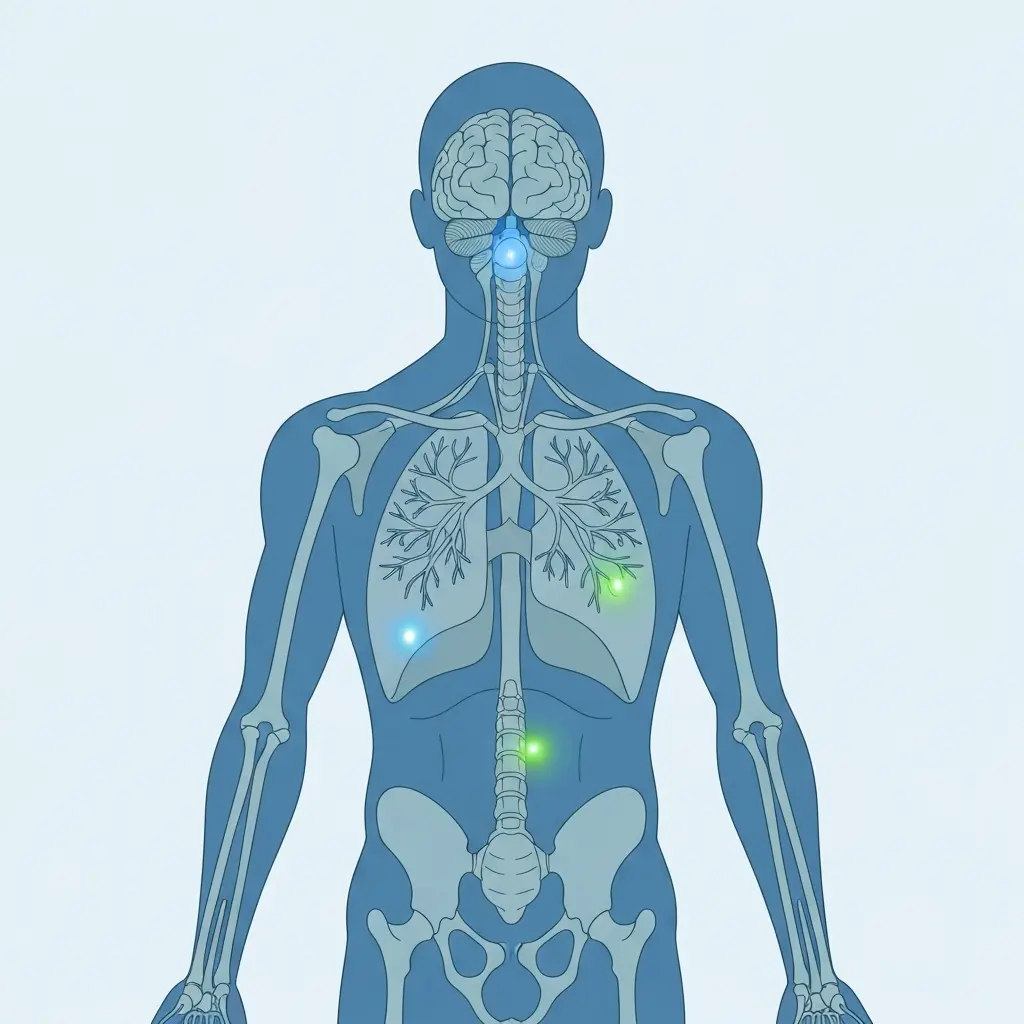
Nicotine Withdrawal Symptoms: Complete 2026 Guide to What to Expect
If you have ever tried to quit smoking, you already know the feeling: within hours of your last cigarette, your body starts demanding nicotine in ways that feel overwhelming. Nicotine withdrawal symptoms affect roughly 50% of all people who attempt to quit, and they are the single most common reason people relapse in the first two weeks. Understanding exactly what to expect — symptom by symptom, hour by hour — is the first and most powerful step toward getting through it.
This guide covers every physical and emotional withdrawal symptom in clinical detail, with per-symptom timelines drawn from WHO, NHS, and CDC research. You will also find a severity scale, evidence-based management strategies, information on prescription and over-the-counter medications, and clear guidance on when symptoms warrant a call to your doctor.
Why Nicotine Withdrawal Happens
Nicotine is one of the most addictive substances known to science. According to the WHO, tobacco dependence meets all criteria for a substance use disorder: tolerance, compulsive use, and a characteristic withdrawal syndrome when use stops.
When you smoke regularly, nicotine binds to nicotinic acetylcholine receptors (nAChRs) in the brain, flooding the reward circuit with dopamine. Over time, the brain adapts by upregulating — growing more of — these receptors and reducing its natural dopamine production. When nicotine is removed, dopamine levels drop sharply and those extra receptors are left unoccupied, producing the cascade of physical and emotional symptoms that make quitting so difficult.
The good news, confirmed by decades of research: these receptor changes reverse completely within 4–12 weeks of sustained abstinence. Every symptom you experience is a sign that your brain is healing.
Physical Withdrawal Symptoms
1. Nicotine Cravings
What it feels like: An intense, urgent urge to smoke — often described as a wave of mental pressure or physical restlessness that seems impossible to ignore.
Onset: 2–4 hours after the last cigarette.
Peak: Days 1–3.
Duration: Individual craving episodes last 3–5 minutes. The frequency decreases from 15–20 per day in week 1 to a handful per day by week 4. Occasional cravings can persist for months triggered by environmental cues, but they are far less intense.
Why it happens: Unoccupied nAChRs generate a “nicotine-seeking” signal in the insula and prefrontal cortex. Research from the CDC confirms cravings are the most universally reported withdrawal symptom — affecting up to 97% of quitters in the first week.
2. Irritability and Mood Swings
What it feels like: Short fuse, low tolerance for frustration, snapping at people you care about over small things. Many quitters describe feeling angry “at everything.”
Onset: Within 24 hours.
Peak: Days 2–4.
Duration: Usually resolves within 3–4 weeks. A minority of people experience prolonged irritability for 6–8 weeks, particularly heavy, long-term smokers.
3. Headaches
What it feels like: Tension-type headaches, often described as a tight band around the head or pressure behind the eyes. Can also present as throbbing.
Onset: Within 24–48 hours.
Peak: Days 1–3.
Duration: Typically 1–2 weeks. Headaches result from two converging processes: carbon monoxide clearing from the bloodstream (increasing oxygen delivery, which transiently affects cerebral blood flow) and reduced adrenal stimulation from nicotine withdrawal.
4. Insomnia and Sleep Disruption
What it feels like: Difficulty falling asleep, frequent night waking, vivid or disturbing dreams, waking unrefreshed.
Onset: Night 1–2 after quitting.
Peak: Nights 3–7.
Duration: 1–4 weeks for most people. Nicotine is a stimulant that normally suppresses REM sleep; when removed, the brain “rebounds” into intensified REM — causing vivid dreams. NHS data indicates sleep quality typically surpasses pre-quit baselines by week 4–6. For detailed strategies on managing sleep disruption during cessation, see our guide on how to deal with nicotine withdrawal symptoms.
5. Increased Appetite and Weight Gain
What it feels like: Persistent hunger, stronger desire for sweet or fatty foods, eating more frequently.
Onset: Days 2–7.
Peak: Weeks 2–4.
Duration: Heightened appetite can persist for 8–12 weeks. Average weight gain is 4–5 kg over the first year according to CDC data, though this is not universal and does not negate the health gains of quitting.
Why it happens: Nicotine suppresses appetite via neuropeptide Y inhibition and increases metabolic rate by roughly 200 kcal/day. Both effects reverse on quitting. Nicotine also blunts taste; food becomes more pleasurable immediately after cessation.
6. Cough and Throat Clearing
What it feels like: Increased coughing, production of mucus or phlegm, throat clearing. Many quitters expect a cough to diminish immediately and are alarmed when it briefly worsens.
Onset: Days 3–7.
Peak: Weeks 2–3.
Duration: 4–8 weeks. Paradoxically, coughing often increases early in cessation because the cilia (tiny hair-like structures) in the airways begin to recover and clear accumulated mucus more effectively. This is a sign of healing, not harm.
7. Constipation
What it feels like: Reduced bowel frequency, hard stools, bloating, abdominal discomfort.
Onset: Days 1–3.
Peak: Week 1.
Duration: 2–4 weeks. Nicotine stimulates bowel motility via the enteric nervous system. Without it, gut transit slows temporarily. High-fibre foods, adequate hydration (8+ glasses of water daily), and gentle exercise accelerate recovery.
8. Dizziness and Light-Headedness
What it feels like: Brief spells of dizziness, light-headedness when standing, mild disorientation.
Onset: Within 24 hours.
Peak: Days 1–3.
Duration: Usually resolves within 1–2 weeks. Caused by improved oxygen delivery as carbon monoxide clears from the blood — a direct health benefit that initially disrupts the circulatory equilibrium the body adapted to during smoking.
9. Fatigue
What it feels like: Unusual tiredness, low energy, needing more sleep than usual, feeling mentally “foggy.”
Onset: Days 1–5.
Peak: Week 1.
Duration: 2–6 weeks. Nicotine is a stimulant; removing it causes a period of under-stimulation. Energy levels typically surpass pre-quit baselines by weeks 4–6 as cardiovascular efficiency improves.
Emotional and Psychological Symptoms
10. Anxiety
What it feels like: Generalised unease, worry, a sense of impending difficulty, physical tension, racing heart.
Onset: Within 24 hours.
Peak: Days 2–7.
Duration: 2–4 weeks for most people. Important note: while nicotine temporarily relieves anxiety via dopamine release, smokers have significantly higher baseline anxiety levels than non-smokers. Research published in Psychological Medicine confirms that long-term abstinence reduces anxiety below the levels experienced during active smoking. The initial anxiety of withdrawal is a withdrawal effect, not evidence that you “need” cigarettes to cope.
11. Depression and Low Mood
What it feels like: Sadness, flat affect, low motivation, inability to feel pleasure (anhedonia), tearfulness, feeling hopeless about quitting.
Onset: Days 2–5.
Peak: Week 1–2.
Duration: 2–4 weeks in most cases. People with a history of depression are at higher risk of more pronounced or prolonged depressive symptoms. NHS guidelines recommend that anyone with a history of major depressive disorder discuss cessation support with their GP before quitting, as the depression risk is real but manageable with proper support.
12. Difficulty Concentrating
What it feels like: Brain fog, trouble staying on task, reduced working memory, feeling mentally slow.
Onset: Within 24 hours.
Peak: Days 1–5.
Duration: 2–4 weeks. Nicotine enhances acetylcholine-mediated attention pathways; withdrawal temporarily impairs them. Cognitive performance consistently returns to and then exceeds pre-quit baseline by week 4, according to research from the National Institute on Drug Abuse.
13. Restlessness
What it feels like: Inability to sit still, fidgeting, urge to pace, a background sense of agitation without a clear cause.
Onset: Within 24 hours.
Peak: Days 2–5.
Duration: 1–3 weeks. Driven by the absence of nicotine’s arousal effect on the reticular activating system. Physical exercise is particularly effective at channelling this energy constructively.
14. Frustration
What it feels like: A low-level sense of being blocked or thwarted, impatience, reduced ability to tolerate delays or setbacks.
Onset: Days 1–3.
Peak: Week 1.
Duration: 2–4 weeks. Often occurs alongside irritability but is distinct in character — less explosive, more a sustained undertone of dissatisfaction.
Per-Symptom Timeline Table
| Symptom | Onset | Peak | Resolution | Prevalence |
|---|---|---|---|---|
| Cravings | 2–4 hours | Days 1–3 | 2–4 weeks (echoes months) | ~97% |
| Irritability | 24 hours | Days 2–4 | 3–4 weeks | ~80% |
| Anxiety | 24 hours | Days 2–7 | 2–4 weeks | ~76% |
| Difficulty concentrating | 24 hours | Days 1–5 | 2–4 weeks | ~73% |
| Insomnia | Night 1–2 | Nights 3–7 | 1–4 weeks | ~70% |
| Increased appetite | Days 2–7 | Weeks 2–4 | 8–12 weeks | ~70% |
| Depression / low mood | Days 2–5 | Week 1–2 | 2–4 weeks | ~60% |
| Restlessness | 24 hours | Days 2–5 | 1–3 weeks | ~60% |
| Headaches | 24–48 hours | Days 1–3 | 1–2 weeks | ~52% |
| Fatigue | Days 1–5 | Week 1 | 2–6 weeks | ~50% |
| Cough / mucus | Days 3–7 | Weeks 2–3 | 4–8 weeks | ~45% |
| Dizziness | 24 hours | Days 1–3 | 1–2 weeks | ~30% |
| Constipation | Days 1–3 | Week 1 | 2–4 weeks | ~25% |
| Frustration | Days 1–3 | Week 1 | 2–4 weeks | ~80% |
Sources: DSM-5 Nicotine Withdrawal Criteria; WHO Framework Convention on Tobacco Control; CDC Morbidity and Mortality Weekly Report (Smoking Cessation data); NHS Stop Smoking clinical guidance.
Severity Scale: Mild, Moderate, and Severe Withdrawal
Not everyone experiences withdrawal the same way. Severity correlates with how much you smoked, how long you have smoked, how quickly you quit (cold turkey vs. gradual reduction), and individual neurological differences.
| Level | Typical Profile | Key Symptoms | Recommended Support |
|---|---|---|---|
| Mild | <10 cigs/day, smoked <5 years | Cravings, mild irritability, brief sleep disruption | Behavioural strategies, app-based coaching, nicotine gum if needed |
| Moderate | 10–20 cigs/day, smoked 5–15 years | Frequent cravings, mood symptoms, insomnia, headaches, fatigue | NRT (patch + fast-acting), app coaching, consider GP referral |
| Severe | >20 cigs/day, smoked >15 years, prior failed quits | All of the above plus significant depression, severe anxiety, cognitive impairment, weight gain concerns | Prescription medication (varenicline or bupropion) + NRT + behavioural support + GP monitoring |
The Fagerström Test for Nicotine Dependence (FTND) is a validated 6-question tool used by clinicians to assess dependency level. Scores of 7–10 indicate high dependence and strong candidacy for pharmacotherapy. You can complete it with your GP or pharmacist at your first stop-smoking appointment.
Medication Support for Nicotine Withdrawal
Medications do not eliminate withdrawal symptoms, but they significantly reduce their intensity and duration. The NHS, WHO, and CDC all recommend pharmacotherapy as a first-line treatment for moderate-to-severe nicotine dependence.
Nicotine Replacement Therapy (NRT)
NRT delivers low-level, controlled nicotine without the harmful combustion products of cigarettes. It reduces craving intensity by 50–60% and doubles quit success rates compared to unaided attempts (Cochrane Review, 2023).
- Patches: 24-hour sustained release. Best for background craving control. Come in 7 mg, 14 mg, and 21 mg strengths. Step down every 6–8 weeks.
- Gum (2 mg / 4 mg): Fast-acting (15–30 min). Use for breakthrough cravings. Chew-and-park technique recommended.
- Lozenges (1 mg / 2 mg / 4 mg): Similar profile to gum. Good for people with dental issues.
- Inhalator / nasal spray: Fastest-acting NRT forms (2–5 min). Used for acute, intense cravings.
- Combination NRT: Patch (baseline) + fast-acting form (breakthrough) is the most effective OTC approach, with quit rates up to 36% at 6 months.
Varenicline (Champix / Chantix)
Varenicline is a partial agonist at nAChRs: it both blocks the reward from smoking and partially stimulates the receptor, reducing withdrawal. It is the most effective single pharmacotherapy available — improving quit rates by 2.3x compared to placebo (Cochrane, 2023). It requires a prescription and is recommended for 12 weeks (extendable to 24 weeks).
Bupropion (Zyban / Wellbutrin)
An antidepressant that also reduces dopamine and norepinephrine reuptake, dampening withdrawal symptoms including depression and irritability. Particularly indicated for quitters with a history of depression. Quit rates approximately 1.7x placebo. Requires prescription; not suitable for people with seizure disorders.
Cytisine
A plant-derived partial nicotinic agonist (similar mechanism to varenicline) available in some European and Australasian markets. Emerging evidence suggests comparable efficacy to varenicline at significantly lower cost. Not yet approved in the US or UK at time of writing.
When to See a Doctor
Most nicotine withdrawal symptoms are uncomfortable but not medically dangerous. However, certain presentations warrant professional assessment:
- Persistent or worsening depression lasting more than 2 weeks, especially if accompanied by thoughts of self-harm
- Chest pain or palpitations — while improved cardiovascular function begins within 20 minutes of quitting, pre-existing conditions need monitoring
- Severe, unremitting anxiety that disrupts daily functioning beyond week 2
- Cough that produces blood or does not improve after 8 weeks of abstinence
- Dizziness severe enough to cause falls or impair driving
- Any symptom you are not certain is withdrawal-related — do not assume all new symptoms are from quitting
People with pre-existing mental health conditions (depression, anxiety disorders, schizophrenia) should ideally plan their quit attempt with their GP or psychiatrist in advance. Smoking cessation can alter the metabolism of several psychiatric medications, including clozapine and olanzapine, requiring dose adjustments.
Evidence-Based Management Strategies
Medication is powerful, but the research is clear: the highest success rates come from combining pharmacotherapy with behavioural strategies. Here are the most effective approaches, organised by symptom category.
For Cravings
- The 5-minute rule: Every craving peaks and passes within 3–5 minutes. Set a timer and wait it out.
- Deep breathing (4-7-8): Inhale 4 seconds, hold 7, exhale 8. Activates the parasympathetic nervous system and reduces craving intensity by up to 30%.
- Delay and distract: Change your physical location. A 2-minute walk reduces craving intensity in 80% of cases (studies by Prof Robert West, University College London).
- App-based tracking: Real-time craving logging in quit smoking apps activates the prefrontal cortex and interrupts the automatic craving-smoking loop. iQuit’s craving tracker is designed specifically for this purpose.
For a full tactical breakdown, read our article How to Deal with Cigarette Cravings: The 2026 Toolkit (Breathing, CBT, Surfing).
For Mood Symptoms (Irritability, Anxiety, Depression)
- Aerobic exercise: 30 minutes of moderate exercise reduces irritability and anxiety symptoms by activating endorphin and dopamine pathways — a direct neurochemical substitute for nicotine’s mood effect. A 2021 meta-analysis (Cochrane) found exercise significantly increases short-term abstinence rates.
- Cognitive reframing: Replace “I can’t have a cigarette” with “I choose not to smoke.” Autonomy language reduces psychological reactance.
- Social support: Telling three or more people about your quit attempt doubles success rates (WHO data). Consider an online support community.
For Sleep
- Avoid nicotine patches worn overnight (switch to daytime-only use if vivid dreams are severe).
- Maintain consistent sleep and wake times.
- Avoid caffeine after 2 pm — quitting smoking often slows caffeine metabolism, effectively doubling its stimulant effect.
For Appetite and Weight
- Prepare low-calorie hand-to-mouth substitutes: carrot sticks, sugarless gum, water.
- Add one 20-minute walk per day — sufficient to offset the metabolic rate reduction from nicotine cessation.
- Do not attempt caloric restriction while quitting; the evidence shows that simultaneous dieting significantly increases relapse risk.
Tracking Your Progress with iQuit
The iQuit app provides real-time withdrawal symptom tracking, craving logs, evidence-based coaching nudges at peak withdrawal moments, and a full financial savings calculator showing exactly how much you have saved since your last cigarette. Thousands of people who have quit smoking with iQuit report that seeing their symptom severity trend downward over days and weeks is one of the most powerful motivators to continue. Start your free quit plan at iQuitNow.life.
Understanding what is happening in your body also helps — see our complete guide to what happens when you quit smoking for the positive changes occurring alongside withdrawal symptoms.
Frequently Asked Questions
How long do nicotine withdrawal symptoms last?
The most intense nicotine withdrawal symptoms — cravings, irritability, anxiety, and difficulty concentrating — peak between days 2–3 and resolve for most people within 2–4 weeks. Some symptoms such as increased appetite can persist for 8–12 weeks. Occasional cravings triggered by environmental cues can occur for months or years, but they decrease in frequency and intensity over time and are typically brief and manageable.
What is the hardest day of nicotine withdrawal?
Day 3 is typically the peak of withdrawal intensity for most people. By this point nicotine has cleared the bloodstream entirely, dopamine levels are at their lowest, and the full range of symptoms is active simultaneously. Cravings are at maximum frequency, mood symptoms are most pronounced, and sleep has been disrupted for two nights. Understanding that day 3 is the peak — and that it gets measurably better from day 4 onwards — helps many quitters get through it.
Is coughing more after quitting smoking normal?
Yes, and it is a sign of healing. The cilia lining the airways were paralysed by tobacco smoke chemicals. Within 1–3 weeks of quitting they recover and begin sweeping accumulated mucus and debris out of the lungs more effectively, which causes a temporary increase in coughing. This “clearance cough” typically peaks at 2–3 weeks and resolves within 4–8 weeks. If a cough persists beyond 8 weeks or produces blood, see a doctor.
Can nicotine withdrawal cause chest pain?
Chest tightness is occasionally reported as a nicotine withdrawal symptom, likely related to anxiety and changes in breathing patterns. However, chest pain should never be assumed to be withdrawal without medical evaluation, especially in people with known cardiovascular disease. If you experience chest pain, pressure, or pain radiating to the arm or jaw when quitting, seek immediate medical attention.
Does cold turkey cause worse withdrawal than gradual reduction?
Cold turkey does produce more abrupt and initially intense withdrawal symptoms than gradual reduction. However, multiple randomised controlled trials — including a landmark 2016 study in Annals of Internal Medicine — found that abrupt quitting produces higher 6-month abstinence rates (22%) than gradual reduction (15%). The intensity of cold turkey withdrawal is shorter-lived, and the clean break reduces the psychological reinforcement of continued smoking behaviour.
Do nicotine withdrawal symptoms differ between cigarettes and vaping?
The core nicotine withdrawal syndrome is the same whether you are stopping cigarettes or vaping, because both deliver nicotine and produce the same receptor upregulation. High-concentration pod-based vapes (50 mg/mL salt nicotine) can create nicotine dependence as severe as heavy cigarette smoking. Withdrawal from high-nicotine vapes may feel similarly intense. Some vapers also report a stronger oral and habitual component to their cravings compared to smokers.
Will my anxiety get better after quitting smoking?
Yes. While anxiety increases during the first 2–4 weeks of withdrawal, long-term abstinence consistently reduces anxiety levels below those experienced during active smoking. A major review in Psychological Medicine (2010, updated 2022) found that quitting smoking was associated with significant reductions in anxiety, depression, and stress over 6+ months. The temporary anxiety of withdrawal is a neurochemical adjustment, not evidence that you need nicotine to manage anxiety.
What helps nicotine withdrawal the most?
Research consistently shows that combination NRT (patch plus fast-acting form) or varenicline combined with behavioural support produces the highest quit rates. For moderate-to-severe withdrawal, pharmacotherapy is the most evidence-backed intervention. For milder symptoms, aerobic exercise, cognitive reframing, craving-tracking apps, and social support are all robustly effective. No single strategy works for everyone; combining two or more approaches significantly improves success rates.
How do I know if my symptoms are withdrawal or something else?
Nicotine withdrawal symptoms follow a predictable pattern: they begin within 24–48 hours of the last cigarette, peak at days 2–3, and progressively improve. If a symptom does not follow this pattern — for example, if it starts several weeks after quitting, or if it is severe and does not improve — it is less likely to be withdrawal. Symptoms that are accompanied by fever, unexplained weight loss, blood in cough or stool, or significant chest pain should always be evaluated medically regardless of whether you have recently quit smoking.
Can a doctor prescribe something specifically for nicotine withdrawal?
Yes. GPs and stop-smoking clinics can prescribe varenicline (Champix/Chantix), bupropion (Zyban), or high-dose prescription NRT. In the UK, stop-smoking services are free on the NHS and provide both medication and behavioural support. In the US, many insurers cover cessation medications under the ACA. A structured clinical cessation programme can triple your odds of quitting successfully compared to unaided attempts.
Ready to Take On Withdrawal with a Plan?
Knowing every symptom by name is half the battle. The other half is having real-time support precisely when cravings and mood symptoms peak. The iQuit app tracks your symptoms, logs your cravings, sends evidence-based coaching at the moments you need it most, and shows you exactly how much money you have saved since your last cigarette — down to the minute.