What Is Nicotine Dependence? How Your Brain Gets Hooked on Cigarettes (2026)
Why is quitting smoking so difficult when you know — intellectually, completely — that it’s harming you? The answer isn’t weakness. It’s neuroscience. Nicotine dependence is a clinically recognised addiction that physically restructures your brain’s reward circuitry over time. Understanding what it is, how it works, and what it does to your biology is one of the most powerful things you can do to quit — because knowledge removes the shame and replaces it with a targeted strategy.
This guide explains nicotine dependence in plain language, drawing on research from the WHO, CDC, and the National Institutes of Health. By the end, you’ll understand exactly what you’re dealing with — and exactly why specific cessation methods work the way they do.
What Nicotine Does to Your Brain
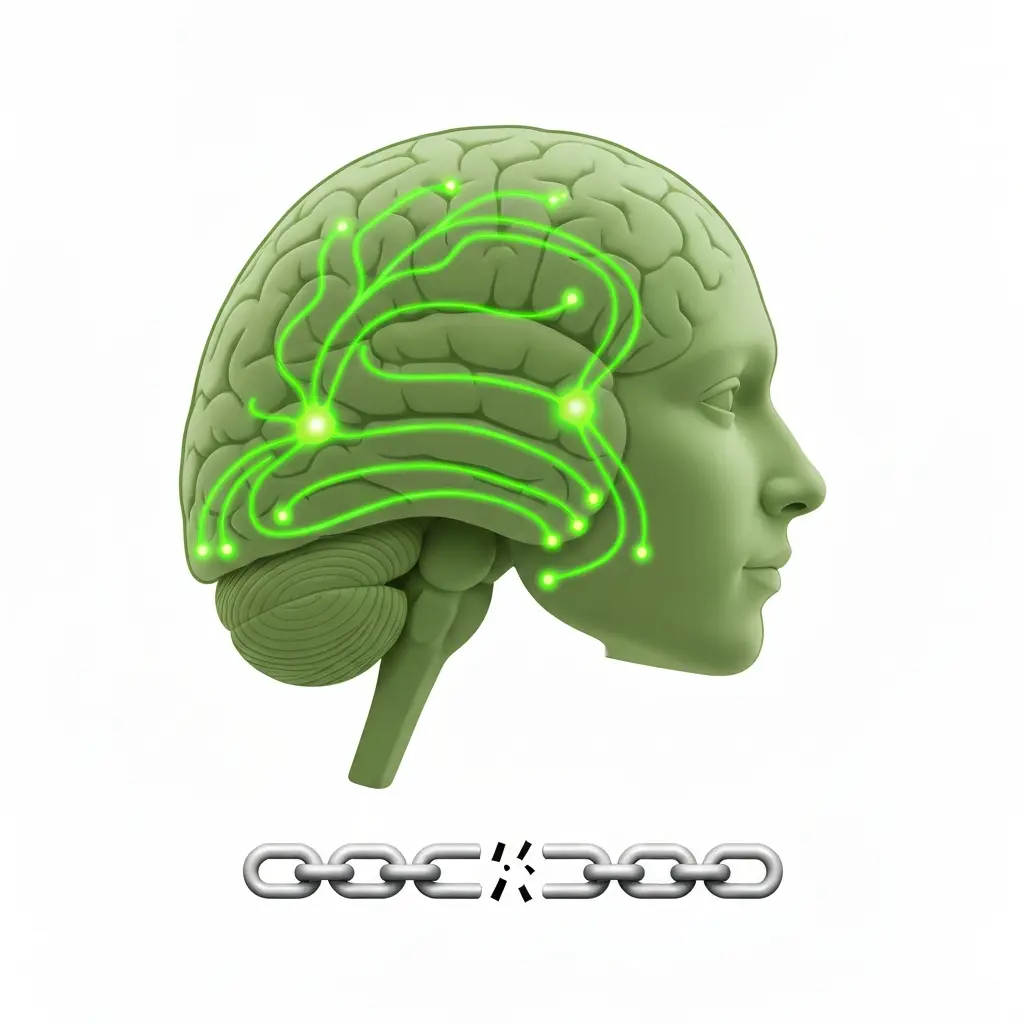
Within 10 seconds of inhaling cigarette smoke, nicotine crosses the blood-brain barrier and binds to nicotinic acetylcholine receptors (nAChRs) in the brain’s reward pathways. This triggers the release of dopamine — a neurotransmitter associated with pleasure, motivation, and reward — in the nucleus accumbens, the brain’s reward centre.
The result is a brief sensation of pleasure, relaxation, and enhanced concentration. This is not imaginary — it is a genuine neurochemical event. Your brain correctly records: “this action produced a reward.” The problem is that nicotine produces this reward reliably, rapidly, and repeatedly — conditions that are ideal for creating strong conditioned associations.
Nicotine also releases norepinephrine (increasing alertness), serotonin (mood regulation), and beta-endorphins (stress relief and mild euphoria). This combination of effects explains why smokers use cigarettes not just for pleasure but for focus, calm, stress relief, and as a social ritual — it’s doing neurochemical work in multiple domains simultaneously.
How Physical Dependence Develops
The brain is highly adaptive. When nicotine repeatedly floods the reward system with dopamine, the brain responds by:
- Downregulating dopamine receptors — reducing the number and sensitivity of receptors to avoid overstimulation. This means the same cigarette produces less reward over time (tolerance).
- Upregulating nicotinic acetylcholine receptors (nAChRs) — creating more binding sites for nicotine, which increases dependence and amplifies withdrawal symptoms when nicotine is absent.
- Resetting the dopamine baseline — the brain comes to treat nicotine-supplemented dopamine levels as “normal.” Without nicotine, dopamine falls below the new baseline, causing withdrawal: irritability, anxiety, and difficulty concentrating.
This physical adaptation begins within days of regular smoking. By the time most people reach a pack-a-day habit, their dopamine system is structurally altered to depend on regular nicotine input. Physical dependence is not a character flaw — it is a documented neurobiological process that would happen to virtually anyone who smoked regularly.
Psychological Dependence: The Conditioning Layer
On top of the physical dependence sits a layer of conditioning that is, in many ways, even harder to overcome. Over years of smoking, your brain forms dense neural pathways linking:
- Specific times of day (morning coffee, after meals, work break) → smoking
- Specific environments (car, back door, pub) → smoking
- Specific emotional states (stress, boredom, celebration) → smoking
- Specific social contexts (with certain friends, at certain events) → smoking
When any of these cues are encountered, they trigger conditioned craving — often before conscious awareness. This is why people feel a strong urge to smoke even in situations where they consciously know they don’t want to. The urge isn’t rational; it’s conditioned. This is also why environmental preparation (read our guide on preparing your home to quit) is such an important part of cessation — it removes the environmental cues before they can trigger the conditioned response.
Measuring Your Nicotine Dependence Level
The Fagerström Test for Nicotine Dependence (FTND) is the most widely used clinical tool for assessing dependence severity. The most predictive question is:
— Within 5 minutes: High dependence
— 6-30 minutes: Moderate-high
— 31-60 minutes: Moderate
— After 60 minutes: Lower dependence
Knowing your dependence level matters because it determines which cessation strategy is most appropriate:
| Dependence Level | Recommended Approach |
|---|---|
| Low (score 0-3) | Behavioral support + low-dose NRT may be sufficient |
| Moderate (score 4-6) | Combination NRT (patch + fast-acting) + behavioral support |
| High (score 7-10) | Prescription medication (varenicline or bupropion) + intensive behavioral support + combination NRT |
Why This Is Why Quitting Is Hard
With the biology clear, the difficulty of quitting makes complete logical sense. You are simultaneously:
- Managing acute physiological withdrawal — your dopamine system is depleted below baseline, causing measurable anxiety, irritability, and dysphoria
- Resisting conditioned cravings triggered by hundreds of previously reinforced environmental cues
- Building new habits to replace rituals that served genuine functional roles (stress relief, social bonding, concentration)
- Doing all of this in the middle of normal daily life, with all its existing demands and stressors
The 3-5% unaided quit success rate isn’t a testament to human weakness — it’s a testament to the strength of the addiction. The success rates achieved with combined medication + behavioral support (25-40%) show what’s possible when the biology is addressed directly. For an overview of your options, see our guides on the most effective way to quit smoking and NRT options compared.
What Nicotine Dependence Science Tells Us About Treatment
Understanding the biology of nicotine dependence explains why specific treatments work:
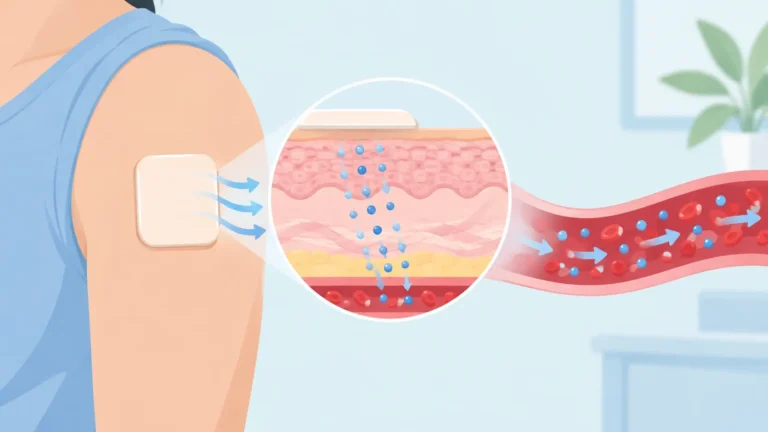
- NRT (nicotine patches, gum, lozenges): Replaces the nicotine without the harmful combustion products of cigarettes. Prevents withdrawal by maintaining dopamine levels while the psychological conditioning is addressed. Effective because it directly targets the physical dependence component.
- Varenicline (Champix/Chantix): Binds to nAChRs as a partial agonist — it activates them enough to prevent withdrawal but not enough to produce full nicotine reward. Also blocks nicotine from binding if you smoke, making cigarettes less rewarding. This directly addresses the receptor-level biological mechanism.
- Bupropion: Blocks dopamine and norepinephrine reuptake, raising baseline levels of these neurotransmitters and reducing the reward deficit of withdrawal. Also helps with co-occurring depression and anxiety that often accompany cessation.
- Behavioral support: Addresses the psychological conditioning layer that medication alone cannot fix. Helps identify and manage triggers, build new habits, and develop coping strategies for the conditioned cravings that persist after physical withdrawal resolves. Our withdrawal symptom guide covers specific symptom management.
- Quit apps: Digital tools like iQuit provide continuous behavioral support — craving logs, trigger analysis, health milestone tracking — that extends and reinforces the conditioning-disruption work throughout the quit journey.
The most successful cessation approaches combine treatments that address both the physical and psychological components simultaneously. For the research on how effective quit smoking apps are, the data is increasingly compelling.
Frequently Asked Questions
Is nicotine itself what causes cancer?
No. Nicotine is the addictive substance in cigarettes, but it is not the primary carcinogen. The cancer risk from smoking comes from the over 70 known carcinogens in tobacco smoke — including formaldehyde, benzene, arsenic, and polycyclic aromatic hydrocarbons — that are produced by the combustion process. Nicotine in isolation (as in NRT) does not cause cancer. This is why NRT is considered safe for extended use to support quitting.
How long does it take to become physically dependent on nicotine?
Physical nicotine dependence can develop within weeks of regular smoking. Research on adolescent smokers found signs of dependence appearing after as few as a few cigarettes per week. For adults smoking daily, measurable dependence typically develops within the first few months of regular use. Once established, the physical changes to dopamine receptor density and nicotinic receptor upregulation are durable and take months to reverse after quitting.
Is nicotine dependence a real addiction or just a habit?
It is both — and both are real. The physical component is a documented neurological disorder (classified as F17.2 in ICD-10 and as Tobacco Use Disorder in DSM-5) with measurable changes in brain chemistry and receptor density. The habitual component is a genuine conditioning process with demonstrable neural correlates. Dismissing either as “just” a habit underestimates the complexity of what must be overcome to quit.
Does nicotine dependence ever fully resolve after quitting?
Yes, for the physical component. Studies show that nicotinic receptor density returns toward normal within 6-12 weeks of quitting, and dopamine system baseline normalizes over 3-12 months. The psychological conditioning layer takes longer — conditioned cravings can persist for years in response to strong cues, but become progressively less frequent and intense. Most ex-smokers report being effectively free from meaningful craving at 12 months.
Does vaping cause the same nicotine dependence as smoking?
Yes. The nicotine dependence mechanism is the same regardless of delivery method. Vaping delivers nicotine to the brain at similar speeds and concentrations to cigarettes, producing the same dopaminergic effects and the same neurological dependence. The physical hazard profile is different (vaping is considered less harmful than combustion), but the addiction is equivalent. This is why switching from smoking to vaping addresses the harm but not the dependence.
iQuit: Built for the Science of Nicotine Addiction
iQuit’s AI coach understands the biology of nicotine dependence and helps you manage both the physical withdrawal and the psychological conditioning with targeted, real-time support. Track your recovery — see your brain chemistry normalizing in real time through your health milestones.
Related reading: Stages of nicotine withdrawal explained | Nicotine withdrawal timeline day by day | Why is it hard to quit smoking: neuroscience explained | How long nicotine stays in your body | Most effective way to quit smoking