Smoking and Sleep Statistics 2026: How Cigarettes Wreck Your Sleep (and What Quitting Restores)
Poor sleep and smoking are intertwined in ways that most smokers — and many clinicians — underestimate. Population data consistently shows that smokers are significantly more likely to experience insomnia, obstructive sleep apnoea, and non-restorative sleep than people who have never smoked. Yet the same research carries a clear message: sleep quality measurably improves after cessation, even though the transition period involves a paradoxical worsening for several weeks. Understanding the smoking and sleep statistics for 2026 means understanding both the damage nicotine does to sleep architecture and the recovery that follows quitting.
This data roundup draws on peer-reviewed sleep research, including the landmark Tab-OSA study, a 2024 systematic review on sleep restoration after cessation, and Oxford Academic’s analysis of sleep as a cessation treatment target — all cited inline.
Sleep Problem Prevalence in Smokers vs Non-Smokers
Multiple large-population surveys confirm that smokers report sleep disorders at substantially higher rates than non-smokers. A widely cited finding is that smokers are approximately 50% more likely to report sleep problems than people who have never smoked. The prevalence of both insomnia and obstructive sleep apnoea syndrome (OSA) is elevated in smoking populations. The relationship is bidirectional in part: poor sleep increases craving intensity and relapse risk, while nicotine — as a stimulant — directly disrupts sleep onset and maintenance.
The Tab-OSA study (PMC, 2023) — a dedicated investigation of smoking’s effects on sleep architecture and ventilatory parameters — found that smokers had significantly altered polysomnographic profiles compared to non-smoking controls, including more light-stage sleep, increased arousal indices, and reduced slow-wave sleep.
How Smoking Disrupts Sleep Architecture
Healthy sleep cycles through four stages: N1 (light), N2 (intermediate), N3 (slow-wave deep sleep), and REM (rapid eye movement). Each stage serves distinct restorative functions — N3 for physical repair, REM for memory consolidation and emotional regulation. Nicotine interferes with this cycling in multiple ways.
As a stimulant, nicotine raises heart rate, blood pressure, and cortical alertness. It suppresses REM sleep and reduces the proportion of slow-wave deep sleep (N3). Research published in PMC (The Interactions between Smoking and Sleep, 2024) found that smokers spent significantly less time in deep and REM sleep compared to non-smokers, with more fragmented sleep architecture overall. Evening smokers — people who smoke within the two hours before bed — showed the most pronounced disruption.
Nicotine also has a withdrawal component that activates during sleep. Because blood nicotine levels fall during the night, smokers often experience micro-arousals in the second half of the night as early withdrawal symptoms begin. This shortens total sleep time and degrades sleep quality without the smoker always being aware of the cause.
Smoking and Obstructive Sleep Apnoea
The association between smoking and OSA is well established and mechanistically plausible. Tobacco smoke causes upper airway inflammation and mucosal oedema, narrowing the pharyngeal airway and increasing the likelihood of collapse during sleep. The Tab-OSA study specifically examined apnoea-hypopnoea indices (AHI) in smokers and found elevated rates of respiratory events compared to non-smokers. Smokers also have higher rates of upper airway resistance syndrome, a milder form of sleep-disordered breathing that nonetheless fragments sleep significantly.
OSA itself raises cardiovascular risk — so the combination of smoking and OSA creates a compounding hazard for heart health, as discussed in the companion article on Smoking and Heart Attack Risk: 2026 Statistics.
Withdrawal Insomnia: The Short-Term Worsening
A critical piece of smoking and sleep data that is rarely communicated to people attempting cessation: sleep typically gets worse before it gets better. This is not a sign that quitting is harming sleep — it is a pharmacological withdrawal effect.
A 2024 systematic review published in Sleep Medicine (ScienceDirect: Conditions of sleep restoration after smoking cessation, 2024) found that insomnia was reported by 19.7% to 40.3% of smokers in the early cessation period. The wide range reflects variation in cessation method, nicotine dependence level, and how insomnia was defined across studies. Research published in Nicotine & Tobacco Research (Oxford Academic, PMC 2019) identified poor sleep during cessation as a significant predictor of relapse, suggesting that sleep management should be an explicit component of cessation support.
Withdrawal insomnia is typically most intense in the first 1–2 weeks and improves progressively thereafter. Nicotine replacement therapy (NRT) at appropriate doses can blunt the effect by preventing the overnight nicotine crash. Nicotine patches, however, have their own sleep interaction: standard 24-hour patches maintain a low overnight nicotine level, which can itself cause vivid dreams or lighter sleep in some users. For a full account of withdrawal symptom progression, see the Nicotine Withdrawal Symptoms: Complete 2026 Guide.
Data Table: Sleep Metrics in Smokers, Quitters, and Non-Smokers
| Sleep Metric | Current Smokers | Early Quitters (Weeks 1–4) | Long-Term Quitters / Non-Smokers |
|---|---|---|---|
| Sleep problem prevalence | ~50% higher than non-smokers | Insomnia in 19.7–40.3% of quitters | Comparable to lifetime non-smokers |
| REM sleep | Reduced vs non-smokers | May be further disrupted initially | Normalises with sustained abstinence |
| Slow-wave (deep) sleep | Reduced vs non-smokers | Transient worsening | Improves toward non-smoker norms |
| Sleep onset latency | Prolonged (nicotine stimulant effect) | Often worsens in week 1 | Normalises within weeks to months |
| OSA risk | Elevated (upper airway inflammation) | Begins to reduce | Risk decreases toward baseline |
Sources: Tab-OSA study (PMC 2023); PMC 2024 interactions review; ScienceDirect systematic review 2024; Oxford Academic / Nicotine & Tobacco Research 2019.
What Sleep Recovery Looks Like After Quitting
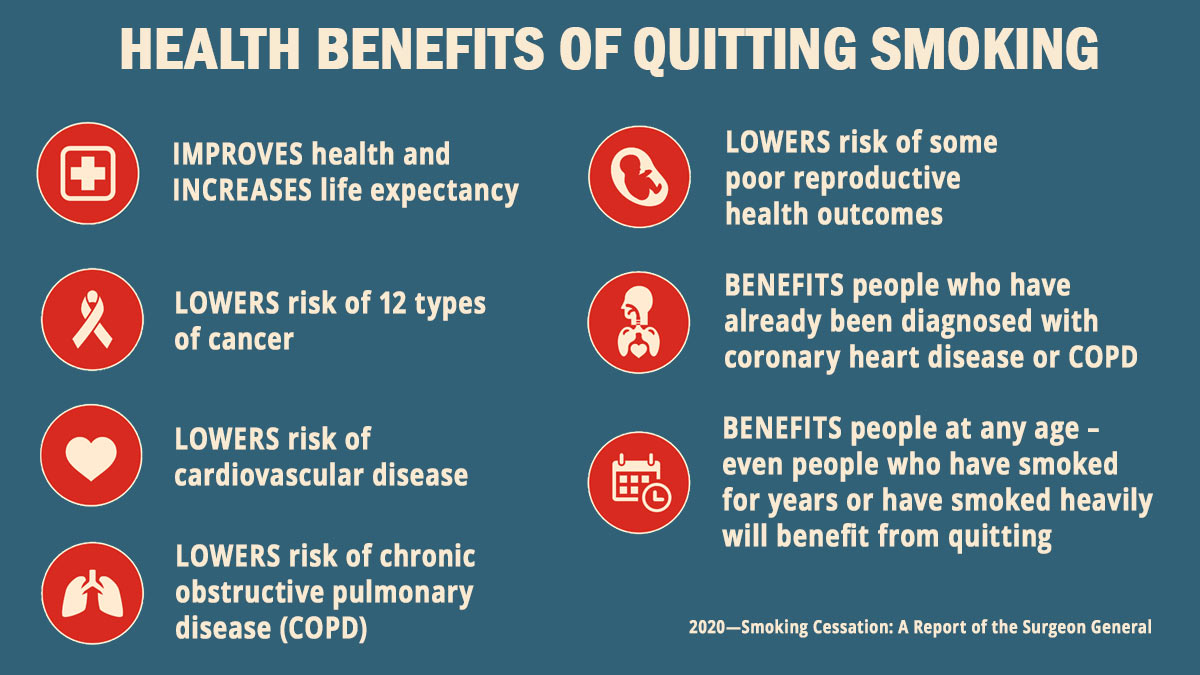
The 2024 systematic review on sleep restoration after cessation found that sleep quality does recover — but the timeline is not linear. Most quitters see the acute withdrawal insomnia phase peak at 1–2 weeks and begin to improve noticeably by weeks 4–8. Studies using polysomnography on long-term ex-smokers (typically defined as abstinent for 1 year or more) find that sleep architecture is comparable to that of non-smokers, indicating that the damage is not permanent.
Three factors appear to predict faster sleep recovery after quitting: lower pre-cessation nicotine dependence, use of pharmacotherapy (NRT or varenicline) to blunt withdrawal, and good sleep hygiene practices during the quit attempt. People who experience severe withdrawal insomnia and do not address it have higher relapse rates — making sleep quality a clinically meaningful cessation outcome, not just a side issue.
For those navigating the full range of physical withdrawal symptoms, the Nicotine Withdrawal Timeline: Complete 2026 Recovery Map provides hour-by-hour data on what to expect across the first year.
Tracking sleep quality alongside cigarette-free days can help identify whether sleep is improving on the expected trajectory. Apps such as iQuit allow users to log daily mood and wellbeing alongside their cessation milestones, providing a complete recovery picture.
Methodology Note
Sleep research uses varied methodologies — polysomnography (objective, lab-based), actigraphy (wrist-worn movement monitoring), and self-report questionnaires — and findings differ somewhat depending on the tool used. The 19.7–40.3% insomnia prevalence range during early cessation reflects this heterogeneity. Where possible, this article prioritises polysomnography-based studies and peer-reviewed systematic reviews over self-report surveys. All sources are linked. The directional finding — that smoking impairs sleep, cessation causes transient insomnia, and long-term abstinence restores sleep architecture — is consistent across study types.
Frequently Asked Questions
How does smoking affect sleep quality?
Nicotine is a stimulant that raises heart rate, delays sleep onset, suppresses REM and deep slow-wave sleep, and causes overnight micro-arousals as blood nicotine levels fall. Smokers report sleep problems at approximately 50% higher rates than non-smokers, and polysomnography studies confirm objectively fragmented sleep architecture in current smokers (Tab-OSA study, PMC 2023).
Does quitting smoking cause insomnia?
Yes, temporarily. Between 19.7% and 40.3% of people report insomnia during early smoking cessation, according to a 2024 systematic review. This is a nicotine withdrawal effect — the brain is adjusting to the absence of a stimulant drug it had been receiving multiple times daily. Withdrawal insomnia typically peaks in the first 1–2 weeks and improves progressively over weeks 4–8.
Does sleep improve permanently after quitting smoking?
Yes, based on polysomnographic data from long-term ex-smokers. Studies find that sustained quitters show sleep architecture comparable to that of lifetime non-smokers, suggesting the sleep disruption caused by smoking is reversible with sustained abstinence of approximately 1 year or more.
Can smoking cause sleep apnoea?
Smoking is an established risk factor for obstructive sleep apnoea (OSA). Tobacco smoke causes upper airway inflammation and mucosal swelling, narrowing the airway and increasing the likelihood of collapse during sleep. The Tab-OSA study found elevated apnoea-hypopnoea indices in smokers. OSA risk decreases after quitting as upper airway inflammation resolves.
How long does sleep improve after quitting smoking?
Most people see meaningful sleep improvement within 4–8 weeks of quitting. The acute withdrawal insomnia phase (weeks 1–2) is the hardest period. After 3–6 months, sleep quality typically normalises significantly. Long-term polysomnographic studies show that ex-smokers abstinent for 1 year or more have sleep profiles similar to non-smokers.
Do nicotine patches help or hurt sleep during cessation?
24-hour nicotine patches maintain a low overnight nicotine level, which prevents the overnight withdrawal crash that disrupts sleep in unassisted quitters. However, in some people, continuous nicotine delivery causes vivid dreams or lighter sleep. Switching to a 16-hour patch (removed at bedtime) often resolves this while still providing daytime cessation support. The balance of evidence favours NRT use over unassisted cessation for overall sleep outcomes in early cessation.